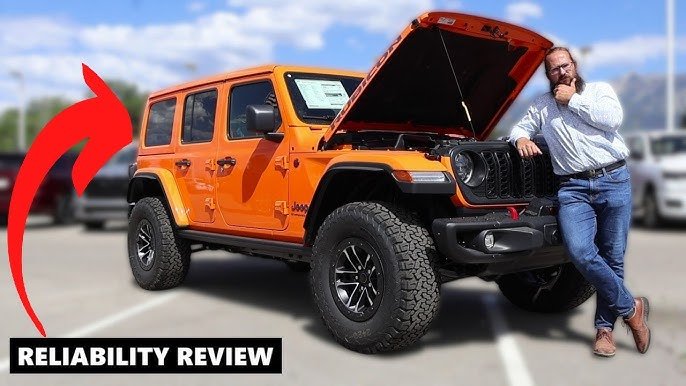
The Jeep Wrangler JK is an icon of off-road capability, and for many enthusiasts, the ultimate expression of its prowess lies in its wheels. Among the most coveted upgrades are steel beadlock wheels, particularly those from Mammoth (or similar reputable brands offering beadlock technology).
These wheels aren't just about aesthetics; they are engineered for extreme conditions, offering a significant performance advantage when tackling challenging terrains. Understanding the nuances of Mammoth steel beadlock wheels for the Jeep Wrangler JK is crucial for anyone looking to push their rig's limits safely and effectively.
When you're deep in the backcountry, the last thing you want is a tire losing its bead and deflating, leaving you stranded. Beadlock wheels are designed to prevent this by mechanically clamping the tire bead to the wheel rim.
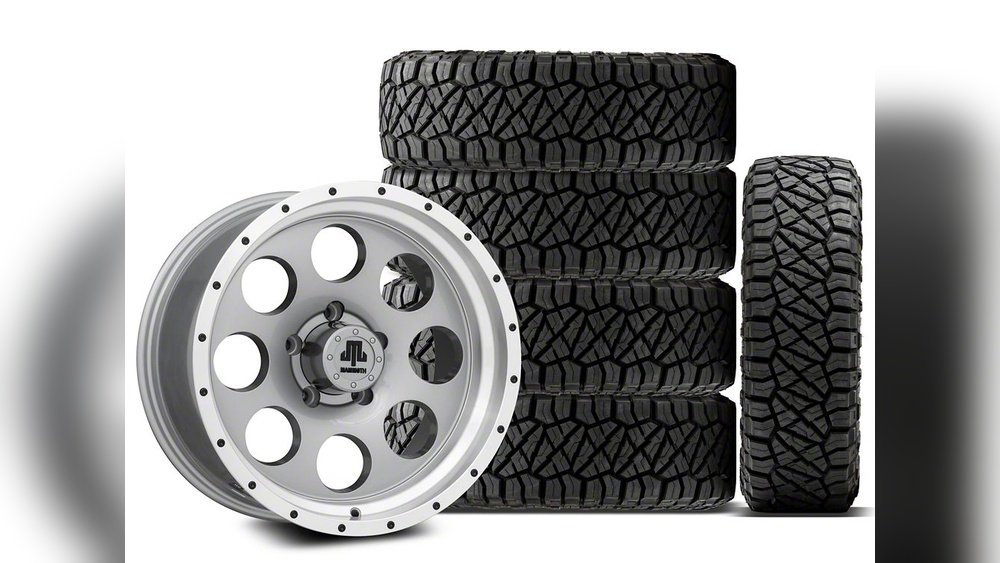
This is especially vital when running significantly lower tire pressures, which is a common practice for maximizing traction on rocks, sand, and mud.
Mammoth, a brand recognized in the off-road community, offers robust solutions that cater to the demanding needs of Jeep JK owners. This article will explore the advantages, considerations, and specific features of Mammoth steel beadlock wheels for the Jeep Wrangler JK, helping you make an informed decision for your next build.
Key Takeaways
- Enhanced Traction: Beadlock wheels allow for significantly lower tire pressures, dramatically improving grip on challenging off-road surfaces like rocks and sand.
- Tire Security: They mechanically secure the tire bead to the rim, preventing “bead unseating” (tire coming off the rim) during extreme articulation or low-pressure operation.
- Durability: Steel construction offers superior strength and impact resistance compared to alloy wheels, making them ideal for harsh off-road environments.
- Weight Consideration: Steel beadlocks are heavier than their alloy counterparts, which can impact on-road handling, fuel economy, and suspension performance.
- Legality and Maintenance: Beadlock wheels may have restrictions in certain regions and require regular maintenance to ensure proper function and safety.
- Bolt Pattern and Fitment: Ensuring the correct bolt pattern (5×5 inches for most JK Wranglers) and offset is critical for proper fitment and avoiding clearance issues.
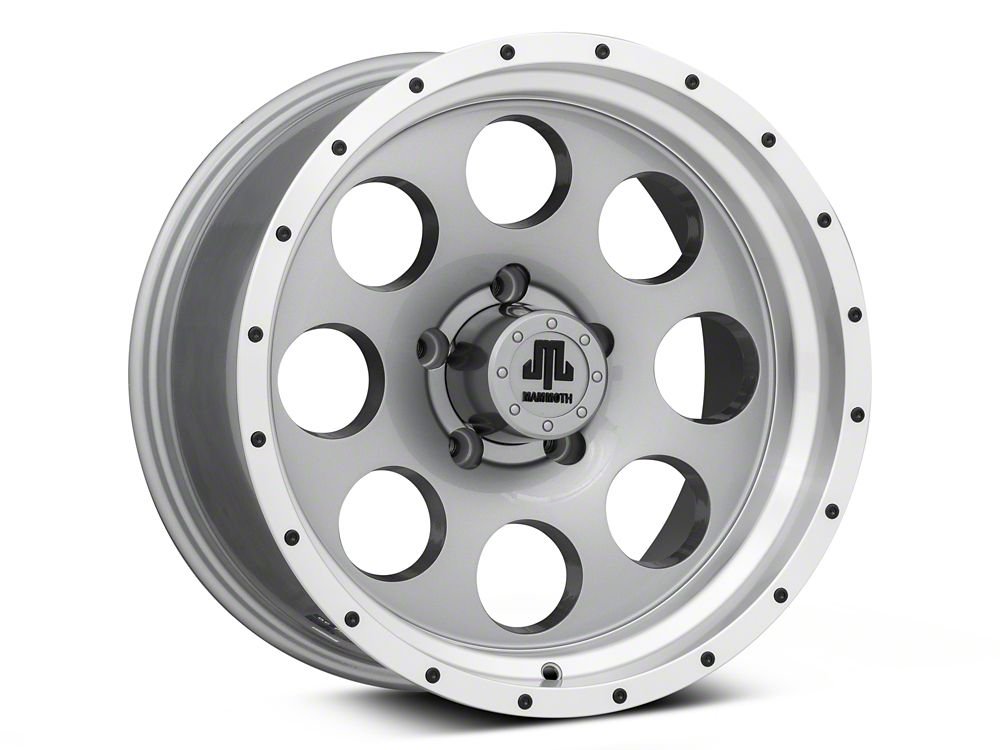
The Science Behind Beadlock Wheels For Jeep Jk
Beadlock wheels represent a significant evolution in off-road wheel technology, moving beyond simple aesthetics to offer tangible performance benefits. For the Jeep Wrangler JK, a vehicle synonymous with off-road adventure, beadlocks can transform its capabilities.
The fundamental principle behind a beadlock wheel is the mechanical clamping of the tire's bead to the wheel's rim.
This is achieved through a ring, typically made of aluminum or steel, which is bolted onto the wheel.
How Beadlocks Prevent Bead Unseating
In standard wheels, the tire bead is held in place by air pressure pushing the bead against the rim. When running very low tire pressures, often below 10 PSI, for increased traction, this pressure might not be sufficient to keep the bead seated, especially during aggressive articulation or impacts.
This is where beadlocks shine. The beadlock ring compresses the tire's bead between itself and the wheel flange, creating a secure mechanical lock.
This ensures the tire remains firmly attached to the wheel even at extremely low pressures, allowing Jeep JK owners to confidently tackle obstacles that would otherwise be insurmountable.
This security is paramount for preventing catastrophic tire failures miles from civilization.
The Advantage Of Lower Tire Pressures
The ability to run lower tire pressures is the primary performance benefit of beadlock wheels. On rocky terrain, for instance, a deflated tire can conform to the shape of the rocks, creating a larger contact patch and significantly increasing grip. This allows the Jeep JK to crawl over obstacles with greater stability and less chance of slipping. Similarly, on sand, lower pressures allow the tire to “float” on the surface, preventing the vehicle from digging in and getting stuck. For a Jeep Wrangler Unlimited Rubicon, known for its off-road prowess, beadlock wheels further enhance its already impressive capabilities.
Steel Vs. Alloy: A Matter Of Durability
When considering beadlock wheels, the material is a critical factor. Mammoth often offers options in robust steel, which is a popular choice for extreme off-roading.
Steel wheels are renowned for their exceptional durability and resistance to damage from impacts. Rocks, curbs, and other trail hazards can easily bend or crack alloy wheels.
Steel, while heavier, is far more forgiving and can often withstand significant abuse without failing. This makes steel beadlock wheels a compelling choice for those who frequently subject their Jeep JK to the rigors of extreme trails.
Mammoth Steel Beadlock Wheels: Features And Benefits For Jeep Wrangler Jk
Mammoth Wheels has established itself as a reputable name in the aftermarket wheel industry, offering products designed to meet the demands of serious off-roaders. Their steel beadlock wheels for the Jeep Wrangler JK are engineered with specific features to enhance performance, durability, and reliability.
Robust Construction And Materials
The hallmark of Mammoth steel beadlock wheels is their heavy-duty construction. Typically manufactured from thick, high-strength steel, these wheels are built to endure the harshest off-road conditions.
The beadlock ring itself is usually made from a similarly robust material, often a thick steel or a reinforced aluminum alloy, designed to withstand impacts and provide a secure grip on the tire bead.
This focus on material strength is crucial for preventing wheel damage and ensuring tire security on demanding trails.
Design For Extreme Off-roading
Mammoth’s beadlock designs are not just about strength; they are often optimized for off-road functionality. This can include:
- Reinforced Lip: The outer lip of the wheel is often beefed up to protect the beadlock ring and tire from impacts.
- Corrosion Resistance: Steel wheels are typically treated with durable powder coating or multi-stage paint processes to resist rust and corrosion, essential for vehicles exposed to mud, water, and salt.
- Bolt Pattern Specificity: Mammoth offers wheels with the correct bolt pattern for the Jeep JK (typically 5×5 inches), ensuring a direct fit without the need for adapters that can introduce potential failure points.
Performance Advantages On The Trail
When equipped with Mammoth steel beadlock wheels, a Jeep JK can experience significant performance improvements:
- Unparalleled Traction: As discussed, the ability to run ultra-low tire pressures allows the tires to conform to terrain, maximizing contact patch and grip. This is invaluable for rock crawling and navigating loose surfaces.
- Reduced Risk of Tire Failure: The mechanical lock provided by the beadlock system drastically reduces the likelihood of a tire coming off the rim, a common failure point with standard wheels at low pressures.
- Improved Ride Comfort on Rough Terrain: While heavier wheels can affect on-road comfort, on the trail, the ability to air down can actually smooth out the ride over rough, choppy surfaces by allowing the tires to absorb more impact.
Weight Considerations
It’s important to acknowledge that steel beadlock wheels are considerably heavier than standard alloy wheels. This added weight, particularly unsprung weight, can have several implications for a Jeep JK:
- On-Road Handling: Heavier wheels can make steering feel heavier and may slightly reduce the responsiveness of the suspension.
- Fuel Economy: Increased rotational mass contributes to lower fuel efficiency.
- Suspension Load: The added weight puts more strain on the vehicle’s suspension components, potentially leading to faster wear if not accounted for in the suspension setup.
For an off-road focused build, the durability and performance benefits often outweigh the weight penalty. However, for a Jeep JK that sees significant daily driving, this is a factor to consider.
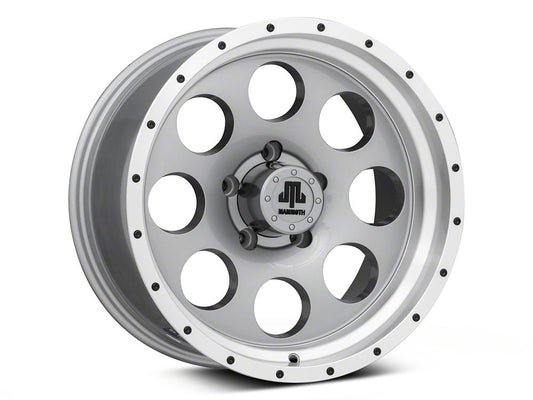
Installation And Maintenance Of Mammoth Beadlock Wheels
Installing and maintaining beadlock wheels, especially steel ones like those from Mammoth, requires a different approach than standard wheels. Proper installation is critical for safety, and regular maintenance ensures their continued performance.
Installation Process
Installing beadlock wheels is a more involved process than mounting standard tires. It typically requires:
- Tire Mounting: The tire is mounted onto the wheel, and the beadlock ring is positioned over the tire bead.
- Bolt Tightening: The beadlock bolts are then installed and tightened in a star pattern, similar to lug nuts, to ensure even pressure distribution. Torque specifications are crucial and must be followed precisely. Over-tightening can damage the tire or the ring, while under-tightening can lead to leaks or catastrophic failure.
- Leak Checks: After installation, the tires must be inflated to a higher pressure (often above 30 PSI) to fully seat the bead and then checked meticulously for any air leaks around the beadlock ring. A soapy water solution is commonly used to identify small leaks.
- Re-torquing: It’s common practice to re-torque the beadlock bolts after the first few miles of driving and periodically thereafter, as the tire rubber can compress slightly.
For those unfamiliar with the process, professional installation is highly recommended. Incorrect installation can lead to serious safety hazards. If you’re looking to upgrade your Jeep’s wheel setup, understanding the intricacies of installation is key, much like understanding how to adjust your steering wheel for optimal comfort if it’s not quite right, as detailed in resources on Jeep steering wheel height adjustment broken.
Essential Maintenance For Beadlocks
Beadlock wheels require more frequent and thorough maintenance than conventional wheels:
- Regular Bolt Checks: Periodically inspect and re-torque all beadlock bolts. This is especially important after aggressive off-roading or if the vehicle has been subjected to significant impacts.
- Cleaning: Mud, dirt, and debris can accumulate between the beadlock ring and the wheel, potentially causing leaks or hindering proper sealing. Regular cleaning is essential.
- Inspection for Damage: Examine the beadlock ring and the wheel lip for any signs of damage, such as cracks, bends, or excessive wear. Any damage should be addressed immediately by a qualified professional.
- Lubrication: Some manufacturers recommend applying a small amount of tire lubricant or a specific bead sealant to the beadlock mating surfaces to aid in sealing and prevent damage during installation and removal. Always follow the manufacturer’s specific recommendations.
Legal Considerations And Regulations
It’s crucial to be aware that in some jurisdictions, true beadlock wheels may be illegal for use on public roads due to safety concerns and potential for improper installation or maintenance leading to tire failure. Many manufacturers now offer “simulated” or “functional” beadlock wheels that achieve a similar look without the mechanical clamping mechanism, or wheels that meet DOT standards for street use.
Always research local regulations before purchasing and installing beadlock wheels for your Jeep JK. Some regions may have specific requirements for tire and wheel modifications to ensure they are road-legal.
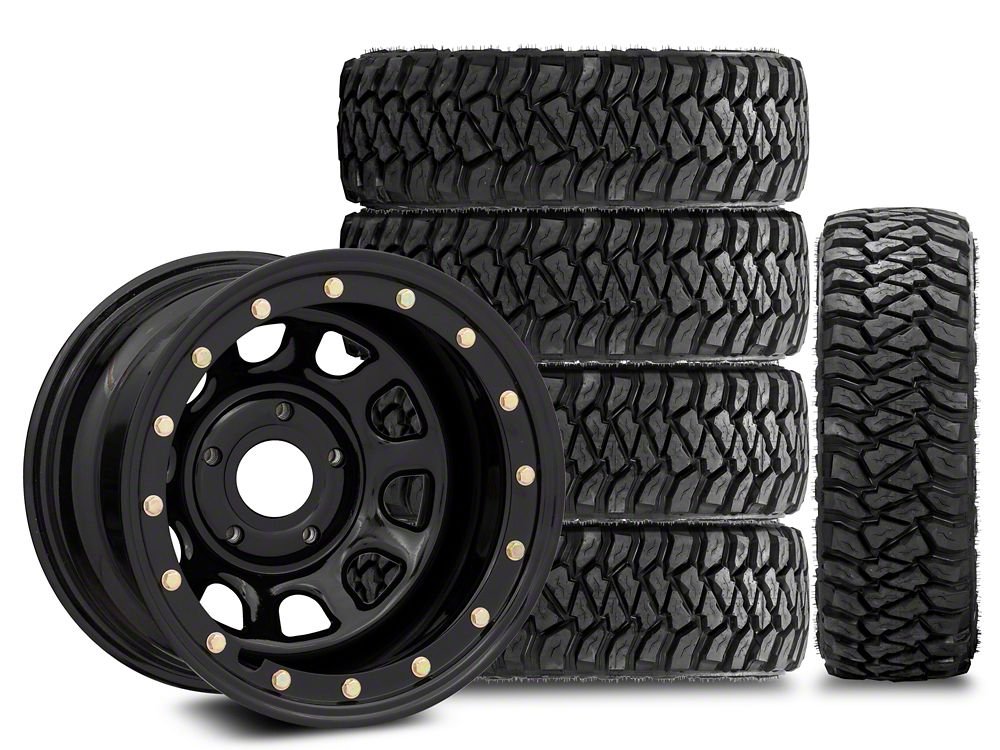
Choosing The Right Mammoth Beadlock Wheels For Your Jk
Selecting the correct Mammoth steel beadlock wheels involves more than just picking a style. Several technical specifications and considerations are vital for ensuring proper fitment, performance, and compatibility with your Jeep Wrangler JK.
Bolt Pattern And Offset
The most critical specification is the bolt pattern. For the vast majority of Jeep Wrangler JK models (2007-2018), the bolt pattern is 5×5 inches (127mm). Mammoth wheels designed for the JK will adhere to this standard.
Offset refers to the position of the wheel’s mounting surface relative to its centerline. A negative offset pushes the wheel further outward from the vehicle, which is often desired for larger tires to clear suspension components and fender flares. Mammoth offers various offsets, and the choice depends on your tire size and lift kit. A common choice for aggressive off-road builds with larger tires is a significant negative offset, sometimes as aggressive as -12mm or -25mm. Understanding the correct wheel offset is crucial to avoid rubbing issues and ensure proper steering geometry. For a comprehensive understanding of wheel bolt patterns, resources like Jeep Grand Wheels Bolt Pattern can be very informative.
Wheel Diameter And Width
Mammoth offers steel beadlock wheels in common Jeep JK sizes, typically 17 inches in diameter. This size is popular because it allows for a good balance between sidewall height for off-road compliance and brake clearance.
Wheel width is also important. Common widths for JK beadlocks are 8 inches or 9 inches. A wider wheel can help support the tire at lower pressures and provide a more stable platform, especially for wider off-road tires. The choice of width should be matched to your planned tire size. For instance, a 12.5-inch wide tire might perform best on an 8.5 or 9-inch wide wheel.
Tire Size Compatibility
The Mammoth beadlock wheels must be compatible with the tire sizes you intend to run. Larger, more aggressive off-road tires, such as 35-inch, 37-inch, or even larger, are common on modified Jeep JKs.
The wheel's diameter, width, and offset all play a role in determining which tire sizes will fit correctly and function optimally without excessive rubbing or clearance issues.
Load Rating
Given the stresses of off-road driving, especially with heavier vehicles like modified Jeeps, the load rating of the wheel is a critical safety factor. Mammoth wheels, particularly their steel offerings, are typically designed with high load ratings to withstand the demands placed upon them. Always ensure the wheels you choose have a load rating sufficient for your Jeep JK, accounting for any added weight from armor, cargo, or passengers.
Example: A Popular Mammoth Jk Beadlock Setup
A common setup for a Jeep JK aiming for serious rock crawling might involve:
- Wheels: Mammoth 17-inch steel beadlock wheels with a 5×5 bolt pattern, 8.5-inch width, and a -12mm offset.
- Tires: 37×12.50R17 all-terrain or mud-terrain tires.
- Air Pressure: Running pressures as low as 8-12 PSI on the trail.
This combination allows the tires to conform significantly to rocky surfaces, maximizing traction and stability, while the beadlock system ensures the tires remain securely mounted.
Comparing Steel Beadlocks To Other Wheel Options
When upgrading the wheels on a Jeep Wrangler JK, beadlock wheels, particularly steel ones like Mammoth’s, offer a distinct set of advantages and disadvantages compared to other popular options. Understanding these differences is key to making the right choice for your specific needs and driving style.
Steel Beadlocks Vs. Alloy Beadlocks
| Feature | Mammoth Steel Beadlock Wheels | Alloy Beadlock Wheels |
|---|---|---|
| **Durability** | **Excellent**. Highly resistant to bending and cracking from impacts. Can often be hammered back into shape. | **Good**. Stronger than standard alloy wheels, but more prone to cracking or catastrophic failure on severe impact than steel. |
| **Weight** | **Heavy**. Significantly heavier than alloy wheels. | **Lighter**. Generally lighter than steel equivalents. |
| **Corrosion** | Can be susceptible to rust if coating is damaged. Requires good protection. | Generally more resistant to corrosion, but can oxidize. |
| **Cost** | Often more affordable than comparable alloy beadlocks. | Typically more expensive. |
| **Repairability** | Can often be repaired in the field (e.g., hammering out dents). | Difficult to repair in the field; often requires replacement. |
| **Performance** | Ideal for extreme rock crawling and heavy abuse. | Offer better on-road handling and fuel economy due to lower weight. |
Steel Beadlocks Vs. Standard Steel Wheels
| Feature | Mammoth Steel Beadlock Wheels | Standard Steel Wheels |
|---|---|---|
| **Tire Security** | **Superior**. Mechanically locks the bead to prevent unseating. | Relies solely on air pressure; prone to unseating at low pressures. |
| **Tire Pressure** | Allows for extremely low pressures (e.g., 8-10 PSI). | Requires higher pressures (e.g., 20-25 PSI+) to maintain bead seal. |
| **Traction** | Significantly enhanced traction at low pressures. | Limited traction at very low pressures. |
| **Cost** | Higher due to the beadlock mechanism. | Typically the most affordable wheel option. |
| **Weight** | Heavy. | Moderate weight. |
| **Complexity** | More complex installation and maintenance. | Simple installation and minimal maintenance. |
Steel Beadlocks Vs. Standard Alloy Wheels
| Feature | Mammoth Steel Beadlock Wheels | Standard Alloy Wheels |
|---|---|---|
| **Durability** | **Superior** for extreme impact resistance. | Good for general use, but can be susceptible to bending/cracking on rocks. |
| **Weight** | **Heavy**. | **Lightest** option, improving on-road manners and fuel economy. |
| **Aesthetics** | Rugged, utilitarian look. Limited design options. | Wide variety of designs, finishes, and styles. |
| **Cost** | More expensive than standard alloy, but often less than alloy beadlocks. | Varies widely, but generally more affordable than beadlocks. |
| **Performance** | Optimized for extreme low-pressure off-roading. | Good all-around performance, best for mixed-use. |
For Jeep JK owners who prioritize ultimate off-road capability and durability over on-road refinement and fuel economy, steel beadlock wheels like those from Mammoth are often the top choice. They are the go-to for serious rock crawlers and extreme trail enthusiasts.
Real-world Examples And Use Cases
The effectiveness and appeal of Mammoth steel beadlock wheels for the Jeep Wrangler JK are best illustrated through real-world scenarios and the types of modifications they complement.
Case Study: The Rock Crawler’s Dream
Imagine a Jeep Wrangler JK Rubicon heavily modified for competitive rock crawling. This build likely features a significant suspension lift, long-arm suspension geometry, powerful axles, and, of course, large, aggressive tires (e.
g. , 37-inch or 40-inch).
For this type of Jeep, running tire pressures between 5 and 10 PSI is essential for achieving the necessary traction to climb vertical rock faces and navigate treacherous boulder fields.
In this scenario, standard wheels would be highly prone to "bead unseating," leading to a flat tire and a lost run. Mammoth steel beadlock wheels provide the necessary security.
The mechanical lock ensures the tire stays firmly attached to the rim, allowing the driver to confidently push the vehicle's limits.
The steel construction provides peace of mind against impacts with sharp rocks that could easily damage lighter alloy wheels. This setup transforms the JK into a highly capable, reliable machine for extreme off-road challenges.
You might see similar builds featured in off-road magazines or at events like the Easter Jeep Safari, showcasing the ultimate potential of these modifications.
Complementing Other Off-road Upgrades
Mammoth steel beadlock wheels are rarely an isolated upgrade. They are part of a holistic approach to building a more capable off-road vehicle. They work in synergy with:
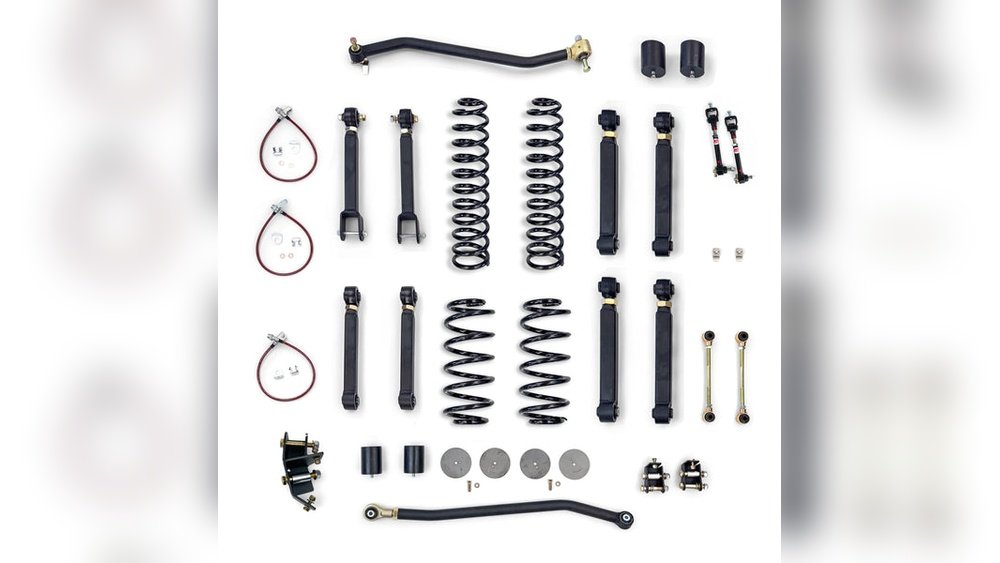
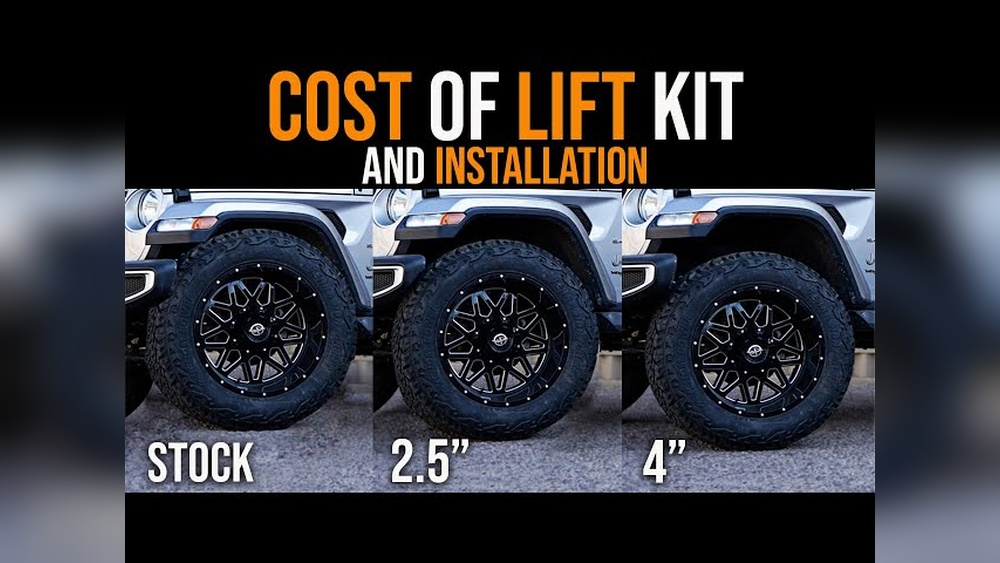
- Lift Kits: To accommodate larger tires that are often paired with beadlock wheels. A common upgrade path might involve a 4-inch lift kit, allowing for 35-inch or 37-inch tires.
- Fender Flares: To provide clearance for larger tires, especially when combined with aggressive wheel offsets.
- Gearing: Lower differential gearing (e.g., 4.88 or 5.13) is often necessary to compensate for the larger tire diameter and added weight, restoring on-road drivability and improving off-road control.
- Axle Upgrades: For extreme use with very large tires, stronger axles like Dana 60s might be considered to handle the increased torque and stress.
For example, a Jeep JK owner might start with a basic lift and tire upgrade, but as their off-road ambitions grow, they might add 4 Wheel Parts Jeep Build enhancements, including beadlock wheels. This progressive approach allows owners to tailor their vehicle’s capabilities to their specific off-road pursuits.
Everyday Use Considerations
While designed for extreme conditions, many Jeep JK owners use beadlock wheels on their daily drivers. It's important to understand the trade-offs.
The added weight can negatively impact fuel economy and acceleration. The aggressive tread patterns often paired with beadlocks can also produce more road noise and wear faster on pavement.
However, for some, the ability to air down for impromptu trail runs or even just to smooth out a particularly rough stretch of road makes the compromise worthwhile. Some owners even opt for dual-purpose setups, using a set of functional beadlocks for the trail and a lighter, more street-friendly set for daily driving.
Frequently Asked Questions
What Is The Main Advantage Of Steel Beadlock Wheels Over Standard Wheels For A Jeep Jk?
The primary advantage is their ability to securely hold the tire bead to the rim even at extremely low tire pressures. This allows for significantly increased traction on challenging terrains like rocks, sand, and mud, while drastically reducing the risk of the tire coming off the rim, a common failure with standard wheels at low pressures.
Are Mammoth Steel Beadlock Wheels Street Legal?
This varies significantly by region and specific product. While some functional beadlock designs meet DOT standards for street use, many true beadlock systems are intended for off-road use only and may not be legal on public roads.
It is crucial to research local regulations and confirm the street-legal status of any beadlock wheel before purchasing and installing it.
How Much Do Mammoth Steel Beadlock Wheels Typically Cost?
The price can vary widely based on size, design, and specific features. However,