Choosing The Right Steel Jeep Wheels: A Comprehensive Guide
When you think about enhancing your Jeep, one of the first things that comes to mind is upgrading the wheels. They are not just about looks; they play a crucial role in your Jeep's performance, especially if you plan on taking it off-road.
For many Jeep owners, steel wheels are a popular choice. They offer a fantastic blend of durability, affordability, and classic aesthetics.
But with so many options available, how do you choose the right steel wheels for your Jeep? This guide will walk you through everything you need to know, from understanding the benefits of steel wheels to selecting the perfect set for your needs.
The allure of steel wheels for a Jeep is undeniable. They have a rugged, no-nonsense appeal that perfectly complements the Jeep's adventurous spirit.
Unlike their alloy counterparts, steel wheels are known for their incredible toughness. They can withstand impacts from rocks, potholes, and other trail hazards that might dent or crack an alloy wheel.
This resilience makes them a favorite among off-road enthusiasts who push their Jeeps to the limit. Furthermore, steel wheels are generally more affordable than alloy wheels, making them an excellent option for budget-conscious buyers or those who expect to replace wheels due to damage.
Understanding The Basics Of Steel Jeep Wheels
Steel wheels are made from stamped steel, which is then rolled and welded into the familiar wheel shape. This manufacturing process results in a strong, yet relatively heavy, wheel.
The weight is a significant factor to consider, as heavier wheels can impact fuel economy and acceleration.
However, for many Jeep owners, the trade-off for increased durability and lower cost is well worth it.
When looking at steel wheels, you’ll encounter several key specifications that are crucial for proper fitment and performance. These include:
- Bolt Pattern: This refers to the number of lug nuts and the diameter of the circle they form. Common Jeep bolt patterns include 5×4.5 inches (for older Cherokees and Wranglers) and 5×5 inches (for newer Wranglers and Grand Cherokees). It’s essential to match this to your Jeep’s hub.
- Offset: This is the distance from the wheel’s mounting surface to the centerline of the wheel. A positive offset means the mounting surface is outside the centerline, pushing the wheel inward. A negative offset means the mounting surface is inside the centerline, pushing the wheel outward. For off-roading, many prefer a negative offset to widen the stance, improving stability and tire clearance.
- Backspacing: This is the distance from the back of the wheel mounting surface to the outside lip of the wheel. It’s closely related to offset and also affects how the wheel sits in relation to the fender and suspension components.
- Diameter and Width: These determine the size of the tire that can be fitted. Larger diameter wheels might look good, but for off-roading, you often want a larger tire sidewall, which means a smaller wheel diameter. Width affects tire bulge and how the tire sits.
Why Choose Steel Wheels For Your Jeep?
The decision to opt for steel wheels over alloy wheels for your Jeep comes down to a few core advantages.
Unmatched Durability And Resilience
This is arguably the biggest selling point for steel wheels. Off-roading can be brutal. You’ll encounter rocks, roots, mud, and uneven terrain that can easily damage less robust wheels. Steel wheels are exceptionally good at absorbing impacts. While they might bend or dent under extreme force, they are far less likely to crack or shatter than many alloy wheels. This means that even if you get a dent on the trail, you can often hammer it back into a usable shape and continue your adventure. This trail-side repairability is a huge advantage for serious off-roaders.
Cost-effectiveness
Steel wheels are significantly cheaper to manufacture than alloy wheels. This cost saving is passed on to the consumer, making them a very attractive option, especially if you’re on a budget or planning to buy a full set of five wheels (including a spare).
For example, a basic 17-inch steel wheel might cost between $80 and $150, whereas a comparable alloy wheel could easily range from $150 to $300 or more. This difference can be substantial when outfitting a whole vehicle.
Classic And Rugged Aesthetics
There's a timeless, rugged charm to steel wheels that many Jeep enthusiasts love. They evoke a sense of adventure and capability, fitting perfectly with the Jeep's iconic image.
Whether it’s a classic Jeep CJ or a modern Wrangler, a set of black or silver steel wheels can give it a purposeful, no-frills look that many find more appealing than flashy alloy designs.
They also provide a blank canvas for customization, easily painted or powder-coated to match your Jeep’s color scheme.
Ease Of Repair And Replacement
If a steel wheel does sustain damage beyond repair, replacing it is usually straightforward and inexpensive. Their lower cost means that if one wheel is ruined, buying a replacement single wheel doesn't break the bank.
Moreover, their simpler construction often means that finding a direct replacement is easier, especially for popular models.
Potential Downsides Of Steel Wheels
While steel wheels offer many benefits, it’s important to be aware of their drawbacks.
Weight
Steel is a dense material, and steel wheels are generally heavier than alloy wheels of the same size. This added weight can have several consequences:
- Reduced Fuel Economy: Heavier wheels require more energy to rotate, which can lead to a noticeable decrease in your Jeep’s miles per gallon.
- Slower Acceleration: The increased rotational mass also affects how quickly your Jeep can accelerate.
- Impact on Suspension: Heavier wheels can put more strain on your Jeep’s suspension components over time, potentially leading to increased wear.
- Unsprung Weight: This is the weight of the components not supported by the suspension (wheels, tires, brakes). Higher unsprung weight can negatively affect ride quality and handling, making the vehicle feel less responsive over bumps.
Corrosion And Rust
Unless properly coated and maintained, steel wheels are susceptible to rust and corrosion, especially in environments where salt is used on roads (like during winter) or near coastal areas. While many modern steel wheels come with protective coatings like powder coating or paint, these can be scratched or chipped during off-road use, exposing the steel underneath to the elements.
Regular cleaning and touch-up paint can help mitigate this.
Limited Design Options
Compared to alloy wheels, steel wheels offer a more limited range of styles. Most steel wheels come in basic designs like the classic "wagon wheel" style or simple multi-spoke patterns, often in black, silver, or gray.
While this simplicity is part of their appeal for some, those looking for intricate designs or a wide variety of finishes might find steel wheels lacking.
Key Considerations When Buying Steel Jeep Wheels
When you’re ready to purchase steel wheels for your Jeep, keep these crucial factors in mind to ensure you make the best choice.
1. Fitment: The Non-negotiable First Step
This is the most critical aspect. An improperly fitted wheel can cause a host of problems, from rubbing against suspension components to outright failure.
- Bolt Pattern: As mentioned earlier, you *must* match your Jeep’s bolt pattern. For example, a 2020 Jeep Wrangler JL typically uses a 5×5 inch bolt pattern, while an older Jeep Cherokee XJ uses a 5×4.5 inch pattern. Incorrect bolt patterns mean the wheels simply won’t bolt onto your Jeep.
- Center Bore: This is the hole in the center of the wheel that fits over your Jeep’s hub. While many aftermarket wheels have a universal center bore that’s larger than most hubs, some are designed for specific vehicles. Hub-centric rings can be used to fill the gap if the wheel’s center bore is larger than your hub, ensuring proper centering and reducing vibration.
- Wheel Diameter and Width: These determine the maximum tire size you can fit and how the tire will sit on the wheel. For instance, a 17×8.5 inch wheel is common for many Jeep setups, allowing for a good range of tire sizes.
- Offset/Backspacing: This is crucial for tire clearance. If you plan on running larger tires or want a wider stance, you’ll likely want a negative offset or lower backspacing. A common setup for a Jeep Wrangler might be a -12mm offset (which equates to about 4.5 inches of backspacing on a 9-inch wide wheel), pushing the wheels out by about 1.5 inches compared to a stock wheel. This helps clear suspension components and fenders, especially when turning or flexing the suspension off-road.
2. Tire Size And Lift Considerations
Your choice of steel wheels is often directly linked to the tire size you plan to run and whether your Jeep has a suspension lift.
- Larger Tires: If you’re upgrading to larger tires (e.g., 33-inch or 35-inch tires), you’ll need wheels that can accommodate them. Smaller diameter wheels (like 15-inch or 16-inch) are often preferred for off-roading because they allow for a taller tire sidewall. Taller sidewalls provide a larger contact patch with the ground, offer better flex for crawling over obstacles, and absorb impacts more effectively.
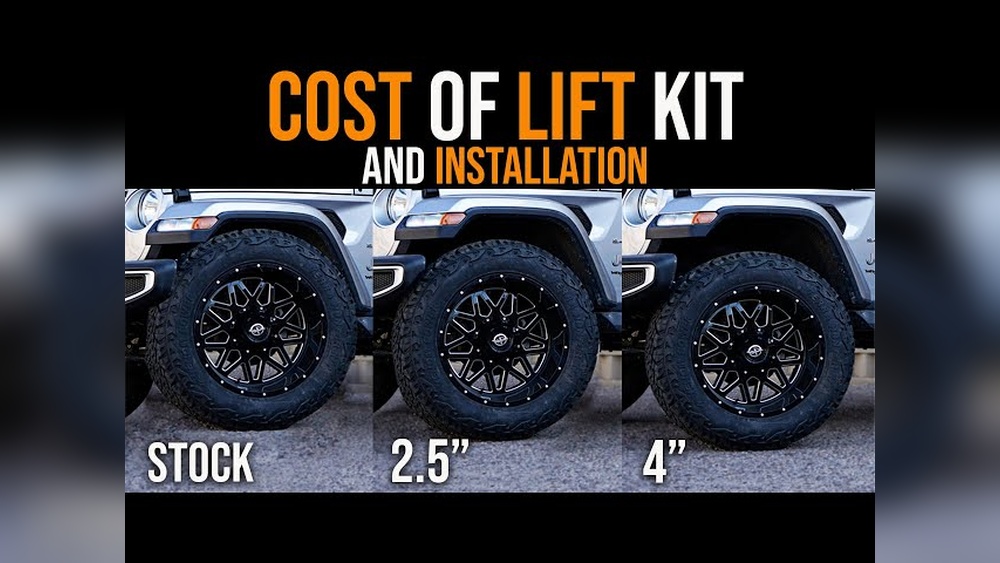
- Suspension Lift: A lift kit provides more clearance, allowing for larger tires without rubbing. However, the wheel’s offset and backspacing still play a significant role. A common recommendation for a 2.5-inch lift on a Jeep Wrangler JL is to run 35-inch tires on 17-inch wheels with a negative offset (e.g., -12mm to -24mm) to ensure adequate clearance.
3. Load Rating: Essential For Heavy Duty Use
Jeeps, especially those used for off-roading or carrying heavy loads, require wheels with a sufficient load rating. This indicates the maximum weight each wheel can safely support. Steel wheels generally have high load ratings, often exceeding those of many alloy wheels. Look for wheels with a load rating that significantly exceeds your Jeep’s Gross Vehicle Weight Rating (GVWR) divided by four. For example, if your Jeep’s GVWR is 5,000 lbs, you’d want wheels with a load rating of at least 1,250 lbs each, but it’s wise to aim higher for off-road use, perhaps 2,000 lbs or more per wheel, to provide a safety margin.
4. Finish And Coating: Durability Matters
While steel is inherently strong, its susceptibility to rust is a concern. The finish applied to the wheel plays a vital role in its longevity.
- Powder Coating: This is a popular and durable finish that involves applying a dry powder electrostatically and then curing it under heat. It creates a tough, attractive, and corrosion-resistant layer. Many high-quality steel wheels come with a robust powder coat finish.
- Painted Finishes: Basic painted finishes are also common. While they can look good, they might be less resistant to chipping and scratching than powder coating.
- E-Coating: This is an electro-deposition coating process that provides excellent corrosion resistance, often used as a primer or base coat before other finishes are applied.
When choosing, look for wheels with a thick, high-quality coating. Even with the best finish, regular cleaning and occasional touch-ups will be necessary to prevent rust, especially after off-road excursions.
5. Brand Reputation And Reviews
As with any automotive part, sticking with reputable brands can save you headaches down the line. Brands known for producing quality Jeep accessories often have a track record of durability and customer satisfaction.
Look for reviews from other Jeep owners who have used the specific wheels you're considering, especially those who use their Jeeps in similar conditions to yours.
Popular Steel Wheel Styles For Jeeps
While steel wheels are generally simpler in design, there are still distinct styles that have become popular among Jeep owners.
The Classic “wagon Wheel” Style
This is perhaps the most iconic steel wheel design. It features a simple, circular opening with a few smaller openings around the perimeter, resembling an old wagon wheel.
It’s a timeless look that’s hard to beat for a classic Jeep aesthetic.
These are often available in black or silver.
The “steel D-window” Style
Similar to the wagon wheel but with larger, more prominent rectangular or D-shaped openings. This design offers a slightly more aggressive look while maintaining the rugged simplicity of steel.
It’s another very popular choice for off-road Jeeps.
Basic Multi-spoke Designs
Some steel wheels incorporate more spokes, often in a simple, robust pattern. These can offer a bit more visual interest than the wagon wheel while still being incredibly strong and relatively inexpensive.
Popular Steel Wheel Brands For Jeep
Several manufacturers are well-regarded for their steel Jeep wheels. While specific models change, these brands consistently offer quality options:
- Pro Comp: Known for their durable off-road components, Pro Comp offers a range of steel wheels designed for rugged use. They often feature high load ratings and tough finishes.
- Rugged Ridge: This brand focuses on Jeep accessories and provides various steel wheel options, often with classic styling and good value.
- Steelies (Generic/OEM): Many Jeeps come from the factory with steel wheels. While not aftermarket, these are a direct and often affordable replacement option if you want to stick with the original look and feel. You can also find generic aftermarket steel wheels that mimic OEM designs.
- Vision Wheel: Vision offers a variety of wheel styles, including several affordable and durable steel options that are popular among Jeep owners.
Comparing Steel Vs. Alloy Wheels For Jeep
To make an informed decision, it’s helpful to compare steel wheels directly with their alloy counterparts.
| Feature | Steel Wheels | Alloy Wheels |
|---|---|---|
| **Durability** | Excellent resistance to impact, can bend | Can be brittle, prone to cracking/shattering |
| **Weight** | Heavier | Lighter |
| **Cost** | More affordable | More expensive |
| **Repairability** | Easier to repair trail damage (hammer out) | Often requires professional repair or replacement |
| **Corrosion** | Susceptible to rust if coating is damaged | Generally more resistant to corrosion |
| **Design** | Limited, classic/rugged styles | Wide variety of intricate designs and finishes |
| **Performance** | Can negatively impact fuel economy/handling | Can improve fuel economy/handling due to weight |
In my experience, if your primary focus is extreme off-roading where trail damage is a high probability, and you value cost-effectiveness and simplicity, steel wheels are often the superior choice. If on-road performance, weight savings, and a wider range of aesthetic options are more important