The Ultimate Guide To Lifted Jeep Wrangler Power Wheels For Kids
Jeep Wrangler Power Wheels are a classic toy for many children, offering them a chance to explore their imaginations and feel like they're driving their own adventure vehicle. But what happens when you want to take that adventure to the next level?
Enter the lifted Jeep Wrangler Power Wheels. These modified ride-on toys bring the rugged, off-road look and feel of a lifted Jeep to a child-sized package, promising even more excitement and imaginative play.
A lifted Jeep Wrangler isn't just about looks; it’s about capability. For real Jeeps, lifting them creates more ground clearance, allowing them to tackle tougher terrain, fit larger tires, and generally enhance their off-road prowess.
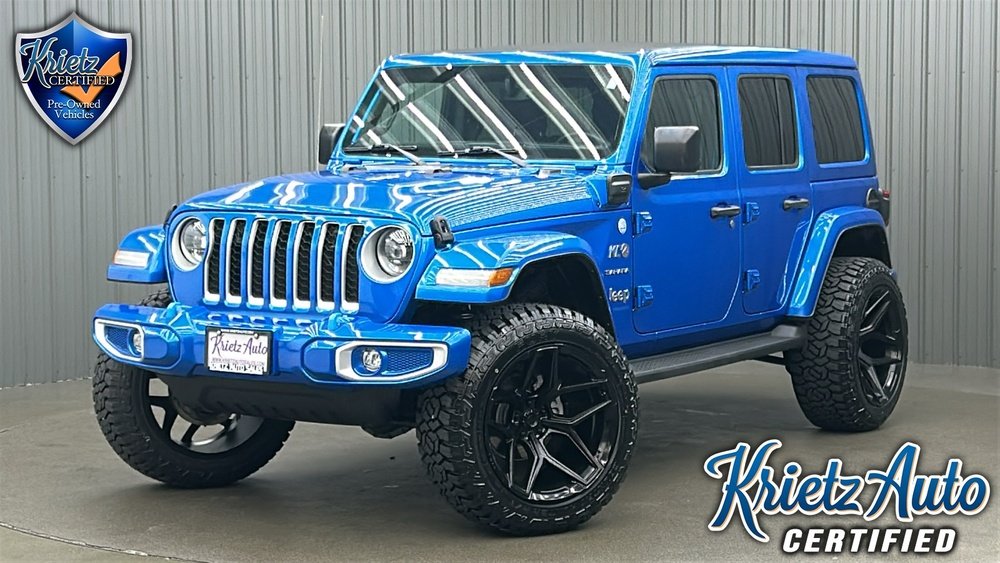
When applied to a Power Wheels, the concept translates into a toy that *looks* more adventurous, inspiring more dynamic play scenarios.
Kids can imagine conquering rocky trails, mud puddles, and steep inclines, all from the safety of their backyard.
This guide will explore everything you need to know about lifted Jeep Wrangler Power Wheels. We'll cover what makes them special, how they are typically modified, what to look for when buying or building one, and important safety considerations.
Whether you're a parent looking for the ultimate ride-on toy for your child or a hobbyist interested in customizing, this guide aims to provide comprehensive information to help you understand and appreciate these fun, adventurous toys.
What Makes A Lifted Jeep Wrangler Power Wheels Stand Out?
The core appeal of a lifted Jeep Wrangler Power Wheels lies in its enhanced aesthetic and perceived capability. While a standard Power Wheels Jeep Wrangler already captures the iconic look of its full-sized counterpart, the “lifted” version takes this a step further.
The Visual Impact Of A Lift
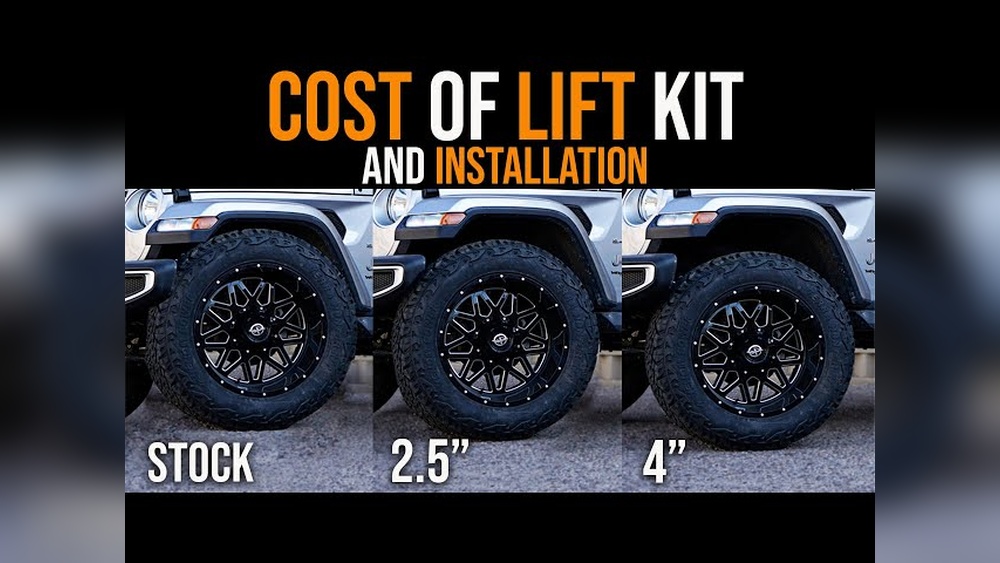
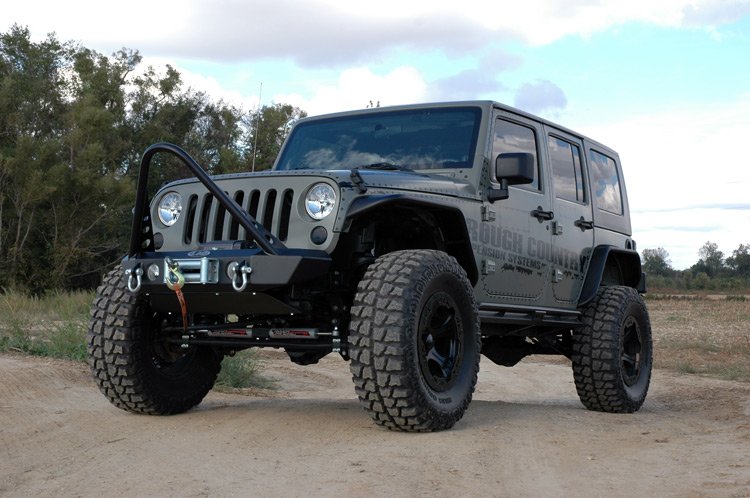
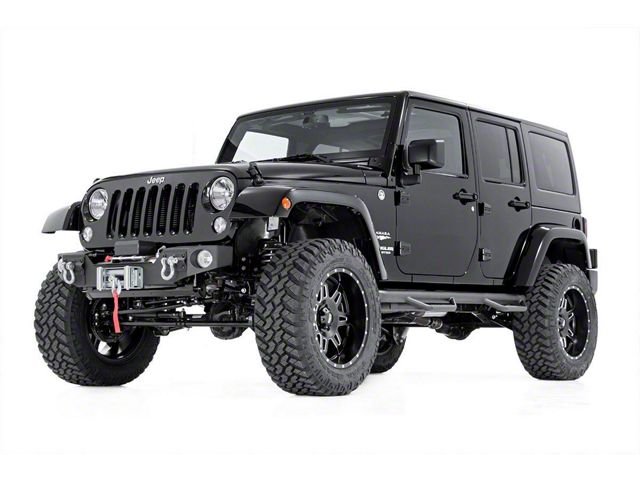
The most obvious change is the increased ride height. This is typically achieved by modifying the suspension or axle components. The result is a toy that sits noticeably higher off the ground. This visual cue immediately signals that the vehicle is more robust and ready for adventure. It mimics the aggressive stance of a lifted off-road vehicle, which is a significant part of the appeal for both kids and parents who appreciate Jeep culture.
Bigger Tires And Wheels
Often, a lifted Power Wheels will also feature larger, more aggressive-looking tires. These might be solid rubber or plastic tires with deeper treads, designed to look like off-road tires. While these might not offer significantly more traction on actual rough terrain (as the toy is still electric and plastic), they contribute greatly to the overall rugged appearance. The combination of a lifted body and larger tires creates a powerful visual statement.
Enhanced Imaginative Play
For children, the visual cues are incredibly important for imaginative play. A lifted Jeep Wrangler Power Wheels instantly suggests a vehicle that can go where standard toys cannot. This encourages kids to create stories and scenarios involving challenging environments. They might imagine their Power Wheels crawling over rocks, splashing through mud, or exploring a pretend jungle. The “lift” transforms a simple ride-on toy into a heroic adventure machine in a child’s mind.
Customization Potential
The concept of “lifting” a Power Wheels also opens the door to extensive customization. Beyond the lift and tires, owners might add other accessories like faux roll cages, LED light bars, realistic decals, or even sound effects. This allows for a truly personalized toy that reflects the owner’s imagination and preferences.
How Lifted Jeep Wrangler Power Wheels Are Made
Creating a lifted Jeep Wrangler Power Wheels usually involves modifying a standard Power Wheels model. These modifications can range from simple aesthetic changes to more involved mechanical adjustments.
Common Modification Methods
- Suspension Spacers: The most common method for lifting is by adding spacers between the body of the Power Wheels and its frame or axles. These spacers are typically made from durable plastic or even 3D-printed materials. They effectively push the body upwards, creating the lifted appearance. This method is relatively straightforward and doesn’t usually require significant alteration of the Power Wheels’ internal mechanics.
- Larger Wheels and Tires: While not strictly a “lift,” fitting larger diameter wheels and tires can also raise the vehicle’s ground clearance and significantly alter its appearance. This often requires ensuring the new wheels and tires have the correct axle fitment and that they don’t rub excessively against the Power Wheels’ body when turning or under load. Sometimes, minor adjustments to the bodywork might be needed to accommodate larger tires.
- Axle Modifications: In more advanced modifications, the axles themselves might be altered or replaced with custom components to achieve a higher ride height. This is less common for typical DIY projects due to the complexity involved.
- Body Modifications: Sometimes, the plastic body of the Power Wheels might be cut or reshaped to allow for larger tires or to achieve a specific aesthetic. This requires careful planning and execution to maintain structural integrity and a clean look.
Diy Vs. Pre-modified
Lifted Jeep Wrangler Power Wheels can be found for sale as pre-modified units, often by custom shops or individuals. Alternatively, many parents and hobbyists choose to build their own.
- DIY Approach: This allows for complete control over the design and modifications. It can be a rewarding project for those with some crafting or DIY skills. Online communities and forums dedicated to Power Wheels customization offer a wealth of information, tutorials, and inspiration. Materials for spacers and custom parts can often be sourced from hardware stores or fabricated using 3D printing.
- Purchasing Pre-Modified: For those who prefer a ready-made solution, purchasing a pre-lifted Power Wheels can be an option. However, these can be more expensive, and the specific modifications might not always match your exact preferences. It’s important to ensure the quality of the modifications and the overall safety of the unit.
Essential Tools And Materials For Diy Lifting
If you’re considering a DIY project, here are some common tools and materials you might need:
- Basic Hand Tools: Screwdrivers, wrenches, pliers.
- Cutting Tools: A utility knife or Dremel tool for potential body modifications.
- Drill: For creating mounting holes for spacers.
- Materials for Spacers: Durable plastic sheets (like HDPE or ABS), PVC pipes, or 3D-printed parts.
- Larger Wheels/Tires: If upgrading tires.
- Fasteners: Bolts, nuts, and washers appropriate for the materials used.
- Safety Gear: Gloves, eye protection.
Popular Lifted Jeep Wrangler Power Wheels Models And Features
While there isn’t a single “official” lifted Jeep Wrangler Power Wheels model from the manufacturer, the customization possibilities mean you can find various interpretations. Many standard Power Wheels Jeep Wrangler models serve as the base for these modifications.
Common Base Models
The most frequently modified Power Wheels models that resemble a Jeep Wrangler include:
- Jeep Wrangler Power Wheels: This is the most direct inspiration, often featuring a two-door or four-door body style that mimics the real Jeep Wrangler.
- Jeep Rubicon Power Wheels: Some models are specifically branded as “Rubicon,” implying a more off-road-ready version, making them ideal candidates for lifting.
Key Features To Look For
When considering a lifted Jeep Wrangler Power Wheels, whether you’re buying or building, focus on these key features:
- Ride Height: How much has the vehicle been lifted? A moderate lift (e.g., 2-4 inches in scale) often provides a good balance between aesthetics and practicality. Too high a lift can make the vehicle unstable.
- Tire Size and Tread: Look for tires that appear proportionate to the lifted body. Aggressive tread patterns enhance the off-road look. Ensure the tires are securely mounted and don’t rub excessively.
- Durability of Modifications: If buying pre-modified, check how the lift was achieved. Are the spacers sturdy? Are the tires well-attached? Are there any signs of stress on the plastic body or frame?
- Power System: Standard Power Wheels typically have 6V or 12V systems. Some enthusiasts upgrade these for more speed and power, especially if larger tires are added. For younger children, a standard 6V or 12V system is usually sufficient and safer.
- Safety Features: Ensure the Power Wheels still has its original safety features, such as a seatbelt, a speed lock (if applicable), and a sturdy build. Modifications should not compromise these aspects.
- Aesthetic Details: Beyond the lift, consider details like paint quality, decals, and any added accessories like light bars or brush guards that enhance the overall look.
Example Of A Custom Build Concept
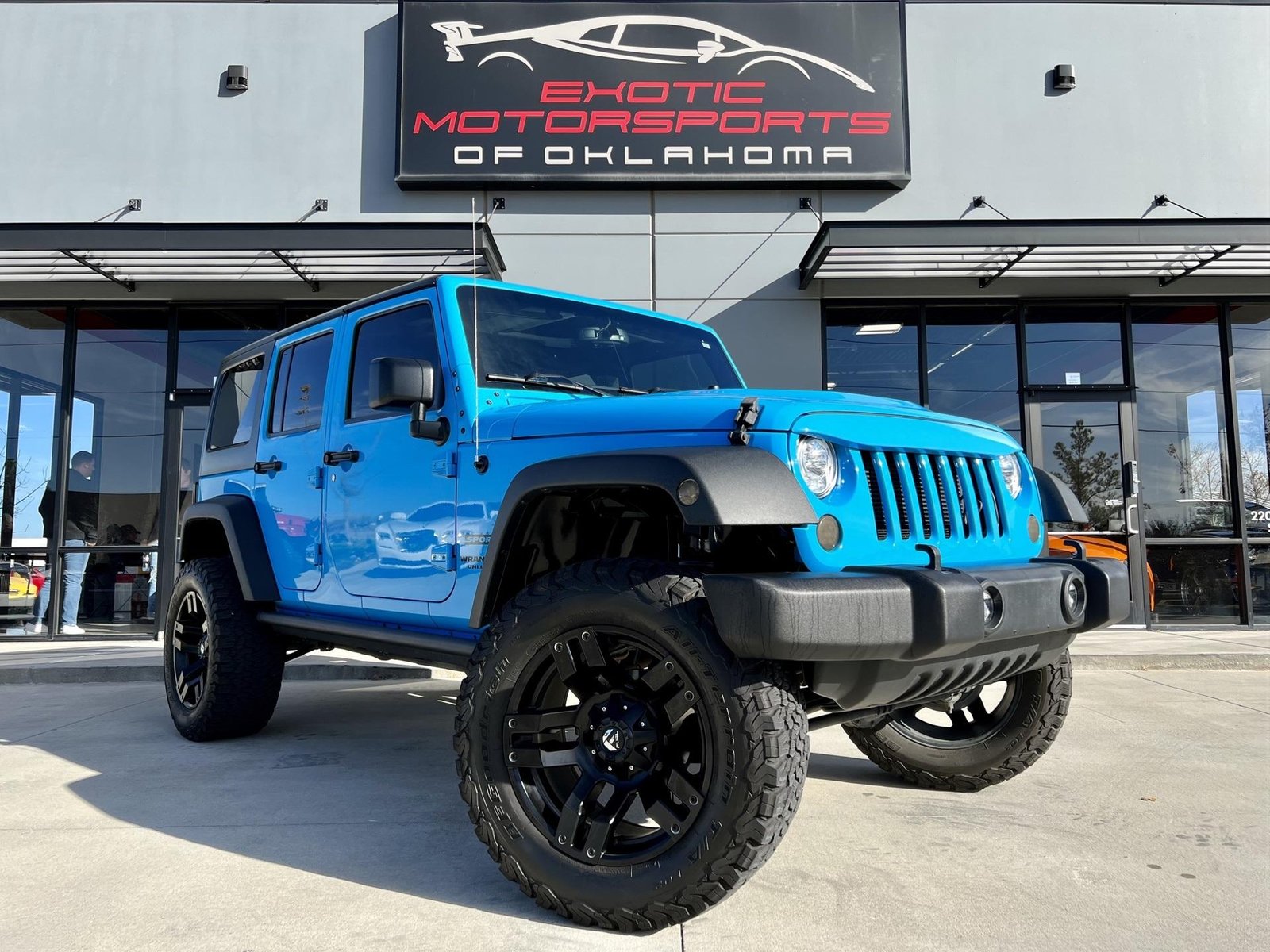
Imagine a Jeep Wrangler Rubicon Power Wheels that has been lifted by 3 inches using custom-made HDPE spacers. It’s fitted with oversized, knobby tires that give it a menacing stance. A faux roll cage made from PVC pipe has been added for extra visual ruggedness. The paint is a matte military green, complemented by blacked-out wheels and custom-designed “Rubicon Trail Rated” decals. The headlights and taillights might have protective ‘grilles’ made from mesh. This type of build prioritizes the iconic lifted Jeep aesthetic for maximum imaginative play.
Performance And Durability Considerations
When you lift a Power Wheels, you’re not just changing its appearance; you’re also potentially impacting its performance and durability. Understanding these aspects is crucial for both enjoyment and safety.
Impact On Speed And Torque
- Larger Tires: Fitting larger, heavier tires increases the rotational mass the motor has to spin. This can lead to a reduction in acceleration and top speed. The motors have to work harder, which might also reduce run time on a single charge.
- Increased Friction/Drag: If larger tires rub against the body or if the lift isn’t perfectly aligned, it can create extra friction, further slowing down the vehicle and putting more strain on the motors and gearbox.
- Weight: While Power Wheels are relatively light, any added weight from modifications (like a faux roll cage or more robust spacers) can also slightly reduce performance.
Battery Life And Motor Strain
The motors in Power Wheels are designed for specific loads. Adding larger tires and increasing the vehicle’s height can mean the motors are constantly operating under increased strain. This can lead to:
- Reduced Battery Life: The motors draw more power to overcome the increased resistance, leading to shorter playtimes per charge.
- Overheating: In extreme cases, especially during prolonged use or on inclines, the motors might overheat, potentially leading to damage.
- Gearbox Wear: The plastic gearboxes within Power Wheels are a common point of failure. Increased strain from larger tires and heavier loads can accelerate wear and tear, leading to stripped gears and a non-functional vehicle.
Durability Of Modified Components
The durability of a lifted Power Wheels depends heavily on the quality of the modifications:
- Spacers: If spacers are not properly secured or made from weak materials, they can break or detach, causing the body to sag or become unstable.
- Tires: Oversized tires might put stress on the plastic axles or mounting points. If not fitted correctly, they can wobble or even detach.
- Body Integrity: Cutting or modifying the plastic body can weaken it if not done carefully. Cracks can form, especially around stress points.
Maintaining Performance
To mitigate performance and durability issues:
- Choose Appropriate Tire Size: Don’t go excessively large. Aim for a size that offers an aesthetic improvement without drastically overloading the motors.
- Ensure Proper Alignment: Make sure the wheels and tires spin freely without rubbing.
- Consider Battery Upgrades: For extended play, consider using higher-capacity batteries (if compatible and safely installed).
- Regular Maintenance: Check all bolts, screws, and connections regularly. Inspect tires for wear and ensure they are securely mounted. Keep the motors and gearboxes clean.
- Supervise Play: Ensure children are not attempting to drive the Power Wheels over excessively rough terrain or steep inclines that could strain the components.
Safety First: Important Considerations For Lifted Power Wheels
Safety is paramount when it comes to any children’s toy, and modified ride-on vehicles require extra attention. While the “lift” itself might seem like a minor cosmetic change, it can have implications for stability and how the toy is used.
Stability And Rollover Risk
- Higher Center of Gravity: Lifting a vehicle raises its center of gravity. This means a lifted Power Wheels could be more prone to tipping over, especially during sharp turns or on uneven surfaces.
- Surface Choice: It’s crucial to ensure children play with lifted Power Wheels on flat, smooth surfaces. Avoid inclines, ditches, or areas with large obstacles that could cause the toy to become unstable.
- Speed: If the Power Wheels has been modified for increased speed, the risk of tipping increases significantly. Always ensure the speed is appropriate for the child’s age and skill level, and for the play environment.
Age Appropriateness And Supervision
- Age Recommendations: Always adhere to the manufacturer’s recommended age range for the base Power Wheels model. Modifications should not make the toy suitable for younger children.
- Constant Supervision: Adult supervision is essential at all times when children are playing with any Power Wheels, especially modified ones. An adult should be present to intervene if the child gets into a difficult situation or if the toy appears unstable.
Secure Modifications
- Quality of Workmanship: If you’ve purchased a pre-modified unit or are building one yourself, ensure all modifications are securely fastened. Loose parts can break off and become hazards. Spacers, bolts, and tires should be checked regularly for tightness.
- No Sharp Edges: Any cutting or modification to the plastic body should result in smooth, rounded edges to prevent cuts or scrapes.
Battery Safety
- Correct Chargers: Always use the charger specifically designed for the Power Wheels’ battery.
- Battery Condition: Inspect the battery regularly for any signs of damage, swelling, or leaking. Damaged batteries should be replaced immediately and disposed of properly.
- Charging Environment: Charge batteries in a well-ventilated area, away from flammable materials.
Electrical System Integrity
- Water Resistance: Power Wheels are generally not designed for heavy water use. Modifications should not compromise any existing water-resistant seals. Avoid playing in puddles or wet conditions unless the specific model is designed for it.
- Wiring: Ensure all electrical connections are secure and insulated. Exposed wires can be a shock hazard.
Enhancing The Lifted Jeep Wrangler Power Wheels Experience
Beyond the lift and tires, several other enhancements can make a lifted Jeep Wrangler Power Wheels even more fun and engaging for kids. These additions focus on aesthetics, sound, and interactive elements.
Lighting Up The Adventure
- LED Light Bars: A popular addition is a faux LED light bar mounted on the roof or windshield. While these are typically powered by small batteries and don’t offer significant illumination, they add a realistic