Supercharge Playtime: A Deep Dive Into Lifted Jeep Wrangler Power Wheels
For many kids, the dream of off-roading starts early. The rugged, adventurous spirit of a Jeep Wrangler is particularly captivating.
When you combine that iconic look with the thrill of a Power Wheels ride-on vehicle, you create an unforgettable experience. But what happens when you take a standard Power Wheels Jeep Wrangler and give it a lift kit?
You get a lifted Jeep Wrangler Power Wheels, a souped-up version that promises even more adventure, more style, and more fun for young drivers. This isn't just about aesthetics; a lifted Power Wheels can offer enhanced performance on various terrains and a more commanding presence.
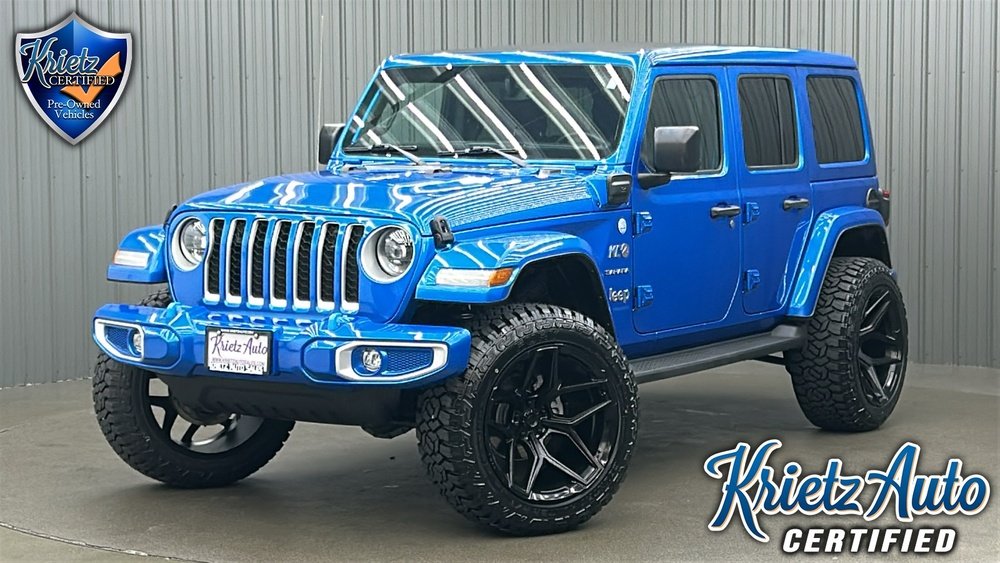
These modified ride-on toys have become a popular project for parents and enthusiasts looking to go beyond the factory look. They represent a blend of creativity, DIY spirit, and a desire to give children a more exciting and personalized play experience.
Whether it’s for a birthday, a special project, or just for the sheer joy of building something unique, a lifted Jeep Wrangler Power Wheels stands out. This article will explore what makes these vehicles so special, how they are modified, the benefits they offer, and what you need to consider if you’re thinking of getting one or building your own.
The Allure Of The Lifted Jeep Wrangler Power Wheels
The standard Power Wheels Jeep Wrangler is already a hit. It captures the essence of the real Jeep with its open-air design, sturdy build, and often, realistic features like doors that open and a working steering wheel. However, the lifted version takes this appeal to a new level.
What Makes It Special?
A lifted Jeep Wrangler Power Wheels is more than just a toy; it’s a statement. It’s about:
- Enhanced Aesthetics: The most obvious appeal is the look. A lifted vehicle instantly appears more aggressive, capable, and adventurous. The increased ground clearance gives it a more imposing stance, mimicking its full-sized counterparts.
- Improved Off-Road Capability: While still a toy, a lift kit can actually improve how the Power Wheels handles uneven surfaces. The extra height can help it clear small obstacles, like twigs or small rocks, that might otherwise get stuck under the chassis. This means smoother, more uninterrupted play on grass, gravel, or slightly bumpy terrain.
- Customization and Personalization: Building or owning a lifted Power Wheels is often a result of a desire to customize. It allows parents and kids to create a unique toy that reflects their personality and imagination. This can involve not just the lift but also paint jobs, decals, and other accessories.
- A Sense of Accomplishment: For those who build them, there’s a significant sense of pride. It’s a project that involves learning, problem-solving, and creating something tangible that brings joy.
The Power Wheels Jeep Wrangler Base Model
Before diving into modifications, it’s important to understand the base vehicle. Many Power Wheels Jeep Wranglers come with features like:
- Durable plastic construction: Built to withstand enthusiastic play.
- Rechargeable battery: Typically offering 30-60 minutes of playtime on a full charge.
- Realistic controls: Steering wheel, accelerator pedal.
- Weight limits: Usually designed for one or two children, with specific weight capacities.
- Speeds: Generally low, safe speeds, often around 2.5 to 5 mph.
Common models that serve as a base for lifting include the Jeep Wrangler Rubicon Power Wheels and other variations that capture the iconic Wrangler design. These models provide a solid foundation for modifications.

How To Lift A Power Wheels Jeep Wrangler
Modifying a Power Wheels vehicle involves a few key steps, primarily focused on increasing the ground clearance. This is usually achieved by altering the suspension or adding larger wheels. Here’s a breakdown of common methods:
1. Suspension Modifications
This is the most direct way to achieve a lift. It involves raising the body of the vehicle higher off the ground without necessarily changing the wheel size drastically.
- Adding Spacers: One common technique is to add spacers between the axle or suspension components and the vehicle’s chassis. These spacers can be made from various materials like thick plastic blocks, metal plates, or even sturdy PVC pipes. They effectively push the body up.
- Process: This often involves disassembling parts of the vehicle’s undercarriage, inserting the custom-made or purchased spacers, and reassembling. Care must be taken to ensure the spacers are strong enough and properly secured to handle the stress of movement and weight.
- Considerations: The length of the bolts might need to be extended, and the alignment of the wheels needs to be checked to avoid excessive tire wear or handling issues.
- Modifying Existing Suspension Components: Some DIYers might reinforce or alter the existing plastic suspension parts to achieve a slight lift. This is more advanced and requires a good understanding of mechanics.
2. Larger Wheels And Tires
Another popular and often simpler method is to replace the standard Power Wheels tires with larger ones. This not only increases the ground clearance but also changes the overall look significantly, giving it a more aggressive stance.
- Finding Compatible Wheels: This can be the trickiest part. Standard adult vehicle tires won’t fit. Enthusiasts often look for:
- Larger diameter Power Wheels tires: Sometimes available as replacements or from other Power Wheels models.
- Wheels from other ride-on toys: Larger, more rugged wheels from different brands might be adaptable.
- Custom solutions: Some builders might adapt wheels from small garden carts or other equipment, requiring custom hubs or adapters.
- Mounting and Fitment: Ensure the new wheels have the correct bolt pattern or can be securely mounted to the existing Power Wheels axles. Adapters might be necessary. The larger tires must also clear the fenders and body of the Jeep Wrangler. Minor trimming of the plastic body might be required.
3. Combination Approach
Many impressive lifted Power Wheels use a combination of both suspension modifications and larger wheels. This allows for a significant lift and a truly “super-duty” look.
Diy Considerations And Warnings
- Safety First: Always prioritize safety. Ensure all modifications are secure and won’t cause the vehicle to become unstable. Keep modified vehicles under close supervision.
- Material Strength: Use durable materials for spacers and any reinforced parts. Plastic can crack, and metal can rust if not properly treated.
- Battery Power: Larger tires and increased friction can put more strain on the Power Wheels’ motor and battery. Consider upgrading the battery or motor for better performance if significantly larger wheels are used.
- Torque-Steer: With more powerful motors or larger wheels, the steering can become harder to control. Ensure the steering mechanism is robust.
- Speed: While lifting might make it look faster, the actual speed might not change much unless the motor or gearing is also modified. Be aware of the Power Wheels’ limitations.
Performance Benefits Of A Lifted Power Wheels
Beyond the visual appeal, a lifted Jeep Wrangler Power Wheels can offer tangible benefits in terms of playability and performance, especially for kids who enjoy exploring different terrains.
- Grass and Uneven Ground: The increased ground clearance is most beneficial here. Small bumps, divots in the lawn, or even small sticks that would normally stop a standard Power Wheels can be easily rolled over. This leads to a smoother, more continuous play experience.
- Gravel and Dirt Paths: The higher ride height helps prevent the undercarriage from scraping on loose gravel or small stones. It can make traversing slightly rougher paths more enjoyable and less jarring.
- Small Obstacles: Think of small curbs, tree roots, or decorative rocks in a garden. A lifted Power Wheels is better equipped to clear these minor obstacles without getting high-centered or stuck.
Stability And Handling
While counter-intuitive, a well-executed lift, especially when combined with wider tires, can sometimes improve stability on uneven surfaces. The increased height allows the suspension (even the simple plastic kind) more room to articulate, potentially keeping more wheels on the ground.
However, a poorly done lift can make the vehicle top-heavy and less stable.
Enhanced Traction
Larger, more aggressive tires, often part of a lifted build, can provide better traction on surfaces like grass, mud, or sand compared to the standard, often slick plastic tires. This means less spinning and more forward momentum.
The Psychological Boost For Kids
There’s an undeniable psychological benefit for children. Driving a vehicle that looks tough and capable can boost their confidence and imagination. It feels more like a “real” off-road adventure, encouraging imaginative play and storytelling.
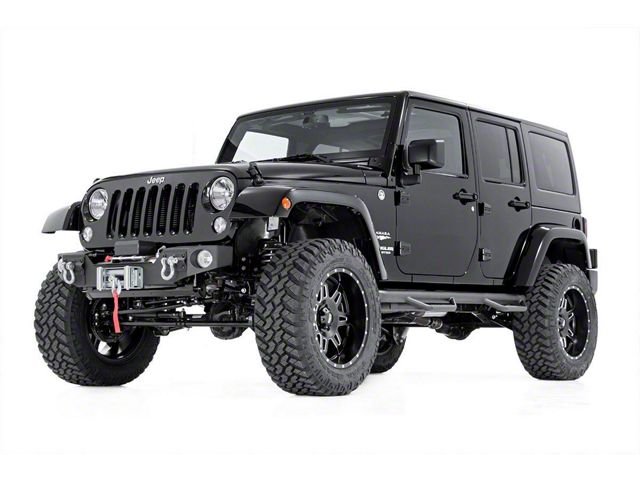
Essential Components For A Lifted Build
If you’re planning to build your own lifted Power Wheels Jeep Wrangler, or want to understand what goes into one, here are the key components and considerations:
1. The Base Power Wheels Jeep Wrangler
As mentioned, starting with a good model is crucial. Look for models with a sturdy frame and accessible suspension/axle points. The Jeep Wrangler Power Wheels is a popular choice due to its iconic design.
2. Lift Kit Components (diy Or Purchased)
- Spacers: These are the core of a suspension lift. They can be made from:
- HDPE (High-Density Polyethylene) or Delrin: Durable plastics that resist cracking and wear.
- Aluminum or Steel: For maximum strength, though they add weight and require proper finishing to prevent rust.
- Thick Rubber Bushings: Can offer some shock absorption but might be less durable for significant lifts.
- Extended Hardware: Longer bolts, nuts, and washers are often needed to accommodate the added thickness of the spacers. Stainless steel is recommended for durability and rust resistance.
3. Larger Wheels And Tires
- Diameter: Aim for tires that are 1-3 inches larger in diameter than the stock ones. Going too large can cause excessive strain on the motor and drivetrain.
- Tread Pattern: Look for tires with a more aggressive tread for better grip on various surfaces. Knobby tires designed for lawnmowers or small ATVs might be adaptable, but require careful measurement and potentially custom mounting.
- Hub Adapters: If the bolt pattern of aftermarket wheels doesn’t match the Power Wheels axle, custom hub adapters might be necessary. This is an advanced modification.
4. Potential Upgrades
- Battery: A higher-capacity battery (e.g., a 12V to 18V upgrade, or even a 24V system if the motors can handle it) can provide more power and longer run times, especially with larger tires. Warning: Always ensure motor compatibility before upgrading voltage. Over-volting can burn out motors.
- Motors: For a significant performance boost, especially if you’re adding heavy tires or planning to carry heavier loads (older kids), upgrading the motors might be considered. This is a complex modification.
- Gearing: Changing the gear ratio can affect speed and torque. Lower gearing provides more torque (better for climbing and rough terrain) but reduces top speed. Higher gearing increases top speed but reduces torque.
5. Tools And Materials
- Basic Hand Tools: Socket set, wrenches, screwdrivers.
- Drill and Drill Bits: For creating mounting holes if needed.
- Cutting Tools: Dremel or utility knife for trimming plastic if larger tires rub.
- Measuring Tools: Tape measure, calipers for precise measurements.
- Safety Gear: Gloves, eye protection.
Popular Lifted Jeep Wrangler Power Wheels Builds And Examples
Seeing what others have done can be incredibly inspiring. Many parents and hobbyists share their projects online, showcasing creative solutions and impressive results.
Example 1: The Simple Spacer Lift
A common approach involves using simple blocks of high-density plastic or even metal plates as spacers between the axle mounting points and the Jeep’s frame. This might lift the vehicle by 1-2 inches. Often paired with slightly larger tires from another Power Wheels model or a compatible toy. This yields a noticeable lift without drastically altering the vehicle’s balance or overwhelming the stock motor.
Example 2: The “bigfoot” Build
This type involves significantly larger wheels, often sourced from small ride-on ATVs or custom-made. To accommodate these, a substantial lift is usually required, sometimes involving custom fabricated brackets or extending the suspension arms.
These builds often look very imposing and are designed for maximum visual impact and capability on rougher backyard terrain.
They almost always require motor and battery upgrades to perform adequately.
Example 3: The Aesthetic Lift
Sometimes, the lift is primarily for looks. This might involve adding just enough height to clear slightly larger tires, focusing on achieving the "stance" of a lifted Jeep without necessarily optimizing for extreme off-road performance.
Decals, custom paint jobs, and added accessories like LED light bars are common on these builds.
What To Look For In Online Builds:
- Clear Documentation: Projects that show step-by-step photos or detailed descriptions are most helpful.
- Material Choices: Understanding what materials were used for spacers and how they held up is key.
- Wheel Fitment: How did they manage to fit larger wheels? Did they need adapters? Did they trim the body?
- Performance Feedback: Did the lift improve performance? What were the trade-offs (e.g., battery life, speed)?
You can find many examples on platforms like YouTube, Reddit (in DIY or Power Wheels enthusiast communities), and dedicated toy modification forums. Searching for terms like “Power Wheels lifted Jeep Wrangler build” or “DIY Power Wheels lift kit” will yield numerous results.
Key Considerations Before You Buy Or Build
Embarking on a lifted Power Wheels project requires careful thought. It’s not just about slapping on some bigger tires. Here are crucial points to consider:
1. Age And Size Of The Child
- Height Requirements: Ensure the lifted vehicle is still comfortable and safe for the intended driver. If the seat height becomes too much, the child might struggle to reach the pedals or feel secure.
- Weight Capacity: Lifting and adding larger tires can sometimes increase the stress on the motor and drivetrain. Be mindful of the Power Wheels’ original weight limit and avoid overloading it, especially if you haven’t upgraded the motor.
2. Intended Use And Terrain
- Yard Conditions: Is the play area mostly flat grass, or does it have hills, gravel, or small obstacles? A lift is more beneficial for varied terrain.
- Durability Needs: If the child is particularly rough on toys, ensure the modifications are robust and securely fastened.
3. Budget
- Base Vehicle Cost: A new Power Wheels Jeep Wrangler can range from $200 to $400+.
- Modification Costs: DIY materials might be inexpensive (a few dollars for PVC or basic hardware), but custom parts, larger tires, or