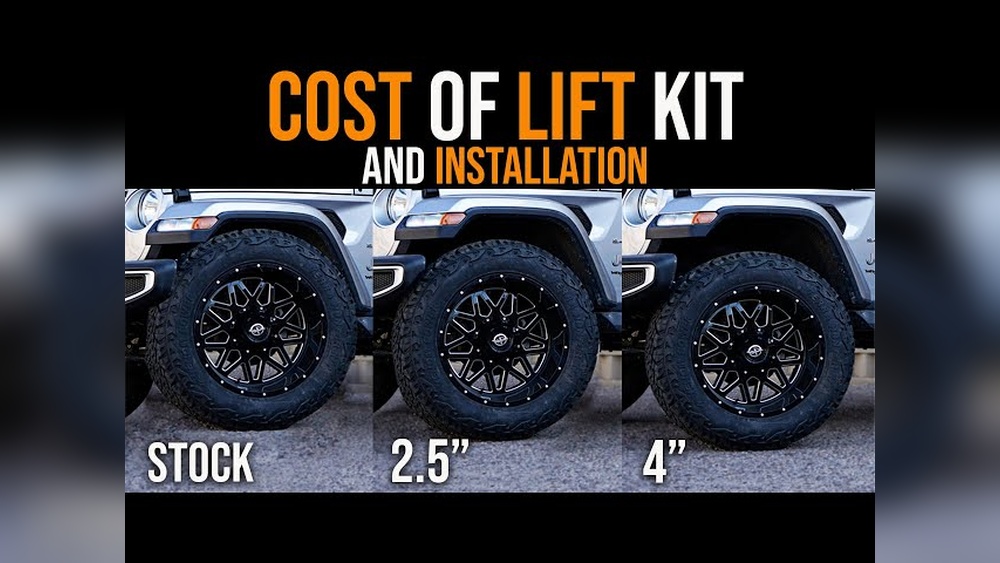
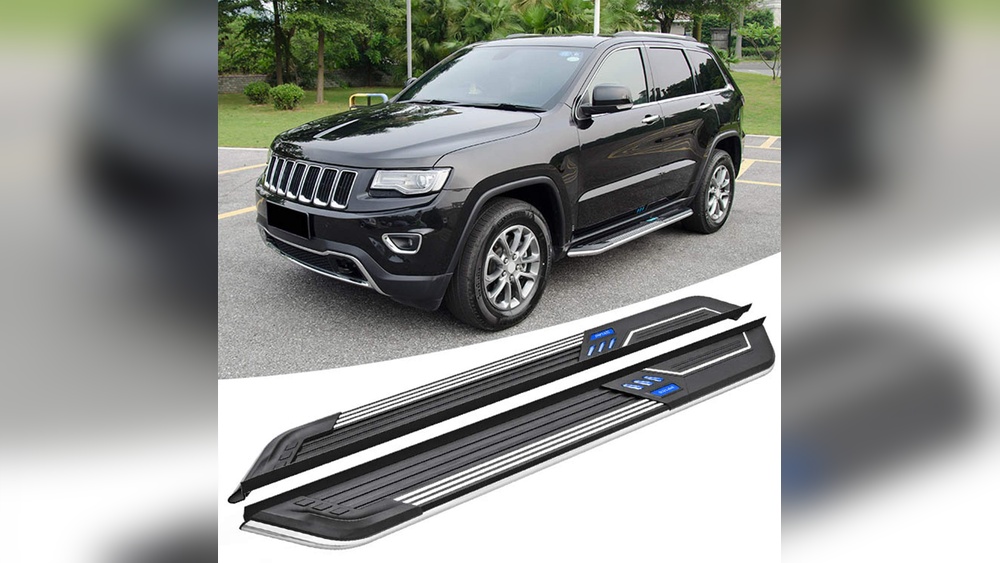
Installing a lift kit on a 2004 Jeep Grand Cherokee Laredo can dramatically change its appearance and off-road capability. This modification raises the vehicle's body and suspension, providing more ground clearance for larger tires and improved performance on rough terrain.
For owners looking to give their Grand Cherokee a more aggressive stance or prepare it for serious trail use, understanding the options and installation process is key.
The 2004 Jeep Grand Cherokee Laredo, part of the WJ generation (1999-2004), is a popular choice for modifications due to its robust platform and aftermarket support. When considering a lift kit, there are several factors to weigh, including the desired amount of lift, the type of suspension components involved, and how the vehicle will be used.
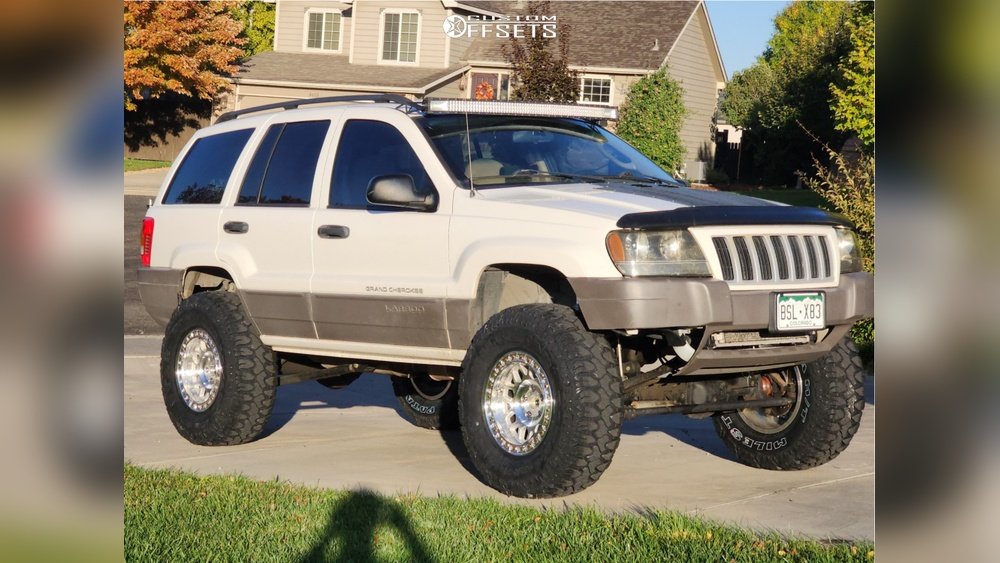
Whether you’re aiming for a mild aesthetic upgrade or a significant off-road transformation, the right lift kit can make a substantial difference. This guide will explore the various aspects of choosing and installing a lift kit for your 2004 Jeep Grand Cherokee Laredo, ensuring you make informed decisions for your specific needs.
Understanding Lift Kit Types For Your 2004 Jeep Grand Cherokee Laredo
Lift kits for the 2004 Jeep Grand Cherokee Laredo generally fall into a few main categories, each offering different benefits and installation complexities. The primary goal of any lift kit is to increase the distance between the vehicle’s frame and the ground, allowing for taller tires and better clearance over obstacles.
However, the method used to achieve this lift varies, impacting ride quality, handling, and off-road performance.
Suspension Lift Kits
Suspension lift kits are the most common and comprehensive way to lift a vehicle. They work by replacing or modifying the factory suspension components to achieve a higher ride height.
For the 2004 Grand Cherokee Laredo, these kits typically involve components that alter the geometry of the suspension system.
- Coil Spring Spacers: These are often the simplest and most affordable way to gain a small amount of lift, typically 1-3 inches. Spacers are installed above or below the existing coil springs. They are relatively easy to install and do not significantly alter the suspension’s existing ride characteristics. However, they can sometimes lead to a harsher ride if the suspension is compressed too much.
- Complete Coil Spring Replacement: This method involves replacing the factory coil springs with taller, stiffer aftermarket springs. This provides a more consistent and often improved ride quality compared to spacers, especially when carrying extra weight or off-roading. Taller springs allow for more suspension travel and better articulation.
- Adjustable Control Arms: As you lift a Jeep, the angles of the suspension components change. To correct these angles and restore proper alignment and suspension geometry, adjustable control arms are often necessary, especially for lifts exceeding 3 inches. These arms allow for precise adjustments to the caster and pinion angles, which are crucial for steering stability and drivetrain longevity.
- Shocks and Struts: Most suspension lift kits include or recommend upgraded shocks and struts. These are designed to work with the taller springs and provide better damping and control for the increased suspension travel. Longer shocks are needed to accommodate the raised suspension without topping out.
Body Lift Kits
Body lift kits raise the vehicle’s body off the frame, creating space to fit larger tires without altering the suspension’s original geometry. For the 2004 Grand Cherokee Laredo, these kits typically consist of polyurethane or aluminum pucks that are placed between the body and the frame rails.
- Simplicity and Cost: Body lifts are generally less expensive and simpler to install than full suspension lifts. They don’t affect the vehicle’s on-road handling or suspension performance as much as suspension lifts.
- Tire Clearance: The main benefit is the ability to clear larger tires. A body lift provides clearance without changing the suspension’s spring rate or shock damping, so the ride quality can remain very similar to stock.
- Limitations: Body lifts do not increase ground clearance under the axles, which is where it matters most for off-roading. They also can create gaps between the body and frame, which some find aesthetically unappealing. Additionally, modifications to steering shafts, shifters, and fuel filler necks may be required depending on the kit’s height.
Combination Lift Kits
Many enthusiasts opt for a combination of suspension and body lifts to achieve significant height while maintaining a balance between off-road capability and on-road manners. For instance, a 3-inch suspension lift combined with a 1-inch body lift can allow for the fitment of larger tires and provide substantial ground clearance without excessively compromising the vehicle’s driving characteristics.
Key Considerations When Choosing A Lift Kit
Selecting the right lift kit for your 2004 Jeep Grand Cherokee Laredo involves more than just picking a height. Several crucial factors influence the decision, ensuring the kit meets your expectations for performance, durability, and aesthetics.
Desired Lift Height
The most obvious factor is how much you want to lift your Jeep. Lift heights commonly range from 1. 5 inches to 4 inches or more.
- 1.5″ to 2.5″ Lift: This is a popular range for mild upgrades. It allows for fitting slightly larger tires (e.g., 31-32 inches) without major modifications. This level of lift offers a noticeable aesthetic improvement and some increased ground clearance for light off-roading. It generally has minimal impact on daily driving characteristics.
- 3″ to 4″ Lift: This range provides a more aggressive stance and significantly increases off-road capability. It allows for fitting larger tires (e.g., 33-35 inches) and offers much better clearance over rocks and obstacles. However, lifts in this range often require additional components like adjustable control arms, longer brake lines, and potentially a transfer case drop to correct suspension geometry and drivetrain angles. Ride quality can be affected if not properly set up.
- 5″+ Lift: Lifts of this magnitude are for serious off-road enthusiasts. They require extensive modifications, including potentially custom suspension components, extended brake lines, longer shocks, and significant adjustments to drivetrain angles. On-road driving dynamics will be noticeably altered, and tire wear can increase.
Tire Size And Fitment
A primary reason for lifting a Jeep is to accommodate larger tires. The lift height directly correlates with the maximum tire size you can fit.
- Stock Tires: Typically around 28-30 inches.
- 1.5″ – 2.5″ Lift: Can usually accommodate tires up to 31-32 inches with minimal or no rubbing.
- 3″ – 4″ Lift: Can typically fit tires up to 33-35 inches, though some trimming of fenders or bumpers might be needed for 35-inch tires, especially during suspension compression.
- 5″+ Lift: Allows for tires 37 inches and larger, often requiring fender modifications, potential re-gearing of axles, and significant suspension adjustments.
It’s important to consider not just the tire diameter but also the tire width, as wider tires can rub on suspension components or fenders more easily.
Intended Use
How you plan to use your Grand Cherokee is a critical factor.
- Daily Driver with Occasional Light Trails: A mild lift (1.5″-2.5″) with spacers or new springs and improved shocks is usually sufficient. The focus is on aesthetics and minor capability improvements without sacrificing comfort.
- Weekend Off-Roader: A 3″ to 4″ lift kit with upgraded control arms, shocks, and possibly sway bar disconnects would be more appropriate. This setup balances on-road drivability with robust off-road performance.
- Serious Rock Crawler or Expedition Vehicle: Higher lifts combined with extensive suspension modifications, stronger axles, and advanced drivetrain components are necessary. This is a more specialized build that significantly impacts daily usability.
Ride Quality And Handling
Lift kits can affect your Jeep’s ride quality and on-road handling.
- Suspension Lifts: Can improve ride quality if high-quality springs and shocks are used. However, improper installation or components can lead to a harsher ride or decreased stability.
- Body Lifts: Generally have the least impact on ride quality as they don’t alter the suspension’s mechanical properties.
- Alignment: Any lift over 2 inches will likely require a professional alignment to ensure proper steering and tire wear. Lifts above 3 inches often necessitate adjustable control arms to correct caster angles for optimal steering feel and stability.
Budget
Lift kits vary widely in price. A simple spacer lift might cost a few hundred dollars, while a complete long-arm suspension kit can run into thousands.
Factor in the cost of installation, potential additional parts (like extended brake lines, sway bar links, or driveshaft adjustments), and alignment.
Brand Reputation And Quality
Choosing reputable brands known for quality materials and engineering is essential. Look for kits made from durable materials like steel and polyurethane.
Reviews and forums can provide valuable insights into the performance and longevity of different kits and brands.
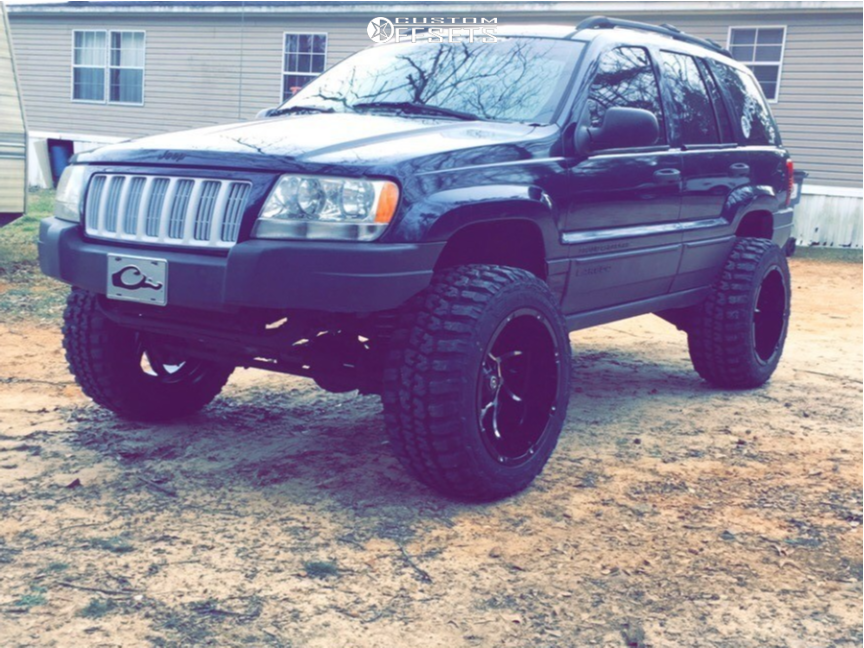
Popular Lift Kit Options For The 2004 Jeep Grand Cherokee Laredo
Several manufacturers offer lift kits specifically designed for the 2004 Jeep Grand Cherokee Laredo (WJ platform). These kits vary in height, components, and price, catering to different needs and budgets. Here are some common types and brands to consider:
2-3 Inch Lift Kits
These kits are ideal for owners seeking a modest increase in height and tire clearance without drastically altering the vehicle’s driving characteristics. They are often simpler to install and require fewer supporting modifications.
- Rough Country 2.5″ Suspension Lift: This kit typically includes front and rear springs or spacers, along with front sway bar links and shock extensions. It’s a popular budget-friendly option that allows for fitting 31-inch tires. The installation is relatively straightforward, often achievable in a weekend.
- Old Man Emu (OME) 2-3″ Lift Kit: Known for its quality suspension components, OME offers kits that provide a comfortable ride and good off-road performance. These kits usually include front and rear springs and Nitrocharger shocks. They are a step up in price and quality from budget options and are excellent for improving articulation and load-carrying capacity.
- Zone Offroad 3″ Suspension Lift: Zone offers kits that often include front and rear springs, front sway bar links, and shock extensions. They aim to provide a good balance of on-road comfort and off-road capability, allowing for tires up to 32 inches.
4-4.5 Inch Lift Kits
For those wanting more significant height and the ability to run larger tires (33-35 inches), 4-inch kits are a popular choice. These usually involve more comprehensive changes to the suspension geometry.
- Rubicon Express 4.5″ Super-Flex Suspension System: This is a higher-end option that includes adjustable control arms, longer coils, sway bar disconnects, and shocks. The Super-Flex system is designed for maximum articulation and performance off-road. It requires more involved installation and typically necessitates an alignment and potentially driveshaft adjustments.
- Skyjacker 4″ Lift Kit: Skyjacker offers kits that often include taller springs, front sway bar links, and shocks. Some kits may also include a track bar relocation bracket to correct the axle’s position under the lifted vehicle. These kits aim for a good balance of lift and drivability.
- Clayton Off Road 4″ Long Arm Kit: Clayton is renowned for its long-arm suspension systems, which significantly improve suspension geometry and articulation compared to short-arm systems. A 4″ long-arm kit for the WJ Grand Cherokee is a serious upgrade for off-road enthusiasts, offering superior performance but at a higher cost and complexity.
Body Lift Kits
When the primary goal is to fit larger tires without altering suspension characteristics, a body lift is an option.
- Daystar 1.75″ Comfort Ride Lift Kit: Daystar offers body lift kits that use polyurethane pucks. These are relatively easy to install and provide enough clearance for a modest increase in tire size, often allowing for 31-inch tires on a stock suspension.
- Rough Country 2″ Body Lift Kit: Similar to Daystar, Rough Country provides body lift kits that are budget-friendly and straightforward to install. They lift the body off the frame using pucks, typically requiring modifications to steering components and potentially shifter linkages.
Considerations For Specific Components
When selecting a lift kit, pay attention to the individual components included:
- Springs: Consider the spring rate. Higher spring rates provide better support for added weight (like bumpers or cargo) but can result in a stiffer ride. Progressive rate springs offer a good balance, being softer for normal driving and stiffer under load.
- Shocks: Matched shocks are crucial for optimal performance and longevity. Shocks designed for lifted vehicles offer longer travel and appropriate damping for the increased suspension height and potential for harder use.
- Control Arms: For lifts over 3 inches, adjustable control arms are highly recommended to correct caster and pinion angles, improving steering stability and reducing drivetrain stress. Long-arm kits offer superior articulation and geometry correction but are more complex and expensive.
- Track Bar: A track bar relocation bracket or an adjustable track bar is often necessary for lifts over 2 inches to recenter the axle under the vehicle, preventing steering pull and uneven tire wear.
When researching these options, always verify that the kit is specifically designed for the 2004 Jeep Grand Cherokee Laredo (WJ), as suspension designs can vary between Jeep models and generations.
Installation Process And Potential Challenges
Installing a lift kit on a 2004 Jeep Grand Cherokee Laredo can range from a moderately challenging DIY project to a complex task requiring specialized tools and expertise. Understanding the steps involved and potential hurdles is crucial for a successful installation.
General Installation Steps
While specific steps vary by kit type and manufacturer, most suspension lift installations follow a similar pattern:
- Preparation: Gather all necessary tools, including jack stands, a floor jack, socket sets, wrenches, spring compressors (if replacing springs), and potentially a torque wrench. Ensure the vehicle is parked on a level surface and the parking brake is engaged.
- Disconnecting Components: The vehicle will need to be safely lifted, and wheels removed. Suspension components like shocks, sway bar links, and potentially brake lines will need to be disconnected. For higher lifts, control arms and track bars will also need to be unbolted.
- Removing Stock Parts: Factory springs, shocks, and other components are removed.
- Installing New Components: The new, taller springs, shocks, and any other included components (like spacers, control arms, or track bar brackets) are installed. This is often the most physically demanding part, especially when dealing with compressed springs.
- Reconnecting and Torquing: All components are reconnected, and fasteners are tightened to the manufacturer’s specified torque values. This is critical for safety and proper function.
- Final Checks