Lift Kit For 2004 Jeep Grand Cherokee Laredo: Elevate Your Ride
The 2004 Jeep Grand Cherokee Laredo is a capable SUV, but for many owners, its potential extends beyond the pavement.
Whether you dream of tackling challenging off-road trails, giving your Jeep a more aggressive stance, or simply improving its capability in snow or mud, a lift kit is often the first modification considered.
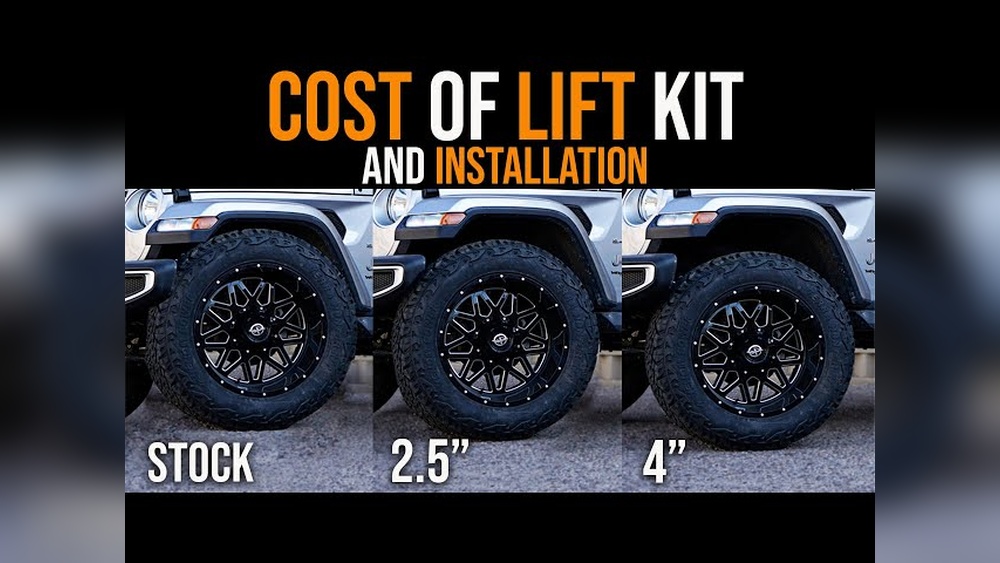
Installing a lift kit raises the vehicle's body or suspension, providing increased ground clearance and allowing for larger tires.
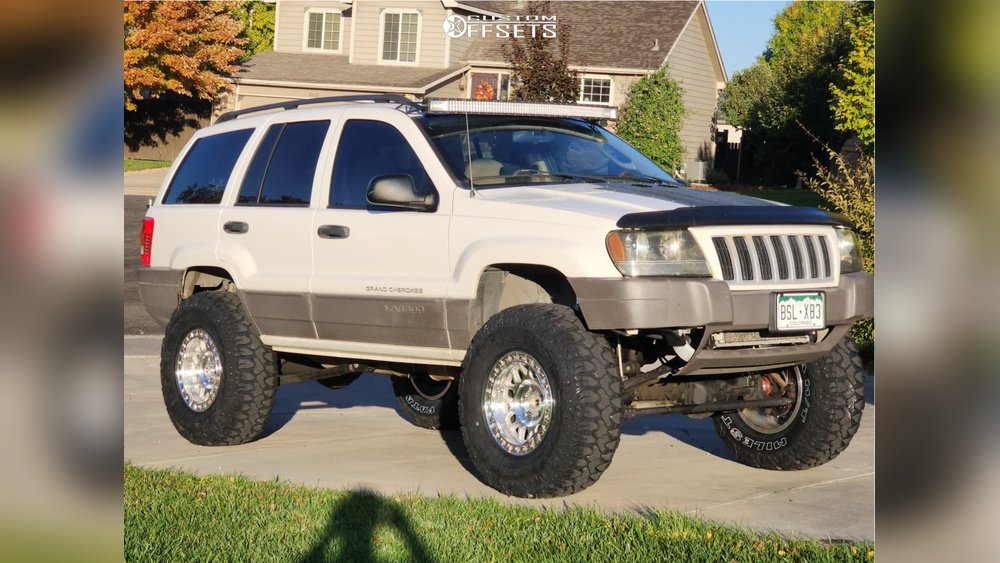
This article will guide you through everything you need to know about choosing and installing a lift kit for your 2004 Jeep Grand Cherokee Laredo, covering different types, benefits, considerations, and installation tips.
Understanding Lift Kits: More Than Just Height
A lift kit does more than just make your Jeep look taller. It fundamentally changes how your vehicle interacts with its environment.
By increasing the distance between the axles and the frame, you gain crucial clearance for obstacles. This is vital for off-roading, preventing damage to the undercarriage from rocks, logs, and uneven terrain.
Beyond utility, a lifted Jeep often has a more imposing and desirable aesthetic for many enthusiasts. The ability to fit larger, more aggressive tires is also a significant draw, further enhancing both looks and off-road performance.
Types Of Lift Kits For The 2004 Jeep Grand Cherokee Laredo
For the 2004 Jeep Grand Cherokee Laredo, there are several primary types of lift kits available, each offering different benefits and installation complexities. Understanding these differences is key to selecting the right kit for your needs and budget.
1. Spacer Lifts
Spacer lifts are generally the most affordable and easiest to install. They work by adding spacers between the vehicle’s frame and the suspension components, typically on top of the existing coil springs or strut assemblies.
- How they work: These kits usually involve placing pucks or spacers above the front struts and often include spacers for the rear springs or adjustable shackles. They effectively “pre-load” the suspension, lifting the body of the vehicle.
- Pros:
- Cost-effective: Significantly cheaper than other lift types.
- Simple installation: Can often be installed with basic tools and mechanical knowledge, sometimes even by DIY enthusiasts.
- Minimal impact on ride quality: Because they don’t fundamentally alter suspension geometry, ride quality is usually very similar to stock.
- Cons:
- Limited lift height: Typically offer modest lift amounts, usually 1-3 inches.
- Suspension geometry changes: While less invasive than other kits, they can still slightly alter suspension angles, potentially affecting alignment and component wear over time.
- Not ideal for extreme off-roading: May not provide the articulation or durability needed for serious trail use.
2. Coil Spring Spacer Lifts
Similar to basic spacer lifts, these kits specifically utilize spacers that fit within or around the coil springs.
- How they work: Spacers are inserted into the coil spring assembly to increase ride height. This can involve spacers above the spring, below the spring, or sometimes a combination.
- Pros:
- Affordable: A budget-friendly option.
- Relatively easy installation: Less complex than full suspension replacement.
- Maintains factory ride: Often preserves the original comfort of the ride.
- Cons:
- Limited lift: Usually restricted to 1-2 inches.
- Potential for spring sag: Over time, the added constant pressure from the spacer might contribute to premature spring fatigue.
- May require longer shocks: Depending on the lift height, stock shocks might become over-extended.
3. Torsion Bar Keys (for 4×4 Models)
The 2004 Grand Cherokee Laredo, especially the 4×4 models, uses a torsion bar suspension system in the front. Torsion bar keys are specifically designed to adjust the torsion bars, effectively lifting the front of the vehicle.
- How they work: The torsion bar is a long metal bar that acts like a spring. The torsion bar key is a component that holds the torsion bar. By replacing the stock key with an aftermarket, adjustable key, you can crank up the torsion bar, increasing the front ride height.
- Pros:
- Cost-effective front lift: A relatively inexpensive way to lift the front of 4×4 models.
- Simple adjustment: The lift height can often be adjusted by tightening a bolt on the key.
- Maintains front suspension: Uses the existing torsion bar system.
- Cons:
- Harsh ride quality: Tightening the torsion bars significantly increases spring rate, leading to a much stiffer, rougher ride.
- Limited rear lift: Usually requires separate rear lift components (like spacers or taller springs) to match the front.
- Potential for CV joint stress: Lifting the front too high can put excessive strain on the Constant Velocity (CV) joints, leading to premature wear or failure.
- Alignment issues: Can make proper wheel alignment more challenging.
4. Full Suspension Lift Kits
These kits replace key components of the original suspension system to achieve a more significant and robust lift. They are generally more expensive and complex to install but offer superior performance and durability.
- How they work: These kits typically involve replacing the stock coil springs with taller, stiffer springs, and often include new shocks, longer control arms, sway bar links, and other components to correct suspension geometry.
- Pros:
- Significant lift heights: Can achieve lifts of 3 inches or more, allowing for much larger tires.
- Improved off-road performance: Designed to handle tougher conditions, offering better articulation and durability.
- Corrected suspension geometry: Components are designed to work together, maintaining proper alignment and reducing stress on drivetrain parts.
- Better ride quality (often): While stiffer than stock, well-designed full kits can offer a more controlled and capable ride, especially off-road, compared to cranking torsion bars.
- Cons:
- Higher cost: Significantly more expensive than spacer or torsion key kits.
- Complex installation: Often requires professional installation due to the number of components and the need for precise alignment.
- Potential impact on on-road comfort: Can result in a firmer ride, especially with aggressive spring rates.
5. Body Lift Kits
A body lift kit raises the vehicle’s body off the frame, rather than lifting the suspension. This is a different approach to achieving clearance for larger tires.
- How they work: This type of kit uses durable polyurethane or aluminum spacers that are installed between the vehicle’s frame rails and the body mounts.
- Pros:
- Allows for very large tires: Can accommodate significantly larger tires without altering suspension geometry as drastically as some suspension lifts.
- Relatively inexpensive: Generally more affordable than full suspension lifts.
- Maintains original suspension feel: The ride quality of the suspension itself is not directly affected.
- Simple installation: Often easier to install than suspension lifts.
- Cons:
- Does not increase ground clearance under the axles: While the body is higher, the lowest points of the vehicle (axles, differentials) remain at their original height.
- Aesthetic concerns: Can leave visible gaps between the body and the frame, which some find unappealing.
- Potential for rattling: Body mounts can sometimes become loose over time.
- Limited off-road benefit: Primarily cosmetic and for tire clearance, not for increasing underbody protection.
Key Considerations Before You Buy
Choosing the right lift kit involves more than just picking a height. Several factors will influence your decision and ensure you get the best results for your 2004 Jeep Grand Cherokee Laredo.
1. Intended Use: Pavement Princess Or Trail Warrior?
This is the most crucial question.
- Mostly street driving with occasional light trails: A 1-3 inch spacer lift or a mild torsion key lift (for 4×4) might be sufficient. You’ll get a slightly more aggressive look and better clearance for speed bumps or mild dirt roads.
- Serious off-roading: You’ll need a full suspension lift kit, ideally 3 inches or more. This provides the necessary ground clearance, articulation, and durability for tackling challenging terrain.
- Aesthetics and larger tires: If your main goal is a “leveled” look and fitting larger tires for show, a body lift or a moderate suspension lift could work.
2. Desired Lift Height And Tire Size
The amount of lift you choose directly dictates the tire size you can fit.
- 1-2 inch lift: Typically allows for up to 31-32 inch tires without major modifications.
- 3-4 inch lift: Can accommodate 33-35 inch tires, though some trimming of the fenders or bumpers might be necessary.
- 5+ inch lift: Allows for 35 inch or larger tires, often requiring significant modifications like fender flares, re-gearing, and potentially stronger axles.
Remember, fitting larger tires isn’t just about clearance. You’ll also need to consider:
- Gearing: Larger tires increase the effective gear ratio, making your Jeep feel sluggish and potentially increasing fuel consumption. You might need to re-gear the differentials for optimal performance.
- Gearing: Larger tires increase the effective gear ratio, making your Jeep feel sluggish and potentially increasing fuel consumption. You might need to re-gear the differentials for optimal performance.
- Speedometer calibration: Your speedometer will be inaccurate with larger tires, and you’ll need a calibration device.
- Braking: Larger tires can increase stopping distances.
3. Budget
Lift kits vary widely in price.
- Spacer lifts/Body lifts: $100 – $400
- Torsion bar keys: $100 – $300 (for front only)
- Basic suspension lifts (2-3 inches): $500 – $1,500
- Complete, high-quality suspension lifts (4+ inches): $1,500 – $4,000+
Don’t forget to factor in the cost of installation if you’re not doing it yourself, as well as potential additional costs like alignment, new shocks, or re-gearing.
4. Ride Quality Vs. Performance
There's often a trade-off. Spacer lifts and body lifts tend to preserve stock ride quality the best.
Lifting torsion bars significantly stiffens the ride. Full suspension lifts can offer a good balance, but more aggressive setups will feel firmer, especially on pavement.
For serious off-roading, a slightly firmer ride is often preferred for better control.
5. Drivetrain And Component Stress
Lifting a vehicle, especially beyond 2-3 inches, puts additional stress on various components:
- CV Joints (4×4): The angle of the CV joints increases with front lift, leading to faster wear. Many kits include CV drop brackets or longer axles to mitigate this.
- Driveshafts: The operating angle of the driveshafts changes, which can cause vibrations. Longer driveshafts or slip yoke eliminators (SYE) might be needed for higher lifts.
- Steering Components: Increased stress on tie rods and ball joints.
- Brake Lines: Stock brake lines might become too short, requiring extensions or longer lines.
6. Brand Reputation And Quality
Not all lift kits are created equal. Reputable brands invest in R&D to ensure their kits are well-engineered, durable, and provide predictable results.
Look for brands known for quality materials, precise manufacturing, and good customer support. Some popular brands include Rough Country, Skyjacker, Rubicon Express, Old Man Emu (OME), and Zone Offroad.
Popular Lift Kit Options For The 2004 Jeep Grand Cherokee Laredo
While specific kits vary, here are some common approaches and brands you might encounter for your 2004 Grand Cherokee Laredo (WJ generation).
1. Rough Country 3-inch Suspension Lift Kit
Rough Country is known for offering affordable and functional lift kits. Their 3-inch kit for the WJ Grand Cherokee typically includes:
- Front and rear lifted coil springs
- Front and rear shock absorbers (often their Nitro-9000 series)
- Front adjustable track bar
- Rear sway bar links
- Optional components like transfer case drop kits.
This kit aims to provide a good balance of lift, off-road capability, and on-road comfort at a competitive price point. It’s a popular choice for those looking to fit 31-33 inch tires.
2. Old Man Emu (ome) 2-3 Inch Lift Kit
Old Man Emu, by ARB, is renowned for its high-quality suspension components, particularly its springs and shocks. An OME kit for the WJ Grand Cherokee usually involves:
- Front and rear OME springs (available in different rates for varying loads)
- OME Nitrocharger Sport shocks
- Possibly front sway bar extensions or disconnects.
OME kits are praised for their excellent ride quality, both on and off-road, and their durability. They are a more premium option, often chosen by those who prioritize comfort and performance over extreme lift heights.
This setup is ideal for fitting 31-32 inch tires.
3. Zone Offroad 4.5-inch Suspension Lift Kit
Zone Offroad offers kits that aim for a bit more lift. A 4.5-inch kit might include:
- New front and rear springs
- Extended front and rear shocks
- Front and rear adjustable control arms
- Transfer case drop kit
- Extended sway bar links
- Potentially a front track bar relocation bracket.
This type of kit is designed to accommodate larger tires (33-35 inches) and provide significantly more ground clearance for serious off-roading. The inclusion of adjustable control arms helps to correct suspension geometry for better handling.
4. M.o.r.e. (mountain Off-road Equipment) Body Lift Kit
For those who prefer a body lift, M. O.
R. E.
Offers a well-regarded 1-inch or 2-inch body lift kit for the WJ Grand Cherokee.
- This kit consists of durable polyurethane or aluminum pucks that fit between the body and the frame.
- It also typically includes extended hardware and sometimes brackets to relocate other components.
This is a good option if you want to clear slightly larger tires without significantly altering your suspension’s on-road feel or