The Rise Of The Led Carbon Fiber Steering Wheel For Jeeps
The Jeep Wrangler, a symbol of adventure and off-road prowess, has long been a canvas for customization. Enthusiasts pour countless hours and resources into transforming their vehicles, seeking to enhance both performance and aesthetics.
Among the most popular upgrades are aftermarket steering wheels, and a particular trend is gaining serious traction: the LED carbon fiber steering wheel for Jeeps.
This isn't just about looks; it's about integrating modern technology with rugged design, offering a unique blend of functionality and style that appeals to a growing segment of Jeep owners.
For years, the aftermarket steering wheel scene was dominated by traditional materials like leather, wood, and billet aluminum. While these options offer durability and a classic feel, they lack the futuristic appeal and advanced features that many modern drivers crave.
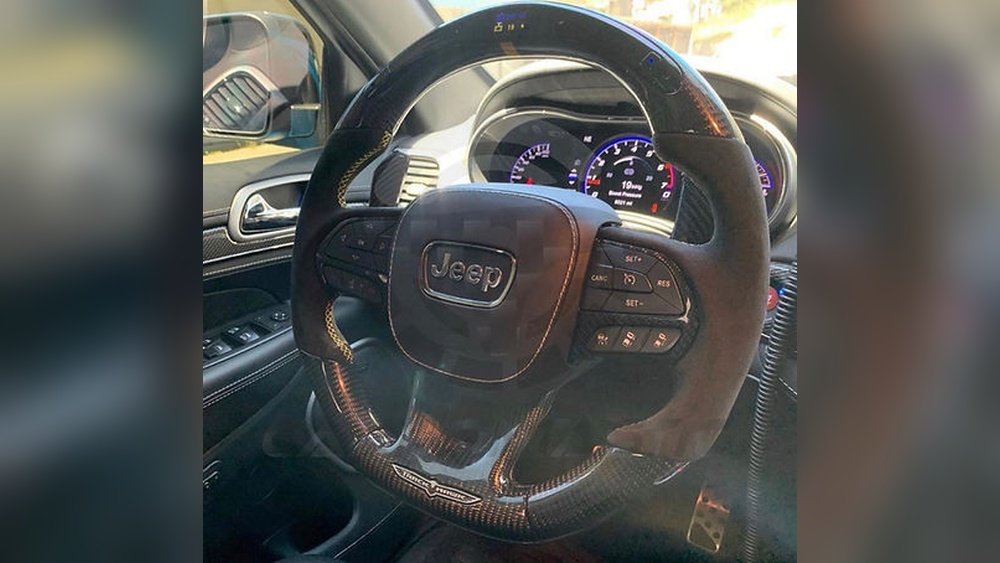
Enter the LED carbon fiber steering wheel. Combining the lightweight strength and exotic look of carbon fiber with integrated LED lighting and often advanced ergonomics, these wheels are redefining what a Jeep steering wheel can be.
They cater to a desire for personalization, technological integration, and a statement piece that stands out from the crowd.
This article will explore the appeal, features, benefits, and considerations when choosing an LED carbon fiber steering wheel for your Jeep, helping you understand why this upgrade is more than just a passing fad.
Why Choose Carbon Fiber And Leds For Your Jeep Steering Wheel?
The combination of carbon fiber and LEDs in a Jeep steering wheel addresses several key desires of the modern off-road enthusiast. It’s a fusion of cutting-edge materials science and integrated technology, designed to enhance the driving experience in multiple ways.
Carbon fiber itself is a material renowned for its exceptional strength-to-weight ratio. This means it’s incredibly strong, capable of withstanding significant forces, yet remarkably light.
In the context of a steering wheel, this translates to a more responsive feel and less fatigue for the driver over long journeys or demanding off-road trails.
Beyond its performance benefits, carbon fiber possesses a distinct, high-tech aesthetic. Its woven pattern is visually striking, instantly elevating the interior of any vehicle, especially a rugged one like a Jeep.
It offers a sophisticated contrast to the typically utilitarian interior of a Jeep, adding a touch of premium sportiness.
The integration of LEDs adds another layer of functionality and visual appeal. These aren't just decorative lights; they can serve practical purposes.
Many LED steering wheels incorporate shift lights, which illuminate progressively as the engine RPMs rise, signaling the optimal moment to shift gears.
This is particularly useful for manual transmissions, helping drivers achieve smoother shifts and potentially better fuel efficiency. Other LEDs can be programmed for various functions, such as indicating voltage levels, providing visual alerts, or simply adding customizable ambient lighting to the cabin.
The visual effect of illuminated carbon fiber, especially at night, is undeniably futuristic and can transform the interior’s ambiance.
The Material Advantage: Strength And Lightness
The core appeal of carbon fiber lies in its inherent properties. Developed initially for aerospace and high-performance motorsport applications, carbon fiber composites are made by weaving together extremely thin strands of carbon atoms into a fabric.
This fabric is then layered and bonded with a resin, creating a rigid, incredibly strong, yet lightweight structure.
When applied to a steering wheel, this translates into several tangible benefits:
- Reduced Weight: A lighter steering wheel can contribute to a slightly more direct and connected feel to the steering system. While the weight difference might be marginal compared to a stock wheel, in the pursuit of performance, every bit counts. This lightness also means less rotational inertia, which can make steering feel quicker and more precise.
- Enhanced Strength and Durability: Carbon fiber is significantly stronger than many traditional materials used in steering wheels, including plastics and even some metals. This makes it highly resistant to cracking, warping, or breaking under stress, which is crucial for an off-road vehicle that might encounter harsh conditions. It’s also resistant to corrosion and environmental degradation.
- Vibration Dampening: Carbon fiber composites have natural vibration-dampening qualities. This can lead to a smoother driving experience, as the material absorbs some of the road and engine vibrations that would otherwise be transmitted through the steering wheel to the driver’s hands.
Integrated Technology: More Than Just Lights
The LED component of these steering wheels is where innovation truly shines. Modern LED carbon fiber steering wheels often go far beyond simple illumination.
They are designed to be smart, functional upgrades.
Here are some common technological integrations:
- Shift Lights: These are perhaps the most common and practical LED feature. A series of LEDs, often arranged in a bar at the top of the wheel, illuminate in sequence as the engine reaches a pre-set RPM. This provides a clear visual cue for manual transmission drivers to shift gears, aiding in performance driving and smoother operation. The RPM threshold for these lights is typically programmable, allowing drivers to tailor them to their specific engine and driving style.
- Digital Displays: Some advanced steering wheels incorporate small digital screens or LED segments that can display vital information. This might include engine RPM, coolant temperature, oil pressure, battery voltage, or even G-force readings during spirited driving. This puts crucial data directly in the driver’s line of sight without requiring them to look down at gauges.
- Customizable Lighting: Beyond functional lights, many wheels offer customizable ambient LED lighting. Drivers can choose colors, patterns, and brightness levels to match their interior theme or personal preference. This can range from subtle accent lighting to more dynamic, color-changing effects.
- Smart Connectivity: While less common, some high-end steering wheels might offer Bluetooth or Wi-Fi connectivity for programming features, updating firmware, or even integrating with other vehicle monitoring systems.
Key Features To Look For In An Led Carbon Fiber Steering Wheel
When you decide to upgrade your Jeep’s steering wheel to an LED carbon fiber model, you’ll encounter a variety of options. Not all are created equal, and understanding the key features will help you make an informed choice that best suits your needs and your Jeep.
The primary goal is to find a product that balances aesthetics, functionality, and quality construction. A steering wheel is a critical interface with your vehicle, so its performance and reliability are paramount.
Design And Ergonomics
The visual appeal of carbon fiber is undeniable, but the design extends beyond the material. How the wheel is shaped and finished can significantly impact comfort and control.
- Grip Material: While the core is carbon fiber, the grips where your hands naturally rest are often covered in other materials. Perforated leather is a popular choice, offering a comfortable, non-slip surface that feels premium. Alcantara (a synthetic suede-like material) is another option, providing excellent grip, especially in warmer conditions or during aggressive driving, though it requires more careful maintenance. Some wheels might feature textured carbon fiber grips, offering a unique feel.
- Shape and Thickness: Consider the thickness of the wheel rim. Some drivers prefer a chunkier wheel for a more substantial feel, while others prefer a slimmer profile for quicker hand movements. The overall shape, including any thumb rests or flattened bottom sections (often called a “D-shape”), should feel natural and comfortable in your hands. Ergonomic design aims to reduce hand fatigue and improve control, especially during long drives or challenging off-road situations.
- Carbon Fiber Finish: Carbon fiber comes in different weave patterns and finishes. Glossy finishes tend to look more exotic and highlight the weave pattern, but they can also be more prone to showing fingerprints and minor scratches. Matte finishes offer a more subdued, stealthy look and can be more forgiving in terms of smudges. The weave itself can vary, common patterns include the traditional 2×2 twill weave or a plain weave.
Led Functionality And Customization
The LED features are a major selling point, but their practicality can vary. Think about what you actually need and what will enhance your driving experience.
- Shift Light Configuration: If shift lights are important to you, check how they are configured. Can you set the RPM thresholds for each light? How many lights are there, and how are they arranged? Some systems offer sequential lighting, while others might have a single warning light.
- Display Capabilities: If the wheel includes a digital display, what information can it show? Is it configurable? Can you choose between different data points? Ensure the display is bright and clear enough to be easily readable in various lighting conditions, including bright sunlight.
- Color Options: For customizable ambient or functional LEDs, how many colors are available? Is there an app or a controller for easy color selection and pattern programming? The ability to match your interior lighting or choose your favorite color can be a significant aesthetic plus.
- Wiring and Installation: Integrated LEDs require wiring. Understand how the wiring harness is designed. Does it connect to existing vehicle systems, or does it require a separate power source? Some installations might be plug-and-play, while others could be more complex, potentially requiring professional installation.
Build Quality And Compatibility
A steering wheel is a safety-critical component. Its construction and how it integrates with your Jeep are paramount.
- Core Construction: While the outer layer is carbon fiber, the internal structure of the wheel is also important. It should be robust and designed to meet or exceed OEM standards for safety and durability. Look for manufacturers who specify the materials used in the core structure.
- Fitment: Ensure the steering wheel is specifically designed for your Jeep model and year. Incorrect fitment can lead to issues with airbag deployment, steering wheel controls (if applicable), and overall safety. Check compatibility with your vehicle’s existing steering column and airbag module.
- Airbag Compatibility: This is crucial. Most aftermarket steering wheels designed for street use are intended to be used with your Jeep’s original airbag module. Ensure the wheel has a secure provision for mounting the factory airbag. Never compromise on airbag functionality.
- Quality of Materials: Beyond carbon fiber and leather, check the quality of other components like stitching, bezels, and buttons (if any). High-quality stitching is a sign of good craftsmanship. The resin used to bind the carbon fiber should be durable and UV-resistant to prevent yellowing or degradation over time.
Installation Process: What To Expect
Installing an aftermarket steering wheel, especially one with integrated electronics like LEDs, can range from a straightforward DIY project to a task best left to professionals. For an LED carbon fiber steering wheel, the complexity often lies in the wiring for the electronic features.
The general process involves disconnecting the battery, safely removing the original steering wheel (which includes carefully handling the airbag module), transferring necessary components like the clock spring and airbag, and then installing the new wheel.
Safety First: Disconnecting The Battery And Airbag
Warning: Working with vehicle airbags is dangerous. If you are not experienced, it is strongly recommended to have a professional install the steering wheel.
- Disconnect the Battery: This is the absolute first step. Use a wrench to remove the negative battery terminal and secure it away from the post. Wait at least 15-30 minutes to allow any residual power in the airbag system to dissipate.
- Remove the Airbag Module: This is the most critical and potentially dangerous step. The airbag is typically held in place by clips or bolts accessible from the back or sides of the steering wheel. Carefully release these fasteners. Once loose, gently lift the airbag module away from the steering wheel. Do not disconnect any wires attached to the airbag module at this stage. Instead, lay it carefully on a flat surface with the electrical connector facing up, away from the steering wheel. Never place the airbag module face down, as this can cause it to deploy.
- Remove the Steering Wheel: After the airbag is safely set aside, you will see the central nut holding the steering wheel to the steering column. You’ll need a socket wrench to remove this nut. It’s often torqued very tightly, so you might need a breaker bar. It’s a good idea to mark the alignment of the steering wheel on the splines of the steering column before removing it, so you can reinstall the new wheel in the same orientation.
Wiring The Leds
This is where the LED carbon fiber steering wheel differs significantly from a standard aftermarket wheel. The wiring harness for the LEDs needs to be routed and connected properly.
- Harness Routing: The wiring harness will typically run from the LEDs on the wheel through the steering column. Manufacturers usually provide a specific harness designed to pass through the clock spring (the component that maintains electrical connections to the airbag, horn, and any steering wheel controls as the wheel turns).
- Power Source: The LEDs will need a power source. This might involve tapping into an existing accessory circuit in the fuse box or running a dedicated wire from the battery (with an appropriate inline fuse). Some systems might have a small control module that needs to be mounted discreetly.
- Ground Connection: A proper ground connection is essential for the electronics to function correctly. This is usually made to an existing chassis ground point.
- Professional Help: If you are not comfortable with automotive electrical systems, this is the stage where you should definitely seek professional help. Incorrect wiring can lead to malfunctioning LEDs, blown fuses, or even damage to your vehicle’s electronics.
Final Assembly And Testing
- Install the New Steering Wheel: Mount the new LED carbon fiber steering wheel onto the steering column splines, aligning it with your previous marks. Reinstall the central nut and tighten it to the manufacturer’s specified torque.
- Reconnect the Airbag: Carefully place the original airbag module back into its housing on the new steering wheel. Ensure it clicks securely into place and reconnect all its electrical connectors.
- Reconnect the Battery: Reattach the negative battery terminal.
- Test Everything: Before driving, test all functions: the horn, any steering wheel controls, and importantly, the LED features. Ensure the airbag warning light on your dashboard turns off after a few seconds (if it stays on, there’s an issue with the airbag system).
Pro Tip: Always refer to the specific installation manual provided by the manufacturer of your LED carbon fiber steering wheel. Procedures can vary slightly between brands and models.

Benefits Beyond Aesthetics
While the striking visual appeal of an LED carbon fiber steering wheel is often the primary draw, the benefits extend beyond mere looks. The thoughtful integration of materials and technology can genuinely enhance the driving experience in a Jeep.
The lightweight nature of carbon fiber, as mentioned, can contribute to a subtly more responsive steering feel. This is especially noticeable during spirited driving or when navigating challenging off-road terrain where precise steering inputs are critical.
The material’s inherent strength also provides peace of mind, knowing that the wheel is built to withstand significant forces.
The functional aspects of the LEDs add a layer of modern convenience and performance enhancement. For drivers of manual transmission Jeeps, the integrated shift lights can be invaluable.
They provide a clear, at-a-glance indication of optimal shift points, helping to maintain consistent engine performance, improve fuel economy, and reduce drivetrain wear.
This is particularly useful in situations where engine noise might make it difficult to judge RPMs by ear alone, such as when off-roading with music playing or windows down.
Furthermore,