Getting outside is exciting, but unprepared gear can ruin even the best adventure. Whether you hike, camp, bike, or climb, keeping your outdoor gear ready is essential. Many people only check their equipment before a big trip, but regular care makes every adventure smoother and safer. With the right habits, your gear stays reliable, lasts longer, and is always ready when nature calls.
Cleaning And Storage: The Foundation Of Reliable Gear
A clean tent or backpack is not just about looks. Dirt, mold, and moisture can damage materials, weaken zippers, and cause smells. After every trip, shake out debris, wipe mud, and let items dry fully. Never pack gear wet; moisture leads to mold and breakdown.
For storage, pick a cool, dry space away from sunlight. UV rays fade colors and weaken fabrics. Hang sleeping bags loosely or store them in large cotton sacks, not compressed bags. This keeps insulation fluffy and effective.
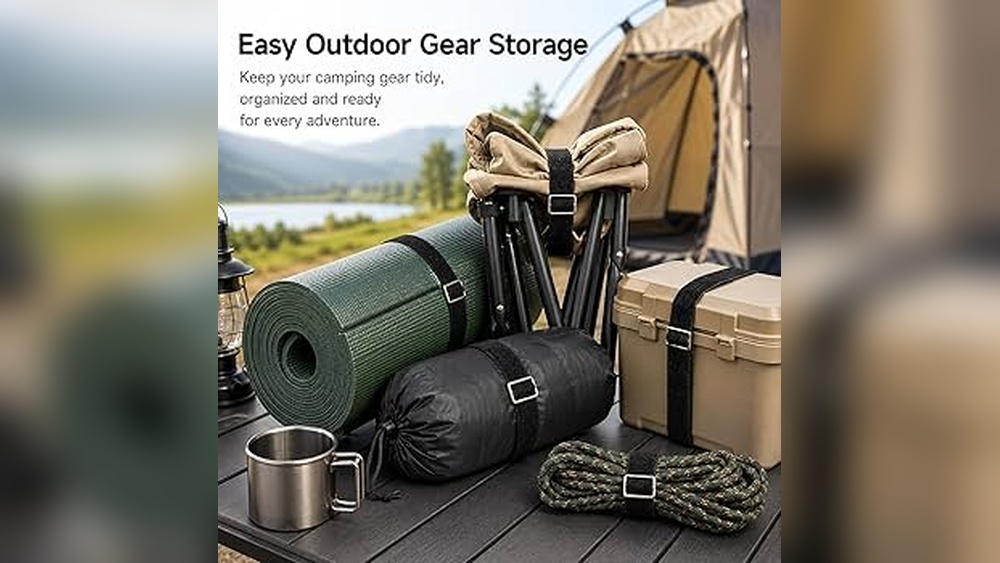
Example: Tent Storage
After camping, set up your tent at home or hang it open until completely dry. Store with poles and stakes in separate bags to avoid punctures.
Regular Maintenance: Small Tasks, Big Impact
Many beginners skip maintenance, but simple checks can prevent accidents. Inspect your gear monthly—even if you haven’t used it recently.
- Check backpacks for broken buckles or torn seams.
- Oil metal parts on stoves, knives, and bike chains.
- Sharpen blades and repair small holes with patch kits.
- Test headlamps and replace batteries before every trip.
If you own specialized gear, like climbing harnesses or avalanche beacons, follow manufacturer guidelines. Safety equipment demands extra attention.
Gear Maintenance Comparison
Here’s a quick look at common gear and how often they need care:
| Gear Type | Maintenance Frequency | Key Tasks |
|---|---|---|
| Backpack | Monthly | Clean, check straps, repair tears |
| Tent | After Every Use | Dry, clean, inspect poles |
| Sleeping Bag | Seasonally | Air out, check zippers, fluff insulation |
| Stove | Before Each Trip | Clean jets, oil parts |

Packing Smart: Organization Makes A Difference
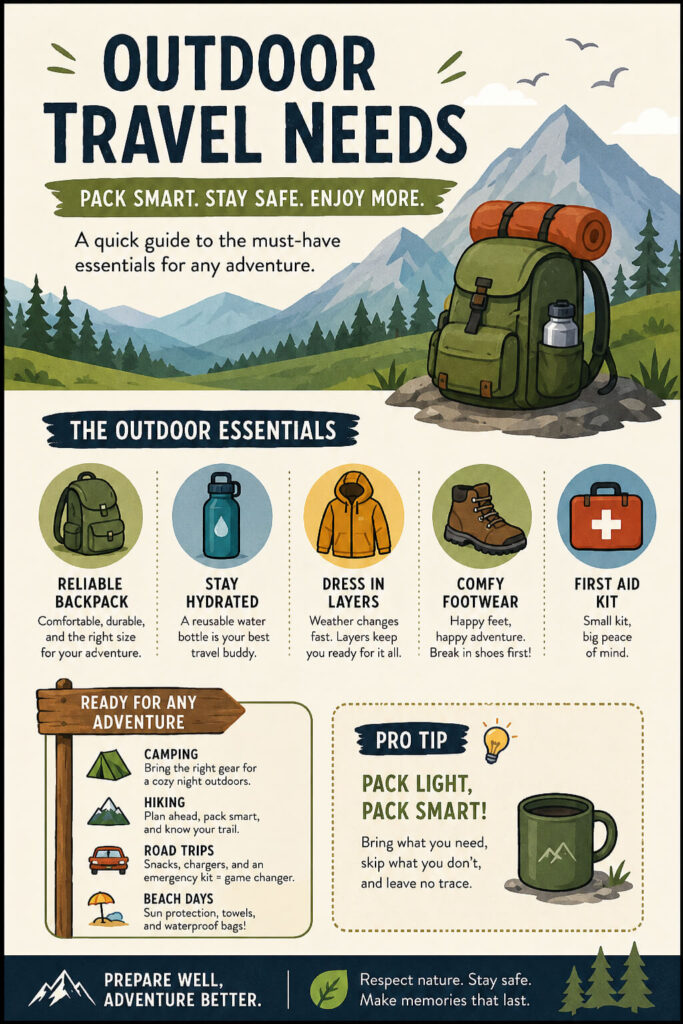
Packing is more than throwing items in a bag. The right system saves time and helps you find what you need fast. Use stuff sacks or clear zip bags to group gear by type: cooking, clothing, first aid, etc.
Keep a checklist of essentials. Many outdoor accidents happen because someone forgot a small item, like a map or sunscreen. Review your list before every trip.
Example Checklist
- Navigation tools (compass, GPS)
- Water bottles and filter
- Food and snacks
- First aid kit
- Extra layers and rain gear
- Emergency shelter
- Headlamp and batteries
For longer trips, pack extra for emergencies, but avoid overloading. Most hikers carry about 20% of their body weight comfortably.
Upgrading And Replacing: Know When It’s Time
Even the best gear wears out. Check for signs of aging: fading, fraying, holes, or broken parts. If repairs no longer work, it’s time to replace.
Most sleeping bags lose warmth after 5–7 years. Backpacks often last 3–5 years with heavy use. Waterproof jackets lose effectiveness after several washes.
Gear Lifespan Table
| Item | Average Lifespan | Replacement Signs |
|---|---|---|
| Sleeping Bag | 5–7 Years | Loss of loft, cold spots |
| Backpack | 3–5 Years | Torn straps, broken zippers |
| Rain Jacket | 2–4 Years | Leaks, peeling seams |
| Boots | 2–3 Years | Worn tread, loose soles |
Non-obvious insight: Some gear, like water filters, expire without clear signs. Always check expiration dates and manufacturer advice.
Emergency Preparation: Ready For The Unexpected
Outdoor adventures can change quickly. Prepare for emergencies by packing extra supplies and keeping gear in good condition.
- Carry backup batteries for electronics.
- Store emergency food and water.
- Keep a whistle and signal mirror handy.
- Know basic repair skills for tents and packs.
Practice using your gear at home. Many beginners never test stoves or filters until in the wild, risking problems.
Practical Example
Before a trip, set up your tent in the yard and check for missing parts. Try cooking a simple meal on your camp stove to ensure everything works.
Seasonal Adjustments: Gear For Every Weather
Different seasons need different gear care. In winter, boots and jackets need waterproofing. In summer, sun protection is vital.
Store winter gear separately and re-treat waterproof items before cold months. In spring, check for mice or insects in stored gear. Use silica gel packs to absorb moisture.
Seasonal Care Table
| Season | Special Tasks | Common Problems |
|---|---|---|
| Winter | Waterproofing, insulation check | Wet boots, frozen zippers |
| Summer | Sun protection, bug repellent | UV damage, insect bites |
| Spring | Clean out storage, repair damage | Mold, pests |
| Fall | Layer check, dry gear | Leaves, moisture |

Frequently Asked Questions
How Do I Keep Gear Mold-free?
Dry your gear fully after every use. Store in a dry, cool area with good airflow. Use silica gel packs for extra moisture control.
What’s The Best Way To Organize Outdoor Gear At Home?
Group items by activity and store in clear bins or shelves. Label each bin and keep checklists nearby. This helps you grab what you need quickly.
How Often Should I Replace My Water Filter?
Follow manufacturer guidelines, usually after 100–200 uses or one year. Some filters have expiration dates—check them regularly. For more details, visit CDC Safe Water Advice.
Can I Wash My Sleeping Bag In A Machine?
Yes, but use a front-loading washer with mild detergent. Air dry or use a low-heat dryer with tennis balls to restore loft. Avoid fabric softeners.
What’s One Common Mistake Beginners Make?
Packing gear dirty or damp. This leads to damage, mold, and bad smells. Clean and dry all equipment before storage for best results.
Keeping your outdoor gear ready is not just about convenience—it’s about safety, comfort, and enjoying every adventure. With regular care, smart packing, and a few simple habits, you’ll always be prepared for whatever the wild brings.