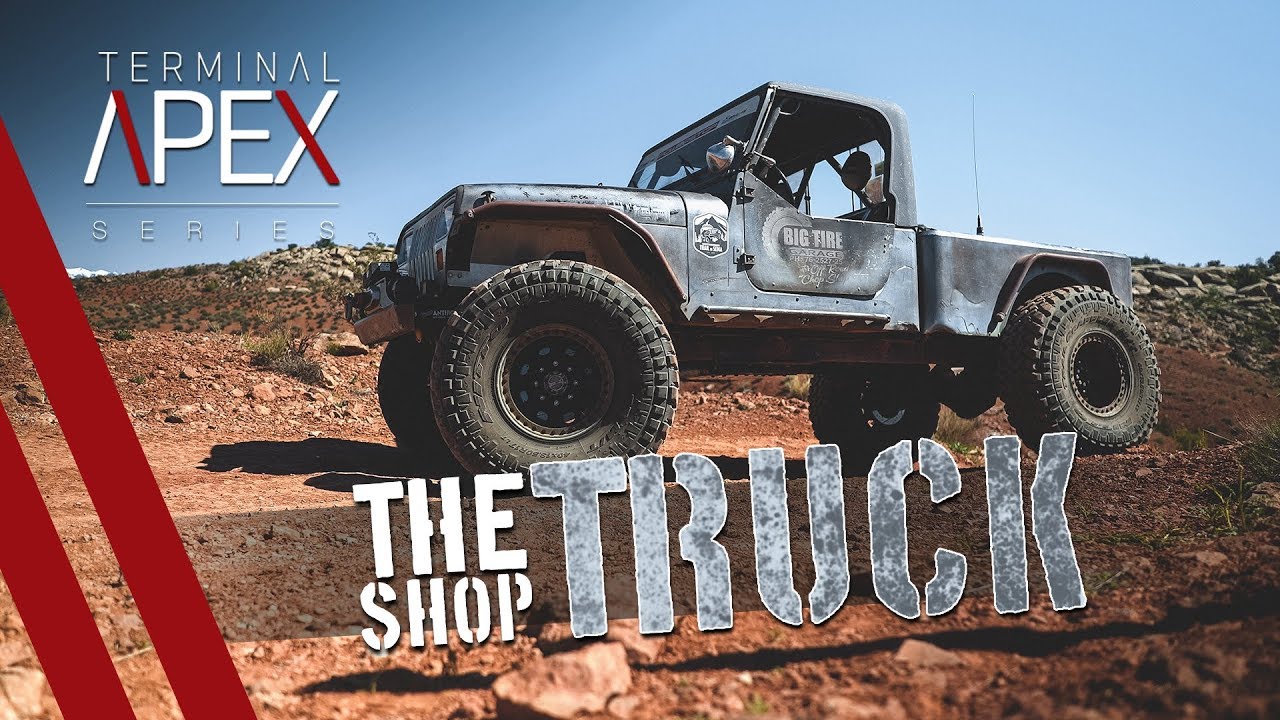
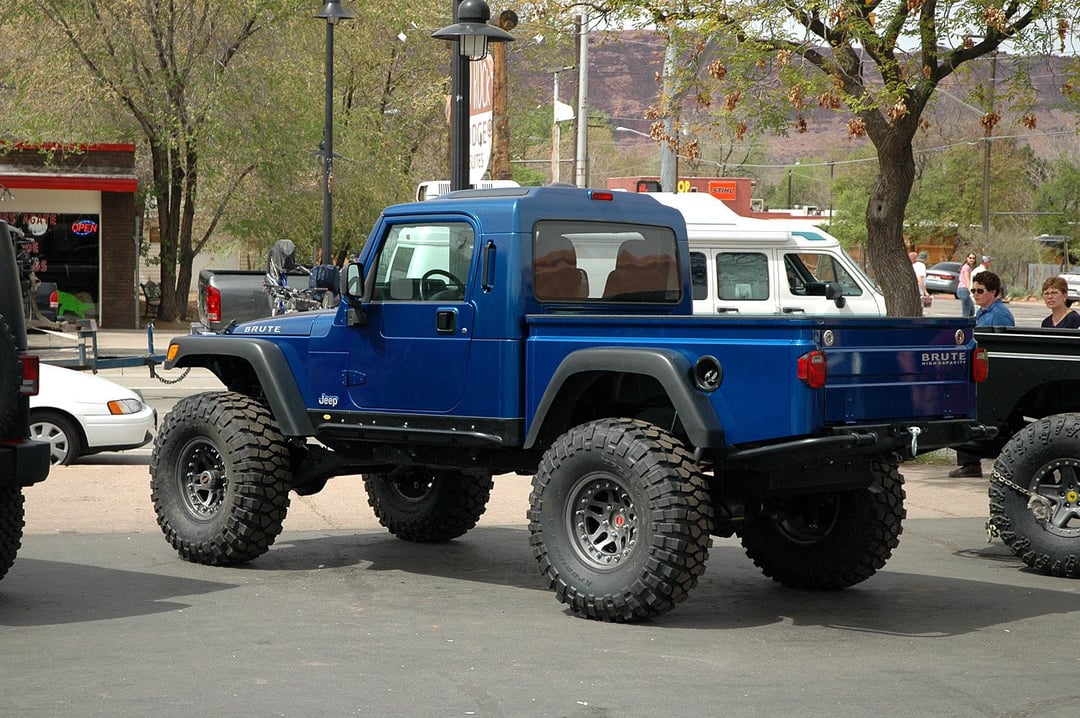
Transforming a classic Jeep YJ into a pickup truck is more than just a bold project—it’s a statement. The Jeep YJ truck conversion turns the iconic Wrangler into a practical, head-turning rig with improved cargo space.
For off-road fans, outdoor workers, and Jeep enthusiasts, this conversion blends rugged style with utility. This guide covers the essentials, steps, costs, and practical tips for making your YJ truck conversion a reality, even if you’re new to custom builds.
Why Convert A Jeep Yj Into A Truck?
The Jeep YJ (1987–1995) is famous for its boxy design and reliability. Many owners love its removable roof and doors, but the small rear cargo space can be limiting. Turning your YJ into a truck adds:
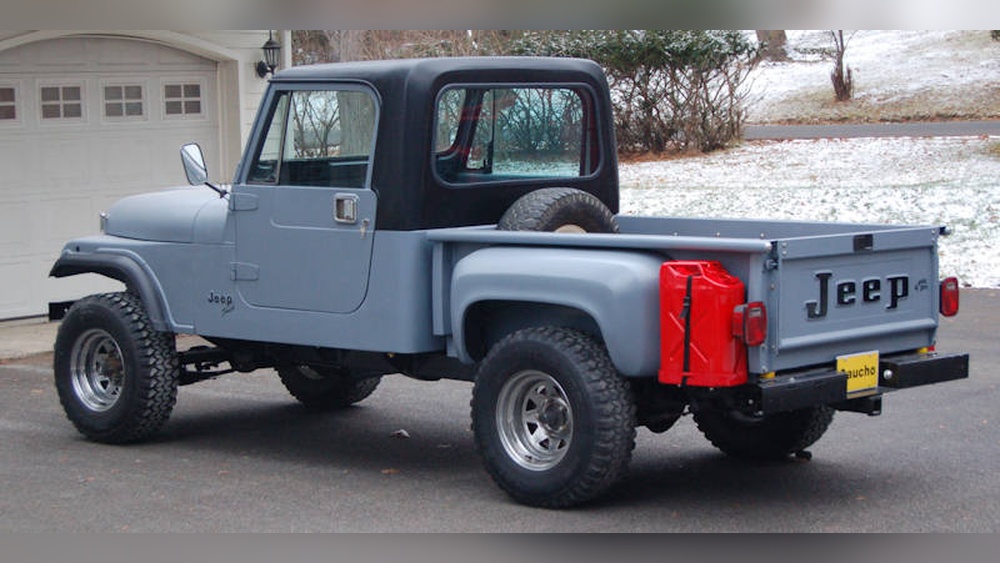
- Open bed space for tools, bikes, or camping gear
- A unique look that stands out from standard Wranglers
- Better utility for hauling materials or equipment
Truck conversions are popular among DIY builders who want a custom vehicle without buying a new pickup. The YJ’s strong frame makes it ideal for this transformation.
Planning Your Yj Truck Conversion
Before you start cutting or buying parts, careful planning is key. Consider these factors:
- Budget: Most conversions cost between $2,000 and $6,000, depending on parts and labor. Custom work or rare kits can push costs higher.
- Skill Level: While some kits are “bolt-on,” others require welding, cutting, and bodywork. Assess your tools and experience honestly.
- Legal Requirements: Check local laws on vehicle modifications. Some states require inspections or paperwork for structural changes.
- End Use: Decide if you want a daily driver, off-road rig, or show truck. This affects your build choices.
Example: Kit Vs. Custom Approach
Some companies offer ready-made truck conversion kits. Others prefer to cut the YJ body and fabricate their own bed. Here’s a quick comparison:
| Conversion Kit | Custom Fabrication |
|---|---|
| Quick installation | Flexible design |
| Higher upfront cost | Lower parts cost, more labor |
| Less customization | Can match your vision |
| Basic tools required | Advanced tools and skills needed |
Step-by-step Jeep Yj Truck Conversion Process
Converting a Jeep YJ into a truck involves several stages. Here’s a simplified breakdown:
- Remove Rear Seats and Roof: Clear out the back area, including seats, carpeting, and the factory roof.
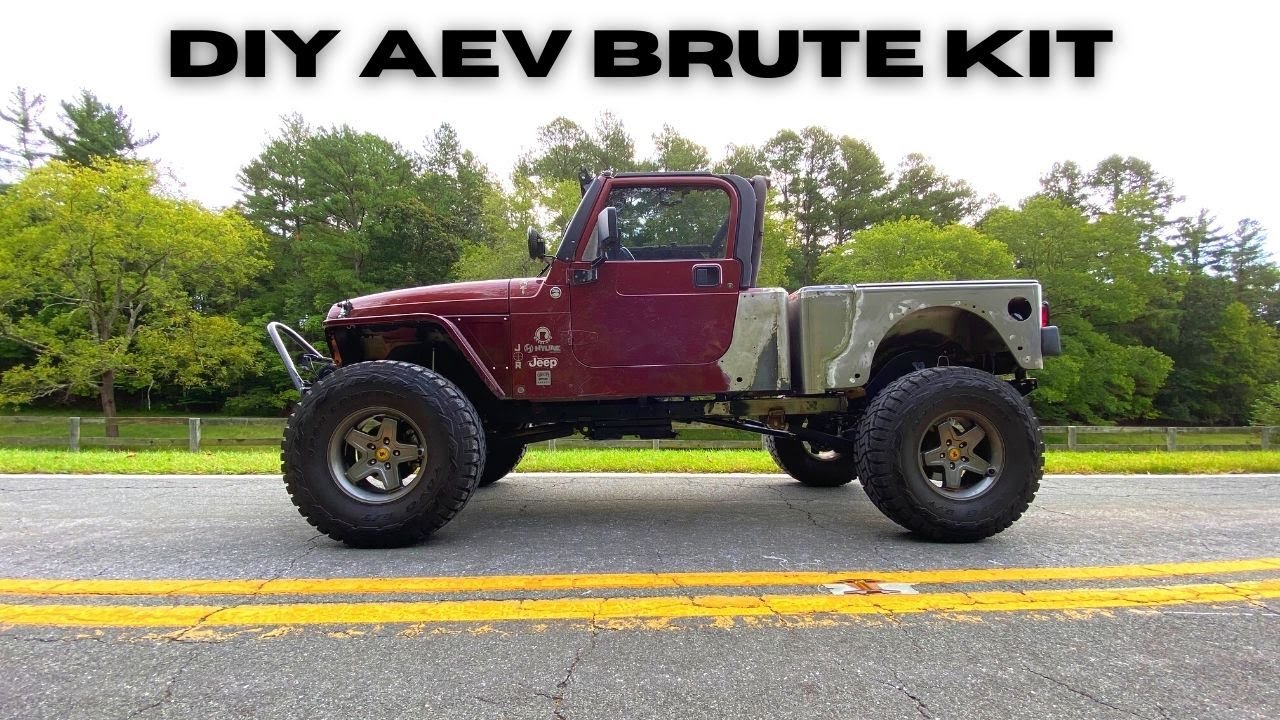
- Cut the Tub: Mark where the rear tub will be cut. Use a reciprocating saw or angle grinder. Measure twice—cut once.
- Install Bulkhead: Add a strong barrier between the cab and the new bed area. Many kits include a bolt-in bulkhead.
- Build or Install Bed: Fabricate a truck bed or install a pre-made kit. Make sure it’s securely attached to the frame.
- Seal and Finish: Seal cut edges, paint exposed metal, and add weather protection. Install new tail lights and wiring.
- Upgrade Suspension: Consider heavier springs or shocks to handle new weight distribution.
- Check Legal Compliance: Have the vehicle inspected and update registration as needed.
Common Mistakes To Avoid
- Skipping measurements before cutting
- Using thin metal that bends easily
- Ignoring wiring for new tail lights
- Forgetting to seal exposed seams, leading to rust
Essential Parts And Tools
You’ll need some critical parts and tools for a successful conversion. Here’s a quick overview:
| Parts | Tools |
|---|---|
| Bulkhead panel | Reciprocating saw |
| Truck bed kit or sheet metal | Angle grinder |
| Tail lights | Drill and bits |
| Weather seals | Welding machine (optional) |
| Heavy-duty shocks | Socket set |
For beginners, buying a complete kit can simplify the process. Experienced builders may prefer sourcing parts individually and customizing the design.
Cost Breakdown And Time Estimate
Budgeting is important. Here’s how costs typically break down:
- Conversion kit: $1,500–$3,000
- Bed fabrication: $500–$1,200 (if custom)
- Bulkhead and seals: $200–$500
- Tail lights and wiring: $100–$300
- Paint and finishing: $200–$600
- Labor (if hired): $1,000–$3,000
Total costs usually fall between $2,000 and $6,000 for most builds. DIY projects often take 2–4 weekends, depending on your skill and workspace.
Example: Real-world Conversion
A 1991 Jeep YJ owner spent $3,500 using a kit, basic tools, and some custom welding. The project took three weekends, and the new truck was legal for road use after a simple inspection. The added cargo space made it easier to carry camping gear and tools.
Pros And Cons Of Yj Truck Conversion
Converting your YJ has clear benefits, but also some drawbacks:
| Pros | Cons |
|---|---|
| Unique style | Permanent body changes |
| More cargo space | Potential legal issues |
| Better for hauling | May affect resale value |
| Fun DIY project | Extra weight, possible handling changes |
Non-obvious Insights For Beginners
Many new builders overlook two key points:
- Weight Distribution: Adding a truck bed shifts weight rearward. Upgrading the rear suspension can prevent sagging and improve handling.
- Weatherproofing: After cutting, exposed seams are vulnerable to rust. Use quality sealant and paint to protect your Jeep.
Where To Find Kits And Inspiration
Many conversion kits are available online. Forums and YouTube channels feature step-by-step builds and troubleshooting advice. For more technical data, visit the official Jeep Wrangler Wikipedia page.
Final Thoughts
A Jeep YJ truck conversion is a rewarding project that blends creativity with practical results. Whether you use a kit or craft your own bed, careful planning and attention to detail are essential. The finished truck offers new utility and a standout look. With the right approach, even beginners can achieve a professional result.
Frequently Asked Questions
<!– wp:rank-math/faq-block {"questions":[{"id":"faq-question-261909e3fd0e","title":"What Models Are Best For Yj Truck Conversion?","content":"The 1987–1995 Jeep YJ is ideal because of its strong frame and simple design. Most kits and tutorials focus on this range.
“,”visible”:true},{“id”:”faq-question-90d131921871″,”title”:”Is Welding Required For A Truck Conversion?”,”content”:”Some kits are bolt-on and need only basic tools. Custom conversions often require welding for strong bed attachment and bulkhead installation.
“,”visible”:true},{“id”:”faq-question-159a6b52ed5e”,”title”:”How Does The Conversion Affect Resale Value?”,”content”:”A well-done conversion can attract buyers looking for unique vehicles. However, poor workmanship or legal issues may lower value. Always document your build.
“,”visible”:true},{“id”:”faq-question-3214935593df”,”title”:”Can I Reverse The Conversion Later?”,”content”:”Most conversions involve permanent cutting and welding. Reversing is difficult and costly, so plan carefully before starting.
“,”visible”:true},{“id”:”faq-question-a7aa4b313457″,”title”:”Is The Converted Truck Street Legal?”,”content”:”Yes, if you follow local laws and pass inspections. Update your registration and make sure all lights and safety features work properly.
“,”visible”:true}]} –>What Models Are Best For Yj Truck Conversion?
The 1987–1995 Jeep YJ is ideal because of its strong frame and simple design. Most kits and tutorials focus on this range.
Is Welding Required For A Truck Conversion?
Some kits are bolt-on and need only basic tools. Custom conversions often require welding for strong bed attachment and bulkhead installation.
How Does The Conversion Affect Resale Value?
A well-done conversion can attract buyers looking for unique vehicles. However, poor workmanship or legal issues may lower value. Always document your build.
Can I Reverse The Conversion Later?
Most conversions involve permanent cutting and welding. Reversing is difficult and costly, so plan carefully before starting.
Is The Converted Truck Street Legal?
Yes, if you follow local laws and pass inspections. Update your registration and make sure all lights and safety features work properly.