The Jeep YJ is a beloved vehicle, known for its ruggedness and off-road capability. However, like many vehicles from its era, it lacks modern safety features.
One significant safety component often missing or outdated in older Jeeps is the airbag system in the steering wheel. Many YJ owners look to upgrade their steering wheel, not just for aesthetics, but also for enhanced safety and a more modern feel.
This often leads to the question: Jeep YJ airbag steering wheel conversion.
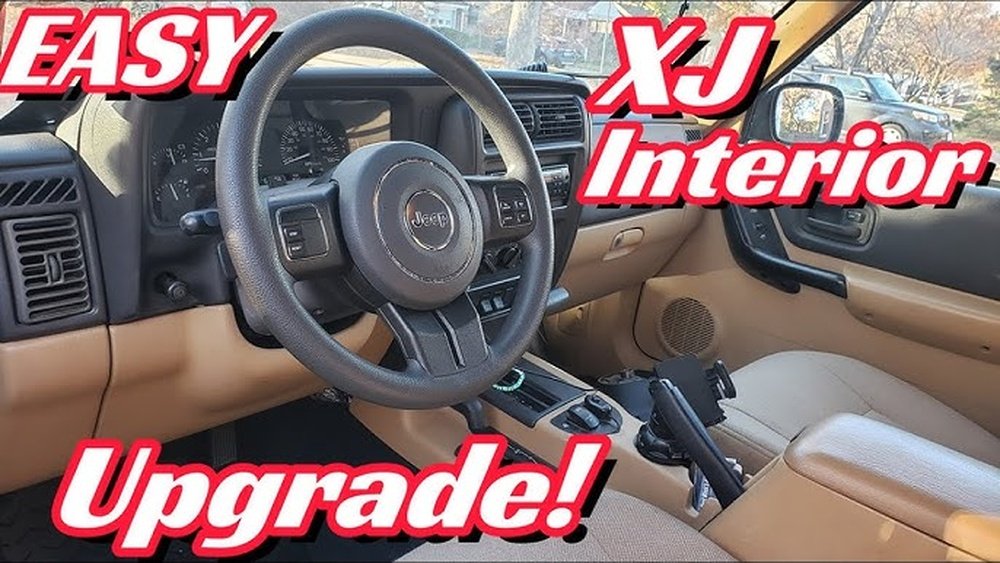
This guide will explore the process, considerations, and potential challenges involved in converting a Jeep YJ to an airbag steering wheel. We’ll cover why someone might undertake this conversion, the different options available, the technical aspects, and what to expect.
Whether you’re a seasoned mechanic or a DIY enthusiast, understanding the intricacies of this modification is key to a successful and safe outcome.
Why Consider An Airbag Steering Wheel Conversion For Your Jeep Yj?
The primary motivation for many Jeep YJ owners considering an airbag steering wheel conversion is safety. The YJ generation, produced from 1987 to 1995, predates the widespread mandatory adoption of airbags in vehicles. While the YJ is a capable machine, its safety features are limited by the technology of its time. An airbag system offers a crucial layer of protection in the event of a collision, significantly reducing the risk of serious injury to the driver.
Beyond safety, there are other compelling reasons:
- Modern Aesthetics and Comfort: Older steering wheels can be worn, cracked, or simply outdated in appearance. Newer steering wheels, especially those with airbags, often feature more ergonomic designs, better grip materials, and a more contemporary look that can dramatically improve the interior’s feel.
- Improved Driving Experience: Many modern steering wheels are designed with driver comfort in mind. They might be slightly smaller in diameter, have a more comfortable grip, or offer better tactile feedback, all contributing to a more enjoyable driving experience, especially on longer journeys or challenging off-road trails.
- Potential for Added Functionality: Some modern steering wheels come with integrated controls for audio systems, cruise control, or even hands-free calling. While integrating these into a YJ can be complex, it’s a possibility for those looking to significantly upgrade their vehicle’s features.
- Restoration and Customization: For owners undertaking a full restoration or a custom build, incorporating modern safety features like an airbag steering wheel can be a logical step to bring the vehicle up to contemporary standards while maintaining its unique character.
It's important to acknowledge that this conversion is not a simple bolt-on modification. It requires careful planning, understanding of electrical systems, and potentially custom fabrication.
However, for many, the benefits of enhanced safety and a modernized interior make the effort worthwhile.
Understanding The Technical Challenges
Converting a Jeep YJ to an airbag steering wheel is far from a plug-and-play operation. The fundamental difference lies in the vehicle’s existing electrical system and the steering column design. A YJ typically does not have the necessary wiring, control modules, or physical provisions to accommodate an airbag system.
Here’s a breakdown of the key technical hurdles:
- Airbag Control Module (ACM): Modern vehicles with airbags have a dedicated ACM. This computer module monitors various sensors (like impact sensors) and determines when and how to deploy the airbag. A YJ lacks this module and the associated sensor network. Installing an airbag system would require sourcing and integrating an ACM, along with the necessary sensors. This is arguably the most complex part of the conversion.
- Wiring Harness: Airbag systems require specific wiring harnesses to connect the ACM, sensors, and the airbag unit itself. The YJ’s factory wiring harness is not equipped for this. A custom harness would need to be fabricated, or a harness from a donor vehicle would need to be extensively adapted. This includes power, ground, and communication lines for the ACM.
- Steering Column and Clock Spring: The steering column in a YJ is designed for a simple horn and steering wheel. An airbag steering wheel requires a clock spring (also known as a spiral cable or slip ring). This component allows electrical connections to pass from the steering column to the steering wheel while the wheel turns. Without a clock spring, the airbag wiring would be severed every time the steering wheel is turned. The YJ’s column may not have a mounting provision for a compatible clock spring, necessitating modification or replacement.
- Steering Wheel Hub Adapter: Most aftermarket steering wheels, including airbag units from other vehicles, will require a hub adapter to mount correctly to the YJ’s steering shaft splines. If you’re using a steering wheel from a different manufacturer or model, finding a compatible adapter can be challenging.
- Horn and Other Controls: The factory horn button on a YJ is typically a simple mechanical switch. Integrating a horn button into an airbag steering wheel, especially one not originally designed for the YJ, requires careful wiring. Similarly, integrating other controls like cruise control or audio buttons adds further complexity, often requiring custom wiring and potentially module integration.
- Compatibility Issues: Airbags are highly specific to the vehicle they were designed for. The deployment characteristics (inflation rate, force) are calibrated based on the vehicle’s weight, crumple zones, and seating position. Using an airbag system from a completely different vehicle type (e.g., a small car airbag in a Jeep) could be ineffective or even dangerous.
Successfully navigating these challenges often means sourcing parts from a donor vehicle that had a similar era and type of airbag system, or utilizing aftermarket components designed for custom installations, though these are less common for airbag systems specifically.

Sourcing Parts For The Conversion
The success of a Jeep YJ airbag steering wheel conversion hinges heavily on the parts you can source. Due to the age of the YJ and the fact that airbags weren't standard, finding direct-fit components is extremely difficult.
Most conversions involve a mix of parts from different vehicles and potentially custom fabrication.
Here are the main avenues for sourcing parts:
1. Donor Vehicle Parts
This is often the most practical approach for obtaining a functional airbag system. The goal is to find a vehicle that has a steering wheel, clock spring, airbag control module (ACM), and associated wiring that can be adapted to the YJ.
- Ideal Donor Vehicles: Look for vehicles from the mid-to-late 1990s or early 2000s. Jeep Grand Cherokees (ZJ or early WJ), Cherokees (XJ) from later years (though airbags were less common), or even other SUVs and trucks from brands like Ford or Chevrolet from that era can be good candidates. The key is to find a system that is relatively simple and whose components might be adaptable.
- What to Salvage:
- Steering Wheel with Airbag Module: This is the most visible part. Ensure it’s in good condition.
- Clock Spring: This is crucial. It must be compatible with the donor steering wheel and ideally have provisions for the YJ’s turn signal and wiper stalks.
- Airbag Control Module (ACM): This is the brain of the system. You’ll need the module itself and any associated wiring connectors.
- Impact Sensors: Airbag systems rely on sensors to detect a crash. You’ll need these and their wiring.
- Wiring Harness Sections: Salvage as much of the relevant wiring harness as possible, including connectors for the ACM, sensors, and airbag module.
- Challenges: Adapting donor parts requires significant electrical knowledge. You’ll need to figure out how to power the ACM, connect the sensors, and integrate the airbag module into the YJ’s existing electrical system. The physical mounting of the steering wheel and clock spring will likely require custom modification.
2. Aftermarket Steering Wheels With Provisions For Airbags
Some aftermarket steering wheel manufacturers offer wheels designed to accept a generic or universal airbag module.
- Brands to Consider: Companies like Grant, MOMO, or Sparco sometimes offer wheels that can be fitted with an airbag. However, these are often designed for much newer vehicles or race applications.
- The Airbag Itself: The challenge here is sourcing a compatible airbag module and control system. You cannot simply buy an airbag and wire it up; it needs a sophisticated control module to prevent accidental deployment or failure to deploy. Using a universal airbag module is often not feasible or safe for street use.
- Hub Adapters: You will definitely need a custom hub adapter to mount an aftermarket wheel to the YJ’s steering column.
3. Custom Fabrication And Professional Installation
For those who lack the time, expertise, or desire to tackle the electrical and mechanical challenges, professional help is an option.
- Custom Shops: Specialty automotive shops, particularly those focusing on Jeep modifications or custom builds, may offer airbag integration services. They have the experience and tools to fabricate necessary parts and wire systems safely.
- Cost: This route is typically the most expensive, as it involves specialized labor and potentially custom-made components. However, it offers the highest likelihood of a safe and reliable installation.
Pro Tip: When sourcing donor parts, try to get everything from a single vehicle if possible. This minimizes compatibility issues between the steering wheel, clock spring, ACM, and sensors. Thoroughly research the donor vehicle’s wiring diagrams before you start salvaging parts.
Step-by-step Conversion Process (conceptual)
Performing an airbag steering wheel conversion on a Jeep YJ is a complex undertaking that requires significant mechanical and electrical expertise. This is not a beginner-level modification. The following steps outline the general process, but always consult specific wiring diagrams for your donor parts and vehicle, and consider professional help if you are unsure.
Disclaimer: Working with airbag systems is inherently dangerous. Accidental deployment can cause serious injury. Always disconnect the battery and follow safety precautions specific to the airbag system you are working with. This guide is for informational purposes only and does not constitute professional advice.
Step 1: Planning And Parts Gathering
- Define Your Goal: Decide what kind of steering wheel you want (original donor wheel, aftermarket) and what level of functionality (just airbag, horn, other controls).
- Select Donor Vehicle/Parts: As discussed, carefully choose your donor vehicle or aftermarket components. Prioritize safety and compatibility.
- Obtain Wiring Diagrams: This is critical. You need diagrams for both your Jeep YJ and the donor vehicle’s airbag system. Understanding how the ACM, sensors, clock spring, and airbag module are connected is paramount.
- Gather Tools: You will need a comprehensive set of mechanic’s tools, electrical diagnostic tools (multimeter, test light), wire strippers, crimpers, soldering iron, and potentially tools for custom fabrication.
Step 2: Removing The Old Steering Wheel And Column Components
- Disconnect Battery: Crucially, disconnect the negative battery terminal and wait at least 15-30 minutes to allow any residual power in the airbag system to dissipate.
- Remove Steering Wheel: Follow standard procedures for removing your YJ’s steering wheel. This usually involves removing cosmetic covers and then unbolting the wheel from the steering column.
- Inspect Steering Column: Assess the existing steering column. You will likely need to remove any original components that will interfere with the installation of the new clock spring and steering wheel. This might involve removing steering column covers and potentially modifying mounting points.
Step 3: Installing The Clock Spring And New Steering Wheel
- Mount the Clock Spring: This is where custom work often comes in. The clock spring needs to be securely mounted to the steering column. If using donor parts, you may need to fabricate brackets or modify the column housing to accept it. Ensure it is centered correctly before proceeding.
- Install the Steering Wheel: Mount the new steering wheel onto the clock spring’s splines. Use the appropriate hub adapter if necessary. Ensure it is torqued to the manufacturer’s specifications.
Step 4: Wiring The Airbag System
This is the most complex and potentially dangerous part.
- Integrate the ACM: Mount the Airbag Control Module (ACM) in a suitable location within the vehicle, usually under the dashboard. Ensure it’s protected from moisture and physical damage.
- Connect Sensors: Mount impact sensors in their designated locations (often front and sides) and run their wiring to the ACM.
- Wire the Airbag Module: Connect the airbag module in the steering wheel to the clock spring, and then run the wiring from the clock spring to the ACM.
- Power and Ground: Provide a stable power source and a good ground connection to the ACM, as per the donor vehicle’s wiring diagram. This often involves tapping into existing power circuits or running new ones with appropriate fusing.
- Horn Wiring: Wire the horn button on the new steering wheel. This typically involves running a wire from the horn button through the clock spring to the vehicle’s horn circuit.
- Test System (Carefully): Before fully reassembling, perform initial electrical tests using a multimeter to check for shorts, open circuits, and correct voltage at the ACM.
Step 5: Testing And Final Assembly
- Airbag Warning Light: Most systems will have an airbag warning light on the dashboard. Once the battery is reconnected and the ignition is turned on, this light should illuminate briefly and then turn off, indicating the system is functional. If it stays on, there is a fault that needs to be diagnosed.
- Horn Test: Test the horn to ensure it’s working.
- Steering Wheel Controls: If you’ve integrated other controls, test them thoroughly.
- Final Assembly: Reinstall steering column covers, dashboard components, and any other parts removed during the process. Ensure all wiring is neatly secured and protected.
Warning: Improperly installed airbags can deploy unexpectedly or fail to deploy when needed, posing a severe safety risk. If you are not highly experienced with automotive electrical systems and safety components, it is strongly recommended to have this conversion performed by a qualified professional.

Common Pitfalls And How To Avoid Them
Embarking on a Jeep YJ airbag steering wheel conversion is ambitious, and many DIYers encounter roadblocks. Being aware of common pitfalls can save you time, money, and frustration.
1. Incorrect Part Compatibility
- The Problem: Using parts from vastly different vehicle types or eras can lead to electrical incompatibilities, physical fitment issues, and most importantly, unpredictable airbag deployment. An airbag system is finely tuned to the vehicle it came from.
- How to Avoid:
- Stick to Donor Vehicles: Whenever possible, source all airbag components (wheel, clock spring, ACM, sensors) from the same vehicle model and year.
- Research Extensively: Before salvaging anything, research the donor vehicle’s airbag system. Look for wiring diagrams and forum discussions from others who have attempted similar swaps.
- Consider Simplicity: Simpler, older airbag systems (late 90s) are often easier to adapt than highly complex, multi-stage systems from modern vehicles.