The Jeep YJ, produced from 1987 to 1995, is a beloved vehicle known for its off-road capabilities and iconic design. However, like many vehicles of its era, it lacks modern safety features such as airbags.
For Jeep YJ owners who want to enhance safety without compromising the classic look or functionality, a Jeep YJ airbag steering wheel conversion is a popular modification.
This process involves replacing the original, non-airbag steering wheel with a modern one that includes an airbag system, often sourced from a newer Jeep model or an aftermarket solution.
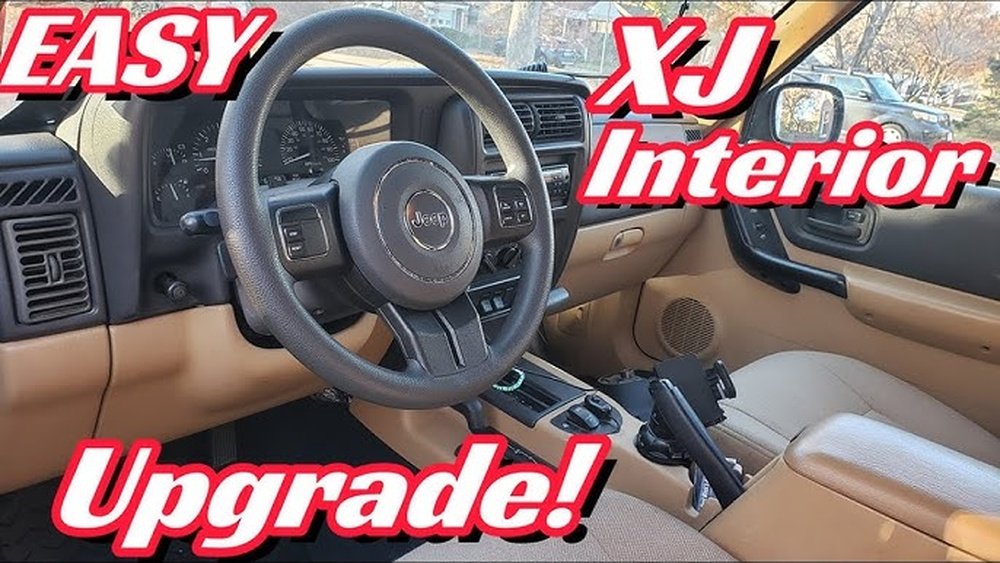
This conversion isn’t just about adding an airbag; it’s a complex project that requires careful planning, mechanical aptitude, and an understanding of electrical systems. It involves sourcing the correct parts, understanding wiring diagrams, and ensuring proper installation to maintain safety and functionality.
This guide will walk you through the essential aspects of a Jeep YJ airbag steering wheel conversion, from understanding the benefits to the practical steps involved, potential challenges, and important considerations for a successful upgrade.
Why Consider An Airbag Steering Wheel Conversion For Your Jeep Yj?
The primary driver for this modification is enhanced safety. Airbags are a crucial component of modern vehicle safety systems. In the event of a collision, an airbag deploys rapidly to cushion the impact between the driver and the steering wheel, significantly reducing the risk of serious injury to the head and chest. For a vehicle like the Jeep YJ, which is often used for adventurous driving where accidents, though hopefully rare, can occur, the added protection of an airbag is a significant benefit.
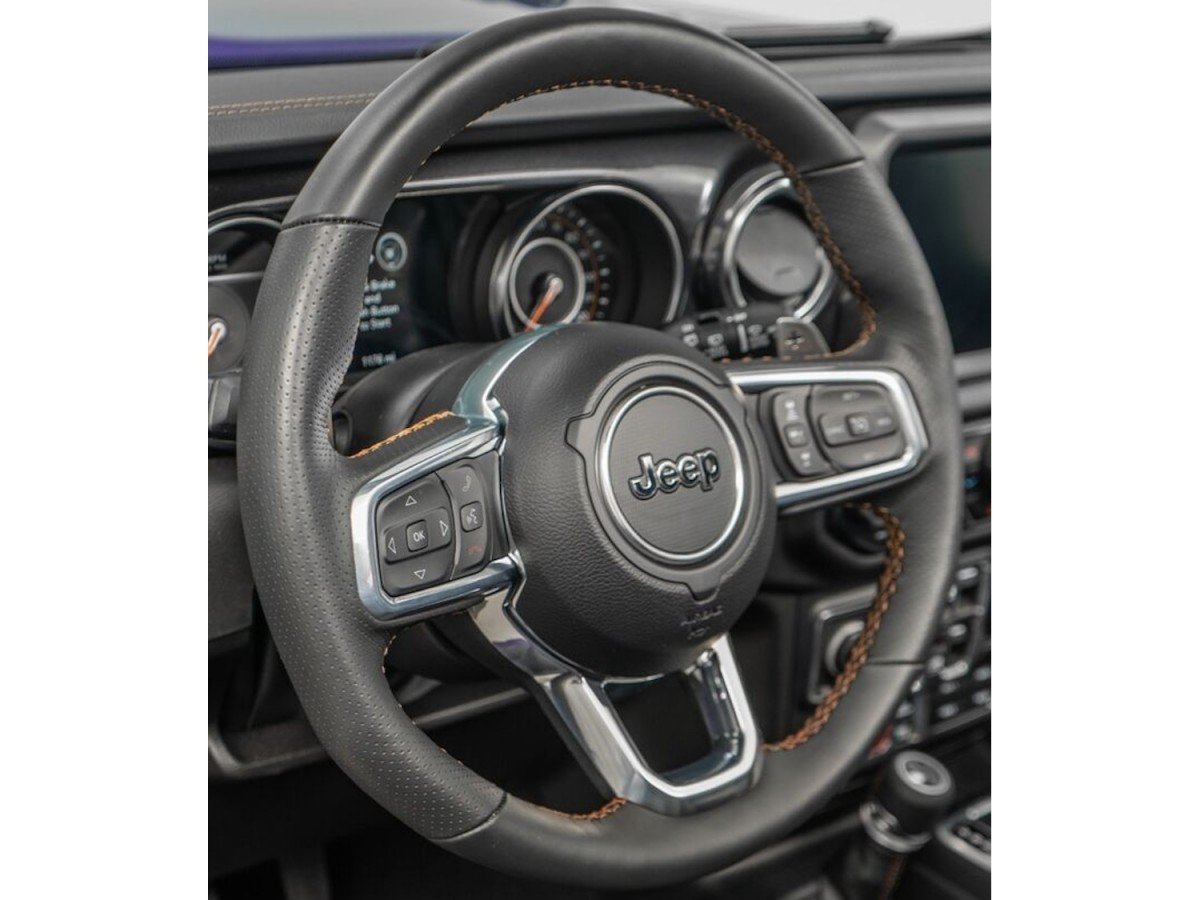
Beyond safety, there are aesthetic and functional advantages. Modern steering wheels often feature a more ergonomic design and may include integrated controls for audio systems or cruise control, which can be a desirable upgrade.
The look of a newer steering wheel can also modernize the interior of an older Jeep YJ, giving it a fresh feel.
However, it’s important to approach this modification with a clear understanding of the complexities. It’s not a simple bolt-on upgrade and requires significant technical skill.
Understanding The Components Of An Airbag System
Before diving into the conversion process, it’s essential to understand the key components that make up a typical airbag system. These components work together to detect a collision and deploy the airbag safely and effectively.
- Airbag Module: This is the core component, containing the airbag itself (usually made of nylon fabric) and the inflation system. When triggered, a small explosive charge ignites, rapidly filling the airbag with inert gas.
- Airbag Control Module (ACM) / Airbag Control Unit (ACU): This is the “brain” of the system. It receives data from various sensors, analyzes the severity of an impact, and decides whether to deploy the airbag. In a YJ conversion, you’ll need to integrate a compatible ACU.
- Impact Sensors: These sensors are strategically placed around the vehicle (often in the front bumper area or chassis). They detect sudden deceleration, indicating a potential collision.
- Clock Spring / Spiral Cable: This is a crucial component located behind the steering wheel. It’s a flexible ribbon cable that allows the steering wheel to turn while maintaining electrical contact between the airbag module, horn, and steering wheel controls and the vehicle’s electrical system. This is one of the most critical parts to get right in a conversion.
- Wiring Harness: Connects all the components of the airbag system, including the ACU, sensors, and airbag module.
- Warning Light / Indicator: A dashboard light that illuminates to indicate the airbag system is active and functioning, and also to alert the driver if there is a fault.

Sourcing Parts For Your Jeep Yj Airbag Steering Wheel Conversion
The success of your conversion heavily relies on sourcing the correct parts. There are generally two main approaches: using parts from a donor vehicle or opting for aftermarket solutions.
Donor Vehicle Parts
One common method is to use an airbag steering wheel assembly from a newer Jeep model, such as a TJ Wrangler (1997-2006) or an XJ Cherokee (1997-2001), which are mechanically similar to the YJ in some respects.
- Steering Wheel: You’ll need the airbag steering wheel itself, along with its associated clock spring.
- Steering Column Components: Depending on the donor vehicle, you might need parts of its steering column to accommodate the newer wheel and clock spring.
- Wiring Harness and ACU: This is where it gets complicated. You’ll need the airbag control module and the relevant wiring harness from the donor vehicle. Integrating this into the YJ’s electrical system is a major challenge.
- Sensors: You’ll also need the impact sensors and their wiring.
Challenges with Donor Parts:
- Compatibility: YJs have a vastly different electrical system than newer Jeeps. Simply swapping parts might not work without significant custom wiring.
- Complexity: Integrating a modern ACU and its associated sensors into a vehicle not designed for them requires advanced electrical knowledge.
- Availability: Finding a complete, functional donor setup can be difficult and costly.
Aftermarket Solutions
Several companies offer aftermarket steering wheels designed to fit older vehicles like the YJ, which come with provisions for an airbag. These kits often include:
- Aftermarket Steering Wheel: Designed to bolt onto the YJ’s steering column.
- Aftermarket Airbag Module: A universal or model-specific airbag module.
- Specific Clock Spring: A clock spring designed to adapt the airbag system to the YJ’s steering column.
- Wiring Harness and Resistors: Sometimes, these kits include a simplified wiring harness and resistors to trick the YJ’s existing computer into thinking an airbag system is present or to bypass certain checks.
Advantages of Aftermarket:
- Designed for Retrofitting: These kits are often engineered with the challenges of older vehicle conversions in mind.
- Potentially Simpler Installation: While still complex, they can sometimes offer a more straightforward path than integrating a full OEM system from a donor vehicle.
- Support: Reputable aftermarket companies may offer customer support or installation guides.
Considerations for Aftermarket:
- Cost: Aftermarket airbag systems can be expensive.
- Quality and Reliability: Research the brand thoroughly to ensure the quality and reliability of the components.
- Airbag Type: Ensure the aftermarket airbag is designed for your specific application and meets safety standards.
What About The Horn And Other Controls?
When swapping steering wheels, you’ll also need to consider how to retain or upgrade your horn and potentially add other controls like cruise control or radio buttons.
- Horn: Most conversions will require adapting the horn wiring to the new steering wheel. This is usually handled by the clock spring.
- Cruise Control/Radio Controls: If you opt for a steering wheel with integrated controls, you’ll need to ensure that a compatible control module and wiring harness are available and that you can integrate them into your YJ’s existing systems. This adds another layer of complexity.
The Conversion Process: Step-by-step
Performing an airbag steering wheel conversion on a Jeep YJ is a significant undertaking that requires mechanical skill, electrical knowledge, and patience. It is highly recommended to consult a professional mechanic or an experienced automotive electrician if you are not comfortable with these tasks.
Disclaimer: Working with airbag systems can be dangerous if not done correctly. Airbags are explosive devices. Always follow safety precautions.
Step 1: Disconnect The Battery
This is the most critical first step. Before touching any part of the steering wheel or airbag system, disconnect the negative terminal of your vehicle’s battery. Wait at least 15-30 minutes to allow any residual charge in the airbag system’s capacitors to dissipate. Failure to do so could result in accidental deployment, causing serious injury.
Step 2: Remove The Old Steering Wheel
- Locate and Remove Trim: Remove any plastic trim pieces around the steering column that are blocking access to the steering wheel.
- Center the Wheels: Ensure your front wheels are pointing straight ahead. This helps in properly aligning the new steering wheel.
- Remove the Steering Wheel Nut: You will see a large nut in the center of the steering wheel, holding it to the steering column. Use a socket wrench to remove this nut. Do not remove it completely yet. Leave it on a few threads.
- Remove the Steering Wheel: Gently pull the steering wheel towards you. If it’s stuck, you may need a steering wheel puller. These tools attach to the steering wheel and use a screw mechanism to push against the steering column shaft, forcing the wheel off.
- Remove the Old Clock Spring: Once the steering wheel is off, you’ll see the original clock spring. Carefully remove it according to its mounting mechanism.
Step 3: Install The New Clock Spring
This component is vital for connecting the airbag, horn, and any other steering wheel controls to the vehicle’s electrical system.
- Mount the New Clock Spring: Install the new clock spring onto the steering column. Ensure it is centered correctly. Some clock springs have a locking pin that must be removed *after* the steering wheel is installed to prevent it from being over-rotated.
- Connect Wiring: Refer to the wiring diagram for your specific airbag kit or donor parts. Connect the necessary wires from the clock spring to the steering column’s electrical connectors or directly to the ACU.
Step 4: Install The New Steering Wheel And Airbag Module
- Mount the Steering Wheel: Align the new steering wheel with the splines on the steering column shaft and push it into place.
- Install the Airbag Module: Carefully place the new airbag module into its designated spot on the steering wheel. Connect the airbag connector, it usually clicks into place.
- Secure the Steering Wheel: Reinstall the steering wheel nut and tighten it to the manufacturer’s specified torque. This is crucial for safety.
Step 5: Wiring The Airbag Control Module (acu) And Sensors
This is often the most challenging part of the conversion.
- Mount the ACU: Find a suitable location for the new ACU. It needs to be securely mounted, often under the dashboard or in the center console, and protected from moisture and impact.
- Connect Sensors: Mount the impact sensors in their designated locations. These usually require drilling or using existing mounting points. Run the sensor wiring harness to the ACU.
- Connect to Vehicle Power and Ground: Wire the ACU to a reliable power source (often requiring a switched 12V source and a constant 12V source for memory) and a good chassis ground.
- Connect to Airbag Module: Connect the airbag module’s wiring to the ACU via the clock spring.
- Connect Warning Light: Wire the airbag warning light on the dashboard so it illuminates when the system is active and indicates faults.
Pro Tip: Many aftermarket kits simplify this by using a single resistor to simulate the presence of an airbag system for the vehicle’s computer, bypassing the need for a full ACU and sensors. However, this means you lose the actual crash-sensing deployment capability, and the warning light might only indicate the system is “present” rather than truly functional. A full conversion with an ACU and sensors provides genuine safety.
Step 6: Reassemble And Test
- Reinstall Trim: Reassemble all the steering column trim pieces.
- Reconnect Battery: Reconnect the negative battery terminal.
- Test Systems:
- Airbag Light: Turn the ignition key to the “ON” position (without starting the engine). The airbag warning light should illuminate for a few seconds and then turn off. If it stays on, there is a fault in the system.
- Horn: Test the horn.
- Other Controls: Test any other steering wheel controls (cruise control, radio).
- Start Engine: Start the engine and ensure no other warning lights related to the airbag system are illuminated.
Warning: If the airbag warning light remains illuminated after a few seconds, do not drive the vehicle. This indicates a fault, and the airbag may not deploy correctly or could deploy unexpectedly. You need to diagnose and fix the issue.
Common Challenges And Pitfalls
Converting a Jeep YJ to an airbag steering wheel is fraught with potential issues. Being aware of these can save you time, money, and frustration.
Electrical Compatibility
The most significant hurdle is the vast difference in electrical systems between a 1980s Jeep YJ and modern vehicles. The YJ’s wiring is relatively simple, while modern systems are complex, often relying on CAN bus or similar networks. Integrating a modern ACU and sensors requires understanding how to interface these with the YJ’s existing electrical framework. This often involves creating custom wiring harnesses and using signal converters or resistors to make components “talk” to each other.
Airbag System Complexity
Airbag systems are sophisticated safety devices. They rely on precise timing and calibration. Incorrect wiring, faulty sensors, or improper ACU installation can lead to:
- No Deployment: The airbag fails to deploy in an accident, negating the purpose of the conversion.
- Accidental Deployment: The airbag deploys at the wrong time, potentially causing injury or an accident.
- False Warning Lights: The system indicates a fault when none exists, or vice-versa.
Mechanical Fitment
While many aftermarket wheels and donor wheels might seem to fit the splines of the YJ’s steering column, the depth of the hub, the position of the wheel, and the clearance for the clock spring can vary. This can affect the driving position, turn signal cancellation, and overall aesthetics. Some modifications to the steering column or the steering wheel hub might be necessary.
Legal And Insurance Implications
In some regions, modifying safety systems like airbags can have legal implications. It's essential to check local regulations regarding vehicle modifications.
Furthermore, informing your insurance company about such a significant safety modification is crucial. Failure to do so could invalidate your policy.
Cost Overruns
What might start as a seemingly simple upgrade can quickly become expensive. Beyond the cost of the steering wheel, airbag, clock spring, and potentially an ACU and sensors, you might need to purchase specialized tools, wiring supplies, and potentially pay for professional help if you encounter difficulties.
When To Seek Professional Help
Given the complexity and safety-critical nature of airbag systems, it’s wise to know when to call in the experts.
- No Electrical Experience: If you are not comfortable working with automotive electrical systems, wiring diagrams, and testing circuits, this project is likely beyond your scope.
- Unfamiliarity with Airbag Systems: If you don’t understand how airbags function, the risks involved, or the specific requirements of the system you are installing, professional guidance is essential.
- Encountering Major Roadblocks: If you’ve started