Meta description:
Learn how to choose, install, and maintain a Jeep XJ spare tire carrier. Discover compatibility, model details, buying tips, and FAQs in this practical guide.
Owning a Jeep XJ means you enjoy adventure and off-road journeys. But carrying a full-size spare tire can be a challenge. The factory solution for the XJ often lacks space and strength for bigger tires. A dedicated spare tire carrier solves this problem, offering safer, more convenient storage for your spare. This guide explains everything you need to know—compatibility, installation, buying tips, and model differences—so you can choose the right carrier and avoid mistakes.
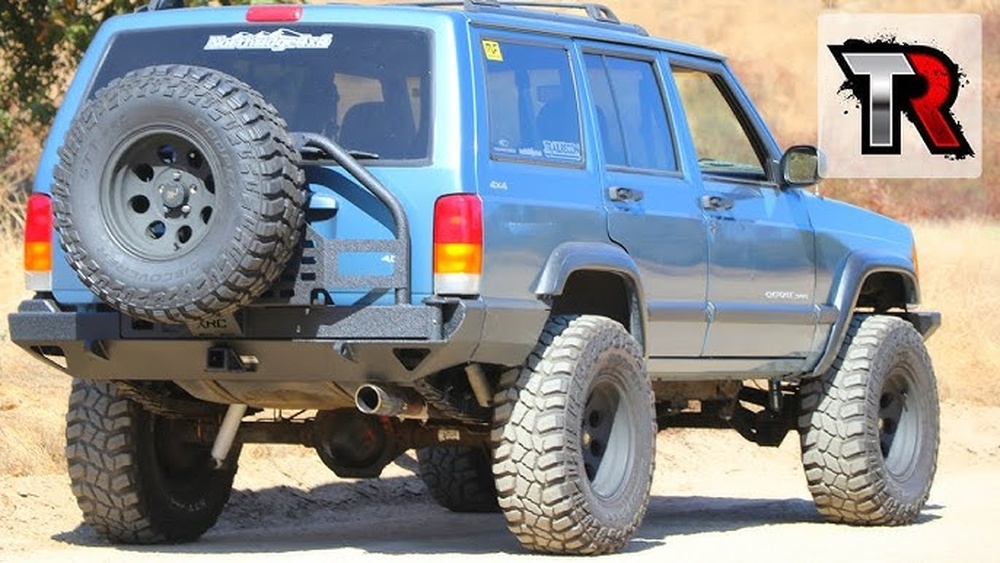
What Is A Jeep Xj Spare Tire Carrier?
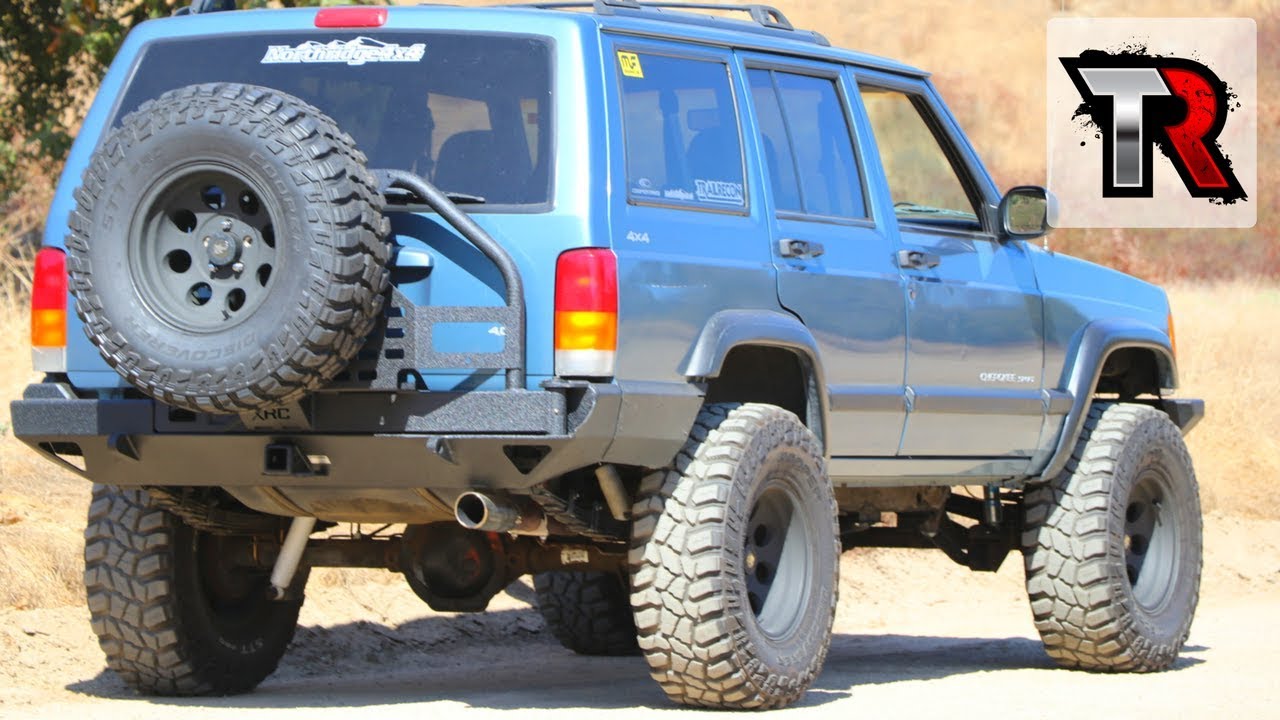
A spare tire carrier is a special mount made for the Jeep Cherokee XJ (model years 1984–2001). It attaches outside the vehicle, usually to the rear bumper or tailgate, allowing you to carry a larger spare tire. This upgrade is popular among off-road enthusiasts and anyone using oversized tires.
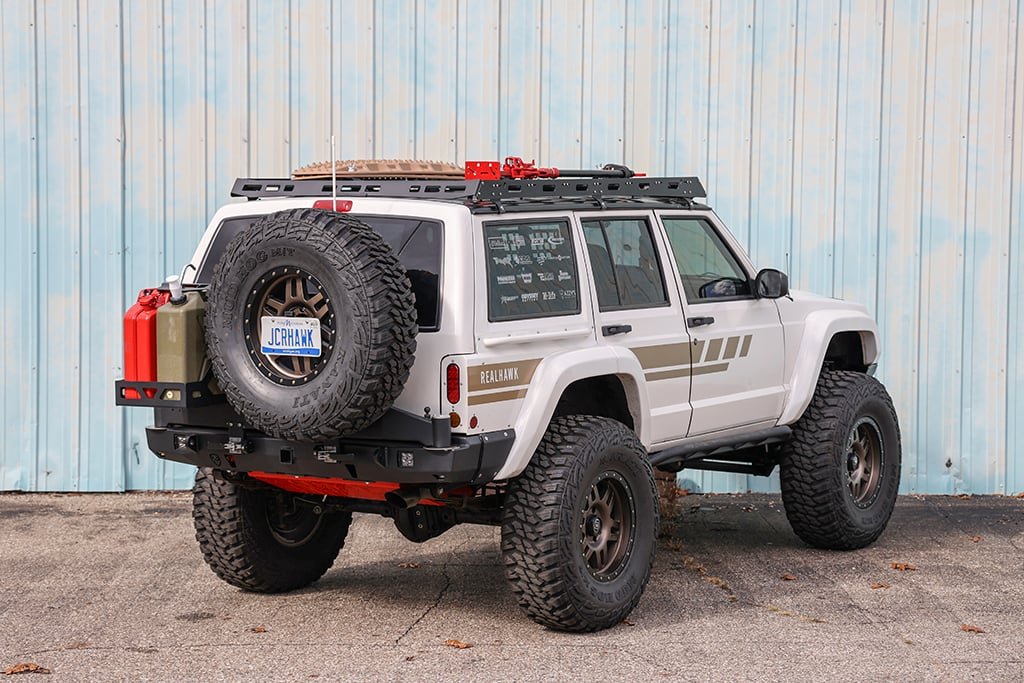
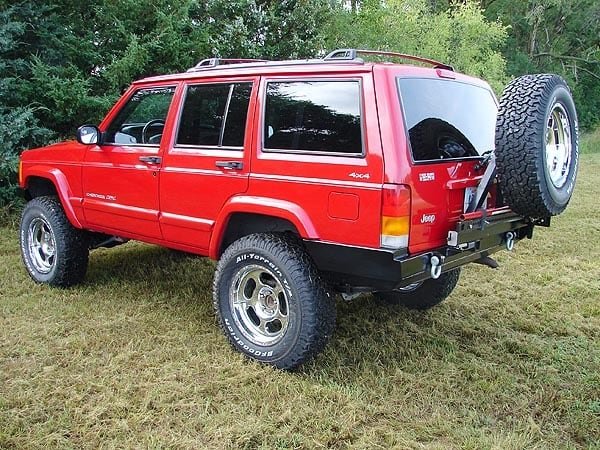
Some carriers are bumper-mounted, while others swing out for easy access. Unlike the internal factory mount, these carriers protect your cargo space and handle heavier tires.
They often include extra features like jerry can mounts or high-lift jack brackets.
Jeep Xj Compatibility And Model Differences
The Jeep XJ was produced from 1984 to 2001. It includes several trims—Sport, Limited, Classic, and Country. Engines range from the 4.0L inline-six to smaller four-cylinder options. Most carriers fit all XJ models, but there are key differences to check:
- Trim Level: Some carriers include extra brackets or finishes that match higher trims like Limited or Classic.
- Engine & Transmission: These do not affect carrier compatibility directly, but towing or heavy payloads may require a stronger carrier.
- Body Style: Two-door and four-door XJs use the same rear body shape, so carriers are generally universal.
- Towing: If you tow a trailer, check if the carrier blocks your hitch receiver or affects tongue weight.
- Safety: Aftermarket carriers should not block tail lights or license plates. Some offer relocation kits.
Other Jeep models (JK, JL, TJ, WK, WL) use different mounts and rear designs. XJ carriers will not fit these platforms.
Choosing The Right Spare Tire Carrier
Before buying a carrier, consider these factors:
- Tire Size: Check your spare’s diameter and width. Most carriers fit up to 35-inch tires.
- Mounting Style: Swing-out carriers offer easy access but cost more. Fixed bumper mounts are cheaper.
- Material: Look for heavy-duty steel or reinforced aluminum.
- Finish: Powder coating resists rust and corrosion.
- Extras: Some carriers support jerry cans, recovery gear, or ladders.
Check the specifications and compatibility chart before ordering:
| Carrier Type | Max Tire Size | Material | Mounting Location | Extras |
|---|---|---|---|---|
| Swing-Out | 35″ | Steel | Rear bumper | Jerry can, jack mount |
| Fixed Bumper | 33″ | Aluminum | Rear bumper | None |
| Roof Rack Carrier | 32″ | Steel | Roof rack | Ladder |
Common mistake: Some buyers order carriers made for the Jeep JK or JL (Wrangler models). These will not fit the Cherokee XJ. Always check the model year and platform.
Installation Steps And Tips
Installing a Jeep XJ spare tire carrier is a straightforward process. Most owners can do it with basic tools.
- Gather Tools: Wrenches, sockets, drill, measuring tape, torque wrench.
- Remove Factory Mount: If your XJ has an internal mount, take it out to free space.
- Position Carrier: Hold the carrier in place, mark holes, and ensure alignment.
- Drill Holes: Drill mounting holes in the bumper or body as needed.
- Bolt Carrier: Secure with grade 8 bolts. Tighten to manufacturer’s torque spec.
- Install Tire: Place the spare on the carrier and lock it with the supplied hardware.
Installation tips:
- Use anti-seize on bolts to prevent rust.
- Check carrier alignment before final tightening.
- If your carrier blocks the license plate, relocate it with the included kit.
Estimated installation time: 1–2 hours.
Maintenance And Safety
A spare tire carrier is durable, but regular maintenance keeps it safe.
- Inspect bolts every 6 months for tightness.
- Check for rust and repaint as needed.
- Lubricate swing-out hinges if equipped.
- Confirm the tire is secure before each trip.
If you notice rattling, looseness, or misalignment, address these issues quickly. A loose carrier can damage your bumper or fall off on rough trails.
Safety tip: Make sure the carrier does not cover tail lights or the license plate. Some states require visibility for legal driving.
Comparing Jeep Xj Spare Tire Carrier Brands
Choosing a brand matters for durability and fit. Here’s a comparison of popular options:
| Brand | Price (USD) | Warranty | Finish | Max Tire Size |
|---|---|---|---|---|
| Smittybilt | $350 | Lifetime | Powder coated | 35″ |
| JCR Offroad | $500 | 3 years | Powder coated | 35″ |
| Rock Hard 4×4 | $600 | 5 years | Painted steel | 37″ |
Non-obvious insight: Some carriers use universal mounts, but quality varies. A poor fit can cause rattling or early failure. Always check reviews and return policies.
Buying Tips And Avoiding Common Mistakes
When shopping for a spare tire carrier, keep these points in mind:
- Confirm it’s made for Jeep XJ (1984–2001).
- Choose the right finish—powder coating lasts longer in wet climates.
- If you tow, make sure the carrier does not block your hitch.
- Some cheaper carriers lack reinforcement for heavy tires.
- Ask about warranty and customer support.
Hidden detail: Many carriers require drilling. If you want a no-drill solution, look for bolt-on models.
For more technical specifications and Jeep history, visit Wikipedia.
Frequently Asked Questions
How Do I Know If A Spare Tire Carrier Fits My Jeep Xj?
Check the carrier’s specs. It should list compatibility for Jeep XJ Cherokee (1984–2001). Avoid carriers for JK, JL, TJ, or other platforms.
Will A Spare Tire Carrier Affect My Towing?
Some carriers block the hitch or reduce tongue weight. Look for carriers with hitch access or ask the manufacturer about towing compatibility.
Can I Install A Carrier Myself?
Most XJ carriers are DIY-friendly. Basic tools and 1–2 hours are needed. Follow the instructions and use proper torque.
What Is The Average Cost For A Jeep Xj Spare Tire Carrier?
Prices range from $300–$700 depending on brand, material, and extras. Installation can be free (DIY) or $100–$200 at a shop.
Do I Need To Relocate My License Plate Or Tail Lights?
If the carrier covers your plate or lights, use a relocation kit. Some carriers include this; others need an extra purchase.
If you’re ready for a safer, more practical way to carry your spare, a Jeep XJ spare tire carrier is the best solution. With proper research and installation, you’ll enjoy peace of mind on every adventure.
Suggested internal-link anchor texts:
- Jeep XJ roof rack upgrade
- Off-road tire size guide
- Jeep XJ towing tips