Enhancing Your Jeep Xj’s Grip: The Lace-up Steering Wheel Cover
The Jeep Cherokee XJ is an icon. For years, it’s been a go-to vehicle for off-road adventures, daily commutes, and everything in between.
While its rugged charm and capability are undeniable, one area that can often feel a bit dated or worn is the steering wheel. A worn-out steering wheel not only looks bad but can also affect your grip, especially during demanding driving conditions or on long journeys.
This is where a Jeep XJ lace-up steering wheel cover becomes an essential upgrade. It’s a simple, affordable solution that brings a fresh look, improved comfort, and much-needed enhanced grip to your beloved XJ.
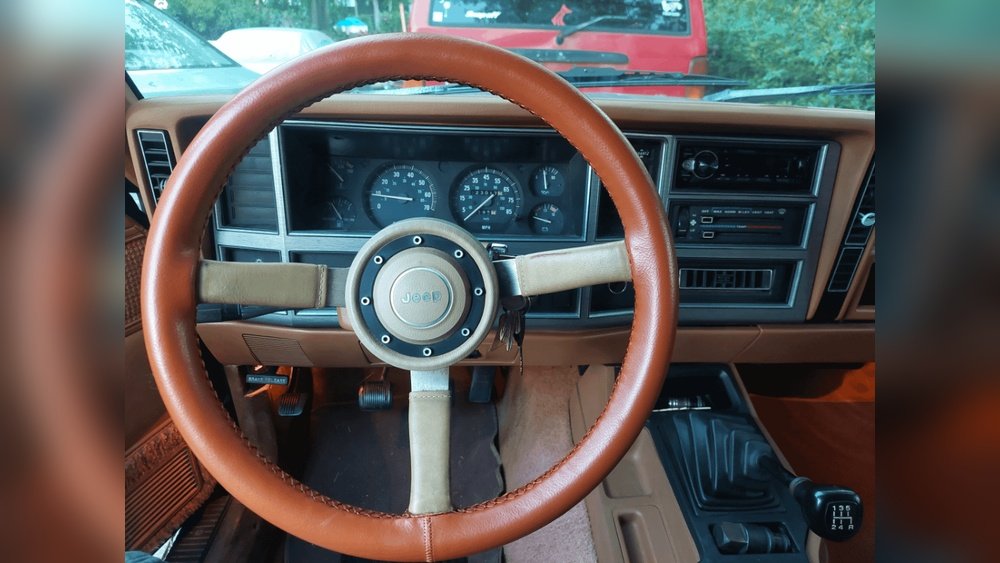
This isn't just about aesthetics; it's about control and connection to your vehicle. A good steering wheel cover can transform the driving experience, making your XJ feel more responsive and secure in your hands.
Whether you're tackling challenging trails where precise steering is crucial or simply want a more comfortable feel on your daily drive, a lace-up cover offers a tailored fit and a tactile experience that many other covers can't match.
We’ll explore why this specific type of cover is so popular for the XJ, what materials to look for, how to install it, and what benefits you can expect.
Why Choose A Lace-up Cover For Your Jeep Xj?
The Jeep XJ, produced from 1984 to 2001, has a distinctive steering wheel design. Many original steering wheels, over time, can become smooth, cracked, or even sticky due to sun exposure and heavy use. This is where a lace-up steering wheel cover shines. Unlike slip-on covers that can sometimes rotate or feel loose, the lace-up design offers a custom-like fit. The process of lacing it around the original wheel pulls the cover taut, creating a snug and secure bond that won’t shift during operation.
This secure fit is particularly important for Jeep owners who often put their vehicles through rigorous use. Off-roading, for instance, requires constant, precise steering adjustments.
A cover that moves or feels sloppy can be distracting and even dangerous. The lace-up method ensures the cover becomes an integral part of the steering wheel, providing a consistent and reliable surface to grip.
Furthermore, the tactile feedback offered by a lace-up cover is a significant advantage. Many are made from materials like leather or synthetic suede, which provide a much better grip than a worn factory wheel. This enhanced grip can reduce hand fatigue on long drives and give you more confidence when navigating difficult terrain.
Materials And Options: Finding The Right Fit For Your Xj
When selecting a Jeep XJ lace-up steering wheel cover, the material is a primary consideration. Each material offers a different feel, durability, and aesthetic.
Leather Covers
Leather is a classic choice for steering wheel covers, and for good reason. It’s durable, comfortable, and develops a nice patina over time.
- Pros: Excellent grip, durable, feels premium, good temperature regulation (less hot in summer, less cold in winter compared to some synthetics).
- Cons: Can be more expensive, requires some care (conditioning), can be slippery when new or if not properly broken in.
- Types: Genuine leather offers the best feel and durability but comes at a higher price. Split leather or bonded leather can be more affordable but may not last as long or feel as good.
For an XJ owner who values a traditional feel and long-term wear, a genuine leather lace-up cover is an excellent option. It provides a substantial feel and a grip that improves with use.
Synthetic Suede/alcantara Covers
For those seeking an even sportier and grippier feel, synthetic suede or Alcantara (a high-end synthetic material often used in performance cars) is a fantastic choice.
- Pros: Extremely high grip, soft and comfortable feel, sporty appearance, resistant to fading.
- Cons: Can be more prone to showing dirt and wear marks, may not offer the same temperature regulation as leather.
- Availability: Many aftermarket covers are made from high-quality synthetic suede that mimics the feel of Alcantara at a lower cost.
If your XJ sees a lot of off-road action where a firm, non-slip grip is paramount, a synthetic suede cover is hard to beat. It offers confidence-inspiring traction even in wet or muddy conditions.
Other Materials
While leather and synthetic suede are the most popular, you might find covers made from other materials like:
- Perforated Leather: Offers breathability and a unique look, often combined with a smooth leather.
- Carbon Fiber Look: Primarily aesthetic, usually combined with a grip material on the sides.
- Rubber/Silicone: Less common for lace-up styles, but some offer enhanced grip.
When choosing, consider your climate, how you use your Jeep, and your personal preference for feel.
Installation: The Diy Lace-up Process
Installing a lace-up steering wheel cover might seem daunting, but it’s a straightforward DIY project that can be completed in an afternoon. The key is patience and attention to detail.
Most kits come with the cover, a lacing thread, and a needle.
Here’s a general step-by-step guide:
- Preparation: Ensure the steering wheel is clean and dry. You might want to remove the steering wheel cover from the original wheel if it’s a separate piece, though most lace-up covers are designed to go directly over the factory plastic or leather.
- Positioning: Drape the cover over your steering wheel, aligning it properly. Make sure the seams and any specific designs are oriented correctly.
- Starting the Lacing: Most covers have pre-punched holes around the edge. You’ll typically start lacing from the back of the wheel, near the top or bottom. Thread the needle through the first hole and pull the thread through, leaving a tail.
- The Lacing Stitch: The most common stitch is a simple cross-stitch or whipstitch. You’ll pass the needle through a hole on one side, then across to the corresponding hole on the other side, pulling the thread snug. Repeat this process for each pair of holes.
- Pro Tip: Keep the tension consistent. If you pull too hard on one section, it can distort the cover. If you don’t pull enough, the cover might feel loose.
- Securing the Ends: When you reach the starting point, you’ll need to tie off the thread securely. Many kits include instructions for a specific knot that hides the ends or integrates them neatly.
- Finishing Touches: Trim any excess thread. Some covers come with small plastic caps or toggles to further secure the starting and ending knots.
Common Mistakes to Avoid:
- Rushing: Take your time. It’s better to spend an extra hour than to have a poorly installed cover.
- Uneven Tension: This is the most common issue. Try to pull each stitch with similar force.
- Incorrect Alignment: Ensure the cover is centered and straight before you start lacing. It’s much harder to adjust later.
- Using the Wrong Needle/Thread: Always use the materials provided in the kit, as they are designed for the specific cover.
The entire process typically takes between 1 to 3 hours, depending on your skill level and the complexity of the cover. The result is a tightly fitted, professional-looking steering wheel cover that feels like it came from the factory.
Benefits Beyond Grip: Comfort, Aesthetics, And Protection
While enhanced grip is a primary reason for choosing a lace-up steering wheel cover for your Jeep XJ, the benefits extend much further.
Improved Driving Comfort
A worn or hard steering wheel can lead to discomfort, especially on longer drives. A well-chosen lace-up cover adds a layer of cushioning and a more ergonomic feel.
- Reduced Vibration: Some materials can help dampen road vibrations, making the steering feel smoother and less fatiguing.
- Temperature Control: Leather and perforated materials can help regulate temperature, keeping the wheel from becoming excessively hot in the summer sun or uncomfortably cold in the winter. This means you can often grab the wheel without hesitation, regardless of the weather.
- Softer Touch: The added padding and material texture provide a more pleasant tactile experience, reducing strain on your hands and wrists.
In my experience, upgrading a stiff, worn steering wheel with a quality leather lace-up cover made a noticeable difference on my own long road trips. The wheel felt less harsh, and my hands didn’t get as tired.
Enhanced Aesthetics
The interior of your Jeep XJ can be significantly upgraded with a new steering wheel cover. A worn, cracked steering wheel can make the entire cabin feel dated. A new cover can:
- Modernize the Interior: A sleek leather or sporty suede cover can instantly give your XJ’s interior a more modern and premium look.
- Match Your Style: With various colors and textures available, you can choose a cover that complements your existing interior or adds a personal touch. Black is classic, but options like charcoal, tan, or even red stitching can add character.
- Hide Imperfections: If your original steering wheel is damaged, a lace-up cover is an excellent way to conceal scratches, cracks, or fading without the expense of replacing the entire steering wheel.
Protection For Your Original Wheel
Your Jeep XJ’s original steering wheel is exposed to constant wear and tear from your hands, UV rays, and environmental factors. A steering wheel cover acts as a protective barrier:
- Prevents Further Damage: It shields the original material from the elements, preventing future cracking, fading, and wear.
- Maintains Resale Value: By protecting the original steering wheel, you help preserve the vehicle’s condition, which can be beneficial if you ever decide to sell your XJ.
Choosing The Right Size And Fit For Your Xj
While most lace-up steering wheel covers are designed to fit a standard range of steering wheel diameters, it’s crucial to get the right size for your Jeep XJ. Most XJs came with a steering wheel around 14-15 inches in diameter.
When purchasing, check the product description carefully. Manufacturers usually specify the diameter range the cover is designed for.
Measure your steering wheel if you're unsure. You can do this by measuring from the outside edge on one side, across the center, to the outside edge on the other side.
A cover that is too small will be difficult to lace and may not cover the entire wheel. A cover that is too large will result in a loose, sloppy fit, defeating the purpose of a lace-up design.
The snugness achieved through the lacing process is key to the secure and custom feel of these covers.
Comparing Lace-up Covers To Other Types
It’s helpful to understand how lace-up covers stack up against other common steering wheel cover options.
Slip-on Covers
These are the most common type. You simply stretch them over the existing steering wheel.
- Pros: Easy and quick to install, generally less expensive.
- Cons: Can slip or rotate, may not fit as snugly, can sometimes look bulky or cheap.
- XJ Application: While easy, the potential for slipping is a significant drawback for an off-road-capable vehicle like the XJ.
Clamp-on Covers
These often involve a two-piece design that clamps around the steering wheel.
- Pros: Can offer a secure fit.
- Cons: Can be bulky, may not fit all steering wheel shapes, installation can be tricky.
- XJ Application: Less common and often less aesthetically pleasing than lace-up options.
Custom-fitted Covers
These are often made-to-measure or designed for specific vehicle models.
- Pros: Perfect fit, often high quality.
- Cons: Can be very expensive, may require professional installation.
- XJ Application: A good option if budget allows, but a well-installed lace-up cover can achieve a similar result for much less.
Key Differentiating Factors
| Feature | Lace-Up Cover | Slip-On Cover | Clamp-On Cover | Custom-Fitted Cover |
|---|---|---|---|---|
| **Installation** | Requires lacing (1-3 hours) | Very easy (minutes) | Moderate (can be fiddly) | Varies (can be DIY or professional) |
| **Fit** | Very snug, custom-like | Can be loose or baggy | Can be secure, but may be bulky | Perfect fit |
| **Grip** | Excellent (material dependent) | Varies (often less secure) | Varies | Excellent (material dependent) |
| **Aesthetics** | Can look very professional and integrated | Varies (can look cheap or bulky) | Varies (often less refined) | Usually high-end and integrated |
| **Cost** | Mid-range | Low to mid-range | Mid-range | High to very high |
| **Durability** | High (depends on material and installation) | Varies | Varies | High |
The Jeep XJ lace-up steering wheel cover strikes an excellent balance between ease of installation (DIY-friendly), cost-effectiveness, and a superior, secure fit compared to basic slip-on types. It offers a level of customization and tactile feedback that makes it a favorite among dedicated XJ enthusiasts.
Maintaining Your Steering Wheel Cover
To ensure your lace-up steering wheel cover lasts for years and continues to provide the best grip and comfort, proper maintenance is key. The specific care depends on the material.
Leather Covers
- Cleaning: Use a damp cloth to wipe away dust and light dirt. For tougher grime, use a dedicated leather cleaner. Apply it to a cloth, not directly to the wheel, and gently scrub.
- Conditioning: Leather can dry out over time, leading to cracking. Apply a leather conditioner every 6-12 months. This replenishes the oils in the leather, keeping it soft and supple. Again, apply with a soft cloth.
- Protection: Avoid harsh chemicals or abrasive cleaners. If you frequently drive in sunny areas, consider a UV protectant specifically designed for automotive leather.
Synthetic Suede/alcantara Covers
- Cleaning: Use a soft brush or a slightly damp microfiber cloth to remove dust and light dirt. For stains, use a cleaner specifically designed for synthetic suede or Alcantara. Always test in an inconspicuous area first.
- Restoring Nap: Over time, the fibers