Enhancing Your Jeep Xj’s Interior: A Deep Dive Into Lace-up Steering Wheel Covers
The Jeep Cherokee XJ is an iconic vehicle, beloved for its rugged capability and classic design. For many owners, the XJ isn't just a mode of transportation; it's a faithful companion on countless adventures.
Over time, the original steering wheel can show wear and tear, becoming smooth, slippery, or even uncomfortable to the touch. This is where a Jeep XJ lace-up steering wheel cover becomes an essential upgrade.
More than just a cosmetic fix, these covers offer a tangible improvement in grip, comfort, and overall driving experience, especially for those who spend significant time behind the wheel.
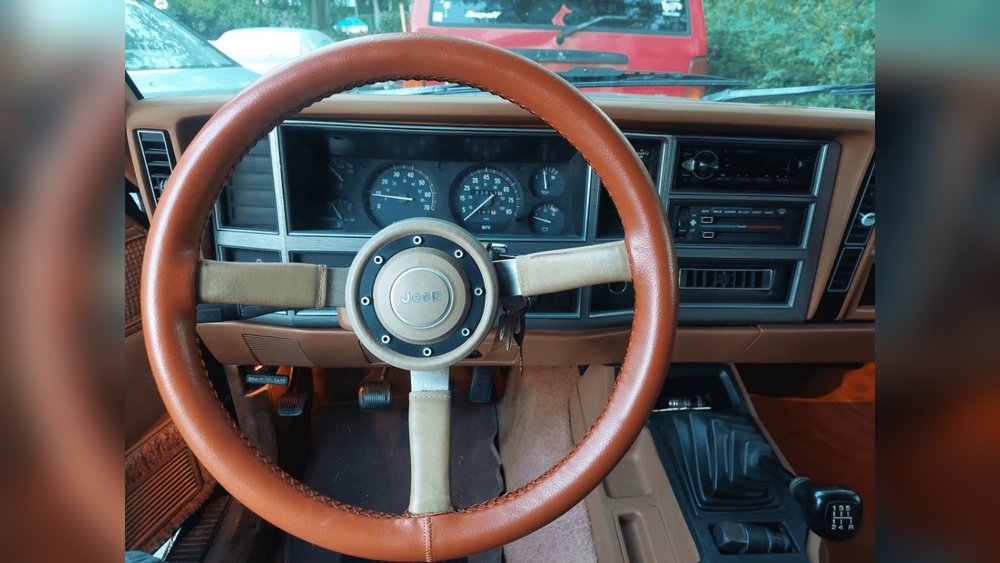
This article will explore the world of Jeep XJ lace-up steering wheel covers. We’ll discuss why they are a popular choice, the materials they are made from, how to choose the right one, and most importantly, the step-by-step process of installing one yourself.
Whether you’re looking to restore a worn-out wheel or simply enhance the feel of your daily driver, understanding these covers can help you make an informed decision and enjoy a more connected driving experience.
Why Choose A Lace-up Steering Wheel Cover For Your Jeep Xj?
The appeal of a lace-up steering wheel cover for an XJ goes beyond mere aesthetics. These covers are designed for a snug, permanent fit that mimics the feel of an original, high-quality steering wheel, often with a superior grip.
Unlike slip-on covers, which can sometimes rotate or feel loose, the lace-up design ensures the cover becomes an integral part of the steering wheel itself.
One of the primary benefits is improved grip. Over years of use, especially in a vehicle like the XJ which is often used for off-roading or in varied weather conditions, the original steering wheel material can become slick. A lace-up cover, typically made from materials like leather or synthetic suede, provides a textured surface that offers a much more secure hold. This enhanced grip can lead to greater control and confidence, particularly during challenging driving maneuvers or when navigating rough terrain.
Comfort is another significant factor. The original steering wheels, especially older ones, might have a diameter that feels too thin for some drivers, or the material might feel hard. A lace-up cover adds a slight thickness and a more ergonomic feel, making long drives much more comfortable. The texture also prevents hands from slipping, reducing fatigue and the need to constantly readjust your grip.
Furthermore, these covers offer protection for the original steering wheel. If your XJ’s wheel is already showing signs of wear, a lace-up cover can prevent further damage, preserving its condition. If the wheel is already damaged, the cover provides a cost-effective way to refresh the interior without the expense of a full steering wheel replacement.
Finally, there’s the customization aspect. While the Jeep XJ has a classic look, owners often enjoy personalizing their vehicles. A lace-up cover, available in various colors and stitching options, allows you to add a personal touch to the interior, making it feel unique and tailored to your preferences. It’s a subtle modification that can significantly impact the overall feel of the cabin.
Materials And Construction: What To Expect
The materials used in Jeep XJ lace-up steering wheel covers are crucial to their performance and feel. The most common and highly regarded material is genuine leather.
Genuine Leather
Leather covers offer a premium feel and excellent durability. High-quality leather is soft yet strong, providing a comfortable and secure grip.
Over time, genuine leather develops a patina, meaning it ages gracefully and can even become more comfortable with use.
It’s also breathable, which helps keep your hands from getting too sweaty during long drives or in warm weather.
- Pros: Durable, comfortable, premium feel, develops a patina, good grip.
- Cons: Can be more expensive, requires some care (conditioning), may be slippery when wet if not treated.
Synthetic Suede (alcantara-like)
Synthetic suede, often marketed as Alcantara (though true Alcantara is a specific brand), offers a velvety texture that provides an exceptional grip, even when your hands are slightly damp. It’s known for its luxurious feel and sporty appearance.
This material is also very durable and easy to clean.
- Pros: Excellent grip, luxurious feel, durable, easy to clean, sporty look.
- Cons: Can be more expensive than basic vinyl, may show wear marks from fingernails or sharp objects, can absorb oils and become slick if not cleaned regularly.
Perforated Leather
Many high-quality covers feature perforated leather on certain sections. Perforations are small holes punched into the material. These serve a dual purpose: they enhance breathability, allowing air to circulate and reducing sweat buildup, and they add a distinct visual appeal, often giving the steering wheel a more performance-oriented look.
Stitching Options
The stitching is a key component of the lace-up design and also a point of customization. Common stitching colors include black, grey, red, and blue.
The type of stitch used can also vary, with some covers featuring a more robust, sportier stitch pattern.
The color of the stitching can either blend in with the cover material for a subtle look or contrast sharply to make a statement.
Choosing The Right Jeep Xj Lace-up Steering Wheel Cover
With several options available, selecting the right cover for your Jeep XJ involves considering a few key factors to ensure you get the best fit, feel, and durability.
Size And Fit
The Jeep XJ typically uses a standard steering wheel size. However, it’s always wise to double-check the diameter and circumference of your specific steering wheel before purchasing.
Most lace-up covers are designed to fit a wide range of standard steering wheels, but manufacturers usually provide dimensions or compatibility charts.
A cover that is too small will be difficult to install and may not cover the entire wheel, while one that is too large might not provide a snug fit.
Material And Texture
As discussed, the choice between leather and synthetic suede depends on your preference for feel and grip. If you prioritize a classic, premium feel and long-term durability, genuine leather is an excellent choice. If you want maximum grip, a sporty look, and a soft, velvety touch, synthetic suede might be better. Consider the conditions you most often drive in. For hot climates or if you tend to have sweaty hands, perforated leather or synthetic suede can offer better breathability and grip.
Color And Style
Think about the interior of your Jeep XJ. Do you want the cover to blend in seamlessly with the existing dashboard and seat colors, or do you want it to be a focal point?
Black and dark grey are popular choices for a subtle, classic look.
Red or blue stitching can add a pop of color and a sporty flair, especially if you have matching accents elsewhere in your interior.
Brand Reputation And Reviews
When possible, opt for covers from reputable brands known for quality automotive accessories. Reading customer reviews can provide valuable insights into the durability, ease of installation, and overall satisfaction with a particular product.
Look for feedback on how well the cover holds up over time, especially concerning grip and wear.
Ease Of Installation
While all lace-up covers require some effort to install, some designs might be slightly easier than others. Consider the length of the lacing material provided and the quality of the included needle.
Most kits come with everything you need, but it’s good to be aware that this is not a quick, 5-minute job.
Step-by-step Installation Guide: A Diy Project
Installing a lace-up steering wheel cover on your Jeep XJ is a rewarding DIY project that, while requiring patience, is definitely achievable for most enthusiasts. The result is a custom-fitted cover that looks and feels like it came straight from the factory.
What You’ll Need
Most lace-up steering wheel cover kits come with the following:
- The Cover: Made from your chosen material (leather, suede, etc. ).
- Lacing Material: Usually a strong, synthetic thread or a thin strip of matching leather.
- Needle: A sturdy, curved needle specifically designed for this purpose.
- Instructions: Although we’ll cover it here, the manufacturer’s instructions are also helpful.
You might also want:
- Scissors: To cut the lacing material if needed.
- Pliers (optional): Small needle-nose pliers can help pull the lacing tight.
- Duct Tape or Masking Tape: To temporarily secure the cover in place before lacing.
- A small flathead screwdriver or trim tool: To tuck in the edges.
The Installation Process
Preparation is Key:
- Clean Your Steering Wheel: Before you begin, thoroughly clean your original steering wheel. Use an appropriate interior cleaner and a microfiber cloth to remove any grease, dirt, or grime. This ensures a clean surface for the cover and better adhesion if any adhesive is used (though most lace-up covers don’t rely on adhesive).
- Position the Cover: Lay the steering wheel cover flat on a clean surface. Identify the top, bottom, and sides. Most covers have a seam or a specific orientation. Place the cover over your steering wheel, ensuring it is centered and aligned correctly. The edges of the cover should ideally align with the edges of the original steering wheel’s grip area.
- Initial Securing (Optional but Recommended): To prevent the cover from shifting during the lacing process, you can use small pieces of duct tape or masking tape to hold it in place. Apply tape along the inner edge of the cover, securing it to the steering wheel at several points.
The Lacing Process:
This is the most time-consuming part. Take your time and work methodically.
- Thread the Needle: Thread the lacing material through the eye of the curved needle. You’ll likely want a significant length of lacing material to avoid having to tie knots frequently. Some people prefer to work with a very long piece, while others prefer shorter sections for easier handling.
- Start Lacing: Begin at one point, usually the back of the steering wheel near the bottom or top. Insert the needle through one of the pre-drilled holes in the cover, then through the corresponding hole in the opposite side of the steering wheel.
- The Stitch: There are several lacing techniques, but a common and effective one is the baseball stitch.
- Pass the needle through a hole on one side, then through the hole directly across on the other side.
- Pull the lacing tight.
- Now, bring the needle back underneath the lacing you just created, and pass it through the same hole on the opposite side you just came from. This creates a loop around the edge of the steering wheel.
- Continue this pattern: Through one hole, across to the opposite hole, pull tight, then loop back under the existing lacing and through the same hole.
- Maintaining Tension: Consistent tension is crucial for a professional look. Pull each stitch firmly, but not so hard that you tear the material or the lacing. Use your fingers or pliers to ensure each stitch is snug against the previous one.
- Working Around the Wheel: Continue lacing, moving systematically around the steering wheel. You can work in sections or go all the way around. Some people prefer to lace one side completely, then the other. Others lace continuously.
- Dealing with Corners and Spokes: When you reach the spokes of the steering wheel, you’ll need to adapt your lacing technique slightly. Most covers are designed with extra material or specific hole patterns to accommodate the spokes smoothly. You might need to skip a hole or adjust your path to ensure the cover lies flat and doesn’t bunch up. Take extra care here to maintain a neat appearance.
- Finishing Off: When you reach your starting point, you’ll need to tie off the lacing securely.
- Pass the needle through the last hole and pull tight.
- Tie a strong knot (e.g., a double knot) using the end of the lacing and the beginning tail.
- Some kits provide extra lacing to create a decorative knot or to tuck the ends away neatly.
- Trim any excess lacing material, leaving a small tail to prevent the knot from unraveling.
Final Touches:
- Tuck Edges: Once laced, use a small flathead screwdriver or trim tool to carefully tuck any slight overhangs of the cover material into the seams or edges of the steering wheel.
- Remove Tape: Carefully remove any tape you used to secure the cover.
- Inspect Your Work: Look over the entire wheel. Ensure all stitches are tight, the cover is smooth, and there are no loose ends.
Pro Tip: If you find the lacing material is difficult to pull tight, try soaking it in warm water for a few minutes. This can make it more pliable. Once it dries, it will shrink slightly, creating even tighter stitches.
Benefits Beyond Grip And Comfort
While superior grip and enhanced comfort are the most immediate benefits of a Jeep XJ lace-up steering wheel cover, the advantages extend further, impacting the driving experience and vehicle ownership in subtle yet significant ways.
Increased Durability And Protection
A well-installed lace-up cover acts as a protective layer for your original steering wheel. Over time, UV exposure, constant contact with hands, and friction can degrade the material of the stock steering wheel, leading to cracking, fading, or a shiny, worn appearance.
The cover shields the original wheel from these elements, helping to preserve its condition. This is particularly valuable for XJs that are daily drivers or have spent years exposed to the elements.
If your steering wheel is already showing signs of wear, a lace-up cover is a cost-effective way to refresh its appearance and prevent further deterioration, potentially increasing the vehicle's resale value.
Improved Aesthetics And Interior Personalization
The interior of your Jeep XJ is where you spend most of your time while driving. A worn or dated steering wheel can detract from the overall look and feel of the cabin. A new lace-up cover, especially one with contrasting stitching or a premium material like perforated leather, can significantly upgrade the interior aesthetics. It adds a touch of sportiness or luxury, depending on the style chosen, making the cabin feel more modern and personalized. It’s a relatively inexpensive modification that can have a dramatic impact on the perceived quality of the interior. Many owners find that the tactile improvement translates to a more enjoyable driving experience, making even mundane commutes feel more engaging.
Reduced Hand Fatigue On Long Journeys
For those who frequently embark on long road trips or spend extended periods driving their XJ, hand fatigue can be a real issue. A steering wheel that is too thin or made of a slippery material forces your hands to work harder to maintain a secure grip.
A thicker, textured lace-up cover provides a more substantial and comfortable grip, reducing the effort required to steer. This can lead to less hand and