The Jeep XJ Cherokee is a favorite among off-road fans. Its boxy shape, strong frame, and easy upgrades make it a great platform for adventure. One popular upgrade is switching to flat fender flares. These flares change the look of your Jeep and help you tackle tough trails with bigger tires and more clearance. If you’re thinking about this mod, here’s what you need to know.
Why Flat Fender Flares For Jeep Xj?
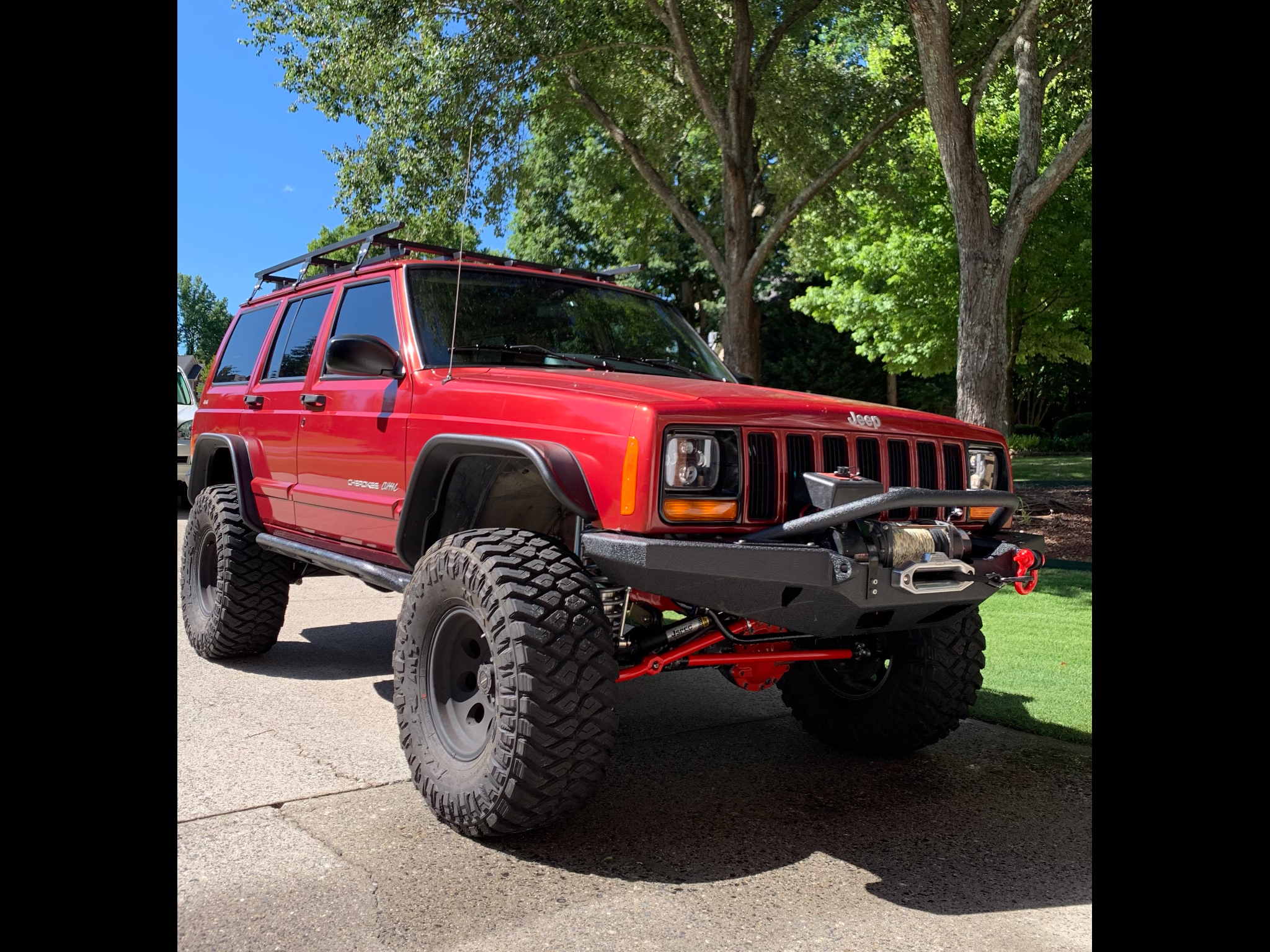
Flat fender flares are different from factory flares. They give your Jeep a sleek, aggressive look and more space for larger tires. Stock flares are rounded and stick out, limiting how big your tires can be. Flat flares sit closer to the body, freeing up space for up to 35-inch tires on some builds. This means you can run bigger tires without cutting too much metal.
Flat flares also protect your Jeep’s body. They stop mud, rocks, and debris from hitting your paint.
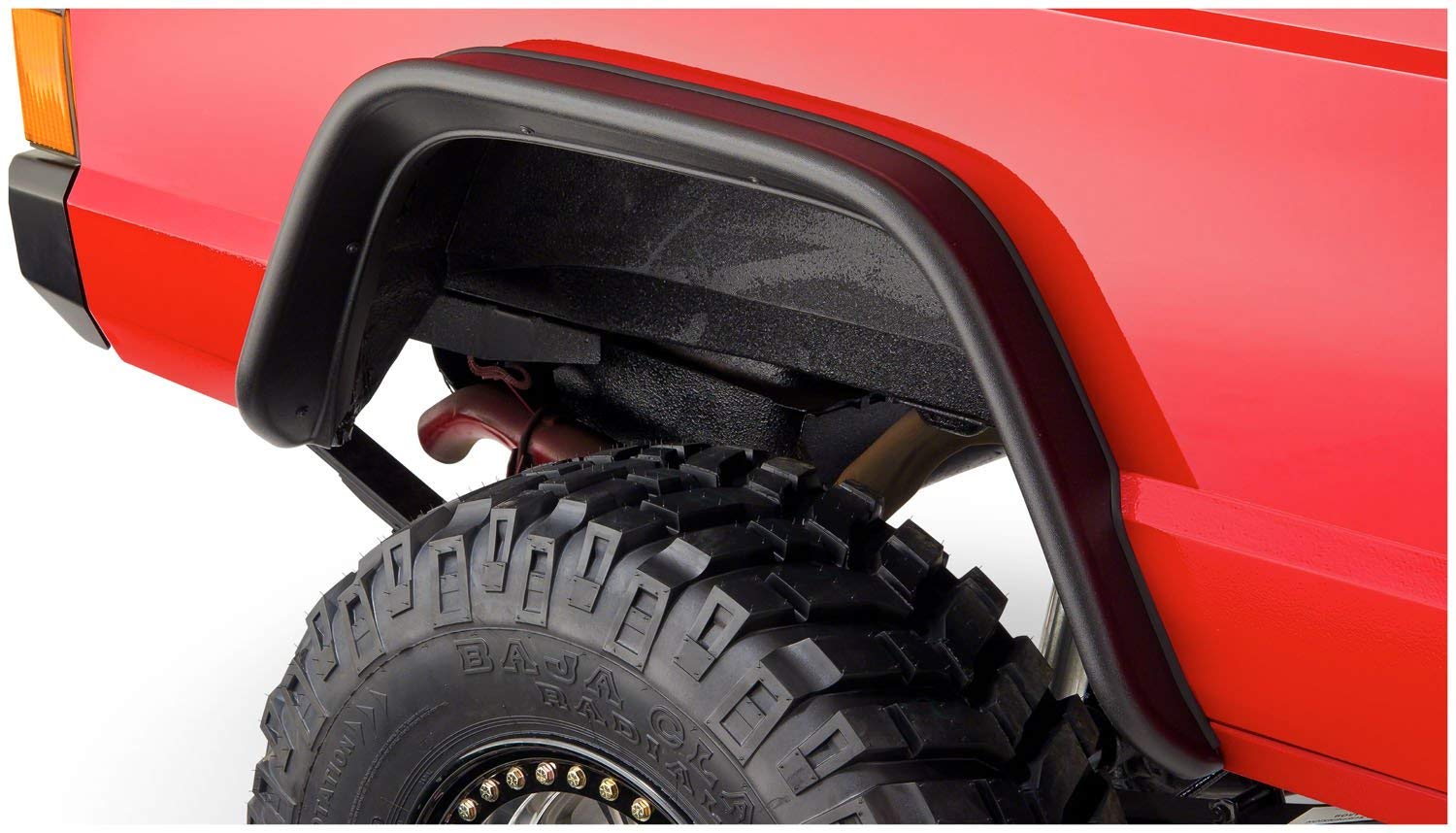
Many are made from tough plastics or steel, so they can handle hits from branches or rocks.
Key Features To Look For
If you’re buying Jeep XJ flat fender flares, pay attention to:
- Material: Most flares are made from ABS plastic or steel. ABS is light and flexible, while steel is strong but heavier.
- Width: Wider flares cover more tire, which helps with legal requirements and keeps mud off your Jeep.
- Installation: Some flares need cutting and drilling. Others bolt right on. Decide if you want a simple upgrade or a full custom look.
- Finish: Flat flares come in black, textured, or paintable finishes. Pick what matches your Jeep’s style.
Here’s a quick comparison of common materials:
| Material | Durability | Weight | Typical Price |
|---|---|---|---|
| ABS Plastic | Good | Light | $200-$350 |
| Steel | Excellent | Heavy | $350-$600 |
| Aluminum | Very Good | Medium | $300-$500 |
Installation: What To Expect
Installing flat fender flares is a hands-on job. Most kits include all the hardware, but some require you to trim the factory sheet metal.
This can be scary if you’re new to mods. Take your time, use the right tools, and measure twice before cutting.
Here’s a simple step-by-step guide:
- Remove old flares and clean the area.
- Mark and cut (if needed) according to the instructions.
- Test-fit the new flares to check alignment.
- Drill holes for mounting (if required).
- Attach flares using supplied bolts or screws.
- Check for tire clearance and adjust as needed.
It usually takes 3-5 hours for a first-time installer. If you’re not comfortable cutting, ask a shop for help.
Benefits Beyond Looks
Flat fender flares aren’t just for style. They have real advantages:
- More tire clearance: Go bigger without rubbing.
- Better approach angles: Get over rocks and obstacles easier.
- Stronger protection: Guard your Jeep from trail damage.
- Legal compliance: Wider flares can keep you road-legal in some states.
Some Jeep owners notice less mud on the windows after adding flat flares. Others report fewer scratches from branches.
These are practical wins that make your Jeep ready for off-road fun.
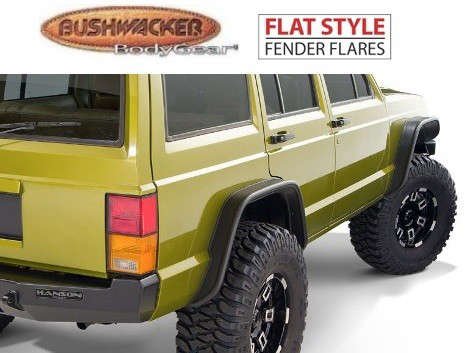
Comparing Popular Jeep Xj Flat Flare Brands
Many brands offer flat flares for the XJ. Some are budget-friendly; others are premium. Here’s a comparison:
| Brand | Material | Width | Install Difficulty | Price |
|---|---|---|---|---|
| Bushwacker | ABS Plastic | 3.5″ | Medium | $350 |
| Rough Country | Steel | 4″ | Hard | $500 |
| Napier Precision | ABS Plastic | 3″ | Easy | $250 |
| JCR Offroad | Steel | 3.5″ | Hard | $600 |
Non-obvious tip: Some flares are designed for 2-door XJs, others for 4-door. Always check compatibility before buying.
Common Mistakes To Avoid
Beginners often make these errors:
- Skipping rust protection: If you cut metal, always seal edges to prevent rust.
- Ignoring tire size: Don’t assume all flares fit any tire. Measure carefully.
- Rushing the install: Take your time. Mistakes can cost money and hurt the look.
Another overlooked point: Some insurance policies may require fender flares for coverage after tire upgrades. Check with your provider.
How Flat Flares Change Performance
The biggest change is ground clearance. Flat flares let you clear obstacles and avoid tire rub. On rough trails, this means less risk of damage.
Here’s a quick comparison of stock vs flat flares:
| Feature | Stock Flare | Flat Flare |
|---|---|---|
| Tire Size Limit | Up to 31″ | Up to 35″ |
| Clearance | Limited | High |
| Protection | Basic | Strong |
| Style | Classic | Aggressive |
Flat flares are also easier to clean and maintain. Their simple shape means less mud gets trapped.
Practical Tips For Choosing And Maintaining Flat Flares
- Pick UV-resistant flares to avoid fading.
- If you live in a rainy area, choose flares with tight seals.
- Clean flares regularly to spot cracks or damage early.
- For steel flares, check for rust every few months.
If you want more info on the history and specs of the Jeep XJ, visit Wikipedia.
Frequently Asked Questions
How Much Do Jeep Xj Flat Fender Flares Cost?
Most kits cost between $200 and $600. Price depends on brand, material, and finish. Cheaper kits are usually plastic, while steel kits cost more.
Can I Install Flat Flares Myself?
Yes, but some installs require cutting and drilling. If you’re handy with tools, you can do it in a few hours. If not, a shop can help.
Will Flat Flares Fit All Tire Sizes?
Flat flares allow larger tires, often up to 35 inches. Always measure your wheel wells and check the flare’s specs before buying.
Do Flat Flares Affect Road Legality?
In some states, tires must be covered by flares. Flat flares usually help meet legal requirements if you run wider tires.
How Do I Maintain Flat Fender Flares?
Clean regularly with mild soap. Check for cracks, loose bolts, or rust (on steel flares). UV-resistant coatings help avoid fading.
Flat fender flares can make your Jeep XJ stand out and perform better on trails. With the right kit and careful installation, you’ll enjoy both style and function for years.