The Jeep Cherokee XJ is a favorite among off-road fans and DIY mechanics. One detail that often confuses owners is the Jeep XJ bolt pattern.
Whether you want to upgrade your wheels, swap tires, or find compatible parts, understanding this pattern is key. Small mistakes here can lead to unsafe driving or wasted money.
This guide will help you get the facts right and avoid the usual pitfalls.

What Is A Bolt Pattern?
A bolt pattern is the arrangement of lug holes on a wheel. It’s described by two numbers: the number of bolts and the diameter of the circle they form. For example, a “5×4.5” pattern means there are 5 lug nuts, and they sit on a circle with a diameter of 4.5 inches.
This pattern ensures that wheels fit securely. If you pick the wrong pattern, the wheel will not sit properly on the hub, risking damage or accidents.
Jeep Xj Factory Bolt Pattern
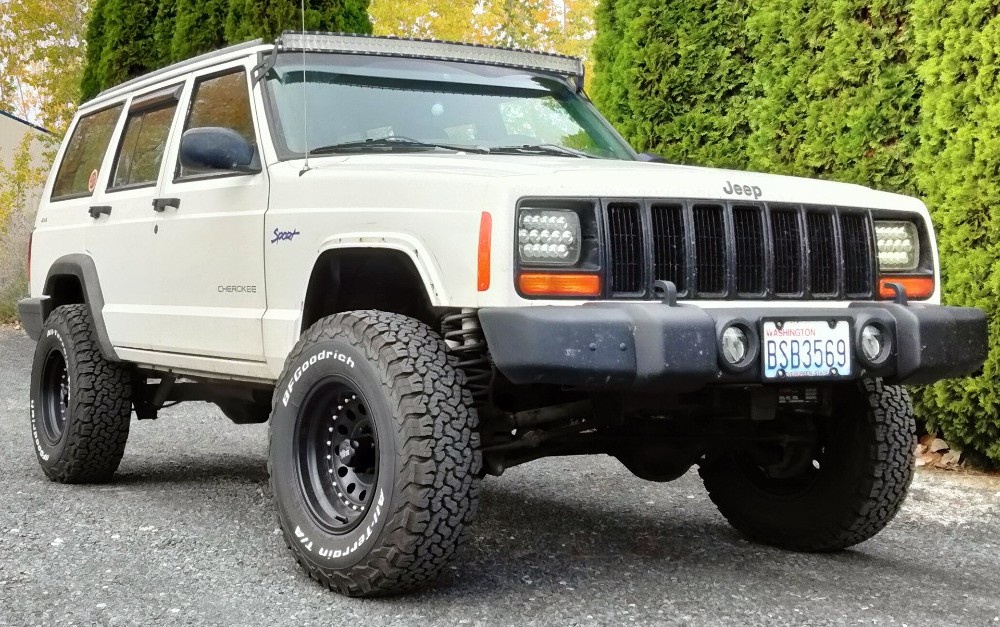
All Jeep Cherokee XJ models (1984-2001) use the 5×4.5 inch bolt pattern. This never changed from the start of production to the end.
Here’s a quick reference:
| Model Year | Bolt Pattern | Lug Nut Size | Center Bore |
|---|---|---|---|
| 1984–2001 | 5×4.5 in (5×114.3 mm) | 1/2″-20 | 71.5 mm |
Some beginners mix up the XJ with other Jeep models, like the Wrangler TJ or YJ. While the YJ also uses a 5×4.
5 pattern, the TJ switches to 5×4. 5 only in certain years. Always check before buying or swapping wheels.
Why Bolt Pattern Matters
Choosing the correct bolt pattern affects:
- Safety: Wrong patterns can cause vibrations or wheels falling off.
- Wheel compatibility: Not all Jeep wheels fit each other.
- Aftermarket options: Many wheels look similar, but the pattern decides fitment.
People sometimes assume all Jeep bolt patterns are the same. That’s a costly mistake.
Even a small mismatch of a few millimeters can prevent the wheel from seating correctly.
Measuring The Bolt Pattern
If you’re unsure about your Jeep XJ’s bolt pattern, you can measure it yourself. Here’s how:
- Count the lug holes (should be 5).
- Pick one lug hole. Measure from the center of this hole to the outer edge of the hole directly across from it.
- The result should be 4.5 inches (or 114.3 mm).
Here’s a quick comparison for popular Jeep models:
| Model | Bolt Pattern | Years |
|---|---|---|
| Cherokee XJ | 5×4.5 in | 1984–2001 |
| Wrangler YJ | 5×4.5 in | 1987–1995 |
| Wrangler TJ | 5×4.5 in | 1997–2006 |
| Wrangler JK | 5×5 in | 2007–2018 |
Many aftermarket wheels will list both inches and millimeters. For the Jeep XJ, 5×4.5 in and 5×114.3 mm mean the same thing.

Other Key Wheel Specs
The bolt pattern isn’t the only number to check. You should also know:
- Center bore: The hole in the middle of the wheel (XJ uses 71.5 mm).
- Lug nut thread size: Jeep XJs use 1/2”-20 threads.
- Offset/backspacing: This affects how far the wheel sticks out or tucks in.
Not every 5×4. 5 wheel is a perfect match.
For example, some Ford and Mazda vehicles use 5×4. 5, but their center bore or offset may differ.
If the center bore is too small, the wheel won’t fit over your hub.
Here’s a summary for the Jeep XJ:
| Spec | Value |
|---|---|
| Bolt Pattern | 5×4.5 in (5×114.3 mm) |
| Center Bore | 71.5 mm |
| Lug Nut Size | 1/2″-20 |
| Factory Offset | ~31 mm |
Swapping Wheels: What To Watch Out For
If you want to put wheels from another vehicle onto your Jeep XJ, double-check these things:
- Bolt pattern: Must be 5×4.5 in (5×114.3 mm).
- Center bore: Wheel must fit over 71.5 mm hub.
- Offset/backspacing: Too much can cause tires to rub on suspension or fenders.
Some owners use wheel adapters to fit wheels with a different bolt pattern. This can work, but only with high-quality parts and proper installation. Cheap adapters may fail, especially off-road.
A non-obvious tip: Always test fit one wheel before mounting all four. This avoids damaging new wheels or hubs if there’s a problem.
Common Mistakes And How To Avoid Them
Many Jeep XJ owners make these mistakes:
- Buying wheels based only on bolt pattern, ignoring center bore and offset.
- Using old, damaged lug nuts when mounting new wheels.
- Not re-torquing wheels after 50-100 miles (important after swaps).
A practical insight: When buying used wheels, check for hub-centric rings. These are small rings that fill the gap between the wheel and hub. If missing, you might feel vibrations at high speed.
Where To Find Accurate Information
Always double-check specs with reliable sources like the Jeep owner’s manual or trusted auto parts retailers. For more technical details, you can visit the Wheel sizing Wikipedia page.

Frequently Asked Questions
What Is The Factory Jeep Xj Bolt Pattern?
The factory bolt pattern for all 1984–2001 Jeep Cherokee XJ models is 5×4.5 inches (or 5×114.3 mm).
Can I Use Jeep Wrangler Wheels On My Xj?
Some Wrangler wheels (YJ and early TJ) fit the XJ because they share the 5×4.5 bolt pattern. Newer Wrangler JK/JL wheels use a different pattern and will not fit.
Do I Need Special Lug Nuts For Aftermarket Wheels?
Most aftermarket wheels for the XJ use the stock 1/2”-20 lug nuts, but some may require special tuner nuts. Always check with the wheel manufacturer.
Is It Safe To Use Wheel Adapters?
High-quality wheel adapters can work, but they must be installed correctly and re-torqued regularly. Cheap or poorly installed adapters can fail.
Will Ford Or Mazda Wheels Fit My Jeep Xj?
Some Ford and Mazda wheels have the same 5×4.5 pattern but may have a different center bore or offset. Always check all specifications before mounting.
If you understand your Jeep XJ’s bolt pattern and related specs, you’ll get the right wheels and avoid costly mistakes. Attention to detail here means safer driving and more fun on and off the road.