The Jeep Wrangler YJ is a legendary off-road vehicle, and like many Jeep owners, you might be looking to upgrade its appearance and performance. One of the most impactful ways to do this is by changing the wheel offset.
But what exactly is wheel offset, and why is it so important for your YJ?
Understanding wheel offset is crucial. It affects how your wheels sit in relation to the fender, how your vehicle handles, and even how much stress is placed on your suspension and steering components.
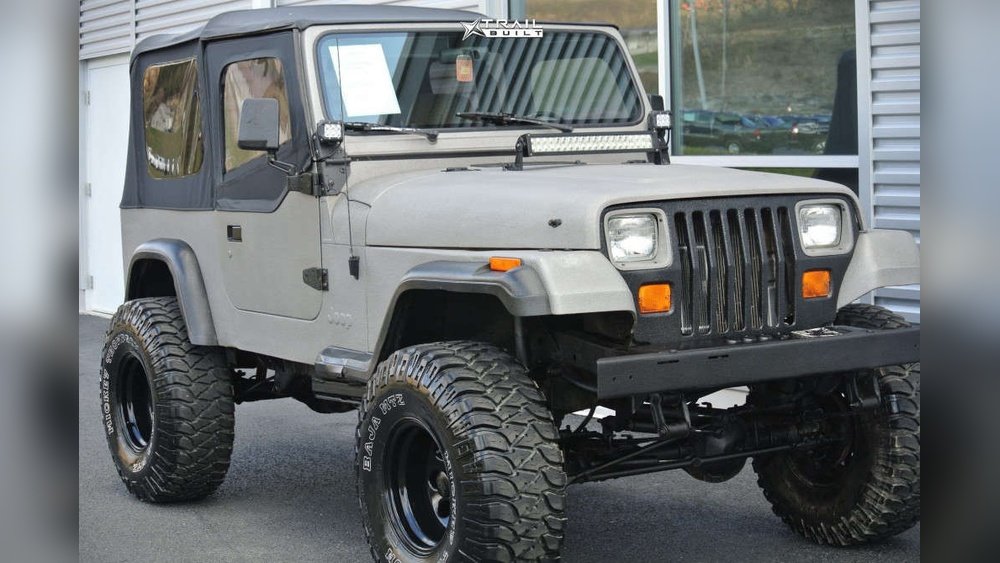
Getting it wrong can lead to rubbing, poor handling, and unnecessary wear.
Getting it right, however, can transform your YJ’s stance and capability.
This guide will break down everything you need to know about Jeep Wrangler YJ wheel offset. We’ll cover what it is, how it impacts your Jeep, the factory specifications, common aftermarket choices, and how to select the best offset for your specific needs, whether you’re aiming for a more aggressive look or improved off-road performance.
What Is Wheel Offset?
Wheel offset is a term used to describe the position of the wheel hub mounting surface relative to the centerline of the wheel. Imagine drawing a line straight down the middle of your wheel, from the outer lip to the inner lip.
The offset measures how far the mounting surface (where the wheel bolts to the Jeep) is located from this centerline.
There are three main types of wheel offset:
- Zero Offset: The mounting surface is exactly in the middle of the wheel. The wheel sits flush with the mounting point.
- Positive Offset: The mounting surface is closer to the outside of the wheel. This means the wheel will sit further *inside* the fender. Most modern front-wheel-drive cars and many SUVs use positive offset wheels.
- Negative Offset: The mounting surface is closer to the inside of the wheel. This pushes the wheel further *outward*, making it sit more flush with or even outside the fender. This is common on many trucks and off-road vehicles, including modified Jeeps.
How Is Offset Measured?
Offset is measured in millimeters (mm). A positive offset will have a plus sign (+) before the number, while a negative offset will have a minus sign (-).
For example, a +10mm offset means the mounting surface is 10mm closer to the outside of the wheel than the centerline.
A -10mm offset means it’s 10mm closer to the inside.
Why Does Offset Matter For Your Yj?
The offset of your wheels is not just an aesthetic choice; it has significant practical implications for your Jeep Wrangler YJ:
- Stance and Appearance: A negative offset pushes the wheels outward, giving your YJ a wider, more aggressive stance. This is often desired for aesthetic reasons, especially when fitting larger tires.
- Tire Clearance: Offset directly impacts how much space your tires have to move without rubbing against the fenders, suspension components, or body panels. Incorrect offset can cause tires to rub on the fenders at full steering lock or on the suspension when the suspension compresses.
- Steering and Handling: The offset affects the “scrub radius,” which is the point where the steering axis intersects the ground. Changing the offset can alter how your steering feels. A significantly negative offset can increase steering effort and make the steering wheel want to return to center more aggressively.
- Bearing and Suspension Stress: Wheels with a more negative offset place greater leverage on your wheel bearings and suspension components. This is because the weight of the vehicle is no longer distributed directly over the bearings; instead, it’s pushed outward. Over time, excessive leverage can lead to premature wear on these parts.
- Turning Radius: In some cases, a different offset can slightly affect your turning radius, especially if the wheel or tire begins to interfere with suspension components at extreme steering angles.
Understanding Jeep Wrangler Yj Factory Wheel Specifications
To understand aftermarket options, it’s essential to know what your stock Jeep Wrangler YJ came with. The YJ generation, produced from 1987 to 1995, typically came with wheels that had a specific offset designed for its suspension geometry and intended use.
The stock wheels for most YJ models were 15 inches in diameter with a width of 7 inches. The factory offset for these wheels was generally around +8mm to +10mm. This positive offset helped keep the tires tucked in closer to the vehicle, which was beneficial for protecting the wheels from trail damage and maintaining a reasonable scrub radius for stock suspension and tire sizes.
Stock Tire Sizes
Stock YJs often came with tire sizes like 205/75R15 or 215/75R15. These are relatively narrow tires that fit well within the fenders with the factory offset.
Why You Might Want To Change From Stock
When you start modifying your YJ, especially by fitting larger or wider tires (like 31-inch, 33-inch, or larger), the stock offset becomes a limiting factor.
- Fitting Larger Tires: If you try to fit larger tires with the stock +8mm offset, you’ll likely experience rubbing issues. The tires will hit the fender flares, the control arms, or the frame at full steering lock or during suspension articulation.
- Aesthetics: Many Jeep owners prefer the look of wheels that sit further out from the body. This is often achieved with a negative offset.
- Off-Road Performance: While not always the primary driver, some off-road enthusiasts prefer a wider track width for increased stability on uneven terrain. A wider track can be achieved with wheels that have a more negative offset.
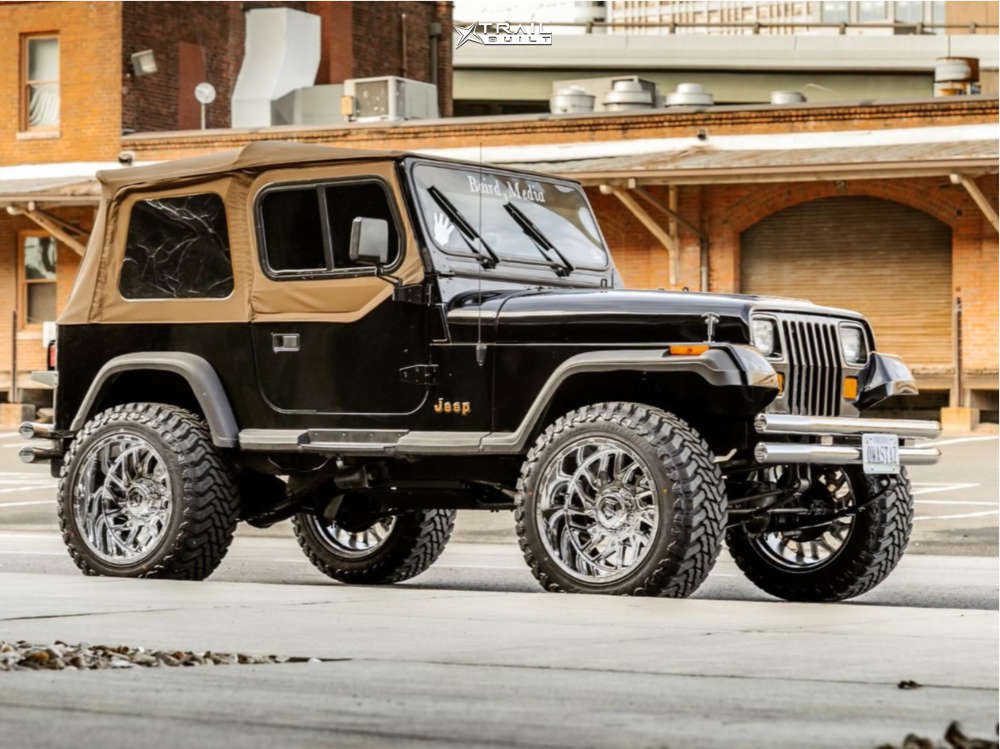
Common Wheel Offset Options For The Yj
When you move away from the stock specifications, you’ll encounter a range of aftermarket wheel offsets. For the Jeep Wrangler YJ, the most popular choices involve moving towards a negative offset to accommodate larger tires and achieve a more aggressive stance.
The most common aftermarket wheel sizes for the YJ are 15-inch diameter with 8-inch width, or 17-inch diameter with 8-inch or 9-inch width. The offset options usually range from 0mm to -25mm, with some custom options going even further negative.
Understanding Offset In Relation To Wheel Width
It's crucial to remember that offset doesn't exist in a vacuum. It interacts with the wheel's width.
A 15×8 wheel with a -10mm offset will push out further than a 15×7 wheel with the same -10mm offset, because the 8-inch wide wheel has more "inner lip" space.
Here’s a simplified way to think about it:
- Wider Wheel + Same Offset = More Stance: A wider wheel with the same offset will extend further outwards.
- More Negative Offset + Same Width = More Stance: A wheel with a more negative offset will push out further, regardless of width.
Popular Offset Choices And Their Effects
Let’s look at common aftermarket offsets for the YJ and what they typically achieve:
- 0mm Offset (Zero Offset):
- Effect: This is essentially a “flush” fit. The mounting surface is in the center of the wheel. It pushes the wheel out slightly compared to the stock +8mm offset.
- Use Case: A good option if you’re running slightly larger tires (e.g., 31-inch) and want a bit more clearance than stock without pushing the wheels too far out. It offers a moderate increase in track width.
- Considerations: Less aggressive than negative offsets. May still require minor trimming or fender modifications for larger tires or significant suspension travel.
- -6mm to -10mm Offset:
- Effect: This is a very popular range for YJs. It pushes the wheel out noticeably, providing a more aggressive stance and better clearance for tires in the 31-inch to 33-inch range.
- Use Case: Ideal for owners who want a good balance between aggressive looks and manageable steering feel and suspension stress. Works well with 31-33 inch tires on 8-inch wide wheels.
- Considerations: You’ll likely need to check for rubbing at full steering lock, especially with taller tires. Some minor fender trimming or adjustment of steering stops might be needed.
- -12mm to -20mm Offset:
- Effect: This range provides a significantly wider stance. The wheels will sit well outside the fenders. It offers excellent clearance for larger tires (33-inch and up) and can improve stability on very uneven terrain.
- Use Case: For those prioritizing an aggressive look and maximum tire clearance without extreme modifications. Often paired with 33-inch tires on 8-inch or 9-inch wide wheels.
- Considerations: This is where you start to put more stress on your wheel bearings and steering components. You’ll almost certainly need to address potential rubbing on fenders and possibly the control arms. A suspension lift is usually required.
- -25mm Offset and Beyond (Deep Negative Offset):
- Effect: This pushes the wheels very far out, creating a very wide track width. It offers the most clearance for very large tires and aggressive off-road setups.
- Use Case: For heavily modified YJs with large tires (35-inch+) and significant suspension lifts.
- Considerations: This setup puts the most stress on your front-end components (wheel bearings, ball joints, steering linkage). It can make steering heavy and increase the likelihood of tire rub on fenders, bumpers, and even the body tub. Extended fender flares or fender cutting are often necessary.
Choosing The Right Offset: Key Factors
When selecting an offset for your YJ, consider these critical factors:
- Tire Size: This is paramount. Larger tires require more clearance. A common rule of thumb is that for every inch you increase tire diameter (e.g., from 31″ to 33″), you might need to adjust your offset outwards by about 0.5 inches (12-13mm) to maintain similar clearance relative to the fender.
- Wheel Width: As discussed, a wider wheel with the same offset will stick out further. You need to consider the combined effect of wheel width and offset.
- Suspension Lift: A taller suspension lift provides more vertical clearance, which can help accommodate larger tires. However, it doesn’t directly solve clearance issues with the fenders or suspension components at the sides.
- Fender Flares/Modifications: Are you planning to run stock fenders, aftermarket flares, or cut your fenders? This will dictate how much tire “poke” you can tolerate.
- Driving Style: If you do a lot of aggressive off-roading, you want to minimize the chance of tire rub during articulation. If it’s mostly a street queen, aesthetics might be the primary driver.
- Component Longevity: Be mindful of the increased stress on your steering and suspension components with extreme negative offsets.
Calculating And Checking Wheel Offset And Backspacing
Wheel offset and backspacing are closely related measurements that tell you how a wheel will fit on your vehicle. Understanding both is key to making the right choice.
What Is Backspacing?
Backspacing is the measurement from the back of the wheel (the mounting surface) to the outer edge of the wheel lip. It’s measured in inches.
- Low Backspacing: Pushes the wheel outwards.
- High Backspacing: Pulls the wheel inwards.
The Relationship Between Offset And Backspacing
Offset and backspacing are directly related. You can convert between them, but it’s important to know the wheel’s width.
The basic formula is:
Backspacing = (Wheel Width / 2) + Offset
*Note: This formula assumes offset is in inches. If offset is in millimeters, you’ll need to convert mm to inches (divide by 25.4).*
Let’s use an example:
A 15×8 wheel with a -10mm offset.
- Convert offset to inches: -10mm / 25.4 mm/inch = -0.39 inches.
- Calculate backspacing: (8 inches / 2) + (-0.39 inches) = 4 inches – 0.39 inches = 3.61 inches.
So, a 15×8 wheel with a -10mm offset has approximately 3. 61 inches of backspacing.
Why Backspacing Is Often Discussed For Jeeps
Many off-road enthusiasts and manufacturers still refer to backspacing because it’s a more direct measure of how much room there is between the wheel mounting surface and the inner wheel well or suspension components.
- Stock YJ: Typically has around 4.5 inches of backspacing with its stock 15×7 wheels and +8mm offset.
- Aftermarket Wheels: For larger tires on a YJ, you generally want to reduce backspacing. Wheels with 4.0 to 4.75 inches of backspacing are very common for 31-33 inch tires. For even larger tires or a more aggressive stance, you might look for wheels with 3.5 to 4.0 inches of backspacing.
How To Check For Clearance Issues
Once you have new wheels and tires, or even before you buy, there are ways to check for potential rubbing:
- Visual Inspection (Static): Mount the wheels and tires. Turn the steering wheel lock-to-lock. Look for any contact between the tire and the fender flares, fenders, control arms, frame, or sway bar.
- Suspension Compression: Use jack stands to lift the Jeep and then place blocks under the suspension arms to simulate suspension compression. This will show you if the tire rubs when the suspension is compressed.
- Articulation Test: On the trail, listen and look for rubbing. If you hear it, stop and inspect.
- Online Calculators: Many websites offer wheel offset and backspacing calculators. You input your stock wheel specs and your desired new wheel specs, and they’ll show you how much further out or in the new wheel will sit. This is an invaluable tool for planning.
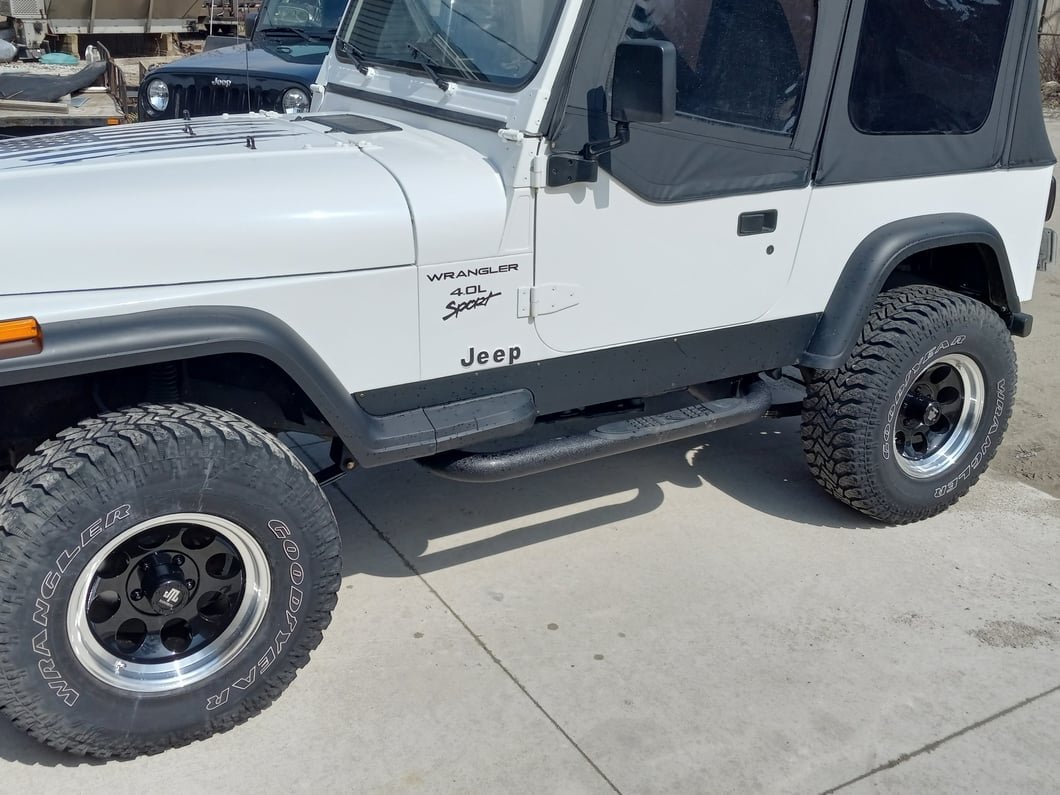
Common Tire And Wheel Combinations For The Yj
Let’s look at some popular tire and wheel combinations for the Jeep Wrangler YJ and the typical offset/backspacing recommendations. These are general guidelines, and actual fitment can vary based on suspension lift, fender modifications, and tire manufacturer variations.
1. 31-inch Tires (e.g., 31×10.50r15)
- Suspension Lift: Often fits with no lift, or a mild 1-2 inch lift.
- Wheel Size: 15×7 or 15x