Understanding Jeep Wrangler Yj Wheel Offset: A Comprehensive Guide
The Jeep Wrangler YJ, produced from 1987 to 1995, is an iconic off-road vehicle. Many owners look to customize their YJs to improve performance, aesthetics, or both.
One of the most crucial aspects of this customization is understanding wheel offset. Getting the offset right can make a significant difference in how your Jeep handles, looks, and performs, especially when you venture off the pavement.
Conversely, choosing the wrong offset can lead to rubbing issues, poor handling, and even damage to your suspension components. This guide will break down everything you need to know about Jeep Wrangler YJ wheel offset, helping you make informed decisions for your build.
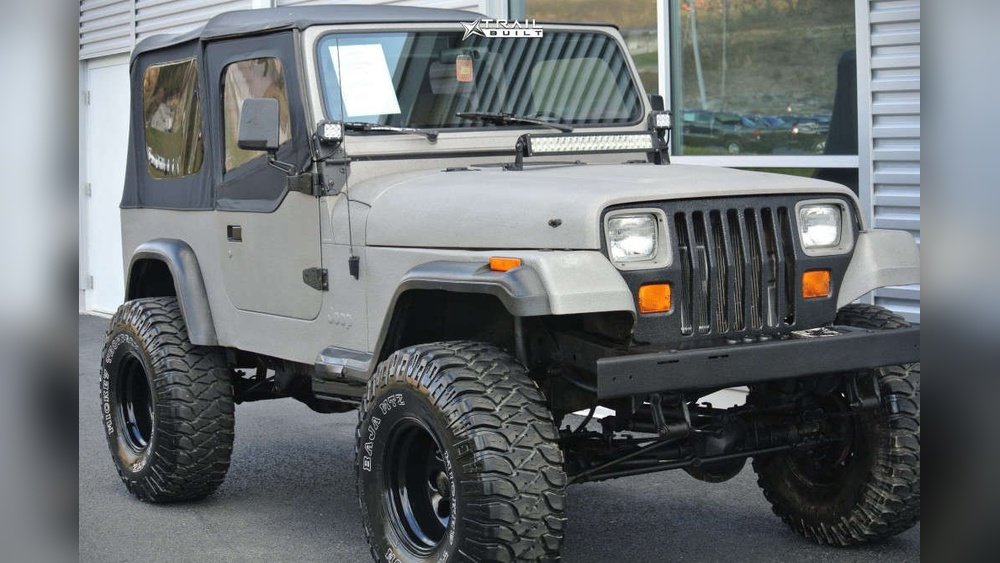
When we talk about wheel offset, we're referring to the position of the wheel hub mounting surface relative to the centerline of the wheel. This measurement dictates how far the wheel sits inward or outward from the fender.
For a Jeep Wrangler YJ, understanding this is key because it directly impacts tire clearance, suspension geometry, and the overall stance of your vehicle.
Whether you’re planning to run larger tires for better off-road capability or simply want a more aggressive look, the correct wheel offset is paramount.
What Is Wheel Offset?
Wheel offset is a critical measurement that determines how a wheel is positioned in relation to the vehicle’s axle. It’s measured in millimeters (mm). There are three main types of offset:
- Positive Offset (+): The hub mounting surface is positioned *outward* from the wheel’s centerline. This pushes the wheel further *into* the fender. Most modern vehicles, including stock YJs, come with a positive offset.
- Zero Offset (0): The hub mounting surface is exactly in line with the wheel’s centerline. The wheel sits neither inward nor outward.
- Negative Offset (-): The hub mounting surface is positioned *inward* from the wheel’s centerline. This pushes the wheel further *outward*, away from the fender. This is often desired for a more aggressive stance or to accommodate wider tires.
Pro Tip: Think of offset as a way to control how much your wheels “stick out” or tuck in. A more negative offset means the wheel sticks out further.
For the Jeep Wrangler YJ, the stock wheels typically have a positive offset. This is designed to keep the tires tucked neatly within the fenders for everyday driving and to protect the wheels from minor trail debris.
However, as owners modify their YJs with larger tires, lift kits, or wider axles, the stock offset often becomes unsuitable.
Stock Yj Wheel Offset And Its Implications
The stock wheels on a Jeep Wrangler YJ usually feature a positive offset, typically around +9mm to +12mm. This means the mounting surface of the hub is slightly inboard from the wheel’s center. This design choice serves several purposes for a factory vehicle:
- Tire Clearance: It helps keep the tires within the confines of the fenders, preventing rubbing during normal driving and tight turns.
- Suspension Geometry: It maintains a specific scrub radius, which influences steering feel and stability.
- Protection: It helps protect the wheels and tires from excessive side impacts and debris encountered off-road.
However, this stock positive offset can become a limitation when you start modifying your YJ. If you plan to install larger, more aggressive off-road tires (e.g., 31-inch, 33-inch, or larger), the stock offset can cause issues:
- Inner Fender Rubbing: The increased tire diameter and width will likely cause the tire to rub against the inner fender wells, especially when turning or on suspension compression.
- Control Arm Interference: With wider tires, there’s a higher chance of the tire contacting the lower control arms at full steering lock.
- Limited Steering Angle: Rubbing can restrict your turning radius, which is undesirable both on and off-road.
This is why many YJ owners opt for aftermarket wheels with different offsets or use wheel spacers to achieve the desired fitment.
Why Changing Wheel Offset Matters For Yjs
Changing the wheel offset on your Jeep Wrangler YJ is not just about aesthetics; it has practical implications for performance and functionality, especially when upgrading to larger tires.
Accommodating Larger Tires
The most common reason for changing wheel offset on a YJ is to fit larger tires. Stock YJs can typically accommodate up to 31-inch tires without significant modifications.
However, for 33-inch tires and beyond, which are popular for off-roading, you'll often need to adjust your wheel offset.
- Moving Outward: By using wheels with a zero offset or a negative offset, you push the tires further out from the vehicle’s centerline. This increased “track width” provides more clearance between the tire and the inner fender well, control arms, and suspension components. This is crucial for preventing rubbing and allowing for full suspension articulation off-road.
- Stance and Stability: A wider track width, achieved through lower or negative offset wheels, can also contribute to a more stable ride, particularly on uneven terrain. It reduces the tendency for the vehicle to lean excessively in turns.
Improving Off-road Performance
When you’re crawling over rocks or navigating rough trails, tire clearance is paramount. If your tires are rubbing on the fenders or suspension components, you can’t achieve full articulation, and you risk damaging your fenders or tires.
- Articulation: A proper offset allows your suspension to move freely without the tires impacting other parts of the Jeep. This means your wheels can conform to the terrain better, keeping more tires on the ground for optimal traction.
- Clearance for Modifications: If you’re running aftermarket fenders, rock sliders, or other modifications, the wheel offset needs to be compatible with these additions. Pushing the wheels out can provide necessary clearance.
Aesthetics
While functionality is key for a Jeep, many owners also want their YJ to look good. Changing the wheel offset can significantly alter the vehicle’s stance.
- Aggressive Look: Wheels that sit further out, achieved with zero or negative offset, give the YJ a more aggressive, “stanced” appearance that many enthusiasts prefer. This “flared” look complements the rugged nature of the Jeep.
- Matching Wider Axles: If you’ve upgraded to wider axles (like Dana 44s or Ford 8.8s), you’ll likely need wheels with a lower offset to match the wider track width and keep the tires aligned with the fenders.
Understanding Wheel Offset Specifications For The Yj
When looking for aftermarket wheels for your Jeep Wrangler YJ, you’ll encounter various offset numbers. It’s essential to understand how these numbers translate to your specific vehicle and tire size.
Common Yj Tire Sizes And Offset Needs
Here’s a general guideline for common tire sizes and the typical offset adjustments needed for a Jeep Wrangler YJ:
- Stock (25-27 inch tires): Stock wheels with +9mm to +12mm offset are suitable.
- 31-inch Tires: These often fit with stock wheels, but a 0mm offset can provide a little more clearance and a slightly wider stance. You might still experience minor rubbing at full lock or on compression.
- 32-33 inch Tires: This is where offset becomes more critical. A 0mm offset is generally recommended. Some prefer a -10mm to -12mm offset for a more aggressive stance and maximum clearance, but this may require fender trimming or aftermarket fenders.
- 35-inch Tires and Larger: For these sizes, a negative offset is almost always necessary. -12mm to -25mm is common. This often necessitates fender flares, fender trimming, or high-clearance fenders to prevent excessive rubbing. You’ll also likely need significant suspension upgrades (lift kit, longer shocks, potentially extended brake lines).
Important Consideration: The exact offset needed also depends on the width of the wheel itself. A 15×8 wheel with a -12mm offset will position the tire differently than a 15×10 wheel with the same -12mm offset. The wider wheel will push the tire out further relative to its mounting point.
Wheel Width And Backspacing
Offset is closely related to backspacing. Backspacing is the measurement from the inner mounting surface of the wheel to the inner edge of the wheel rim.
- Positive Offset: Tends to have *more* backspacing.
- Negative Offset: Tends to have *less* backspacing.
- Zero Offset: Has backspacing roughly equal to half the wheel’s width.
For a Jeep Wrangler YJ, a common wheel width is 8 inches.
- With an 8-inch wide wheel and 0mm offset, the backspacing is typically around 4.5 inches.
- With an 8-inch wide wheel and -12mm offset, the backspacing is typically around 4.0 inches.
Many YJ owners find that 4.0 to 4.5 inches of backspacing is a sweet spot for fitting 31-33 inch tires with minimal rubbing. If you have a wider wheel (e.g., 10 inches), you’ll need to adjust your offset and backspacing accordingly. A 15×10 wheel with a 4.5-inch backspacing will have a significant negative offset.
Example: A 15×8 wheel with a 4-inch backspacing will have approximately a -12mm offset. A 15×8 wheel with a 4.5-inch backspacing will have approximately a 0mm offset.
Calculating Offset And Backspacing
If you’re curious about how offset and backspacing relate:
Backspacing = (Wheel Width / 2) + Offset + Hub Face Offset
- Wheel Width is in inches.
- Offset is in millimeters, but needs to be converted to inches for this calculation (25.4mm = 1 inch).
- Hub Face Offset is usually considered 0 for standard calculations, but it’s the distance from the wheel’s centerline to the mounting surface.
A simpler way to think about it is that a lower backspacing (e. g.
, 4 inches vs. 5 inches) means the wheel will sit further out from the hub.
This is achieved with a negative offset or a narrower wheel with a given offset.
Choosing The Right Wheel Offset For Your Yj
Selecting the correct wheel offset for your Jeep Wrangler YJ depends on several factors: your intended tire size, whether you plan to lift your Jeep, and your desired aesthetic. It’s a balance between achieving necessary clearance and avoiding excessive modifications.
Factor 1: Tire Size
This is the most significant factor. As mentioned, larger tires require more clearance.
- 31-inch tires: Often work with stock or 0mm offset wheels.
- 33-inch tires: Usually benefit from 0mm to -12mm offset.
- 35-inch tires and up: Typically require -12mm to -25mm offset, along with other modifications.
Factor 2: Lift Kit Height
A lift kit provides clearance by raising the body and suspension. However, it doesn’t magically solve all tire clearance issues, especially at the fenders.
- 2-inch lift: May allow for 31-32 inch tires with 0mm offset.
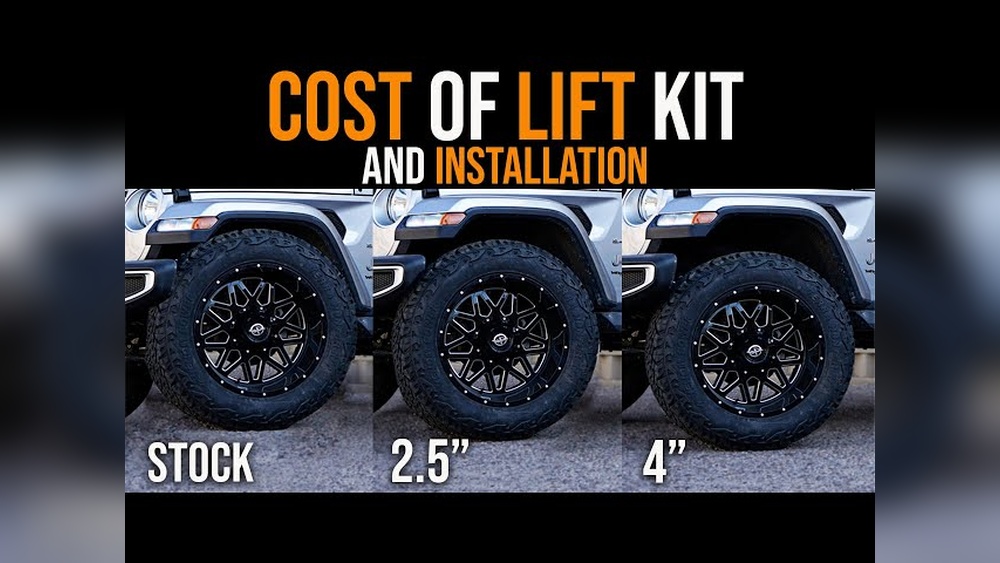
- 4-inch lift: Can accommodate 33-35 inch tires, but the offset still plays a crucial role in fender and control arm clearance. A negative offset becomes more beneficial here.
Factor 3: Wheel Width
A wider wheel pushes the tire further out. If you opt for a wider wheel (e.
g. , 10 inches instead of 8 inches), you'll need to adjust your offset to compensate.
- A 15×10 wheel will generally need a more negative offset than a 15×8 wheel to achieve a similar tire position relative to the fender. For example, a 15×10 wheel might need a -25mm offset to have a similar stance to a 15×8 wheel with a 0mm offset.
Factor 4: Fender Modifications
Are you willing to trim your fenders or install aftermarket fender flares?
- Stock Fenders: If you want to avoid cutting, you’ll need to be more conservative with your offset, likely sticking to 0mm or mild negative offsets with appropriate tire sizes.
- Aftermarket Fenders/Tube Fenders: These offer more clearance and allow for more aggressive offsets (more negative) and wider tires.
- Fender Trimming: Cutting your fenders allows you to fit larger tires with less concern about rubbing, enabling more aggressive offset choices.
Factor 5: Axle Width
If you’ve swapped in wider axles, you’ll need wheels with a lower offset to bring the tire back in line with the fender.
- Stock YJ Axles: ~60 inches wide.
- Wider Axles (e.g., Ford Explorer, Ford 8.8, Dana 44 widths): Can be 63-66 inches wide or more. You’ll need to calculate the offset to match the wider axle width.
General Recommendation: For most YJ owners looking to run 33-inch tires with a 2-4 inch lift and minimal fender modification, a 0mm offset or a -12mm offset on an 8-inch wide wheel is a popular and effective choice. This provides a good balance of stance and clearance.
Common Issues With Incorrect Wheel Offset
Choosing the wrong wheel offset can lead to a variety of problems, ranging from minor annoyances to significant mechanical issues. Understanding these potential pitfalls can help you avoid costly mistakes.
Tire Rubbing
This is the most common issue.
- Fender Rubbing: Tires hitting the fenders, especially at full steering lock or during suspension compression. This can damage fenders, tires, and even the paint.
- Control Arm Rubbing: Tires contacting the lower control arms. This is particularly problematic with larger tires and can limit your steering angle significantly, potentially causing damage to both components. A wheel with too much positive offset or too little backspacing can cause this.
Steering And Handling Problems
Wheel offset affects the scrub radius, which is the distance between the center of the tire contact patch and the point where the steering axis intersects the ground.
- Excessive Negative Offset: Can increase the scrub radius, leading to heavier steering, increased wear on steering components (tie rods, ball joints), and a tendency for the vehicle to wander or pull.
- Excessive Positive Offset: Can also alter the scrub radius, potentially making steering feel darty or unstable.