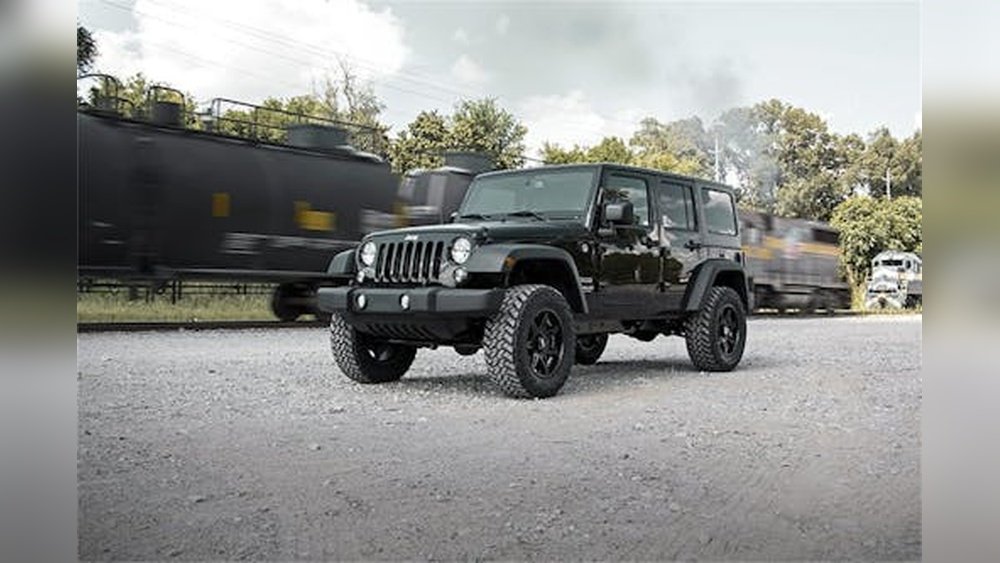
The 2014 Jeep Wrangler is a legendary vehicle, known for its off-road prowess and iconic design. One often overlooked but crucial aspect of its functionality and aesthetics is the wheel well.
The wheel well, also known as the fender well or wheel arch, is the part of the vehicle's body that surrounds the wheel.
For a 2014 Jeep Wrangler, these areas are not just about covering the tires; they play a vital role in aerodynamics, protection from road debris, and the overall visual appeal, especially for those looking to customize their Jeep.
Understanding the specifics of the 2014 Wrangler's wheel wells can help owners maintain their vehicle, upgrade its capabilities, and enhance its look.
Understanding The 2014 Jeep Wrangler Wheel Well
The wheel wells on a 2014 Jeep Wrangler are designed with off-road capability in mind. Unlike many other SUVs, the Wrangler’s design prioritizes articulation and clearance, which means its wheel wells are typically larger and more open than those found on more road-focused vehicles.
This design allows for greater suspension travel, essential for tackling rough terrain where wheels need to move up and down independently without hitting the body.
For the 2014 model year, Jeep offered the Wrangler in several trims, including the Sport, Sport S, Sahara, and Rubicon. While the fundamental design of the wheel wells remained consistent across these trims, there were subtle differences, particularly in the Rubicon model, which often featured slightly larger or more robust wheel well designs to accommodate its enhanced off-road suspension and larger factory tires.
The material used is typically durable plastic or a composite, designed to withstand impacts from rocks and mud.
Key Features And Design Considerations For 2014 Wrangler Wheel Wells
The design of the wheel wells on a 2014 Jeep Wrangler is a direct reflection of its intended use. They are not merely cosmetic elements but functional components engineered for performance.
Clearance And Articulation
The most significant design feature of the 2014 Wrangler’s wheel wells is the ample clearance they provide. This is crucial for off-roading. When a Jeep encounters an uneven surface, the suspension needs to flex. If the wheel wells were too small, the tires would rub against the body, limiting the suspension’s ability to work and potentially causing damage. The generous space allows the tires to move freely, maintaining contact with the ground for better traction and stability on challenging trails. This is especially important for the Rubicon trim, which comes equipped with features like electronic locking differentials and sway bar disconnects, all designed to maximize off-road performance.
Protection From Debris
While offering clearance, the wheel wells also serve a critical protective function. They act as shields, preventing mud, rocks, water, and other debris kicked up by the spinning tires from being thrown onto the vehicle’s body, windows, or other drivers.
The inner liners, often made of tough plastic or rubber, are designed to withstand constant abrasion from small stones and grit. For a 2014 Wrangler, especially one used for off-roading, these liners are essential for preserving the paintwork and preventing corrosion or damage to the undercarriage components.
Aerodynamics And Fuel Efficiency
Compared to many modern vehicles, the Wrangler's boxy shape and relatively open wheel wells are not optimized for aerodynamic efficiency. However, the design is a compromise.
The larger openings contribute to drag, which can affect fuel economy. While Jeep has made strides in improving aerodynamics over the years, the 2014 model still prioritizes off-road capability.
The shape and flare of the wheel wells are designed to manage airflow around the tires as efficiently as possible given the constraints of off-road design, helping to reduce some of the drag that would otherwise be generated.
Aesthetics And Customization
For many Jeep owners, the wheel wells are a prime area for customization. The factory design is functional, but aftermarket options allow for significant aesthetic and performance enhancements.
This includes larger fender flares, which can add to the aggressive look of the Wrangler and provide additional clearance for larger tires, a popular modification.
The presence of the removable fender flares on some models also allows for easier access for cleaning and modification.
Common Issues And Maintenance For 2014 Wrangler Wheel Wells
Like any part of a vehicle, the wheel wells of a 2014 Jeep Wrangler can experience issues and require maintenance, especially with consistent off-road use.
Mud And Debris Buildup
One of the most common issues, particularly for off-road enthusiasts, is the accumulation of mud, dirt, and rocks within the wheel wells. This buildup can be more than just unsightly; it can lead to:
- Corrosion: Trapped moisture and salt (in winter conditions) can accelerate rust on metal components near the wheel wells, including the fender, body panels, and suspension parts.
- Reduced Clearance: Excessive buildup can actually impede suspension movement, especially in extreme conditions.
- Noise: Loose rocks or debris can rattle around, creating annoying sounds.
- Weight: In extreme cases, heavy mud can add significant unsprung weight, affecting handling.
Maintenance Tip: Regularly cleaning the wheel wells is crucial. After off-road excursions, use a hose or pressure washer (being careful not to blast seals directly) to remove mud and debris. A brush can help dislodge stubborn grime.
Fender Flare Damage Or Wear
The fender flares on a 2014 Wrangler, especially the removable ones found on certain trims, are often the first point of contact with trail obstacles like branches or rocks. They can become scratched, cracked, or even detached.
- Scratches and Scuffs: These are common from brushing against foliage or minor impacts. While often superficial, they can detract from the vehicle’s appearance.
- Cracks: More significant impacts can cause the plastic flares to crack or break.
- Loose Flares: The fasteners holding the flares can become loose over time due to vibration and stress, leading to rattling or the flare becoming detached.
Maintenance Tip: Inspect fender flares regularly for damage and loose fasteners. Minor scratches can sometimes be buffed out or covered with touch-up paint or specialized plastic restorers. If a flare is significantly damaged, it may need to be replaced. Replacement flares are widely available from both OEM and aftermarket suppliers.
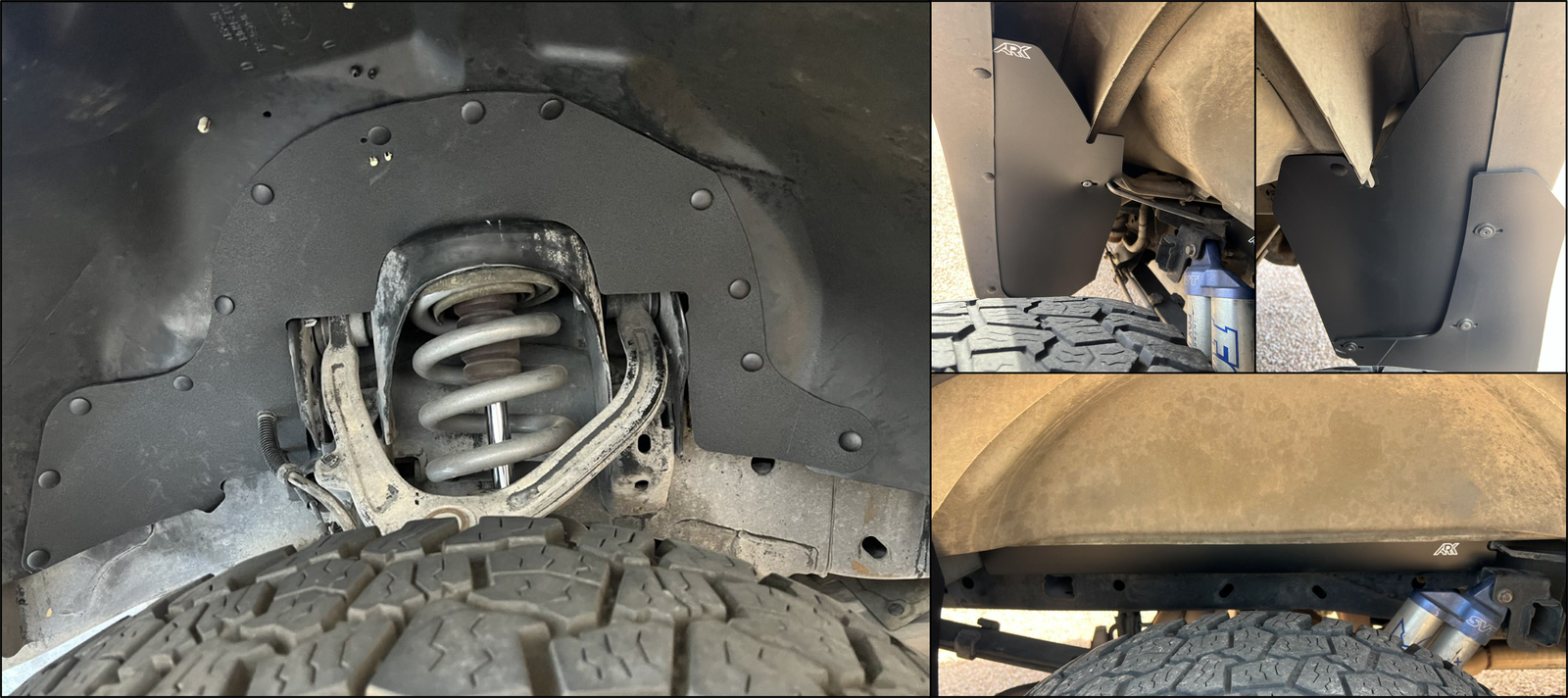
Inner Liner Damage
The inner fender liners are designed to be durable, but they are not indestructible. They can be torn or punctured by sharp rocks, branches, or during aggressive off-roading if larger tires are installed without proper modification.
- Torn Liners: A rip in the liner can allow more debris to enter the engine bay or suspension components, increasing the risk of damage and corrosion.
- Loose Liners: Fasteners can also fail on the inner liners, causing them to sag or flap, potentially rubbing against the tire.
Maintenance Tip: Check the inner liners for any tears or loose fasteners. If a liner is damaged, it should be repaired or replaced to maintain its protective function.
Rust And Corrosion
While the wheel wells themselves are often made of plastic or composite materials on a 2014 Wrangler, the surrounding body panels and frame components are susceptible to rust. Trapped moisture and dirt in the wheel well area can accelerate this process, especially in areas with harsh winters or coastal environments.
Maintenance Tip: Regularly inspect the areas around the wheel wells, including the inner edges of the fenders, the rocker panels, and the frame rails, for any signs of rust. Promptly addressing surface rust with cleaning and rust-inhibiting treatments can prevent it from becoming a major structural issue.
Upgrading 2014 Jeep Wrangler Wheel Wells: Enhancing Performance And Style
The 2014 Jeep Wrangler is a popular platform for customization, and the wheel wells are a focal point for many upgrades. These modifications can improve off-road capability, accommodate larger tires, and enhance the vehicle’s visual appeal.
Fender Flares
Replacing the factory fender flares is one of the most common modifications. Aftermarket flares offer several benefits:
- Increased Tire Clearance: Many aftermarket flares are wider than stock, allowing for the installation of larger tires without rubbing issues. This is crucial for improving off-road performance, as larger tires provide better traction and can roll over obstacles more easily.
- Aggressive Styling: Wider, more angular flares can give the Wrangler a more rugged and imposing stance. Options range from sleek, body-colored flares to chunky, bolt-on styles that mimic a military look.
- Protection: Some aftermarket flares are made from more durable materials like steel or reinforced plastic, offering better protection against trail damage.
Popular Types of Aftermarket Fender Flares:
- Pocket-Style Flares: These feature a bolt-on look, giving a rugged, industrial aesthetic. They are typically made of textured plastic or metal and provide significant width.
- Stubby Flares: As the name suggests, these are shorter flares that offer a minimalist look and maximum tire exposure, ideal for rock crawling where maximum articulation is needed.
- High-Fender Flares: These flares extend higher up the fender, providing even more clearance for very large tires and allowing for aggressive suspension setups.
- OE-Style Flares: For those who prefer a cleaner look or need to replace damaged factory flares, many manufacturers offer direct replacements that mimic the original design.
Considerations for Fender Flare Installation:
- Legality: In some regions, there are laws regarding tire coverage. Ensure your chosen flares meet local regulations.
- Tire Size: The primary reason for upgrading flares is often to fit larger tires. Research the maximum tire size your suspension and chosen flares can accommodate.
- Installation: Some flares are simple bolt-on replacements, while others may require drilling into the body panels.
Fender Liner Modifications
When installing larger tires and aftermarket flares, the original fender liners may need to be modified or removed.
- Trimmed Liners: Often, the rear portion of the front fender liners needs to be trimmed to prevent rubbing against the tire, especially when turning or the suspension compresses.
- Relocated Liners: In some extreme builds, the liners might be relocated or replaced with custom solutions to accommodate massive tire sizes and suspension travel.
- Full Removal: For dedicated off-road rigs, some owners choose to remove the fender liners entirely to maximize clearance and reduce weight, though this sacrifices protection from debris.
Bushwhacker And Smittybilt Flares
Two popular brands for aftermarket fender flares that many 2014 Wrangler owners consider are Bushwhacker and Smittybilt.
- Bushwhacker: Known for their high-quality, durable flares, Bushwhacker offers various styles like the Pocket Style, Flat Style, and Fender Delete kits. Their products are often made from their proprietary “Tough-Tex” material, designed to resist chalking and cracking.
- Smittybilt: Smittybilt provides a range of flares, often with a more aggressive, off-road-focused design. They offer options like the XRC Flat Top Flares and SRC Pocket Style Flares, often made from steel for enhanced durability.
When choosing between brands, consider the material, style, and the specific clearance you need for your tire setup.
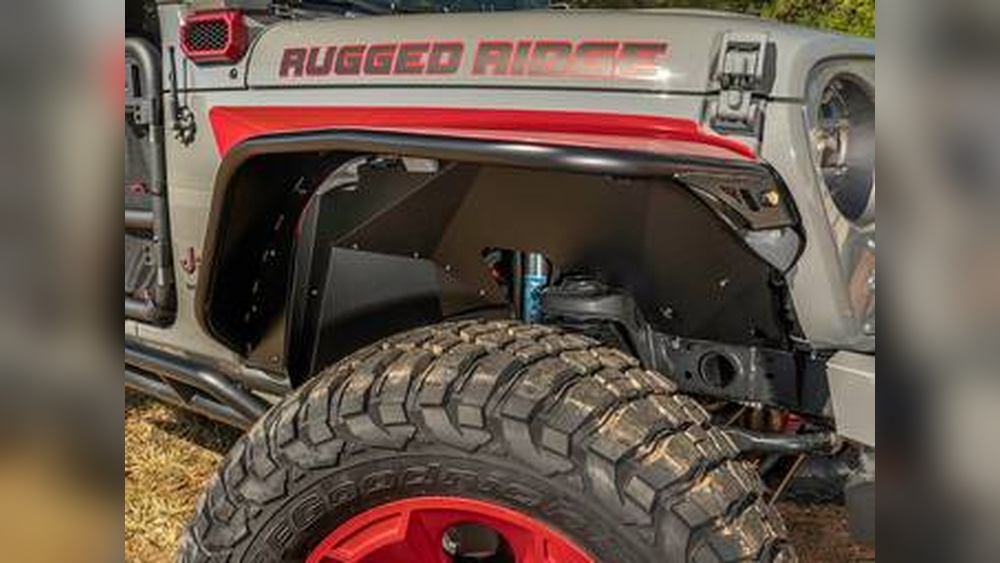
Inner Fenders And Liners
Beyond the outer fender flares, the inner fender wells can also be upgraded. Aftermarket inner fenders or liners can offer:
- Improved Aesthetics: They can provide a cleaner, more finished look in the wheel well area, especially when large tires are installed.
- Enhanced Protection: Some aftermarket inner fenders are made from materials like aluminum or heavy-duty plastic, offering better protection against rocks and debris than stock liners.
- Ventilation: Certain designs incorporate vents to help cool brakes or other components in the wheel well area.
For a 2014 Jeep Wrangler, integrating these inner fender solutions can significantly enhance the overall look and functionality of the wheel well area, especially in conjunction with other off-road modifications.
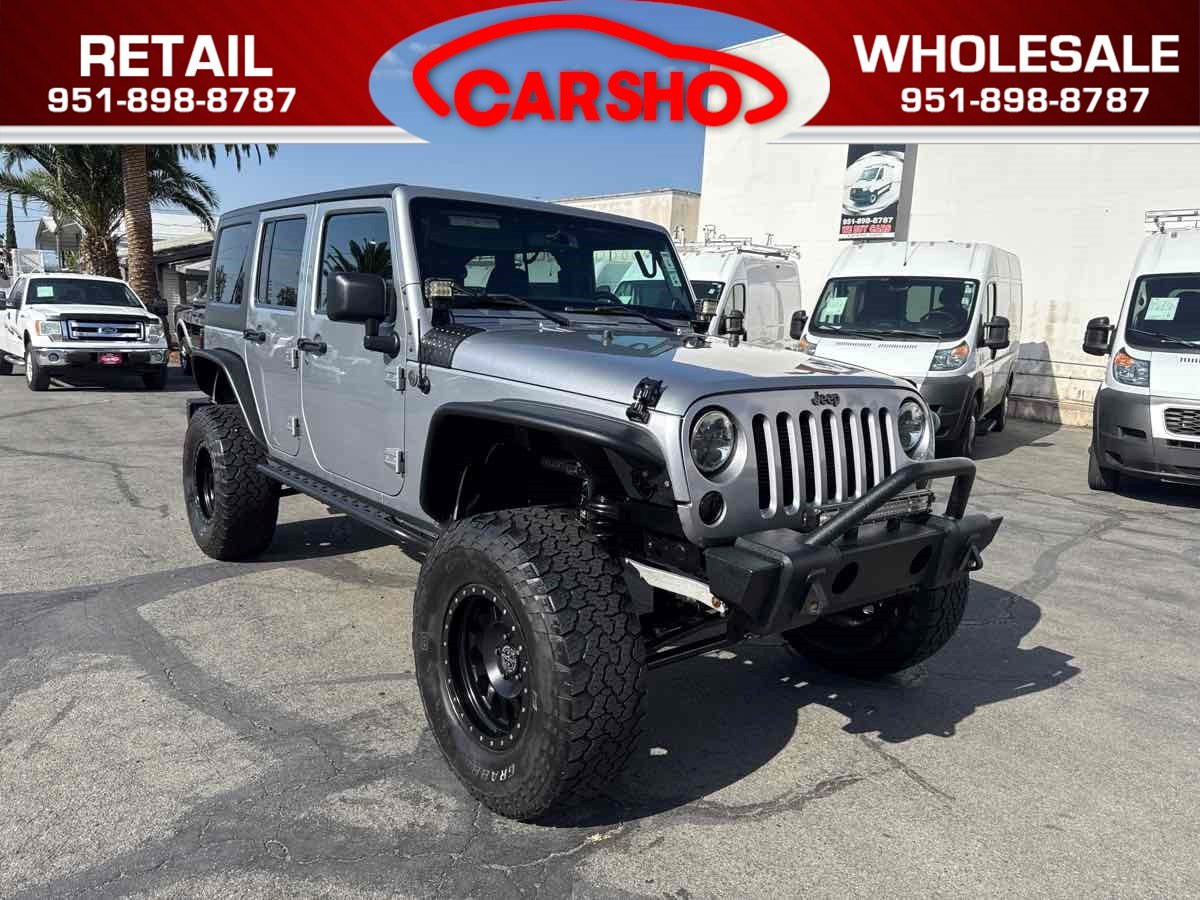
Tire Size And Wheel Well Clearance
The relationship between tire size and wheel well clearance is fundamental for any Jeep Wrangler, and the 2014 model is no exception. The factory wheel wells are designed for specific tire sizes, but most owners aim to fit larger, more aggressive tires for off-road use.
Factory Tire Sizes
The 2014 Jeep Wrangler typically came with tires in the following ranges, depending on the trim level:
- Sport/Sport S: Around 29-30 inches in diameter (e.g., 225/75R16 or 255/75R17).
- Sahara: Often came with slightly larger all-terrain tires, around 32 inches in diameter (e.g., 255/70R18).
- Rubicon: Featured the largest factory tires, typically around 32 inches but with a more aggressive tread pattern (e.g., 255/75R17 Goodyear Wrangler MT/R Kevlar).
These sizes fit comfortably within the stock wheel wells with ample room for articulation.
Common Tire Upgrades And Clearance Requirements
As owners upgrade their 2014 Wranglers, fitting larger tires becomes a priority. Here’s a general guide to tire sizes and the modifications usually required:
- 33-inch Tires: This is often the largest size that can be fitted with minimal modifications, sometimes requiring only the removal of the front air dam and possibly minor trimming of the plastic fender liners. Some aftermarket fender flares can also help accommodate this size without a suspension lift.
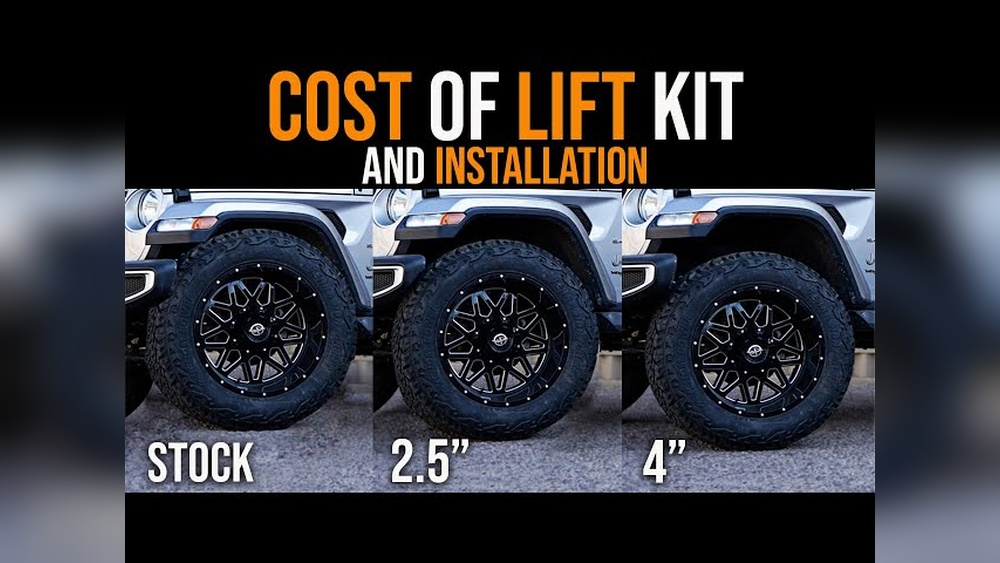
- 35-inch Tires: Fitting 35-inch tires generally requires a suspension lift of at least 2-4 inches. Additionally, aftermarket fender flares (like pocket-style or high-fender flares) and trimming of the fender liners are almost always necessary. You may also need to re-gear the axles for optimal performance, as larger tires significantly increase the load on the drivetrain.
- 37-inch Tires and Larger: These sizes demand significant modifications. A lift of 4-6 inches or more is typically required, along with aggressive aftermarket fender flares (often steel or custom fabricated), extensive fender liner cutting or removal, and potentially modifications to the fenders themselves (like cutting and folding the metal). Re-gearing axles to lower ratios (e.g., 4.56 or 4.88) becomes essential for drivability.
Pro Tip: When considering larger tires, always think about the “all-in” cost. It’s not just the tires themselves; you’ll likely need new wheels (often with different backspacing), a suspension lift, potentially new shocks, fender flares, and possibly re-gearing. Factor in installation costs as well.
Rubicon Express And Teraflex Lift Kits
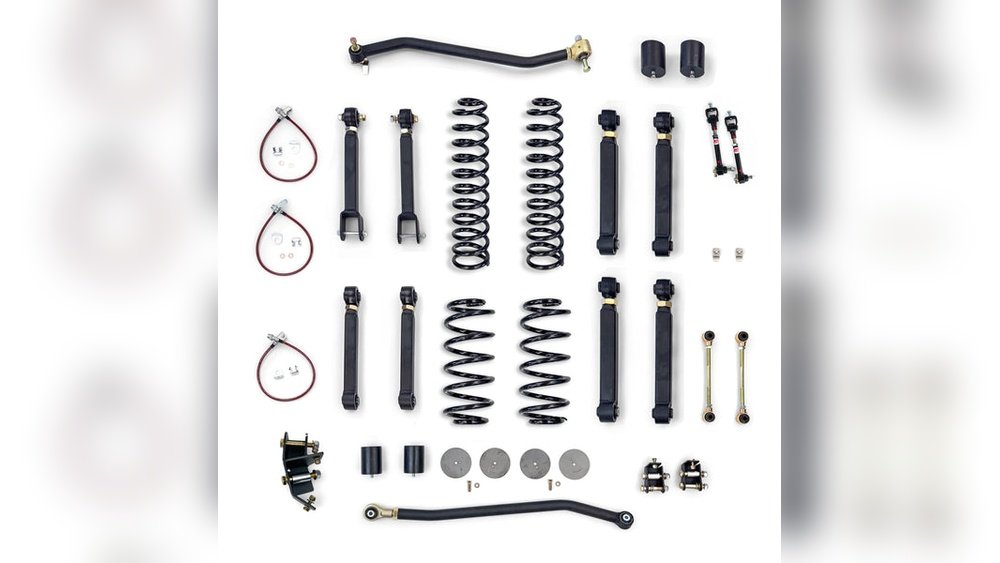
For lifting a 2014 Jeep Wrangler to accommodate larger tires, brands like Rubicon Express and TeraFlex are highly reputable.
- Rubicon Express: Offers a range of suspension lift kits for the JK Wrangler platform (which includes the 2014 model), from mild 2.5-inch lifts to more aggressive 4.5-inch and