The Jeep Wrangler is an icon. For decades, it has been the go-to vehicle for off-road enthusiasts and adventurers.
Part of its legendary capability comes from its rugged design, and a crucial part of that design is its wheels.
Understanding the stock Jeep Wrangler wheel options is key for any owner, whether you're looking to maintain your vehicle's original look, upgrade for better performance, or simply know what you're working with.
This guide will explore the various wheel sizes, styles, and specifications offered directly from the factory for different Jeep Wrangler models and trims.
When you drive a Jeep Wrangler off the lot, it comes equipped with a specific set of wheels designed to balance on-road comfort with off-road prowess. These aren’t just aesthetic choices; they are engineered components that impact everything from tire contact with the ground to suspension geometry.
Jeep offers a range of wheel sizes and designs across its various trims, from the more basic Sport models to the high-performance Rubicon and the stylish Sahara. Each option has its own set of benefits and considerations, influencing how your Wrangler performs on pavement, trails, and rocks.
Understanding Jeep Wrangler Wheel Specifications
Before diving into specific models, it’s important to understand the basic specifications that define a wheel. These numbers tell you if a wheel will fit your Wrangler and how it will affect its stance and performance.
Wheel Diameter And Width
The most obvious specifications are wheel diameter and width, measured in inches. Diameter refers to the size of the wheel from one edge to the other, across the center. Width is the distance between the wheel’s inner mounting surface and the outer lip.
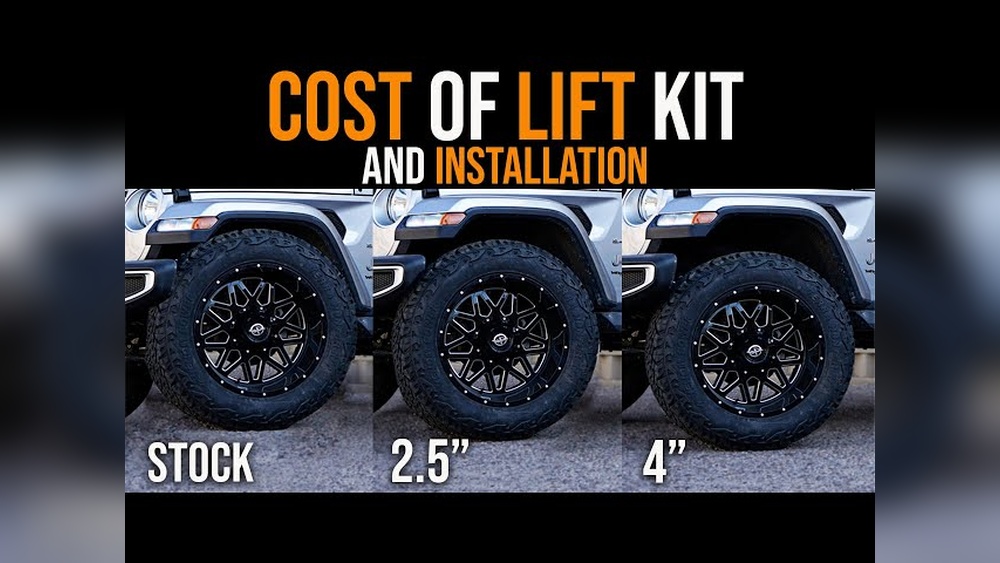
- Diameter: Stock Wrangler wheels commonly range from 17 inches to 20 inches in diameter. Larger diameter wheels often accommodate larger brake systems and can offer a more modern aesthetic. However, for off-roading, a smaller diameter wheel (like 17 inches) is often preferred as it allows for more sidewall on the tire. More tire sidewall provides better cushioning on rough terrain and a larger contact patch for grip.
- Width: Stock wheel widths typically range from 7.5 inches to 8.5 inches. This width is chosen to properly support the factory-fitted tire sizes.
Bolt Pattern
The bolt pattern describes the arrangement of the lug holes on the wheel. It’s expressed as a series of numbers indicating how many lugs there are and the diameter of the circle on which they are mounted. For most modern Jeep Wranglers (JL and JK generations), the bolt pattern is 5×5 inches (or 5x127mm). This means there are five lug nuts arranged in a circle with a diameter of five inches. This is a critical measurement; an incorrect bolt pattern means the wheel simply won’t bolt onto your vehicle’s hubs.
Offset
Wheel offset is a crucial measurement that determines how a wheel sits in relation to the hub. It’s the distance from the mounting surface of the wheel to the centerline of the wheel.
- Positive Offset: The mounting surface is closer to the outside of the wheel. This pulls the wheel inward towards the vehicle’s suspension.
- Negative Offset: The mounting surface is closer to the inside of the wheel. This pushes the wheel outward, away from the vehicle’s suspension.
- Zero Offset: The mounting surface is exactly in the center of the wheel.
Stock Jeep Wrangler wheels typically have a low positive offset or a zero offset. This placement helps maintain tire clearance within the fender wells while providing a stable stance. Changing the offset can affect steering, suspension wear, and tire clearance.
Backspacing
Closely related to offset, backspacing is the distance from the rear of the wheel mounting surface to the outside lip of the wheel. A larger backspacing means the wheel is tucked further inside the fender. A smaller backspacing pushes the wheel out. For the 5×5 bolt pattern, stock Wranglers often have backspacing around 5.5 to 6 inches.
Stock Wheel Options By Jeep Wrangler Generation
Jeep has offered different wheel styles and sizes across its various Wrangler generations, primarily the JK (2007-2018) and the current JL (2018-Present). While some sizes overlap, the designs and specific offerings vary by model year and trim level.
Jeep Wrangler Jk (2007-2018) Stock Wheels
The JK generation saw a significant evolution in wheel options. Earlier models often featured smaller diameter wheels, while later models and higher trims offered larger, more stylized options.
Common JK Wheel Sizes:
- 16-inch Steel Wheels: Found on base Sport models, these are durable, no-nonsense wheels, often black or silver. They are simple, robust, and easy to repair but offer less aesthetic appeal and limit tire choices.
- 17-inch Aluminum Wheels: These became standard on many JK trims, including Sport S, Sahara, and Rubicon. They offered a significant upgrade in looks and weight savings over steel wheels.
- Sport/Sport S: Often came with a basic 5-spoke or similar design in silver or charcoal gray.
- Sahara: Featured more stylized, often polished or two-tone aluminum wheels, sometimes with a larger diameter.
- Rubicon: Typically received rugged-looking 17-inch wheels designed for off-road durability, often with a darker finish and a more aggressive spoke design. These were usually 7.5 inches wide.
- 18-inch Aluminum Wheels: Introduced on some higher-end JK trims, especially later models, offering a more urban or premium look. These were less common for dedicated off-roaders but provided a different aesthetic.
- 20-inch Aluminum Wheels: Available on some special editions or as an option on higher trims in the later JK years. These were primarily for on-road appeal and reduced off-road capability due to the very low-profile tires they required.
Example JK Rubicon Wheel:
A common stock wheel for the JK Rubicon was a 17×7.5 inch aluminum alloy wheel with a 5×5 bolt pattern and a positive offset around +40mm. This setup allowed for the fitment of aggressive 33-inch (LT255/75R17) or 35-inch tires.
Jeep Wrangler Jl (2018-present) Stock Wheels
The JL generation introduced new designs and expanded the range of standard and optional wheels, reflecting a blend of ruggedness and modern styling.
Common JL Wheel Sizes:
- 17-inch Aluminum Wheels: These remain a popular choice, especially for the Sport, Sport S, and Rubicon trims.
- Sport/Sport S: Often feature a more utilitarian design, sometimes in silver or black. A common size is 17×7.5 inches.
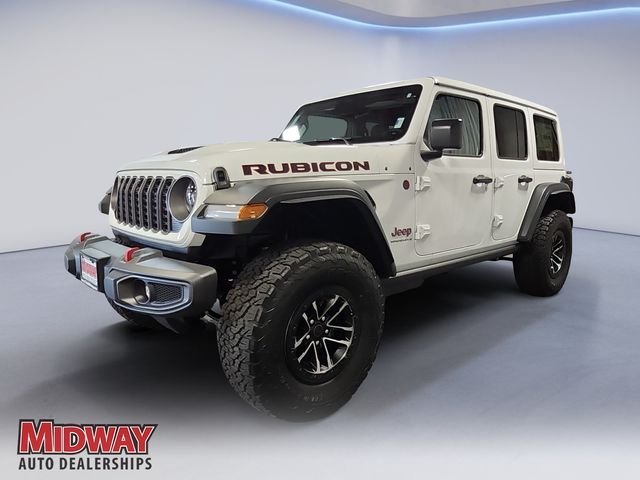
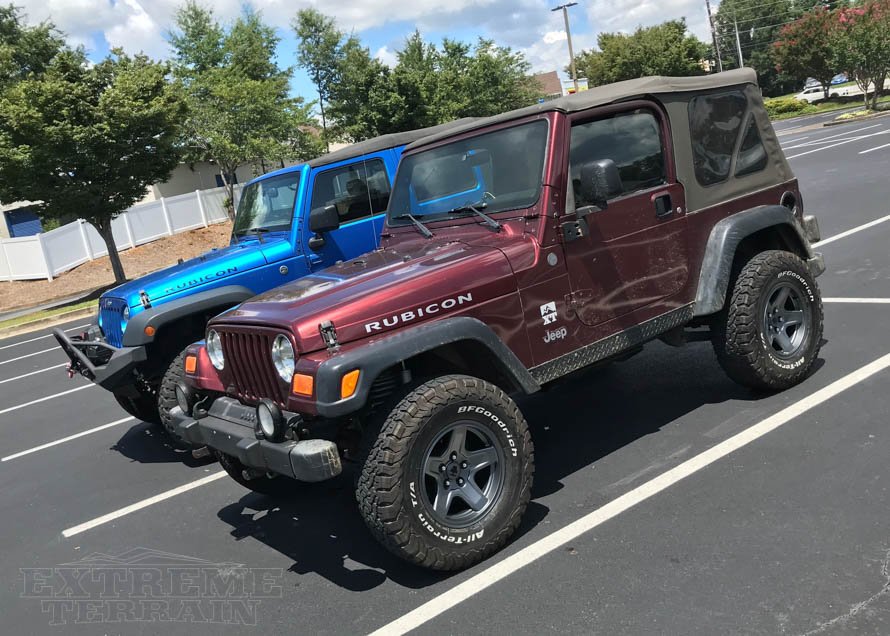
- Rubicon: Continues the tradition of rugged 17-inch wheels, often with a darker finish and a design that emphasizes strength. The 17×7.5 inch aluminum alloy wheel is standard, designed to accommodate the Rubicon’s aggressive tires.
- 18-inch Aluminum Wheels: Available on Sahara and some Overland trims, offering a slightly larger diameter and often more intricate styling, sometimes with machined faces and painted pockets. A typical size is 18×7.5 inches.
- 19-inch Aluminum Wheels: Less common, these might appear on specific appearance packages or higher trims, providing a premium look.
- 20-inch Aluminum Wheels: Widely available on higher trims like Sahara and Overland, and often part of appearance packages. These are typically 20×8 inches and are designed for on-road comfort and style, often paired with all-season tires.
Example JL Rubicon Recon Edition Wheel:
A specialized trim like the Rubicon Recon might come with a unique 17×7.5 inch aluminum wheel in a matte black finish, maintaining the 5×5 bolt pattern and positive offset suitable for extreme off-roading.
Pro Tip: When looking at stock wheels, always check the specific year and trim of the Wrangler. Jeep often offers appearance packages that can include different wheel options even within the same model year.
Wheel Styles And Finishes
Beyond size, stock Jeep Wrangler wheels come in various styles and finishes, catering to different tastes and intended uses.
Material: Steel Vs. Aluminum Alloy
- Steel Wheels: These are the most basic and often the most affordable. They are made from stamped steel and are known for their durability and ability to withstand impacts. However, they are significantly heavier than aluminum wheels, which can affect on-road handling and fuel economy. Steel wheels are also more prone to corrosion and can be difficult to clean. They are typically found on entry-level trims and are often painted black or silver.
- Aluminum Alloy Wheels: These are lighter, stronger, and offer a much wider range of designs and finishes. The manufacturing process allows for intricate shapes and designs that are impossible with steel. Aluminum wheels also dissipate heat better, which can be beneficial for braking. Finishes can include:
- Silver: A classic, clean look.
- Charcoal/Gray: A darker, more subdued appearance.
- Black: Popular for a rugged or stealthy look.
- Machined Face: Where the front surface is polished metal, often with painted pockets (e.g., black or gray).
- Polished: A high-gloss, reflective finish, often seen on Sahara models for a more premium appearance.
Design Elements
Stock wheel designs range from simple and functional to complex and stylish.
- Simple 5-Spoke: A common, classic design found on many base and mid-trim models.
- Rugged Off-Road Designs: Often feature thicker spokes, sometimes with cutouts or beadlock-style rings (though usually cosmetic on stock wheels). These are common on Rubicon models.
- Stylish Multi-Spoke: More intricate designs with many thinner spokes, often seen on Sahara or Overland trims, sometimes with machined faces.
- “Taco” Wheels: A nickname for a specific popular 5-spoke design on many Wranglers.
How Stock Wheels Affect Performance
The wheels your Jeep Wrangler comes with from the factory are carefully chosen to complement the vehicle’s intended use and performance characteristics.
On-road Driving
- Ride Comfort: Larger diameter wheels with lower-profile tires (less sidewall) generally offer a firmer ride. Smaller diameter wheels with taller sidewalls provide more cushioning.
- Handling: Lighter aluminum wheels can contribute to slightly better acceleration and braking due to reduced unsprung weight. Wheel width also plays a role; wider wheels can improve cornering grip, but also increase rolling resistance.
- Fuel Economy: Heavier wheels, like steel ones, can slightly decrease fuel efficiency.
Off-road Performance
- Tire Size and Sidewall: This is where stock wheel choice becomes most critical for off-roaders.
- Smaller Diameter Wheels (e.g., 17-inch): Allow for taller tire sidewalls. More sidewall flex means a larger contact patch with the ground, improving traction on uneven surfaces. It also acts as additional suspension, absorbing impacts from rocks and bumps.
- Larger Diameter Wheels (e.g., 18, 20-inch): Require lower-profile tires. These have less sidewall, reducing the tire’s ability to conform to terrain and absorb shocks. They are more susceptible to damage from impacts.
- Durability: Steel wheels are often preferred by extreme off-roaders for their sheer toughness and ease of repair in remote locations. However, factory aluminum wheels, especially those on Rubicon models, are engineered to be very strong.
- Ground Clearance: While the wheel diameter itself doesn’t directly add ground clearance (that’s the tire’s job), the overall tire diameter fitted to the wheel does. Stock wheels are designed to fit tires that provide a balance without requiring suspension modifications.
Example: A stock 17-inch Rubicon wheel paired with a 33-inch tire offers a good compromise for off-road capability. If you were to fit a 20-inch wheel, you’d be limited to tires with much less sidewall, significantly hindering off-road performance.
Common Stock Wheel Setups By Trim (jl Generation Example)
Let’s look at some typical stock wheel setups for the current Jeep Wrangler JL generation. These are general examples, and specific packages or options may vary.
Jeep Wrangler Sport / Sport S
- Wheel Size: 17 inches
- Wheel Type: Aluminum alloy
- Finish: Silver or black
- Width: Typically 7.5 inches
- Bolt Pattern: 5×5 inches
- Offset: Low positive (e.g., +40mm to +44mm)
- Description: Functional and durable, these wheels are designed to fit the standard all-terrain tires suitable for light off-roading and daily driving. They provide a good balance of capability and cost-effectiveness.
Jeep Wrangler Sahara
- Wheel Size: 18 inches (sometimes 20 inches)
- Wheel Type: Aluminum alloy
- Finish: Machined face with gray or silver pockets, or fully polished.
- Width: Typically 7.5 inches or 8 inches
- Bolt Pattern: 5×5 inches
- Offset: Low positive
- Description: These wheels offer a more refined and stylish appearance, often featuring more spokes and a premium finish. They are designed for on-road comfort and aesthetics, usually paired with tires that prioritize pavement performance.
Jeep Wrangler Rubicon
- Wheel Size: 17 inches
- Wheel Type: Aluminum alloy
- Finish: Dark gray, matte black, or a rugged silver.
- Width: Typically 7.5 inches
- Bolt Pattern: 5×5 inches
- Offset: Low positive (e.g., +40mm to +44mm)
- Description: Engineered for maximum off-road capability. These wheels are robust, often have a design that can accommodate beadlock-capable tires (though the stock wheels themselves are not usually true beadlocks), and are sized to maximize tire sidewall for rough terrain. They are typically paired with aggressive all-terrain or mud-terrain tires.
Jeep Wrangler Rubicon 392 / High-performance Variants
- Wheel Size: Often 17 inches, but can be 18 or 20 inches depending on the specific package.
- Wheel Type: Aluminum alloy
- Finish: Often unique finishes like gloss black, bronze, or specific machined patterns.
- Width: Can be wider, like 8 inches.
- Bolt Pattern: 5×5 inches