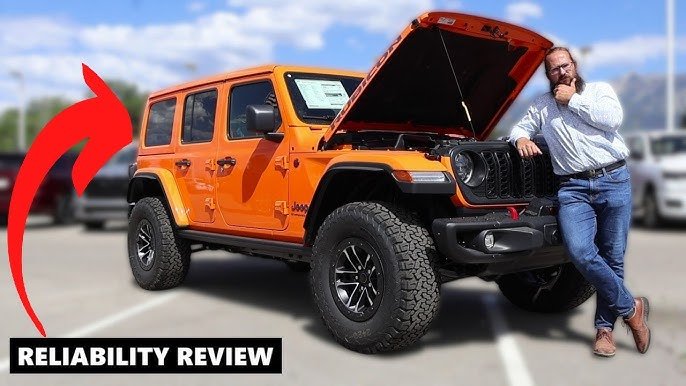
When your Jeep Wrangler Unlimited starts making a squeaking sound under the wheel, it can be unsettling. This iconic vehicle is known for its ruggedness and off-road capabilities, but like any machine, it can develop noises.
A squeak can range from a minor annoyance to a sign of a serious problem. Understanding the potential causes is the first step to fixing it and getting back to enjoying your Jeep without that persistent squeak.
This guide will help you pinpoint the source of that squeaking sound. We'll explore common culprits, from simple fixes to more complex issues that might require professional attention.
By systematically examining different parts of your Wrangler's wheel and suspension system, you can diagnose the problem and decide on the best course of action.
Common Causes Of Squeaking Sounds Under The Wheel
Squeaks from the wheel area of a Jeep Wrangler Unlimited can originate from several places. These noises often become more noticeable at certain speeds, during turns, or when going over bumps.
Identifying the exact location and when the sound occurs is key to narrowing down the possibilities.
Brake System Issues
The brake system is a frequent source of squeaking. Worn brake pads, dust, or debris can all cause friction that results in noise.
- Worn Brake Pads: Brake pads have a metal wear indicator that contacts the rotor when the pad material is nearly gone. This indicator is designed to make a high-pitched squeal to alert you that replacement is needed. If you hear a consistent squeak, especially when you apply the brakes, worn pads are a strong possibility.
- Brake Dust and Debris: Over time, brake dust, dirt, and small stones can get lodged between the brake pad and the rotor. This can create a scraping or squeaking sound, even when you’re not braking.
- Glazed Rotors or Pads: If brake pads and rotors become overheated, the surfaces can become smooth and shiny, a condition known as glazing. This can lead to squeaking due to reduced friction and an altered surface contact.
- Sticking Caliper: A brake caliper is responsible for applying pressure to the brake pads. If a caliper sticks, it can cause the pad to remain in constant contact with the rotor, leading to continuous squeaking and potentially overheating.
Suspension Components
The complex suspension system of your Wrangler Unlimited is designed to absorb shocks and keep your tires on the ground. However, its many moving parts can also be a source of squeaks.
- Ball Joints: These are crucial pivot points in your suspension. When ball joints wear out, they can develop play and start to squeak, especially when turning or going over uneven surfaces. You might hear a clunking sound along with the squeak if the joint is significantly worn.
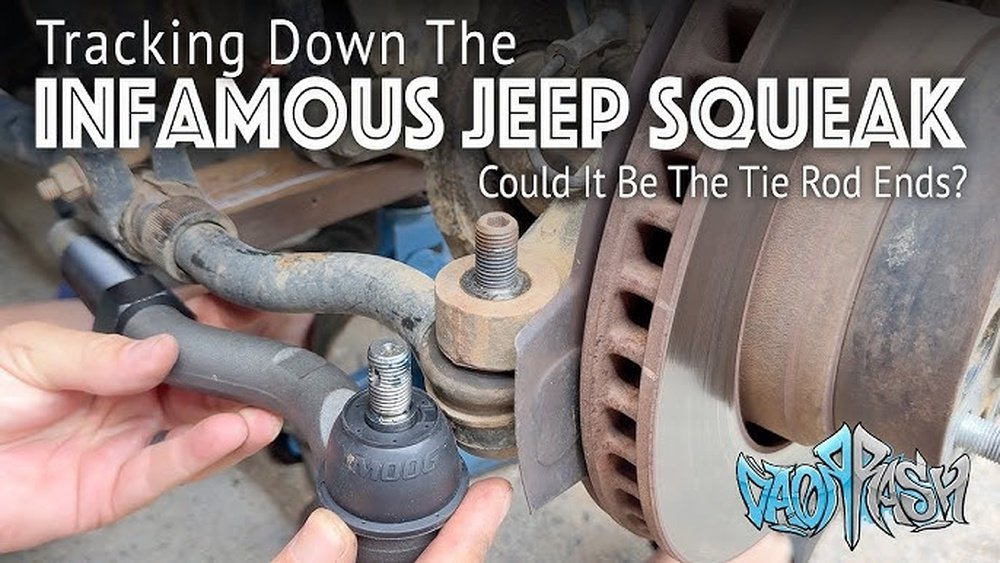
- Tie Rod Ends: Similar to ball joints, tie rod ends are part of the steering system and allow your wheels to turn. Wear in these components can cause a squeaking or creaking noise, particularly when steering.
- Control Arm Bushings: Control arms connect the axle to the frame. They have rubber or polyurethane bushings at their mounting points. When these bushings dry out, crack, or wear down, they can rub against metal, producing a squeak. This is often more apparent when the suspension moves, like when going over bumps.
- Sway Bar Links and Bushings: The sway bar (or anti-roll bar) helps reduce body roll during turns. The links that connect the sway bar to the suspension and the bushings that hold the sway bar to the frame can wear out and squeak. This noise is often heard when the suspension articulates unevenly, such as on uneven terrain or during turns.
- Shocks and Struts: While less common for a simple squeak, worn shocks or struts can sometimes make noise. The mounts or bushings associated with them can dry out or become damaged, leading to squeaking sounds as they compress and extend.
Steering System Parts
The steering system works in conjunction with the suspension to allow you to control your Jeep. Problems here can manifest as squeaks near the wheels.
- Steering Gearbox/Rack and Pinion: Issues within the steering gearbox or rack and pinion assembly can sometimes cause noises that seem to come from the wheel area. Low fluid levels or internal wear might contribute.
- Power Steering Pump: While typically associated with a whining sound, a struggling power steering pump or low fluid level can sometimes cause other noises, including squeaks, especially when turning the wheel.
Wheel Bearings
Wheel bearings allow your wheels to rotate freely. A failing wheel bearing usually makes a grinding or humming noise that gets worse with speed, but in early stages or specific conditions, it could manifest as a squeak.
Other Potential Causes
- Loose Lug Nuts: While less likely to cause a squeak and more a clunking or clicking, it’s crucial to ensure your lug nuts are properly tightened. Loose lug nuts can cause significant damage and are a safety hazard.
- Body Mounts: In some cases, the squeak might not be directly from the wheel assembly but from the body of the Jeep rubbing against the frame, especially if the vehicle is flexed or under stress.
- Tire Rubbing: Ensure your tires are not rubbing against the fender liners or suspension components. This can happen with oversized tires or if suspension components are bent.
Diagnosing The Squeak: A Step-by-step Approach
To effectively tackle that squeaking sound, a methodical diagnostic process is essential. You’ll need to gather some information and perform visual inspections.
Gather Information About The Squeak
Before you even get under your Jeep, pay close attention to the noise.
- When does it happen?
- Constant: Is the squeak always there when the wheels are turning?
- Intermittent: Does it come and go?
- Braking: Does it only occur when you apply the brakes?
- Turning: Does it happen only when you turn the steering wheel, and in which direction (left, right, or both)?
- Bumps: Does it happen when you go over bumps or uneven surfaces?
- Speed-dependent: Does the frequency or loudness change with speed?
- Where does it seem to come from?
- Front or Rear: Try to determine if the sound is coming from the front or rear of the vehicle.
- Left or Right: Can you isolate it to a specific side?
- What does it sound like?
- High-pitched squeal: Often related to brakes or dry bushings.
- Creaking: Can be suspension bushings or ball joints.
- Grinding: More indicative of wheel bearings or severe brake issues.
Visual Inspection Of The Wheel Area
With the information gathered, you can start looking for potential problems. It's safest to do this with the vehicle parked on a level surface.
If you need to lift the vehicle, use jack stands for safety.
Inspecting The Brakes
This is often the first place to look, especially if the squeak happens during braking.
- Remove the Wheel: To get a good look at the brake components, you’ll need to remove the wheel.
- Examine Brake Pads: Look at the thickness of the brake pads. Most pads have a metal backing plate. If the friction material is very thin, or if you can see the metal backing plate is close to or touching the rotor, the pads are worn out.
- Check Rotor Surface: Look for deep grooves, scoring, or a glazed (shiny) appearance on the brake rotor.
- Inspect Caliper: Check if the brake caliper is seized or if the dust boots are torn. Ensure the brake hardware (clips and springs) is in place and not damaged.
- Clean Brake Components: Sometimes, a thorough cleaning of the brake assembly can temporarily resolve squeaks caused by dust and debris. You can use a specialized brake cleaner spray.
Checking Suspension And Steering Components
If the brakes appear fine, move on to the suspension and steering.
- Ball Joints and Tie Rod Ends:
- Ball Joints: With the wheel off the ground, try to rock the wheel from top to bottom. Any significant play or looseness could indicate a worn ball joint. Also, try to move the wheel side-to-side. While some play is normal in steering, excessive movement might point to worn components. Look for torn rubber boots around the ball joints; this allows dirt in and grease out, accelerating wear.
- Tie Rod Ends: Grab the tire at the 3 and 9 o’clock positions and try to rock it. Any looseness or clunking can indicate worn tie rod ends. Check the rubber boots for damage.
- Control Arm Bushings: Visually inspect the rubber bushings where the control arms attach to the frame and axle. Look for cracks, tears, or signs of the rubber separating from the metal insert.
- Sway Bar Links and Bushings: Locate the sway bar and its links. Check the bushings at both ends of the links and where the sway bar mounts to the frame. Look for cracked, dry, or deteriorated rubber. Try to move the sway bar links by hand; any play or squeaking can indicate wear.
- Shocks/Struts: Inspect the shock absorbers or struts for any signs of leaks (fluid on the body of the shock). Check the mounting points and bushings for damage or wear.
- Wheel Bearings: With the wheel off the ground, spin it by hand. Listen for any grinding or humming sounds. Try to wiggle the wheel from side to side (at 3 and 9 o’clock). Any looseness or play could indicate a worn wheel bearing.
Other Checks
- Lug Nuts: Double-check that all lug nuts are tight. You can use a torque wrench to ensure they are tightened to the manufacturer’s specifications.
- Tire Clearance: Ensure your tires are not rubbing against any part of the fender, suspension, or frame, especially when turning.
Using The “bounce Test”
A simple test for suspension components is the bounce test. Push down firmly on each corner of the Jeep and release.
The vehicle should bounce once or twice and then settle. If it bounces multiple times, your shocks or struts might be worn.
While this doesn’t directly diagnose squeaks, it helps assess the overall health of the suspension.
Professional Help
If you’re not comfortable performing these checks, or if you can’t pinpoint the source of the squeak, it’s best to take your Jeep to a qualified mechanic. They have the tools and experience to diagnose and repair the issue safely.

Addressing Specific Squeak Sources
Once you’ve identified the likely cause, here’s how to address it.
Brake System Solutions
- Worn Brake Pads: This is straightforward: replace the brake pads. It’s often recommended to replace them in pairs (both front or both rear) for even braking. Inspect the rotors at the same time; if they are scored, warped, or below minimum thickness, they should also be replaced or resurfaced.
- Brake Dust/Debris: Sometimes, simply cleaning the brakes can help. For a more thorough job, remove the pads and rotors, clean everything thoroughly with brake cleaner, and reassemble. Applying a small amount of brake lubricant to the back of the brake pads (where they contact the caliper bracket, not the rotor) can also help prevent squeaks.
- Glazed Brakes: Resurfacing or replacing the rotors and pads is usually necessary.
- Sticking Caliper: A sticking caliper often needs to be rebuilt or replaced. Ensure the brake fluid is clean and at the correct level.
Suspension And Steering Component Repairs
- Worn Ball Joints/Tie Rod Ends: These components are critical safety items. If they are worn, they must be replaced. This is a job that often requires specialized tools and knowledge, so it’s typically best left to a professional mechanic.
- Worn Bushings (Control Arm, Sway Bar): Bushings can sometimes be replaced individually. However, often the entire component (like a control arm or sway bar link) is replaced, as the bushings may be integrated or difficult to press out and in.
- Worn Shocks/Struts: Replace worn shocks or struts in pairs on the same axle. This ensures balanced suspension performance.
Wheel Bearing Replacement
If a wheel bearing is failing, it needs to be replaced. This is often a complex job that involves removing the hub assembly and pressing the old bearing out and the new one in.
In some vehicles, the entire hub assembly is replaced as a unit.
Lubrication For Squeaks
Sometimes, a squeak is simply due to a lack of lubrication or dry rubber components.
- Silicone Spray: For dry rubber bushings or suspension components, a spray lubricant like silicone spray can offer temporary relief. Apply it directly to the rubber parts. Be aware that this is often a temporary fix, and the underlying worn part may still need replacement.
- Grease: For certain suspension joints (like ball joints or tie rod ends with grease fittings), applying fresh grease can help quiet them down and prolong their life.
When To Call A Professional
- Safety Concerns: If you suspect the issue is with brakes, steering, or suspension components that affect control, don’t delay. Safety is paramount.
- Lack of Tools/Experience: Replacing suspension parts, ball joints, tie rod ends, or wheel bearings often requires specialized tools (like ball joint separators, presses) and a good understanding of automotive repair.
- Persistent Noise: If you’ve tried basic troubleshooting and the squeak persists, a professional mechanic can use advanced diagnostic tools to find the root cause.
- Multiple Issues: If you suspect several problems, a mechanic can assess them holistically and prioritize repairs.
Jeep Wrangler Unlimited Specific Considerations
The Jeep Wrangler Unlimited, particularly models with the Unlimited (4-door) configuration, shares many components with the standard Wrangler but also has some unique characteristics that might influence squeaks.
Lift Kits And Aftermarket Modifications
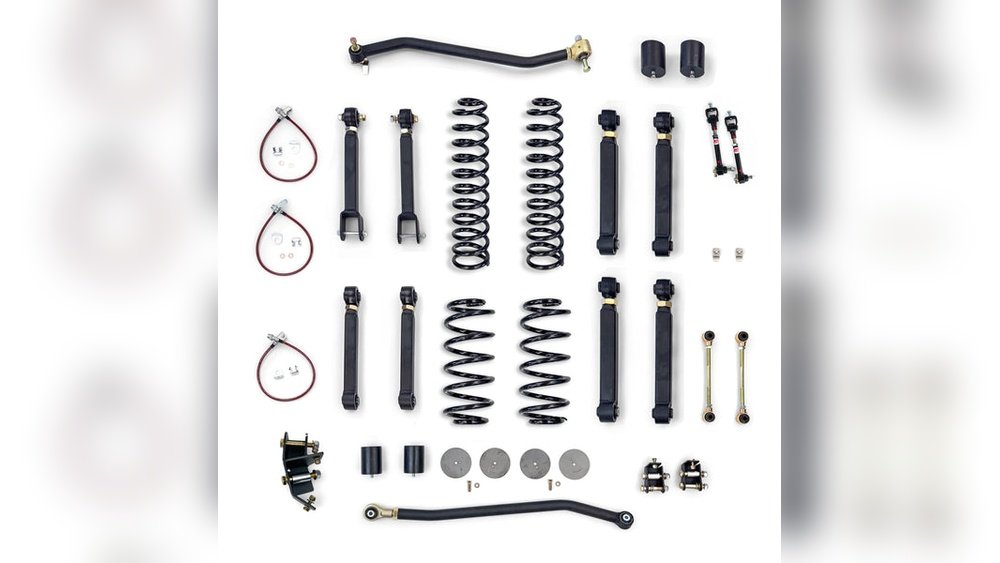
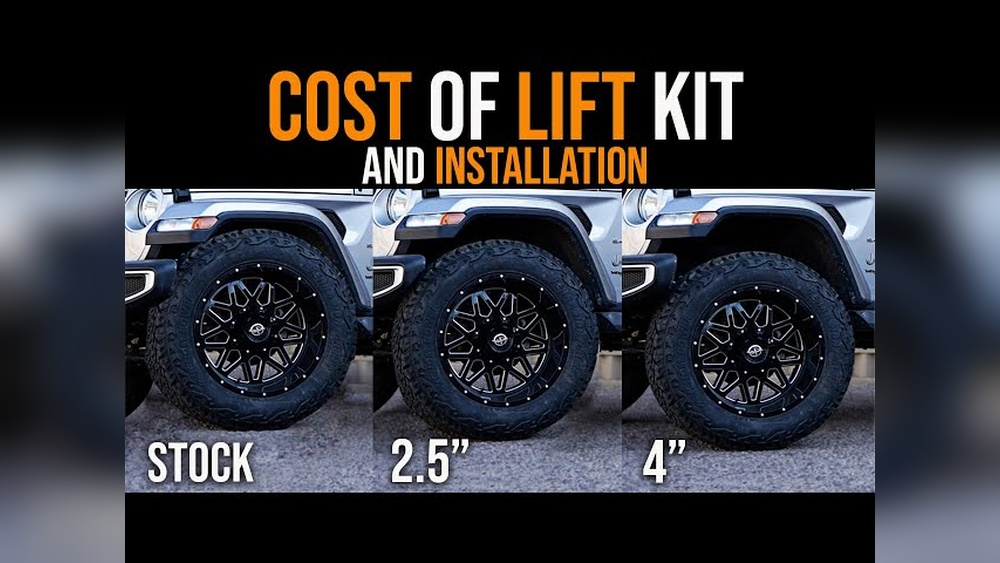
Many Jeep owners modify their Wranglers with lift kits, larger tires, and other aftermarket parts. These modifications can:
- Alter Suspension Geometry: Lift kits change the angles of suspension components. If not installed correctly, or if components are not designed for the specific lift height, it can lead to new stress points and noises.
- Increase Tire Size: Larger tires can rub against fender liners, suspension arms, or the body, especially when the suspension is compressed or the steering is turned. This rubbing can sound like a squeak or scrape.
- Stiffer Bushings: Some aftermarket suspension components use stiffer polyurethane bushings instead of rubber. While durable, these can sometimes transmit more noise and vibration, or squeak if not properly lubricated during installation.
- Added Weight: Heavier aftermarket bumpers, winches, or tire carriers add weight, which can put more stress on suspension components,