Are Jeeps A Good Car
When you think of rugged adventure, you might picture a Jeep crossing rocky trails or splashing through mud. The Jeep brand carries a strong image—freedom, durability, and exploration. But does this reputation mean Jeeps are a good car for daily life, commuting, or family use?
Many drivers wonder if a Jeep is practical, reliable, and worth the price. Let’s look at the facts, real-world experiences, and data to help you decide if a Jeep is a good choice for you.
What Makes Jeeps Stand Out
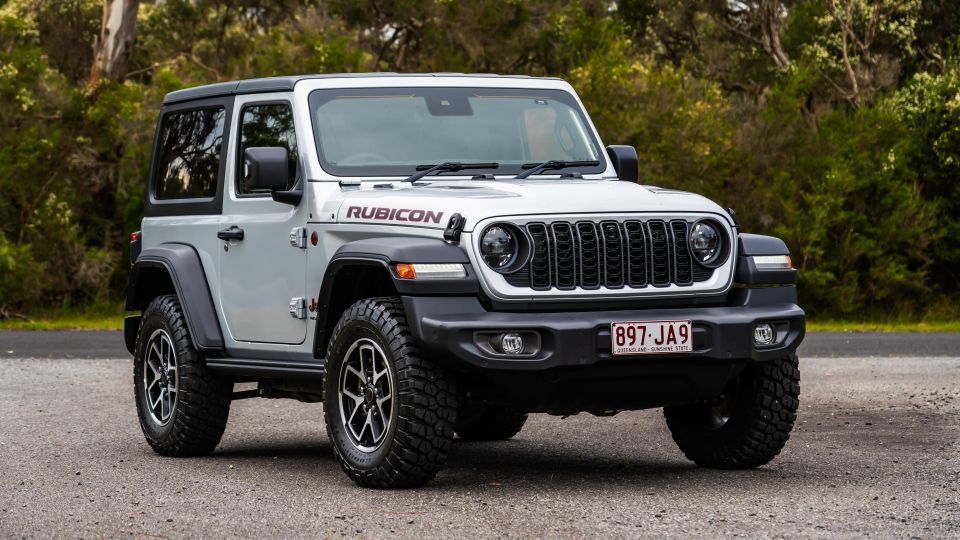
Jeeps are famous for their off-road abilities. Models like the Wrangler and Grand Cherokee have features that let them travel on rough terrain where regular cars cannot go. High ground clearance, strong four-wheel drive systems, and solid suspensions make them popular with outdoor lovers.
But Jeeps are not just for trails. In recent years, the company has added more comfort and technology for daily driving. For example, the Jeep Cherokee and Compass now offer touch screens, driver safety aids, and quieter interiors. This mix of rugged power and modern features is rare.
Reliability And Maintenance
One thing many buyers check is reliability. According to RepairPal, Jeep scores 3.5 out of 5 for reliability, which is average. Some models, like the Wrangler, are known to last many years, especially if well maintained. However, there are reports of frequent repairs for certain models.
Here’s a quick look at average yearly repair costs for popular Jeeps compared to other brands:
| Model | Average Yearly Repair Cost | Reliability Rating |
|---|---|---|
| Jeep Wrangler | $694 | 3.5/5 |
| Jeep Grand Cherokee | $666 | 3.0/5 |
| Toyota RAV4 | $429 | 4.0/5 |
| Honda CR-V | $407 | 4.5/5 |
Non-obvious insight: Many Jeep repairs are related to electronics and transmissions. These issues can appear after about 50,000 miles. Regular maintenance helps, but costs can be higher than other brands.
Everyday Comfort And Driving Experience
People often assume Jeeps are rough and noisy on the road. Modern Jeeps, especially the Grand Cherokee and Compass, offer comfortable seats, good sound insulation, and smooth rides on highways. However, the Wrangler and Gladiator still feel bumpy on city roads due to their off-road design.
Features that make daily driving better include:
- Heated seats and steering wheel in many trims
- Apple CarPlay/Android Auto for easy smartphone use
- Adaptive cruise control in newer models
A key point many miss: Jeep interiors have improved, but space in the Wrangler is tight, especially for rear passengers. Family buyers might prefer the Grand Cherokee or the larger Wagoneer.
Fuel Economy And Cost Of Ownership
Jeep vehicles are not the most fuel-efficient. They use more fuel than compact SUVs, mainly because of their size, weight, and strong engines. Let’s compare a few models:
| Model | MPG (City/Highway) | Annual Fuel Cost (Est.) |
|---|---|---|
| Jeep Wrangler (V6, 4WD) | 17/23 | $2,350 |
| Jeep Cherokee (4-cyl) | 22/31 | $1,800 |
| Toyota RAV4 | 27/35 | $1,450 |
Another non-obvious tip: Some Jeep models now offer plug-in hybrid engines, like the Wrangler 4xe. These use less gas, but cost more up front.
Safety And Technology
Safety is important for many buyers. Most new Jeeps have good crash test scores and offer features like:
- Blind spot monitoring
- Automatic emergency braking
- Rear view cameras
However, not all features are standard on base models. You may need to buy higher trims for full safety tech.
Here’s how Jeep compares for safety ratings:
| Model | NHTSA Overall Rating | Key Safety Features |
|---|---|---|
| Jeep Grand Cherokee | 5 stars | Standard on most trims |
| Jeep Wrangler | 4 stars | Optional in higher trims |
| Honda CR-V | 5 stars | Standard on all trims |
Pros And Cons Of Owning A Jeep
Pros
- Excellent off-road ability: Few vehicles match Jeep in tough terrain.
- Strong resale value: Wranglers often keep their value for years.
- Iconic design: Jeeps have a classic, bold look.
- Fun to drive: Removable tops and doors in Wranglers add to the experience.
Cons
- Higher maintenance costs: Repairs can be frequent and expensive.
- Lower fuel economy: More trips to the gas station.
- Mixed reliability: Some owners report electrical or transmission problems.
- Comfort trade-offs: Off-road models are not as smooth as regular SUVs.
Who Should Buy A Jeep?
A Jeep is a good car if you:
- Love outdoor adventures or camping
- Need to drive on unpaved roads often
- Want a vehicle with strong towing power
- Value style and off-road reputation
A Jeep may not be best if you:
- Want low running costs and high reliability
- Need a lot of space for family or cargo (unless you choose Grand Cherokee or Wagoneer)
- Drive mostly in the city and want a soft, quiet ride
Final Thoughts
Jeeps are not for everyone, but they offer a unique blend of off-road skill, iconic style, and fun driving. If you need a car for tough terrain or love the Jeep brand, they can be a great choice. For city drivers or those focused on low maintenance, other SUVs may suit you better. Test drive a few models, check the features, and decide what fits your lifestyle.
For more on Jeep reliability and ownership, see the detailed data on the Jeep Wikipedia page.

Frequently Asked Questions
Are Jeeps Reliable For Daily Use?
Jeeps are reliable for daily use if well maintained, but they may need more repairs than Japanese brands. Some models, like the Wrangler, are built for off-road and can feel rough on city streets.
Do Jeeps Hold Their Value?
Yes, especially the Jeep Wrangler. It keeps its resale value better than most SUVs. Other models like the Grand Cherokee also do well, but not as much as the Wrangler.
Is A Jeep Expensive To Insure?
Insurance costs for Jeeps are usually higher than average. This is due to their repair costs and popularity with younger drivers. Comparing quotes before buying is a smart move.
Which Jeep Is Best For Families?
The Grand Cherokee and Wagoneer are best for families. They offer more space, comfort, and advanced safety features compared to smaller Jeeps.
Are Jeeps Good In Snow And Rain?
Yes, most Jeeps with four-wheel drive handle well in snow and rain. Their high ground clearance and strong grip make them safer in bad weather than many sedans or small SUVs.