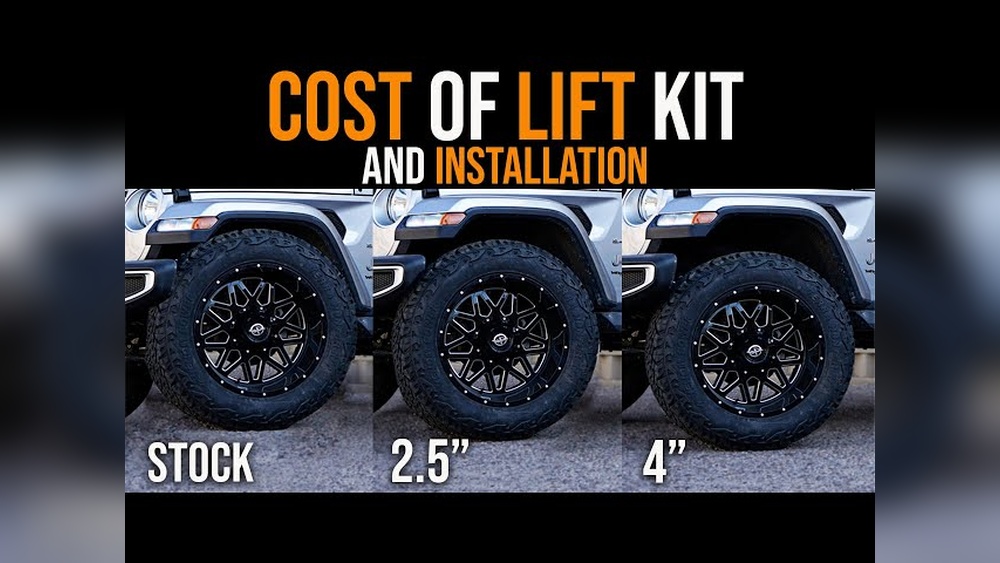
The Jeep Wrangler TJ is a beloved vehicle, known for its off-road capabilities and classic style. For owners looking to upgrade their wheels, understanding the Jeep Wrangler TJ wheel bolt pattern is crucial.
This pattern, also known as the lug pattern or PCD (Pitch Circle Diameter), dictates how the wheels attach to the vehicle's hub. Getting this right ensures your new wheels fit safely and correctly, preventing dangerous situations on the road and on the trail.
This guide will explore the specific bolt pattern for the TJ Wrangler, why it matters, and what factors to consider when choosing new wheels.
Understanding Wheel Bolt Patterns
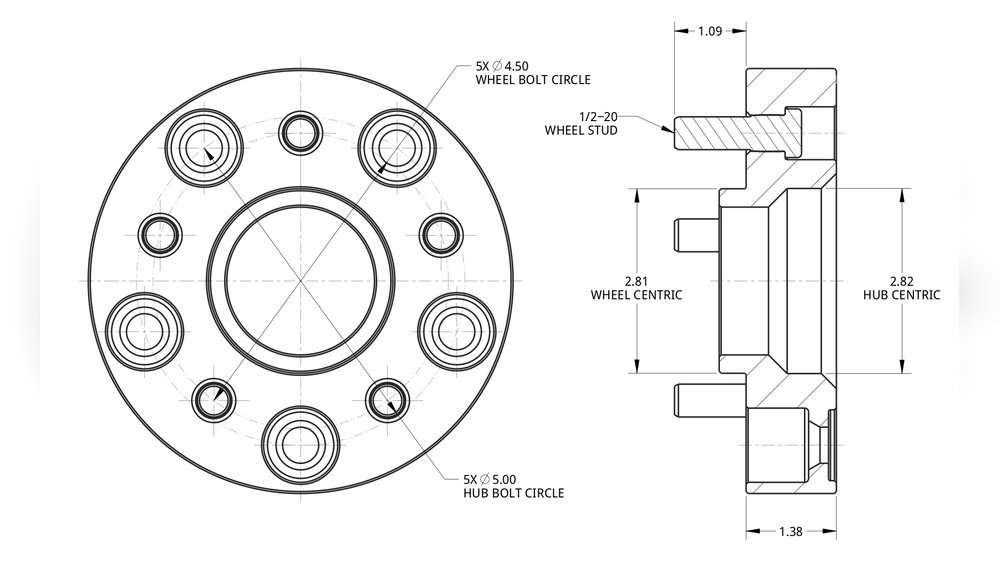
A wheel bolt pattern is a set of numbers that describe the arrangement of the wheel studs or bolt holes on a vehicle’s hub. It’s typically represented as “X x Y”, where X is the number of bolt holes, and Y is the diameter of the circle on which these holes are centered, measured in millimeters.
For example, a 5 x 5. 5 bolt pattern means there are five bolt holes arranged in a circle with a diameter of 5. 5 inches.
What Is The Jeep Wrangler Tj Bolt Pattern?
The Jeep Wrangler TJ, produced from 1997 to 2006, uses a 5 x 5.5 inch (or 5 x 139.7mm) bolt pattern. This means each wheel has five lug holes, and the distance across the center of these holes is 5.5 inches. This pattern is relatively common among older Jeep models and some other trucks and SUVs. It’s a robust pattern, well-suited for the heavier loads and demanding conditions often encountered by Jeep owners.
Why The Bolt Pattern Is Critical For Fitment
The bolt pattern is arguably the most important specification when selecting new wheels. If the bolt pattern of a wheel does not match the bolt pattern of your TJ Wrangler's hub, the wheel simply will not fit.
Trying to force a wheel with an incorrect bolt pattern can damage the studs, the wheel itself, and even the hub assembly.
More importantly, an improperly fitted wheel is a serious safety hazard. It can lead to vibrations, uneven tire wear, and in extreme cases, the wheel could detach from the vehicle while driving.
Common Misconceptions And Pitfalls
One common mistake is confusing the TJ's bolt pattern with that of other Jeep models. For instance, the Jeep JK Wrangler (2007-2018) uses a 5 x 5 inch bolt pattern, which is close but not identical.
The Jeep Cherokee XJ (1984-2001) also shares the 5 x 5.
5 inch pattern, making wheels interchangeable between these models. However, newer Jeep models like the JL Wrangler (2018-present) have moved to a 5 x 5 inch pattern, similar to the JK. Always double-check your specific vehicle’s requirements.
Another pitfall is relying solely on visual similarity. Wheels might look alike, but a difference of even a few millimeters in the bolt pattern diameter can make them incompatible. Always verify the exact specifications.
Factors Beyond Bolt Pattern: Wheel Offset And Backspacing
While the bolt pattern is the first hurdle, it’s not the only wheel specification you need to consider for your TJ Wrangler. Wheel offset and backspacing are also critical for proper fitment and performance, especially when considering larger tires or suspension modifications.
Understanding Wheel Offset
Wheel offset refers to the distance between the wheel’s mounting surface (where it bolts to the hub) and the centerline of the wheel. It can be positive, negative, or zero.
- Positive Offset: The mounting surface is toward the front of the wheel. This pushes the wheel inward, closer to the suspension components.
- Zero Offset: The mounting surface is exactly in the middle of the wheel.
- Negative Offset: The mounting surface is toward the back of the wheel. This pushes the wheel outward, away from the suspension.
For a Jeep Wrangler TJ, most stock and aftermarket wheels will have a low positive or even a slight negative offset. This helps to keep the tire within the fender line and provides clearance for suspension parts. Using an offset that is too extreme (either too positive or too negative) can cause tires to rub on fenders, suspension components, or brake calipers, and can also affect steering geometry and bearing wear.
Understanding Backspacing
Backspacing is the measurement from the back of the wheel (the mounting surface) to the outer lip of the wheel. It's measured in inches.
A lower backspacing measurement means the wheel sits further out from the hub assembly.
- Stock TJ Backspacing: Most stock TJ wheels have around 5.5 inches of backspacing.
- Aftermarket Wheels: When you move to wider tires or wheels, you often need to adjust backspacing. For example, if you get wider wheels, you might need less backspacing to prevent the inner edge of the wheel from hitting suspension components. Conversely, if you want to push wheels out for a wider stance, you’ll need wheels with less backspacing.
The Relationship Between Bolt Pattern, Offset, And Backspacing
These three specifications work together. A wheel with the correct 5 x 5.5 inch bolt pattern can still cause problems if its offset or backspacing is incorrect. For example, a wheel with the right bolt pattern but too much negative offset might cause your tires to rub excessively on the fenders, especially when turning or going over bumps. Conversely, too much positive offset could cause the tire to rub on the control arms or sway bar.
Pro Tip: When choosing new wheels, it’s best to stick as close as possible to the stock backspacing (around 5.5 inches) unless you have specific modifications like a lift kit, fender flares, or wider axles. If you’re unsure, consult with a reputable wheel and tire shop. They can help you select wheels that will fit your TJ without rubbing or causing other issues.
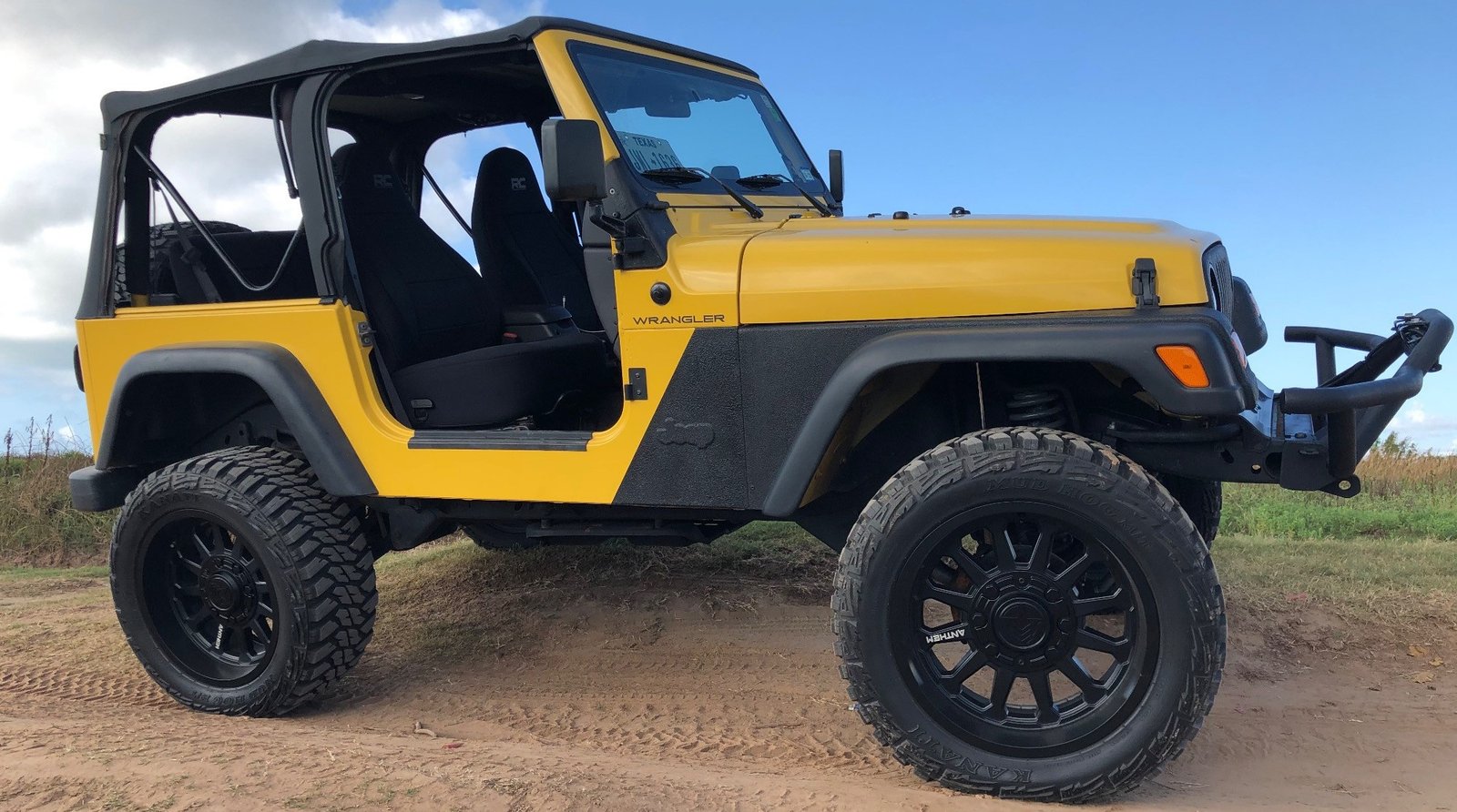
Common Wheel Sizes For The Jeep Wrangler Tj
While the bolt pattern remains consistent for the TJ generation, wheel diameter and width can vary significantly, especially with aftermarket choices.
Stock Wheel Specifications
Stock TJ Wranglers typically came with 15-inch or 16-inch diameter wheels.
- 15-inch Wheels: Often paired with 29-31 inch tires. Common stock sizes were 15×8 inches.
- 16-inch Wheels: Found on some higher trim levels or later models, usually paired with slightly larger tires. Common stock sizes were 16×7.5 inches.
The stock backspacing for these wheels was generally around 5. 5 inches, with a positive offset.
Popular Aftermarket Wheel Sizes
Many TJ owners opt for larger aftermarket wheels to accommodate bigger tires for off-roading or for aesthetic reasons. Common aftermarket sizes include:
- 17-inch Wheels: This has become a very popular size. 17-inch wheels offer a good balance, allowing for a decent amount of tire sidewall for off-road comfort while providing more clearance for larger brake upgrades. They are commonly found in widths ranging from 8 to 9 inches.
- 18-inch Wheels: Less common for hardcore off-roading but popular for mall crawlers or those seeking a specific look. They require lower-profile tires.
- 20-inch Wheels: Primarily for aesthetic purposes, these are rarely chosen by serious off-roaders due to the very low tire sidewall, which offers little protection and comfort off-road.
When choosing aftermarket wheels, remember that a larger diameter wheel often requires a different tire profile to maintain a similar overall tire diameter. For example, a 33-inch tire on a 15-inch wheel will have more sidewall than a 33-inch tire on a 17-inch wheel.
Tire Size Considerations
The wheel size directly impacts the tire size you can fit. Larger wheels generally allow for larger tires. However, fitting larger tires on a TJ Wrangler often requires more than just changing the wheels. You might need:
- Lift Kit: To increase ground clearance and prevent tire rubbing on the fenders and body.
- Fender Flares: Aftermarket flares can provide extra clearance.
- Body Mount Chop (BMC): For very large tires (35 inches and up), you might need to modify the pinch seam or body mount to prevent rubbing.
- Re-gearing: Larger tires increase the effective gear ratio, making the vehicle feel sluggish and putting more strain on the drivetrain. Re-gearing the axles is often necessary for optimal performance with larger tires.
Choosing The Right Wheels For Your Tj Wrangler
Selecting new wheels involves balancing aesthetics, performance, and budget. Here’s a breakdown of what to consider, focusing on the TJ’s specific bolt pattern.
Material And Construction
Wheels for the TJ Wrangler come in various materials and construction methods, each with its pros and cons:
- Steel Wheels:
- Pros: Very affordable, extremely durable, and resistant to damage from impacts. Easy to repair.
- Cons: Heavy, which can affect acceleration, braking, and fuel economy. Limited in design options. Prone to rust if not properly maintained.
- Best For: Budget-conscious buyers, extreme off-roading where durability is paramount, or those who prefer a classic look.
- Alloy Wheels (Aluminum Alloy):
- Pros: Significantly lighter than steel wheels, improving performance and fuel efficiency. Available in a vast array of designs and finishes. More resistant to corrosion than uncoated steel.
- Cons: More expensive than steel wheels. Can be more susceptible to cracking or bending on severe impacts, though high-quality alloys are very strong. Repairs can be more complex.
- Best For: Daily driving, improved performance, and a wider range of aesthetic choices.
- Hybrid/Flow-Formed Wheels:
- These are often lighter and stronger than traditional cast alloy wheels. They are made using a process that strengthens the wheel’s barrel, offering a good balance of weight, strength, and cost.
Design And Aesthetics
The TJ Wrangler has a timeless look, and its wheels play a significant role. Popular styles include:
- Classic 5-Spoke: A timeless design that complements the TJ’s rugged nature.
- Simulated Beadlock: These wheels mimic the look of beadlock wheels used in extreme off-roading, offering a tough appearance without the complexity or cost of true beadlocks.
- Multi-Spoke/Off-Road Designs: Wheels with aggressive styling, often featuring simulated beadlock rings or rugged patterns.
When choosing a design, consider how it will look with your TJ’s paint color and any existing modifications.
Load Rating
For an off-road vehicle like the Jeep Wrangler TJ, the load rating of a wheel is crucial. This rating indicates the maximum weight the wheel can safely support. Ensure that any aftermarket wheels you choose have a load rating that meets or exceeds the Gross Axle Weight Rating (GAWR) for your TJ. Stock TJ Wranglers typically have a GAWR of around 3,000 lbs per axle. Overloading your wheels can lead to failure, especially under strenuous off-road conditions.
Offset And Backspacing Revisited For Aftermarket Choices
As mentioned, maintaining appropriate offset and backspacing is key. For a TJ Wrangler with the 5 x 5.5 inch bolt pattern:
- Stock-like Fitment: Look for wheels with around 5.5 inches of backspacing and a low positive offset (e.g., +10mm to +25mm). This will keep your tires tucked in neatly and minimize rubbing issues with stock fenders.
- Slightly Wider Stance: Wheels with 4.5 to 5 inches of backspacing and a negative offset (e.g., 0mm to -12mm) will push the wheels out slightly, giving a more aggressive stance and potentially more clearance for suspension components. This is often a good choice when upgrading to slightly larger tires (e.g., 31-33 inches) without a significant lift.
- Aggressive Stance/Large Tires: For wider tires (35 inches+) and a significantly wider track, you might look at wheels with even less backspacing (e.g., 3.5 to 4.5 inches) and more negative offset. However, this significantly increases the likelihood of fender rubbing and may require fender flares or trimming.
Tire Compatibility
Ensure the new wheels are compatible with the tire sizes you intend to run. Wheel width is a major factor here.
A 15×8 wheel is generally ideal for 31-33 inch tires, while a 15×10 wheel is better suited for wider tires like 35 inches.
For 17-inch wheels, an 8 or 8. 5-inch width is common for tires up to 35 inches.
Always check the tire manufacturer's recommended wheel width range for the specific tire size you choose.

Common Wheel Upgrades And Considerations For Tj Wranglers
Owners often upgrade wheels for specific reasons, whether it’s to fit larger tires, improve off-road performance, or enhance the vehicle’s appearance.
Upgrading For Larger Tires
This is perhaps the most common reason for changing wheels on a TJ.
- Common Tire Sizes: 31″, 33″, and 35″ are popular upgrades.
- Wheel Size Choice:
- For 31-33″ tires, 15×8 or 17×8.5 wheels are excellent choices. They offer a good balance of sidewall and wheel protection.
- For 35″ tires, 15×10 or 17×9 wheels are often preferred to provide the correct bead seat for the wider tire.
- Bolt Pattern: Always ensure the new wheels maintain the 5 x 5.5 inch bolt pattern.
- Offset/Backspacing: For larger tires, you often need to move the wheel further out to clear suspension components. A backspacing of 4.5 inches or less is common, often paired with a negative offset. This wider stance can also improve stability off-road.
Improving Off-road Performance
When off-roading, wheel choice impacts more than just tire fitment.
- Durability: Steel wheels are often favored for extreme rock crawling due to their resistance to damage. However, high-quality lightweight alloy wheels can also withstand significant abuse and offer the advantage of reduced unsprung weight, which can improve suspension response.
- Beadlocks: True beadlock wheels are designed to mechanically clamp the tire bead to the wheel rim, preventing the tire from unseating (losing air) during aggressive off-roading at very low tire pressures. These are specialized and often expensive but offer maximum security for extreme conditions. They are legal for off-road use only in most areas.
- Weight: Lighter wheels reduce unsprung mass, allowing the suspension to react more quickly to terrain changes,