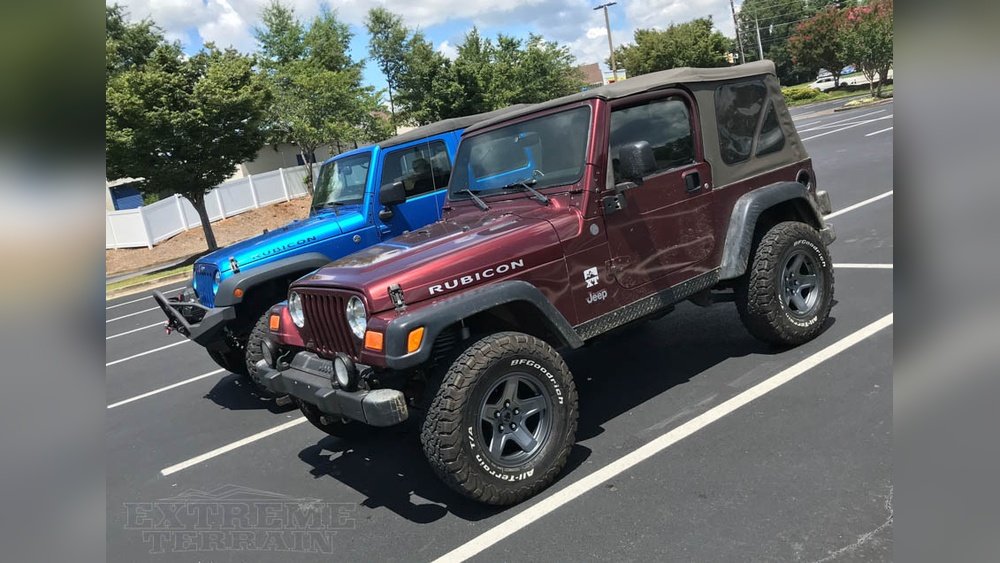
The Jeep Wrangler TJ is an iconic vehicle, known for its off-road prowess and classic design. For many TJ owners, upgrading or changing wheels is a common modification.
One of the most critical, yet often misunderstood, aspects of choosing new wheels is wheel backspacing. This single measurement significantly impacts how your tires fit, how your Jeep handles, and even how much clearance you have for suspension and steering components.
Understanding stock wheel backspacing for the TJ Wrangler is the first step to making informed decisions about aftermarket wheels. It’s not just about looks; it’s about function. Incorrect backspacing can lead to rubbing, poor handling, and even damage to your vehicle. This guide will break down everything you need to know about Jeep Wrangler TJ stock wheel backspacing, why it matters, and how it influences your modification choices. We’ll cover the standard specifications, the impact of different backspacing values, and what you need to consider for your own TJ build.
Understanding Wheel Backspacing
Before diving into the specifics of the TJ Wrangler, it’s essential to grasp what wheel backspacing actually is. Imagine a wheel laid flat. Backspacing is the measurement from the wheel’s mounting surface (where it bolts to the hub) to the outer lip of the wheel. It’s typically measured in inches.
Think of it this way:
- Mounting Surface: This is the flat part of the wheel that touches your Jeep’s hub.
- Outer Lip: This is the very edge of the wheel where the tire bead seals.
The measurement is taken from the mounting surface straight across to the outer edge.
Backspacing Vs. Offset
It’s easy to confuse backspacing with wheel offset. While related, they are different.
- Offset is the distance between the wheel’s mounting surface and the centerline of the wheel. It can be positive, negative, or zero.
- Positive offset: The mounting surface is closer to the outside of the wheel. This tucks the wheel in.
- Negative offset: The mounting surface is closer to the inside of the wheel. This pushes the wheel out.
- Zero offset: The mounting surface is exactly at the centerline of the wheel.
Wheel backspacing is a more direct measurement of how far the wheel sits *inward* or *outward* relative to the hub. For most Jeep enthusiasts, focusing on backspacing is simpler and more directly relates to tire clearance issues. Generally, a lower backspacing number pushes the wheel and tire further *outward* from the Jeep’s body, while a higher backspacing number tucks the wheel and tire further *inward*.
Jeep Wrangler Tj Stock Wheel Specifications
The Jeep Wrangler TJ model was produced from 1997 to 2006. During this generation, Jeep used a specific wheel size and bolt pattern.
The standard stock wheel size for most TJ Wranglers was 15 inches in diameter with a width of 8 inches. The bolt pattern is the universal Jeep pattern: 5 on 4.5 inches (meaning 5 lug nuts spaced on a 4.5-inch diameter circle).
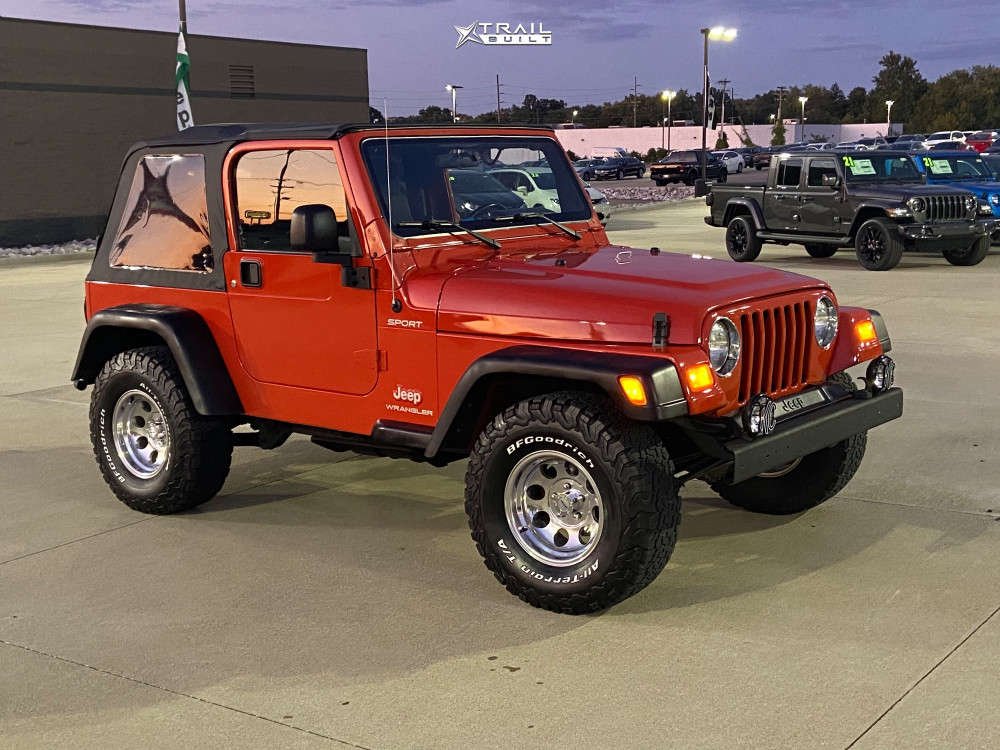
Now, for the crucial part: stock wheel backspacing for the TJ Wrangler. Most factory TJ wheels had a backspacing of approximately 5.25 inches (or 5 1/4 inches). This measurement is key because it dictates the starting point for how the stock tires (typically 30-31 inches in diameter) fit within the fender wells.
This 5. 25-inch backspacing provides a balance, allowing enough clearance for the suspension components on the inside and keeping the tires from sticking out too far on the outside.
It’s designed to work with the factory fender flares and suspension geometry.
Why Stock Backspacing Matters
The stock backspacing is important because it sets the baseline for how much room you have:
- Inside Clearance: Space between the wheel/tire and the Jeep’s frame, suspension arms, brake components, and fenders.
- Outside Clearance: Space between the tire and the fender flares or the body panels.
When you change wheels, you’re changing this backspacing. This directly affects how your tires interact with the rest of the vehicle.
The Impact Of Changing Backspacing
When you move away from the stock 5.25-inch backspacing, you alter the wheel’s position relative to the vehicle. This has significant consequences, especially when fitting larger tires or customizing suspension.
Lower Backspacing (wheels Move Outward)
Choosing wheels with less backspacing than stock (e.g., 4.5 inches, 4 inches, or even 3.5 inches) will push the wheel and tire further out from the Jeep’s centerline.
Pros of Lower Backspacing:
- Improved Tire Clearance: Pushing the tires out can help clear suspension components, especially when lifting a Jeep or adding wider axles.
- Aggressive Stance: Many enthusiasts prefer the look of wheels that sit further out, giving the Jeep a wider, more aggressive appearance.
- Easier to Fit Larger Tires (Sometimes): Pushing the tire out can sometimes allow for larger tires without rubbing on the control arms, but it increases the chance of rubbing on the fenders or body.
Cons of Lower Backspacing:
- Increased Rubbing on Fenders/Body: The tire is more likely to contact the fenders, fender flares, or even the side of the Jeep body, especially when turning or flexing the suspension.
- More Stress on Wheel Bearings: Pushing the wheel out increases the leverage on the wheel bearings and hubs. This can lead to premature wear and potential failure over time, especially with larger, heavier tires.
- Reduced Steering Component Life: Similar to wheel bearings, the added leverage can put more strain on steering components like tie rods and ball joints.
- Tire Kick-Up: When turning, the tire can “kick up” more dirt and debris onto the sides of the Jeep.
- Potential for Road Debris: Tires sticking out further can spray more mud and rocks onto other vehicles.
- Fender Flare Issues: You might need aftermarket fender flares to cover tires that extend beyond the stock ones, or you may need to trim your fenders.
For a TJ Wrangler, moving from the stock 5.25 inches to something like 4.5 inches of backspacing is a common step for moderate tire upgrades (e.g., 33-inch tires). Going to 4 inches or less is often done for significantly larger tires (35 inches and up) or custom suspension setups, but it comes with the drawbacks mentioned above.
Higher Backspacing (wheels Move Inward)
Choosing wheels with more backspacing than stock (e.g., 6 inches or more) will tuck the wheel and tire further inward, closer to the Jeep’s frame and suspension.
Pros of Higher Backspacing:
- Reduced Stress on Bearings and Steering: Tucking the wheel in reduces the leverage on wheel bearings and steering components, potentially leading to longer life.
- Better Tire Protection: The tire is less likely to contact fenders or body panels.
- Cleaner Look (Subjective): Some prefer a more tucked-in appearance.
- Less Road Debris Spray: Tires are less likely to spray mud and rocks onto the sides of the vehicle.
Cons of Higher Backspacing:
- Rubbing on Suspension Components: The tire is more likely to rub against the frame, control arms, sway bar, or brake calipers on the inside. This is a major problem for TJ Wranglers, especially with larger tires or when lifting.
- Limited Tire Size: It becomes much harder to fit larger tires without interior rubbing.
- Appearance: The Jeep might look narrower or less aggressive.
Generally, TJ owners avoid higher backspacing when upgrading. The stock 5.25 inches is already quite tucked in compared to many other vehicles. Going higher usually creates more problems than it solves unless you have a very specific build in mind.
Common Tire Sizes And Backspacing Recommendations For Tj Wranglers
The choice of tire size is intrinsically linked to wheel backspacing. Here’s a look at common tire sizes for the TJ Wrangler and how backspacing plays a role.
Stock Tire Size (29-31 Inches)
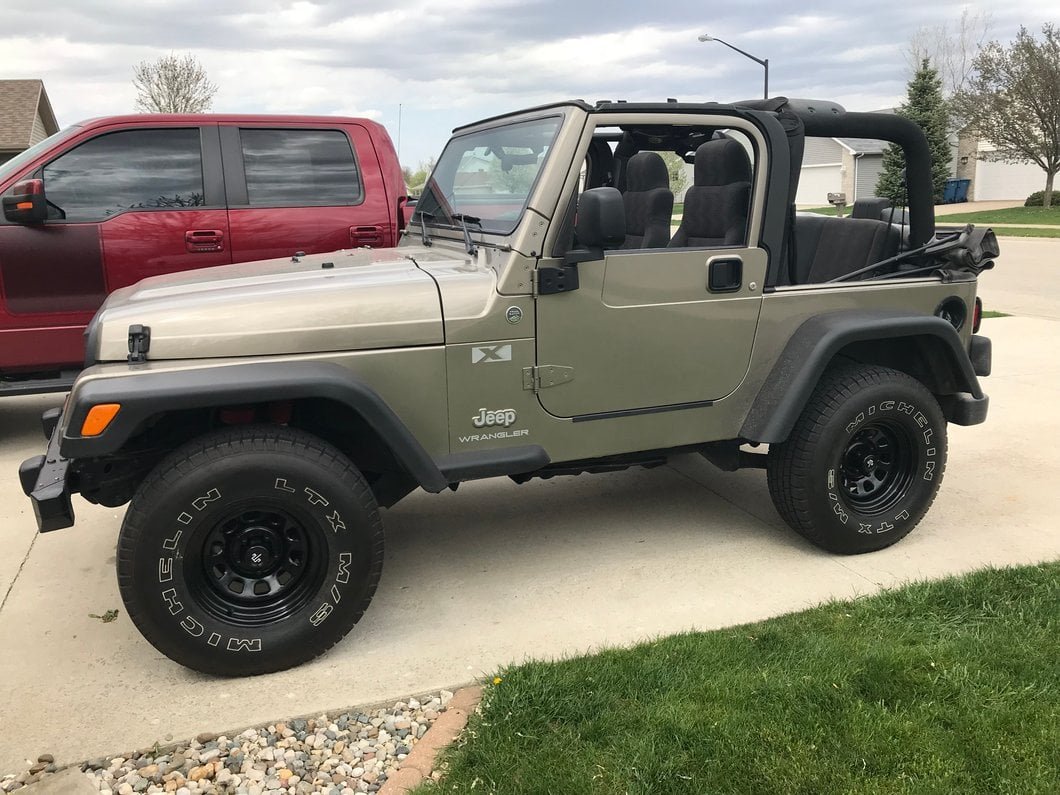
With stock 15×8 wheels (5.25-inch backspacing) and stock 29-31 inch tires, you have good clearance. No modifications are typically needed. This is the factory setup.
32-inch Tires
Fitting 32-inch tires on a TJ is often possible with minimal or no lift.
- With stock wheels (5.25″ backspacing): Usually fits without major issues, though some minor rubbing on the control arms at full steering lock or on the fenders during articulation might occur, especially without a small lift.
- With aftermarket wheels (e.g., 4.5″ backspacing): This is a popular choice. The slightly wider stance can help clear the control arms, but you might experience more fender rubbing, especially if you don’t have at least a 2-inch lift.
33-inch Tires
33-inch tires are a very popular upgrade for TJ Wranglers, often requiring a suspension lift (typically 2-4 inches).
- With stock wheels (5.25″ backspacing): You will almost certainly experience rubbing on the control arms at full steering lock. Fender rubbing is also likely, especially during off-roading. This setup is generally not recommended without modifications.
- With aftermarket wheels (4.5″ backspacing): This is a common recommendation for 33-inch tires. The wider stance helps clear the control arms significantly. You will still likely need a 2-4 inch lift to minimize fender rubbing, and some trimming of the fenders or bumpers might be necessary for serious off-roading.
- With aftermarket wheels (4″ backspacing): This provides an even wider stance. It’s very effective at clearing suspension components but maximizes the risk of fender and body rubbing. You’ll definitely need a lift and likely fender trimming.
35-inch Tires
Fitting 35-inch tires on a TJ Wrangler requires significant modifications. This usually involves a substantial suspension lift (4 inches or more), potential differential gear changes (re-gearing), and often body or fender modifications.
- With stock wheels (5.25″ backspacing): Highly unlikely to work without extreme rubbing on suspension and fenders.
- With aftermarket wheels (4.5″ backspacing): This is a more viable option than stock, but still challenging. You will need significant lift, and fender trimming or aftermarket high-clearance fenders are almost mandatory. Rubbing on the frame or control arms can still occur in certain articulation scenarios.
- With aftermarket wheels (4″ backspacing): This is a common choice for 35s. It provides the best clearance from the inner suspension components. However, it pushes the tire out considerably, requiring significant fender trimming, high-clearance fenders, or even a body lift to prevent severe rubbing.
37-inch Tires And Larger
Fitting 37-inch tires and above is considered extreme for a TJ Wrangler. It requires extensive modifications, including:
- Heavy-duty suspension systems
- Significant body modification (cutting fenders, body lifts)
- Stronger axles (like Dana 44 or aftermarket equivalents)
- Low-range gearing
- Careful wheel selection
For these sizes, 4-inch backspacing is often the minimum, with some builders opting for even less (e.g., 3.5 inches) depending on the specific wheel width and axle choice. The goal is to clear the suspension while managing the outward poke.
Here’s a simplified table to illustrate common tire sizes and recommended backspacing for TJ Wranglers:
| Tire Size | Recommended Backspacing (inches) | Lift Height (Typical) | Notes |
|---|---|---|---|
| 29-31″ (Stock) | 5.25 | Stock | Factory setup. |
| 32″ | 5.25 or 4.5 | 0-2″ | 4.5″ backspacing offers better control arm clearance, may increase fender rub. |
| 33″ | 4.5 or 4.0 | 2-4″ | 4.5″ is common; 4.0″ pushes tires out more, needs more fender clearance. |
| 35″ | 4.0 or less | 4″+ | Requires significant lift, fender trimming, and often re-gearing. |
| 37″+ | 4.0 or less (often custom) | 4″+, Body lift | Extreme build; requires heavy modifications and careful planning. |
Pro Tip: Always remember that tire width also plays a significant role. A wider tire (e.g., 12.5 inches) will require more clearance than a narrower tire (e.g., 10.5 inches) of the same diameter. Tire manufacturers’ recommendations and user forums are excellent resources for specific tire and wheel combinations.
Calculating Required Backspacing
When you’re planning a lift and larger tires, you might need to calculate the ideal backspacing. This is crucial to avoid rubbing issues.
The Formula (simplified)
A basic understanding of how backspacing relates to tire clearance can be helpful. Let’s consider fitting larger tires.
1. Tire Diameter: This is the overall height of the tire.
2. Tire Width: This is the overall width of the tire.
3. Lift Height: This is the amount of suspension lift.
4. Wheel Width: The width of the new wheel.
5. Wheel Backspacing: The measurement you want to determine or verify.
The general idea is to ensure the tire, when mounted on the new wheel, doesn’t interfere with the frame, control arms, fenders, or body.
Let’s use a common scenario: fitting 33×12.5R15 tires on a TJ with a 4-inch lift, using 15×8 wheels.
- Stock TJ Wheelbase: Around 93.4 inches.
- Stock Front Track Width: Around 60 inches.
- Stock Rear Track Width: Around 59.5 inches.
When you lift the Jeep and add wider tires, the track width increases, and the tire moves further out.
Calculating Clearance:
*