The Jeep Wrangler TJ is a legendary off-road vehicle, and for many owners, customizing it is part of the fun. One of the most common and impactful modifications is changing the wheels and tires.
When you swap out your stock wheels, understanding wheel backspacing is crucial. It's not just about looks; it directly affects how your tires fit, how your Jeep handles off-road, and whether you'll experience rubbing issues.
This article will break down everything you need to know about Jeep Wrangler TJ stock wheel backspacing, why it matters, and what options you have when you decide to upgrade.
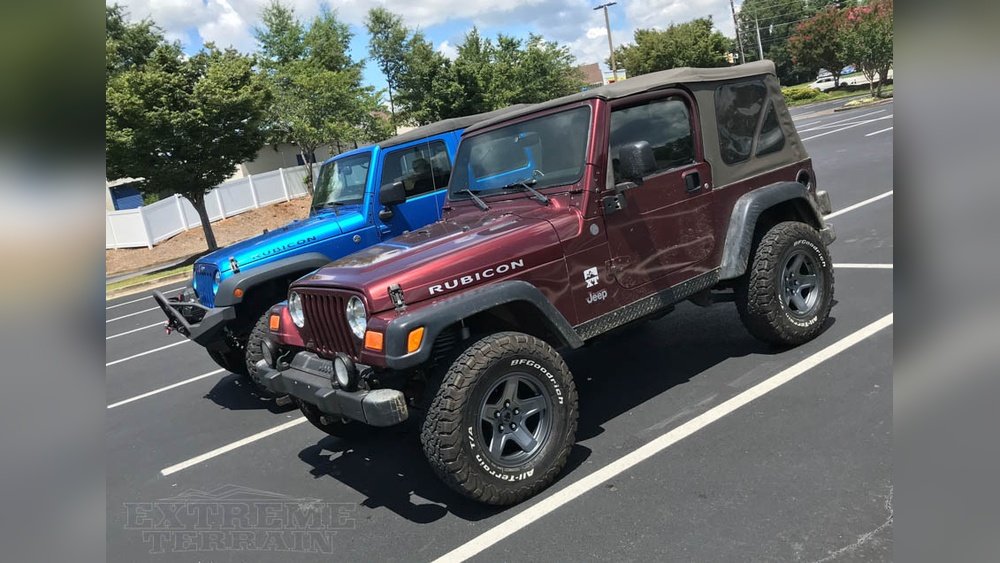
For TJ Wranglers, the factory setup is designed for a balance of on-road manners and off-road capability. The stock wheels and their specific backspacing contribute to this balance.
When you deviate from this, especially with larger tires, you can run into problems if you don't understand the geometry involved.
Backspacing is a measurement that dictates how far the wheel mounting surface is from the back of the wheel. This simple measurement has a big impact on your Jeep’s stance and performance.
Understanding Wheel Backspacing
Wheel backspacing is a critical measurement that defines how a wheel sits in relation to the vehicle’s hub. It’s measured in inches and refers to the distance from the mounting surface (where the wheel bolts to the hub) to the back edge of the wheel. This measurement is key because it directly influences how far the wheel and tire will sit inward or outward from the fender.
Think of it this way: a wheel with less backspacing will push the tire further outward, away from the Jeep’s body. Conversely, a wheel with more backspacing will pull the tire further inward, closer to the suspension components. This seemingly small difference has a significant ripple effect on your Wrangler’s setup.
How Backspacing Affects Your Jeep
The backspacing of your wheels plays a vital role in several aspects of your Jeep Wrangler TJ’s performance and fitment:
- Tire Clearance: This is perhaps the most immediate concern for TJ owners. Wheels with incorrect backspacing can cause tires to rub against fenders, suspension components, or brake lines, especially when turning or flexing the suspension off-road.
- Scrub Radius: This refers to the distance between the steering axis and the center point of the tire’s contact with the ground. Changing backspacing alters the scrub radius, which can affect steering feel and tire wear. Wheels that are too far out or too far in can negatively impact this.
- Wheel Bearing Load: Wheels that extend too far outward (low backspacing) increase the leverage on the wheel bearings. Over time, this can lead to premature wear and potential bearing failure, especially under the stress of off-roading.
- Suspension Component Clearance: With less backspacing, the tire moves outward, potentially providing more clearance for suspension parts like control arms. However, too little backspacing can cause the tire to rub on the fender flares or bodywork.
- Aesthetics: Backspacing significantly impacts your Jeep’s stance. Lower backspacing creates a more aggressive, wider look, pushing the wheels out. Higher backspacing tucks the wheels in.
Stock Tj Backspacing Explained
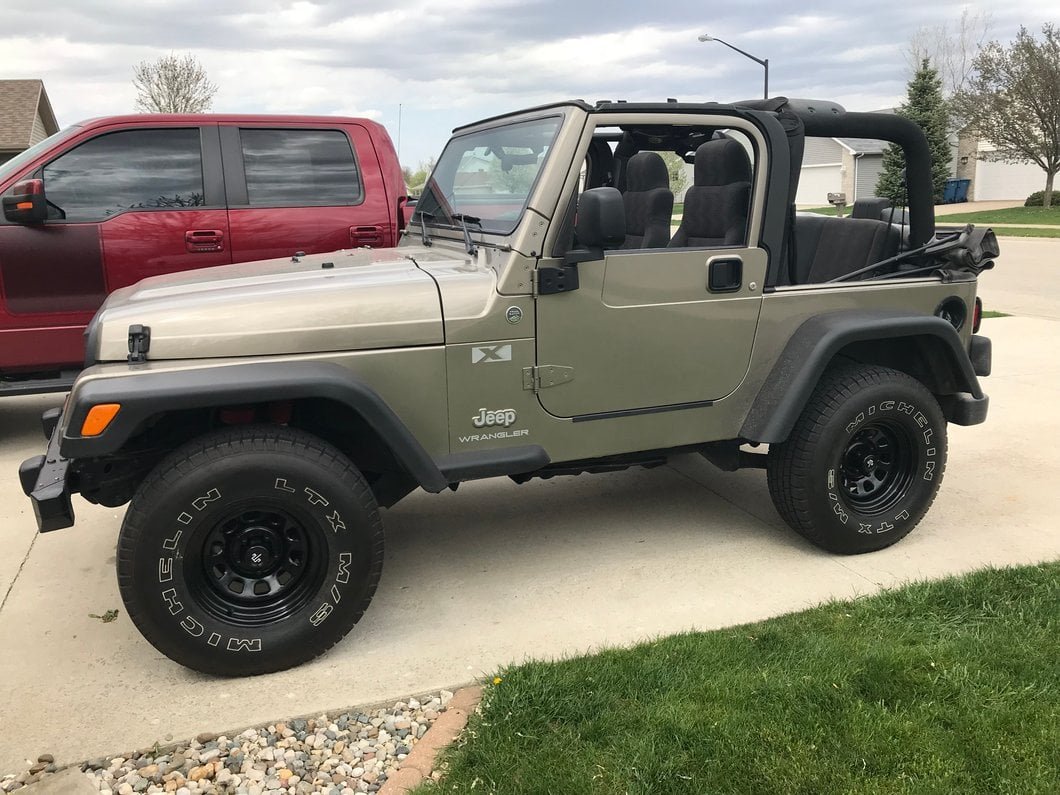
For the Jeep Wrangler TJ, the factory wheels are designed to provide a good balance for everyday driving and moderate off-road use. The stock backspacing for a Jeep Wrangler TJ wheel is typically around 5 inches. This measurement is crucial for understanding what works with the factory suspension and common tire sizes.
The 5-inch backspacing on stock TJ wheels offers a good compromise. It keeps the tires relatively tucked in, which helps protect the sidewalls from trail hazards and minimizes the load on the wheel bearings.
It also generally prevents rubbing issues with the fenders and suspension components when running stock or slightly larger tires (like 31-inch or 32-inch tires).
When you start considering larger tires, say 33 inches or more, the limitations of the stock backspacing become more apparent. To fit these larger tires without significant rubbing, many TJ owners opt for wheels with less backspacing.
Why Changing Wheel Backspacing Matters For Tjs
When you decide to upgrade your Jeep Wrangler TJ’s tires, you’ll quickly realize that simply bolting on larger tires to your stock wheels might not be a straightforward bolt-on affair. This is where understanding wheel backspacing becomes paramount. Changing your tires often necessitates a change in wheels, or at least an awareness of how your chosen wheels will interact with the TJ’s chassis.
The TJ Wrangler’s design, with its relatively narrow body and suspension geometry, is sensitive to wheel offset and backspacing changes. The goal of modifying backspacing is usually to accommodate larger tires, improve the stance, or enhance off-road performance. However, each change comes with potential trade-offs.
Accommodating Larger Tires
This is the primary reason most TJ owners look into different wheel backspacings. As you increase tire diameter and width, the tire occupies more space.
- Tire Width: Wider tires naturally extend further outward. If your wheels have too much backspacing (i.e., they are too far inward), a wider tire will rub against suspension components like control arms or sway bars.
- Tire Diameter: Larger diameter tires, even if they are the same width as stock, have a taller sidewall and tread that can interfere with the fenders, especially when the suspension is compressed or articulated.
By choosing wheels with less backspacing (e.g., 4 inches or 3.75 inches), you push the tire further out from the Jeep. This can provide the necessary clearance for wider and taller tires, preventing them from rubbing on the suspension. It also gives the tire more room to clear the fenders, particularly when combined with a suspension lift.
Improving Stance And Aesthetics
Many Jeep enthusiasts want their TJ to have a more aggressive, wider stance. Lower backspacing wheels achieve this by pushing the tires out beyond the fenders. This visually makes the Jeep look more muscular and ready for adventure. A wider track width can also offer a slight improvement in stability, especially on uneven terrain.
However, it’s important to note that pushing the wheels too far out can have negative consequences. As mentioned earlier, it increases stress on the wheel bearings and can lead to excessive tire spray, meaning mud and water get flung further back onto the vehicle.
Off-road Performance Considerations
When off-roading, tire clearance is king. Rubbing tires can lead to damage to the tires themselves, fenders, or even suspension components. Choosing the right backspacing can help optimize clearance.
- Articulation: When the suspension articulates (one side goes up while the other goes down), the tires move in an arc. Wheels with less backspacing can help prevent the tire from hitting the fender or bodywork during extreme articulation.
- Steering: While not directly related to performance on the trail, proper backspacing ensures that the tires don’t interfere with steering components, allowing for a full range of motion.
Understanding The Trade-offs
It’s crucial to understand that changing backspacing isn’t a magic bullet.
- Increased Stress on Components: As wheels move outward (less backspacing), they increase the leverage on wheel bearings and ball joints. This can accelerate wear on these components, especially with larger, heavier tires.
- Rubbing on Fenders: While less backspacing can help clear suspension, it can also cause the tire to rub on the fenders or fender flares, especially at full steering lock or during suspension compression. This is where fender trimming or aftermarket fender flares might become necessary.
- Steering Geometry: Significant changes in backspacing can alter the scrub radius, potentially affecting steering feel and tire wear patterns.
Common Wheel Backspacing Options For Tj Wranglers
When looking to replace your stock wheels or fit larger tires on your Jeep Wrangler TJ, you’ll encounter various backspacing options. While the stock measurement is around 5 inches, the aftermarket offers a range of choices, each with its own implications.
The most common aftermarket backspacing figures you’ll see for TJ Wranglers are:
- 4.75 inches (or 4.75″)
- 4.5 inches (or 4.5″)
- 4 inches (or 4″)
- 3.75 inches (or 3.75″)
Let’s explore what each of these typically means for your TJ.
5-inch Backspacing (stock)
As established, 5 inches is the standard backspacing for factory Jeep Wrangler TJ wheels. This measurement is the benchmark against which other options are compared.
- Pros: Excellent for stock or mild tire upgrades (e.g., 31-inch tires), minimal stress on wheel bearings, good clearance for suspension components, generally no rubbing issues with stock fenders.
- Cons: Can limit tire size options, especially wider tires, without rubbing on fenders or suspension at full articulation or full steering lock.
4.75-inch Backspacing
This is a very common aftermarket size, offering a slight increase in the track width compared to stock.
- Pros: Provides a bit more room for slightly larger tires (e.g., 32-inch or some 33-inch tires) without excessive rubbing, subtle widening of the stance, generally manageable load on wheel bearings.
- Cons: May still require minor fender trimming or adjustments for larger tire sizes, can increase tire spray.
4.5-inch Backspacing
This is another very popular option for TJ owners looking to fit larger tires and achieve a more aggressive look.
- Pros: Significantly more clearance for wider tires and common 33-inch tire sizes, noticeably wider stance, often the “sweet spot” for many TJ modifications.
- Cons: Increased stress on wheel bearings and suspension components compared to stock, more pronounced tire spray, potential for fender rubbing that might require trimming or aftermarket fenders.
4-inch Backspacing
Moving to 4-inch backspacing pushes the tire further out, offering substantial clearance.
- Pros: Excellent for fitting wider 33-inch tires and even some 35-inch tires, creates a very aggressive stance, maximizes clearance for suspension components.
- Cons: Substantial increase in stress on wheel bearings and steering components, significant tire spray, almost certain to require fender trimming or aftermarket fenders for most tire sizes, can impact steering feel.
3.75-inch Backspacing
This is among the lowest backspacing options commonly found and results in the tire being pushed furthest outward.
- Pros: Maximum clearance for very wide tires and larger sizes (e.g., 35-inch tires), extreme aggressive stance.
- Cons: Highest stress on wheel bearings, ball joints, and steering components, maximum tire spray, requires significant fender modifications, can negatively impact steering dynamics and tire wear if not carefully managed.
Important Considerations For Backspacing Choices
- Tire Size: Always match your backspacing choice to your intended tire size and lift height. A 4-inch backspacing wheel might be fine with 33-inch tires and a 4-inch lift, but could rub with 31-inch tires and no lift.
- Lift Height: A suspension lift provides more fender clearance, allowing you to run larger tires. However, the wheel’s position relative to the suspension components is still dictated by backspacing.
- Fender Flares: Stock fender flares can limit how far out a tire can go before rubbing. Aftermarket flat-top fenders or fender trimming can provide much more clearance.
- Offset vs. Backspacing: While backspacing is commonly used, some manufacturers list wheel offset. Offset is measured from the wheel’s centerline to the mounting surface. Positive offset means the mounting surface is closer to the outside of the wheel, effectively reducing backspacing. Negative offset means the mounting surface is closer to the inside, increasing backspacing. For TJs, negative offset wheels (low backspacing) are typically what people seek for wider tires. A common conversion is that a 0mm offset is roughly equivalent to 4.5 inches of backspacing on a 8-inch wide wheel.
Here’s a simplified table showing typical tire fitment with different backspacings on a TJ Wrangler, assuming a common 8-inch wide wheel and a 4-inch suspension lift:
| Backspacing (inches) | Typical Wheel Width (inches) | Common Tire Size Fitment | Stance | Considerations |
|---|---|---|---|---|
| 5.0 (Stock) | 7 or 8 | Up to 31-32″ | Tucked-in | Minimal rubbing, good for daily driving |
| 4.75 | 8 | 31-33″ | Slightly Out | Minor rubbing potential, subtle wider look |
| 4.5 | 8 | 33″ | Moderately Out | Common choice, potential fender rub, increased stress |
| 4.0 | 8.5 or 9 | 33-35″ | Aggressive Out | Likely fender rub, significant stress, wider track |
| 3.75 | 9 | 35″+ | Very Aggressive Out | Major fender mods needed, high component stress |
*Note: This table is a general guide. Actual fitment depends on tire tread design, specific suspension geometry, and alignment.*
Calculating Your Needs: Backspacing And Tire Size
Choosing the right wheel backspacing for your Jeep Wrangler TJ isn’t just about picking a number; it’s about understanding how that number interacts with your desired tire size and overall build. A mismatch can lead to costly repairs or frustrating rubbing issues.
The goal is usually to fit larger, more aggressive tires while maintaining reasonable on-road manners and off-road capability. This often means moving away from the 5-inch stock backspacing towards wheels with less backspacing.
The Formula For Clearance
While there isn’t a single magic formula that applies to every situation, you can use a basic understanding of geometry to estimate clearance. The key is how much the wheel moves inward or outward when you change backspacing.
Let’s consider two wheels:
- Wheel A: 5-inch backspacing
- Wheel B: 4-inch backspacing
Both wheels are 8 inches wide.
- The mounting surface of Wheel A is 5 inches from the back edge.
- The mounting surface of Wheel B is 4 inches from the back edge.
This means that when you switch from Wheel A to Wheel B, the entire wheel and tire assembly will move 1 inch further outward from the Jeep’s chassis. This 1-inch outward shift is critical.