The Jeep Wrangler TJ is an iconic vehicle, known for its off-road prowess and rugged design. However, like any vehicle, it can experience steering issues.
One common problem that can affect its handling and safety is Jeep Wrangler TJ steering wheel alignment. When your steering wheel isn't straight, it's more than just an annoyance; it can indicate underlying issues that need attention.
This article will guide you through understanding steering wheel alignment on your TJ, why it matters, common causes of misalignment, and how to address it.
Understanding Steering Wheel Alignment
Steering wheel alignment refers to the position of your steering wheel relative to the vehicle's front wheels. Ideally, when the vehicle is traveling in a straight line, the steering wheel should also be centered and straight.
If you notice your steering wheel is off-center when driving straight, or if it pulls to one side, it's a sign that your alignment is off.
It’s important to distinguish steering wheel alignment from wheel alignment (also known as suspension alignment). Wheel alignment deals with the angles of your wheels relative to the road and each other. These angles, including camber, caster, and toe, are crucial for proper tire wear, handling, and stability. While steering wheel alignment is often a symptom of an underlying wheel alignment issue, it’s the visible indicator that something needs adjustment.
Why Proper Alignment Matters For Your Tj
A properly aligned steering wheel contributes significantly to a safe and enjoyable driving experience. Here’s why it’s so important:
- Safety: A steering wheel that pulls to one side can make it difficult to maintain control, especially in emergency situations. If you have to constantly fight the wheel to keep the Jeep straight, your attention is divided, increasing the risk of accidents.
- Tire Wear: Misalignment puts uneven pressure on your tires. This can cause them to wear out much faster and unevenly, leading to premature replacement and increased costs. You might notice feathering or cupping on the tire tread.
- Handling and Stability: Proper alignment ensures your TJ tracks straight and responds predictably to steering inputs. When it’s off, the vehicle might feel “wandery” or unstable, particularly at higher speeds or on uneven surfaces.
- Fuel Efficiency: While less direct, significant alignment issues can increase rolling resistance, subtly impacting fuel economy.
- Component Longevity: When your steering and suspension components are constantly working against an improper alignment, they can experience accelerated wear and tear. This can lead to premature failure of parts like ball joints, tie rod ends, and steering gears.
Common Causes Of Steering Wheel Misalignment In A Tj
Several factors can cause your Jeep Wrangler TJ’s steering wheel to become misaligned. Understanding these causes can help you diagnose the problem and determine the best course of action.
1. Uneven Tire Wear
This is often a consequence of poor alignment, but it can also be a cause. If one tire has significantly more wear than others, or if the wear pattern is uneven (like on the edges), it can affect how the vehicle tracks.
This unevenness can sometimes manifest as a steering wheel that isn’t centered when driving straight.
2. Worn Or Damaged Steering And Suspension Components
The TJ has a robust suspension system, but like any vehicle, its components can wear out or become damaged over time, especially with off-road use. Key components that can affect alignment include:
- Tie Rod Ends: These connect the steering gear to the steering knuckles. If they become loose, worn, or bent, they directly impact toe angle and can cause the steering wheel to be off-center.
- Ball Joints: These allow the suspension to move and pivot. Worn ball joints can introduce play into the steering system, leading to wandering and misalignment.
- Steering Gear/Box: The steering gear translates the rotation of the steering wheel into the movement of the wheels. Wear or damage here can cause looseness or binding, affecting alignment.
- Control Arm Bushings: These rubber or polyurethane components absorb shock and allow controlled movement of the suspension arms. If they deteriorate or become loose, they can allow for excessive play and affect alignment angles.
- Track Bar: In solid axle vehicles like the TJ, the track bar keeps the axle centered under the frame. If the track bar or its bushings are worn or loose, the axle can shift, leading to steering wheel misalignment and a “dog tracking” effect (rear axle not following the front).
3. Impact From Off-roading Or Road Hazards
Jeep Wranglers are often taken off-road or subjected to rough terrain. Hitting a pothole, curb, or rock can easily knock your wheels out of alignment.
Even a moderate impact can bend a tie rod, loosen a component, or shift the axle slightly, resulting in a crooked steering wheel.
4. Improper Installation Of Aftermarket Parts
Modifications are common on TJs. If suspension or steering components, such as lift kits, shocks, or upgraded steering parts, are not installed correctly, they can lead to alignment issues.
Incorrectly torqued bolts, improperly seated components, or parts not designed for the TJ can all contribute.
5. Changes In Ride Height
Modifications that alter the TJ’s ride height, like suspension lifts or sagging springs, can change the geometry of the suspension. This can affect alignment angles like caster and camber, which in turn can influence the centering of the steering wheel.
For example, a lift kit needs to be installed with attention to maintaining proper caster angles, often requiring adjustable control arms or track bars.

Diagnosing Steering Wheel Alignment Issues
Before taking your TJ to a mechanic, you can perform some basic checks to help diagnose the steering wheel alignment problem.
Visual Inspection Of The Steering Wheel
The most obvious sign is the steering wheel itself.
- Off-Center When Driving Straight: If you’re driving on a flat, straight road and your steering wheel is noticeably turned to the left or right, your alignment is off.
- Wheel Returns Unevenly: After making a turn, notice if the steering wheel returns to center at the same rate and position. If it feels “sticky” or doesn’t return fully, it could indicate steering system issues.
Checking Tire Wear Patterns
Examine your tires closely.
- Feathering: This is when the tread blocks are worn smooth on one edge and sharp on the other. It often indicates a toe problem.
- Cupping/Scalloping: This looks like uneven depressions or “cups” worn into the tire tread. It can be caused by worn suspension components or out-of-balance tires, but also by severe alignment issues.
- Edge Wear: If one edge of the tire is significantly more worn than the other, it suggests a camber issue.
Assessing Vehicle Pulling
Does Your Jeep Pull To One Side?
- Pulling to the Left or Right: This is a classic symptom of poor alignment. It means one side of the vehicle is experiencing more resistance or different forces than the other.
- Pulling When Braking: If the pull becomes more pronounced when you apply the brakes, it could indicate an issue with the braking system in addition to potential alignment problems.
Checking For Play In The Steering
With the engine off and wheels on the ground, have someone gently rock the steering wheel back and forth.
- Excessive Free Play: You should feel some resistance before the wheels start to turn. If there’s a lot of “slop” or looseness in the steering wheel before the front wheels respond, it points to wear in the steering gear, tie rods, or other linkage components.
Inspecting Suspension Components
If you’re comfortable getting under your TJ, a visual inspection can reveal obvious problems.
- Look for Bent Parts: Check the tie rods and drag link for any signs of bending.
- Inspect Bushings: Look at the rubber bushings in the control arms, track bar, and sway bar. Cracks, tears, or missing pieces indicate they need replacement.
- Check for Leaks: Leaks from the steering gear might indicate internal wear.
How To Correct Steering Wheel Alignment
Correcting steering wheel alignment typically involves adjusting the wheel alignment angles. The process should be performed by a qualified mechanic, especially if you’re not familiar with suspension work.
The Importance Of A Professional Wheel Alignment
A professional wheel alignment service is crucial for several reasons:
- Specialized Equipment: Mechanics use laser or computer-aided equipment to measure and adjust the precise angles of your wheels (camber, caster, toe). This equipment is expensive and requires expertise to operate.
- Accurate Adjustments: The TJ’s suspension geometry is complex. Precise adjustments are needed to ensure the vehicle tracks straight, handles well, and minimizes tire wear.
- Identifying Underlying Issues: A good mechanic will not only perform the alignment but also inspect all steering and suspension components for wear or damage that might be causing the misalignment. They can identify bent tie rods, worn ball joints, or a failing steering gear.
- TJ-Specific Knowledge: Mechanics familiar with Jeeps understand the nuances of solid axle suspensions and common issues like track bar wear.
The Alignment Process: What To Expect
When you take your TJ for an alignment, the technician will typically:
- Inspect Components: They’ll start by checking all steering and suspension parts for wear, damage, or looseness. This is a critical step; if worn parts aren’t replaced, the alignment won’t hold.
- Measure Angles: Using their alignment rack and sensors, they measure the current camber, caster, and toe angles for each wheel.
- Adjust Toe: The toe angle (the inward or outward angle of the tires when viewed from above) is usually the primary adjustment for centering the steering wheel. This is adjusted by rotating the tie rod sleeves.
- Adjust Other Angles (If Necessary): Depending on the vehicle’s condition and modifications, they may also adjust camber (the inward or outward tilt of the tire when viewed from the front) and caster (the forward or backward tilt of the steering axis). On TJs, caster can be affected by lift kits, and adjustments might require shims or adjustable components.
- Center the Steering Wheel: As they adjust the toe, the technician will also ensure the steering wheel is perfectly centered. This is often done by adjusting the tie rod sleeves equally on both sides.
- Test Drive: After adjustments, they will usually take the vehicle for a short test drive to confirm it tracks straight and the steering wheel is centered.
Diy Vs. Professional Alignment
While some minor adjustments, like adjusting tie rod ends to center a steering wheel, can be done by an experienced DIYer, a full wheel alignment is generally best left to professionals.
DIY Considerations:
- Tools: You’ll need specialized tools like an alignment rack or at least a way to accurately measure toe. Simply adjusting tie rods by feel is not precise enough for a proper alignment.
- Knowledge: Understanding camber, caster, and toe, and how they interact, is essential. Incorrect adjustments can worsen handling and tire wear.
- Component Wear: If your components are worn, no amount of adjustment will fix the problem permanently. You need to identify and replace worn parts first.
Pro Tip: If your steering wheel is just slightly off-center after a minor incident, and you’ve confirmed your tie rod ends are tight and undamaged, you might be able to make a small, symmetrical adjustment to the tie rod sleeves yourself to center it. However, always follow up with a professional alignment check to ensure all angles are correct.

Specifics For Jeep Wrangler Tj Modifications
The TJ platform is popular for modifications, especially suspension lifts. These modifications can significantly impact steering wheel alignment and require specific considerations.
Lift Kits And Alignment
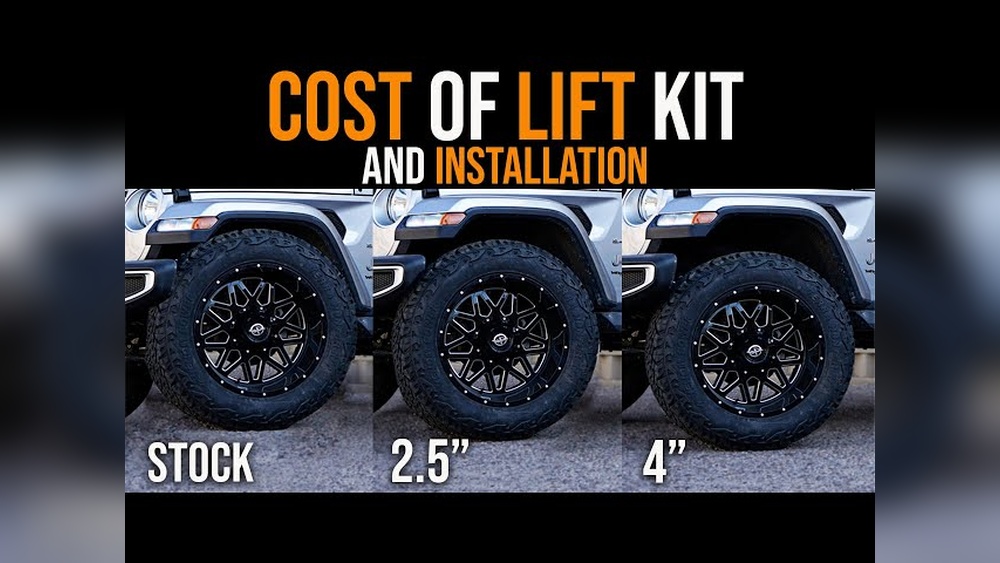
Installing a lift kit on a TJ changes the suspension geometry.
- Caster Angle: Most TJ lift kits alter the caster angle. This angle is crucial for steering stability and self-centering. When a lift is added, caster typically decreases, which can make the steering feel light and wander more. Some lift kits include adjustable control arms or track bars to correct caster, while others may require shims.
- Track Bar: A lifted TJ’s axle will be off-center relative to the frame without a longer or adjustable track bar. This misalignment of the axle can cause the steering wheel to be off-center and lead to “death wobble” if severe.
- Steering Geometry: Changes in height can affect the angles of the drag link and tie rod, potentially leading to bump steer (the steering wheel turning unintentionally as the suspension moves) or affecting the steering wheel’s centered position.
Example: A common 4-inch lift kit on a TJ often requires an adjustable track bar or a relocation bracket to ensure the front axle is properly centered under the frame. Without this, the steering wheel will likely be off-center, and the vehicle may not track straight.
Larger Tires And Alignment
Fitting larger tires to your TJ can also influence alignment.
- Increased Stress: Larger, heavier tires put more stress on steering and suspension components. This can accelerate wear on tie rod ends, ball joints, and the steering gear, potentially leading to alignment issues.
- Rubbing: If tires are too large for the suspension setup, they can rub on fenders or control arms, which might indirectly affect steering feel or cause components to bind.
Steering Stabilizers
While not directly an alignment component, a steering stabilizer (or damper) can mask or exacerbate alignment issues.
- Function: It’s essentially a shock absorber for the steering system, designed to reduce steering wheel shimmy and make steering feel more controlled, especially with larger tires.
- Masking Problems: A worn or failing steering stabilizer can sometimes make it feel like your alignment is off, or it can mask symptoms of worn steering components. Conversely, a faulty stabilizer can cause the steering wheel to return to center with excessive force or not return properly.
- Alignment Check: If you have a steering stabilizer, ensure it’s functioning correctly. A weak or blown stabilizer should be replaced, but remember it’s not a fix for underlying alignment problems.
Maintaining Proper Steering Wheel Alignment
Once your TJ’s steering wheel is properly aligned, maintaining it is key to longevity and safety.
Regular Inspections
Make it a habit to visually inspect your steering wheel’s position and how your Jeep drives.
- After Off-Roading: Always check for any changes in steering feel or wheel position after a significant off-road excursion or hitting a large bump.
- Routine Checks: Periodically check your tire wear patterns. Uneven wear is a strong indicator that alignment is drifting.
Tire Rotation
Regularly rotating your tires helps ensure they wear evenly. This can extend tire life and also make it easier to spot developing alignment issues by observing consistent wear patterns across all tires.
Driving Habits
While TJs are built for ruggedness, aggressive driving on rough roads or constant impacts can accelerate wear and knock components out of alignment. Driving smoothly and avoiding unnecessary impacts can help preserve your alignment.