If your Jeep Wrangler is running hot, showing strange temperature readings, or struggling with heating or cooling, the thermostat could be the culprit. Many Wrangler owners face thermostat issues, but they often don’t know how to spot the signs or fix the problem efficiently. This guide will help you understand, diagnose, and solve Jeep Wrangler thermostat problems—without the stress. Whether you’re a beginner or just want to avoid expensive mechanic bills, you’ll find easy, actionable steps here.
Understanding Your Jeep Wrangler Thermostat
The thermostat is a small but vital part of your engine’s cooling system. Its main job is to control the flow of coolant between the engine and radiator, keeping your Wrangler’s engine at the right temperature. If the thermostat gets stuck, fails, or leaks, you can face overheating, poor cabin heat, or even engine damage.
Modern Wranglers (especially 2012 2021 models) use electronic thermostats, but older models rely on mechanical ones. Both types can fail, but symptoms and solutions can vary.
Common Jeep Wrangler Thermostat Problems
Wrangler thermostats rarely fail suddenly. Usually, you’ll notice signs over time. Here are the most common issues:
- Stuck Closed: Coolant can’t flow, leading to quick overheating.
- Stuck Open: The engine runs too cool, reducing fuel efficiency and cabin heat.
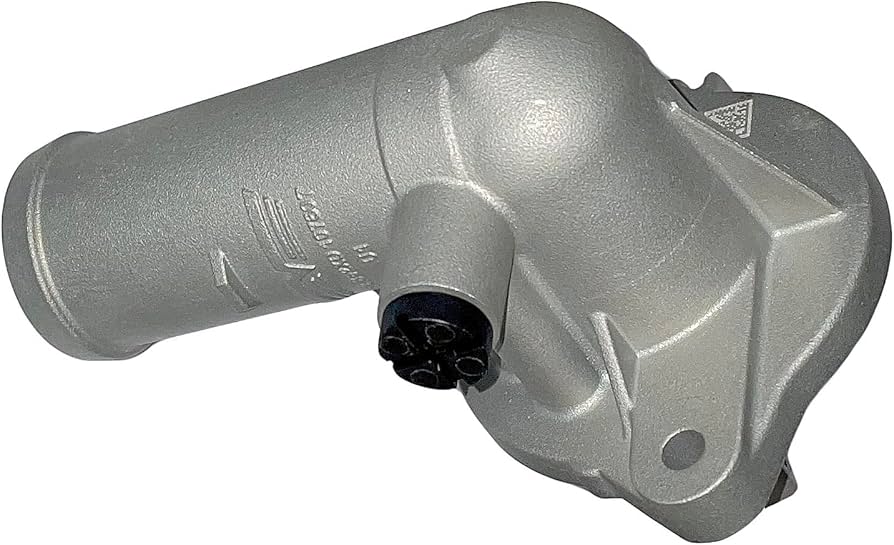
- Leaking Housing: Coolant leaks out, causing low levels and possible overheating.
- Faulty Sensor: Incorrect temperature readings, confusing the ECU.
- Corrosion or Build-up: Dirt and minerals block movement or cause leaks.
Typical Symptoms
- Overheating: Temperature gauge rises fast, engine feels hot.
- Poor Heater Performance: Cabin heater doesn’t warm up, especially in cold weather.
- Erratic Temperature Gauge: Needle moves up and down without reason.
- Coolant Leak: Puddles under the vehicle, especially near the front.
- Check Engine Light: Code P0128 (“Coolant Thermostat”) is common.
Troubleshooting Made Easy
Here’s a simple process to diagnose and fix thermostat problems. No advanced tools needed just basic patience and a few hand tools.
Step 1: Visual Inspection
- Check coolant level in the reservoir. Low coolant can mimic thermostat failure.
- Look for leaks around the thermostat housing (usually near the engine front).
- Inspect hoses for cracks or bulges.
Step 2: Temperature Monitoring
- Start your Wrangler from cold and let it idle.
- Watch the temperature gauge. It should rise steadily, then stay at the middle mark.
- If it goes higher or lower than normal, suspect a thermostat issue.
Step 3: Heater Test
- Turn on the heater at full blast.
- If you get cold air after 10 minutes, the thermostat may be stuck open.
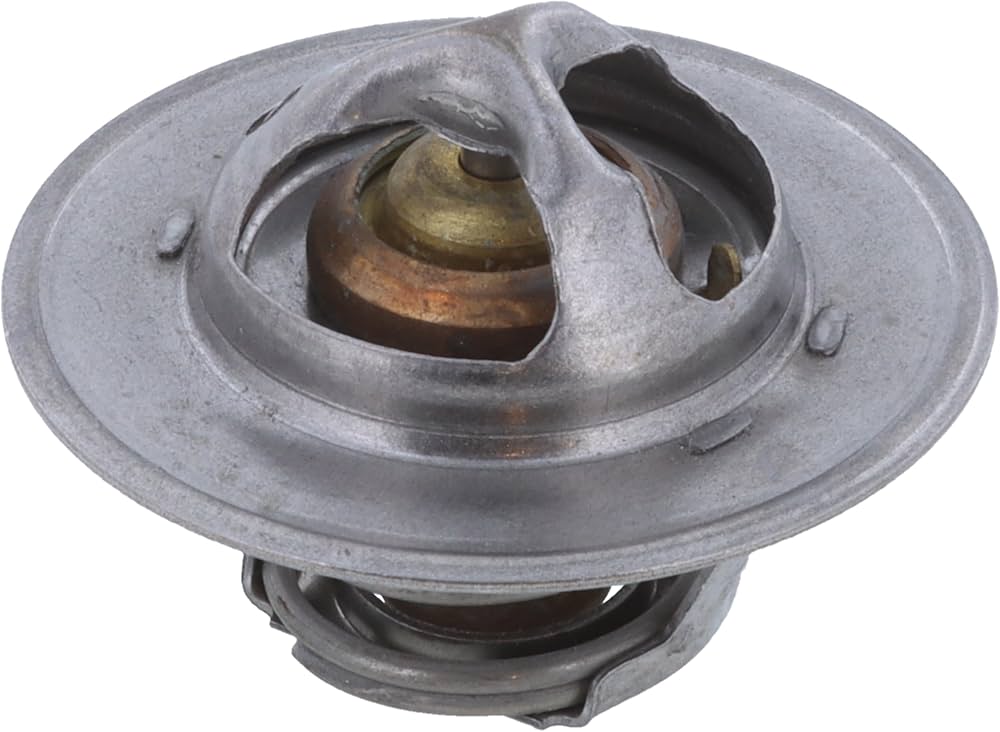
Step 4: Physical Thermostat Check
- With the engine cool, remove the thermostat housing.
- Inspect the thermostat for corrosion, cracks, or blockage.
- Drop the thermostat in boiling water (for mechanical types). If it doesn’t open, it’s bad.
Step 5: Sensor Scan
- Use an OBD-II scanner. Code P0128 or similar means thermostat trouble.
- Compare scanner data with dash gauge readings.
When To Replace Your Thermostat
Most thermostats last between 50,000–100,000 miles. If yours shows signs of failure, replace it promptly. Delaying can cause engine damage costing thousands. The part itself is cheap ($20–$60), but labor at a shop can cost $100–$200.
Below is a quick comparison of symptoms and recommended action:
| Symptom | Likely Cause | Recommended Action |
|---|---|---|
| Overheating | Stuck Closed | Replace Thermostat |
| Cool Engine | Stuck Open | Replace Thermostat |
| Coolant Leak | Leaking Housing | Replace Gasket/Housing |
| Erratic Gauge | Faulty Sensor | Scan & Replace Sensor |
Diy Thermostat Replacement Tips
Replacing a thermostat in a Wrangler isn’t difficult if you’re careful. Here are some practical tips:
- Always start with a cool engine—never work when hot.
- Drain some coolant first to avoid spills.
- Clean the housing and mating surfaces before installing the new thermostat.
- Use a new gasket; old ones often leak.
- Tighten bolts evenly to avoid cracks.
- Refill coolant and bleed air from the system.
If you’re unsure, watch a step-by-step video or check your Wrangler’s manual.
How Thermostat Problems Affect Wrangler Models
Thermostat issues aren’t limited to one model year. However, some years have more complaints than others. Here’s a simple comparison:
| Model Year | Problem Frequency | Common Issues |
|---|---|---|
| 2007–2011 | Medium | Stuck Open/Closed |
| 2012–2017 | High | Sensor Failures, Leaks |
| 2018–2021 | Medium | Electronic Thermostat Issues |
Owners of 2012–2017 Wranglers report more sensor-related problems, while newer models have electronic thermostat complaints. Checking for recalls and technical service bulletins can save time and money. For official info, visit NHTSA.
Two Key Insights Beginners Miss
First, many people overlook the heater test. If your cabin stays cold, it’s a sign of thermostat issues—not just a heater problem. Second, always check for error codes before replacing the thermostat. Sensor faults can cause similar symptoms, but require a different fix.
Frequently Asked Questions
What Happens If I Drive With A Bad Thermostat?
Driving with a failed thermostat can cause engine overheating or poor performance. Long-term, you risk expensive engine damage.
How Do I Know If The Thermostat Or Sensor Is Bad?
Use an OBD-II scanner. If you get a code like P0128, it’s likely the thermostat. If gauge readings are erratic, suspect the sensor.
Can I Replace The Thermostat Myself?
Yes, most Wrangler owners can handle it with basic tools. Just follow safety steps and use a new gasket.
How Much Does It Cost To Fix A Thermostat Problem?
Parts cost $20–$60; shop labor is $100–$200. DIY saves you money, but be careful to avoid leaks.
Are There Recalls For Jeep Wrangler Thermostats?
Some model years have technical bulletins or recalls. Check the official site for updates and details.
Solving Jeep Wrangler thermostat problems doesn’t have to be difficult. With these steps, you can keep your Wrangler running smooth, avoid costly repairs, and feel confident on the road. If you ever feel unsure, don’t hesitate to ask a trusted mechanic or check official resources.