Understanding Your Jeep Wrangler Steering Wheel Wiring Harness
The steering wheel in your Jeep Wrangler is more than just a way to point your vehicle down the road. It's a control hub, housing essential components like the airbag, horn, and often, buttons for your audio system, cruise control, and even phone connectivity.
All these functions rely on a complex network of wires that connect the steering wheel's components to the rest of your Jeep's electrical system. This crucial link is the steering wheel wiring harness.
For Jeep Wrangler owners, understanding this component is vital. Whether you're troubleshooting a non-functioning horn, upgrading your steering wheel, or dealing with airbag warning lights, the wiring harness is often at the center of the issue.
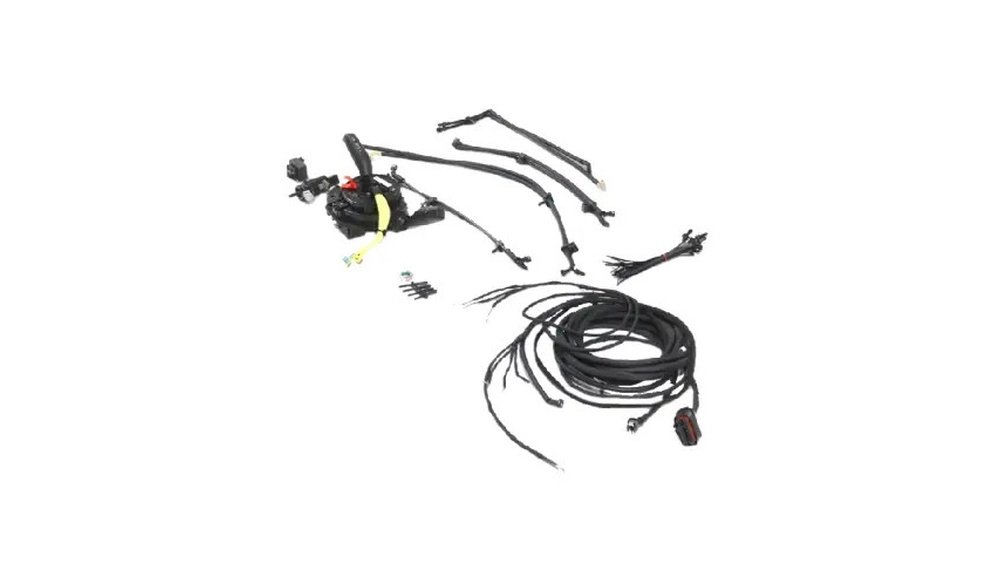
This article will explore what the Jeep Wrangler steering wheel wiring harness is, how it works, common problems, and how to address them.
What Is A Steering Wheel Wiring Harness?
A wiring harness is essentially a bundle of wires, connectors, and protective coverings that transmit electrical signals. In the context of a Jeep Wrangler’s steering wheel, the harness is a specialized assembly designed to fit within the steering column and connect the various controls mounted on or within the steering wheel to the vehicle’s main electrical system.
Think of it as the central nervous system for your steering wheel controls. It carries power, ground, and signal wires to and from components like:
- Airbag Module: This is the most critical component. The harness ensures a reliable connection for the airbag deployment system, which needs to receive a signal from the vehicle’s computer in case of a collision.
- Horn Button: When you press the horn, a circuit is completed through the wiring harness, activating the horn.
- Audio Controls: Buttons for volume, track skipping, and mode selection all send signals through the harness to the Jeep’s stereo system.
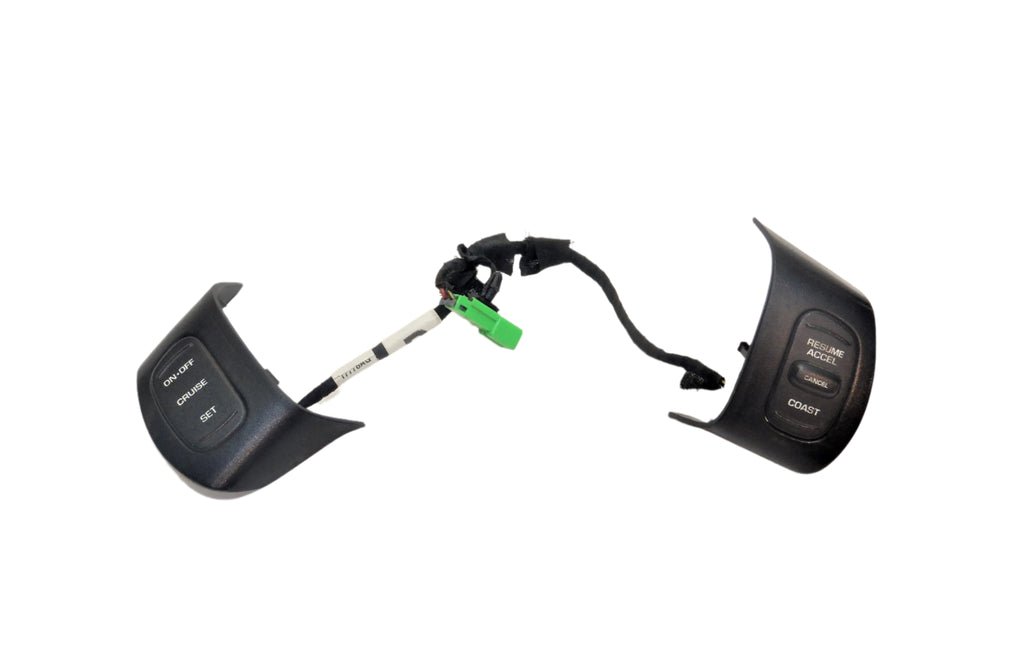
- Cruise Control Buttons: These manage the activation, setting, and adjustment of your cruise control.
- Phone/Bluetooth Controls: For integrated hands-free calling systems.
- Clock Spring: This is a special coiled wire within the steering column that allows electrical connections to the steering wheel to rotate with it. The wiring harness connects to the clock spring, which then distributes the signals to the steering wheel components.
The Jeep Wrangler steering wheel wiring harness is specifically designed to withstand the constant movement and vibration associated with steering. It’s typically made with durable materials and connectors to ensure longevity and reliable performance.
How The Steering Wheel Wiring Harness Works
The operation of the steering wheel wiring harness is a testament to organized electrical engineering. Each wire within the harness has a specific purpose, carrying different types of electrical information.
Signal Transmission
When you press a button on your steering wheel, you’re not directly activating a device. Instead, you’re closing a specific electrical circuit. The button acts as a switch. When pressed, it connects a wire carrying a signal to a ground wire. This creates a unique electrical pathway. The vehicle’s Body Control Module (BCM) or a dedicated module monitors these pathways. Each pathway corresponds to a specific command (e.g., ‘increase volume’, ‘answer call’, ‘activate cruise control’).
The BCM interprets the signal and sends the appropriate instruction to the relevant system (e. g.
, the audio head unit, the cruise control module). The wiring harness acts as the conduit for these signals from the button, through the clock spring (if applicable), down the steering column, and to the BCM.
Power And Ground
Beyond signal wires, the harness also carries power and ground connections. Power is supplied to the buttons themselves (especially if they are illuminated) and to the modules that interpret the signals. Ground is essential for completing all electrical circuits. Without a proper ground connection, no electrical component will function correctly. The harness ensures that all steering wheel components have a reliable path to ground.
The Role Of The Clock Spring
A key component that interfaces directly with the steering wheel wiring harness is the clock spring (also known as an airbag clock spring or spiral cable). This is a circular, spring-loaded device containing a flexible coiled ribbon of wires. It’s mounted behind the steering wheel in the steering column.
Its primary function is to maintain electrical connections to the steering wheel components while allowing the steering wheel to turn freely in both directions. As you turn the wheel, the clock spring unwinds and rewinds, keeping the wires from breaking.
The wiring harness from the steering wheel plugs into one side of the clock spring, and wires from the other side of the clock spring connect to the vehicle’s main wiring harness in the steering column.
Common Problems With Jeep Wrangler Steering Wheel Wiring Harnesses
Like any electrical component, the steering wheel wiring harness can develop issues over time. These problems can manifest in various ways, often leading to frustration for drivers.
1. Clock Spring Failure
While not technically part of the harness itself, the clock spring is intrinsically linked to its function. A common issue is the failure of the clock spring.
This can happen due to wear and tear, especially in vehicles with high mileage or those that have experienced frequent steering wheel adjustments.
When the clock spring fails, it can break the electrical connections to the steering wheel. This often results in:
- Airbag Warning Light: This is the most serious consequence. A broken connection to the airbag sensor will trigger the warning light, indicating a potential failure in the safety system.
- Horn Not Working: The circuit for the horn is interrupted.
- Steering Wheel Controls Malfunctioning: Audio, cruise control, and phone buttons will stop responding.
2. Damaged Wires Or Connectors
The wires within the harness can become damaged over time. This can be due to:
- Abrasion: Wires rubbing against metal parts in the steering column can wear down the insulation, leading to short circuits or open circuits.
- Stress: Repeated flexing of wires, especially near connectors or the clock spring, can cause them to break internally.
- Corrosion: In areas exposed to moisture, connectors can corrode, leading to poor or lost connections.
- Improper Installation: If the steering wheel was removed or replaced incorrectly, wires could be pinched, stretched, or improperly connected.
Symptoms of damaged wires or connectors include intermittent operation of steering wheel controls, complete failure of certain functions, or even the airbag light illuminating.
3. Loose Connections
Connectors within the harness, or where the harness plugs into the clock spring or other modules, can become loose. This can happen due to vibration or if the locking tabs on the connectors are not properly secured.
A loose connection will cause an unreliable electrical pathway, leading to sporadic functionality.
4. Short Circuits
A short circuit occurs when an electrical current finds an unintended path to ground. This can happen if the insulation on a wire is damaged, allowing it to touch a metal part of the steering column or another wire.
Short circuits can cause a specific function to stop working, blow fuses, or even trigger the airbag light.
5. Water Intrusion
While less common within the sealed steering column, water or other fluid intrusion can damage the wiring harness and connectors, leading to corrosion and electrical faults. This might occur if seals are compromised or during aggressive cleaning.
Diagnosing Steering Wheel Wiring Harness Issues
Diagnosing problems with the Jeep Wrangler steering wheel wiring harness requires a systematic approach. Because multiple components rely on this harness, it’s important to isolate the exact cause.
1. Check For Obvious Signs
Before diving deep, inspect for anything visually apparent:
- Airbag Light: If the airbag light is on, this is your primary concern. Do not ignore it.
- Fuse Check: Consult your owner’s manual to identify fuses related to the horn, airbag system, and steering wheel controls. Check if any are blown. A blown fuse often indicates a short circuit somewhere in the system.
2. Test Specific Functions
Systematically test each function controlled by the steering wheel:
- Horn: Does it work?
- Cruise Control: Can you engage and set it?
- Audio Controls: Do volume, track, and mode buttons function?
- Phone Controls: If applicable, do these buttons respond?
Note which functions are working and which are not. This helps narrow down the potential problem area.
For example, if only the audio controls are out, the issue might be with that specific set of wires or their connection, rather than a complete harness failure.
3. Inspect The Clock Spring
Given its common failure rate and direct link to the harness, the clock spring is a prime suspect. This usually involves removing the steering wheel, which is a task that requires caution, especially due to the airbag.
- Disconnect Battery: Crucially, always disconnect the negative battery terminal and wait at least 10-15 minutes before working on any component related to the airbag system. This allows any residual charge in the system to dissipate, preventing accidental deployment.
- Remove Steering Wheel: This typically involves removing trim pieces around the steering column and then unbolting the steering wheel itself.
- Visual Inspection: Once the steering wheel is off, you can inspect the clock spring for physical damage, cracks, or signs of wear. You can also check its electrical connectors.
4. Use A Multimeter
A multimeter is an essential tool for diagnosing electrical issues. It can measure voltage, resistance, and continuity.
- Continuity Testing: You can test individual wires within the harness and the clock spring for continuity. This involves setting the multimeter to the continuity setting (often indicated by a buzzer sound) and touching the probes to the two ends of a wire or connector pin. If there’s continuity, the circuit is complete. If not, the wire is broken or the connection is bad.
- Voltage Testing: With the battery connected (and extreme caution exercised, especially around the airbag system), you can check if power is reaching the components.
5. Scan For Diagnostic Trouble Codes (dtcs)
Modern Jeeps have sophisticated onboard diagnostic systems. Using an OBD-II scanner can reveal specific trouble codes stored in the BCM or other modules.
Codes related to "lost communication," "circuit open," or "circuit high/low" for modules like the airbag, radio, or BCM can point towards issues with the steering wheel wiring harness or its connections.
A common code related to clock spring issues is B0029 (or similar, depending on the Jeep model year), which often indicates a problem with the driver’s frontal airbag circuit.
Repairing And Replacing The Steering Wheel Wiring Harness
The repair or replacement process for a Jeep Wrangler steering wheel wiring harness depends heavily on the nature of the problem.
1. Repairing Damaged Wires Or Connectors
If you find a damaged wire (e. g.
, insulation worn through, wire broken internally), you might be able to repair it.
- Splicing: Carefully strip back the insulation on the broken wire ends, twist them together securely, and then use a high-quality crimp connector or solder the joint. It’s crucial to insulate the repair thoroughly with heat-shrink tubing to prevent future shorts.
- Connector Repair/Replacement: If a connector is corroded or damaged, you might be able to clean it with electrical contact cleaner or replace the entire connector. This often involves carefully removing the old pins from the connector housing and installing them into a new one, or replacing the connector and its associated wires.
2. Replacing The Clock Spring
If the clock spring is determined to be faulty, it needs to be replaced. This is a moderately complex job.
- Safety First: Remember to disconnect the battery and wait.
- Removal: Carefully remove the steering wheel, noting the orientation of the clock spring.
- Installation: Install the new clock spring, ensuring it is centered correctly (many clock springs have a centering mechanism or require the steering wheel to be in a specific straight-ahead position before installation). Reconnect the wiring harness to the new clock spring.
- Reassembly: Reinstall the steering wheel and column trim. Reconnect the battery and test all functions.
3. Replacing The Entire Wiring Harness
In cases of extensive damage, multiple broken wires, or severe corrosion affecting the entire harness, replacement might be the most reliable solution.
- Access: This can be a labor-intensive process, as the harness runs from the steering wheel through the steering column and connects to various points. You may need to remove dashboard panels, trim, and other components to gain full access.
- Disconnection and Connection: Each connector needs to be carefully disconnected from the old harness and connected to the new one in the exact same configuration. Mismatched connections can lead to further electrical problems.
- Routing: The new harness must be routed carefully, ensuring it doesn’t interfere with moving parts (like the steering column itself) and is secured properly to prevent future damage from abrasion or stress.
When To Seek Professional Help
Repairing steering wheel wiring can be intricate, and mistakes can be costly or dangerous, especially concerning the airbag system.
- Airbag System: If the airbag light is on or if you suspect any issue with the airbag system, it is highly recommended to have the diagnosis and repair performed by a qualified professional mechanic. They have the specialized tools and knowledge to work safely with these critical safety components.
- Complex Electrical Issues: If you are uncomfortable working with electrical systems, lack the necessary tools (like a multimeter or OBD-II scanner), or if the problem is not easily identifiable, a professional can save you time and prevent further damage.
- Warranty: If your Jeep is still under warranty, any repair related to the steering wheel wiring harness should be handled by a dealership to avoid voiding the warranty.
A common cause for steering wheel control failure is a worn-out clock spring. These are often available from reputable aftermarket parts suppliers.
For instance, many Jeep forums and parts retailers offer specific clock spring assemblies for various Wrangler generations.
Understanding The Clock Spring’s Importance
The clock spring deserves a closer look because it is so integrally tied to the steering wheel wiring harness. It’s a component that experiences constant mechanical stress. Imagine a ribbon cable, like those used inside computers, but coiled up like a spring. As you turn your steering wheel left and right, this ribbon cable either unwinds or rewinds. This allows the electrical signals to travel from the stationary part of the steering column to the rotating steering wheel without the wires getting twisted and broken.
Given this constant flexing and coiling, it’s no surprise that clock springs are a common point of failure in many vehicles, including the Jeep Wrangler. The materials can degrade over time, leading to internal wire breaks.
Factors Affecting Clock Spring Lifespan
- Mileage: Higher mileage vehicles naturally put more cycles on the clock spring.
- Driving Style: Frequent, sharp turns or aggressive steering can accelerate wear.
- Environmental Factors: Extreme temperatures can affect the flexibility and durability of the plastic components and the ribbon cable.
- Previous Work: If the steering wheel was removed and reinstalled improperly, the clock spring could have been damaged during the process, leading to premature failure.