The Jeep Wrangler steering wheel wiring harness is a critical component, often overlooked until a problem arises. This intricate network of wires and connectors is the unsung hero behind many of the features you use daily in your Wrangler.
From the simple honk of the horn to the complex deployment of airbags and the intuitive control of your audio system, everything relies on this central hub.
Understanding its function, common issues, and how to address them is essential for any Jeep owner looking to maintain their vehicle's safety and functionality.
This guide will explore the Jeep Wrangler steering wheel wiring harness in detail. We'll cover its primary functions, the various systems it connects, common problems drivers might encounter, and the steps involved in troubleshooting and repair.
Whether you're experiencing strange electrical behavior or simply want to learn more about your Jeep, this information will provide a clear picture of this vital part.
The Anatomy Of The Steering Wheel Wiring Harness
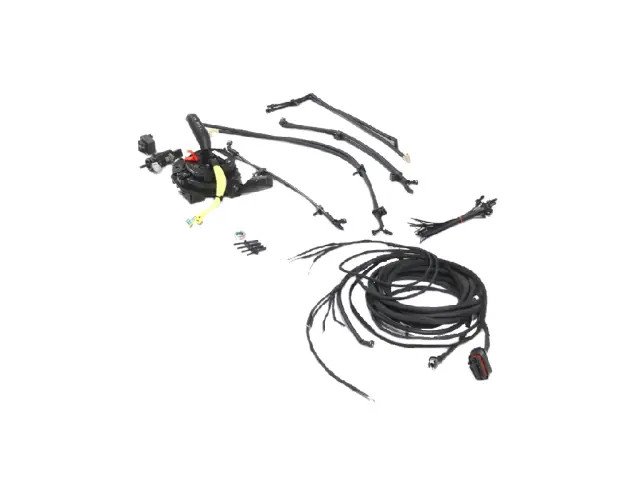
The steering wheel wiring harness is more than just a bundle of wires; it’s a sophisticated assembly designed to handle a variety of electrical signals passing through the steering column. Its primary purpose is to connect the various electronic components located within the steering wheel to the vehicle’s main electrical system.
This allows for seamless communication and operation of features without the wires needing to be physically routed through the entire cabin, which would be impractical and prone to damage.
Key Components Connected
Several crucial systems are integrated through the steering wheel wiring harness. Understanding these connections helps illustrate the harness’s importance:
- Airbag System: This is arguably the most critical function. The harness includes dedicated wiring for the driver’s side airbag. In the event of a collision, sensors trigger the airbag, and the harness ensures the electrical signal reaches the deployment charge safely and quickly. The clock spring (also known as the spiral cable or coil cable) is a key part of this, allowing electrical connections to rotate with the steering wheel without breaking.
- Horn: The horn button on the steering wheel is directly wired through the harness. Pressing the horn activates a circuit that sounds the vehicle’s horn.
- Audio Controls: Most modern Wranglers feature steering wheel-mounted audio controls for volume, track selection, and mode changes. These buttons send low-voltage signals through the harness to the infotainment system.
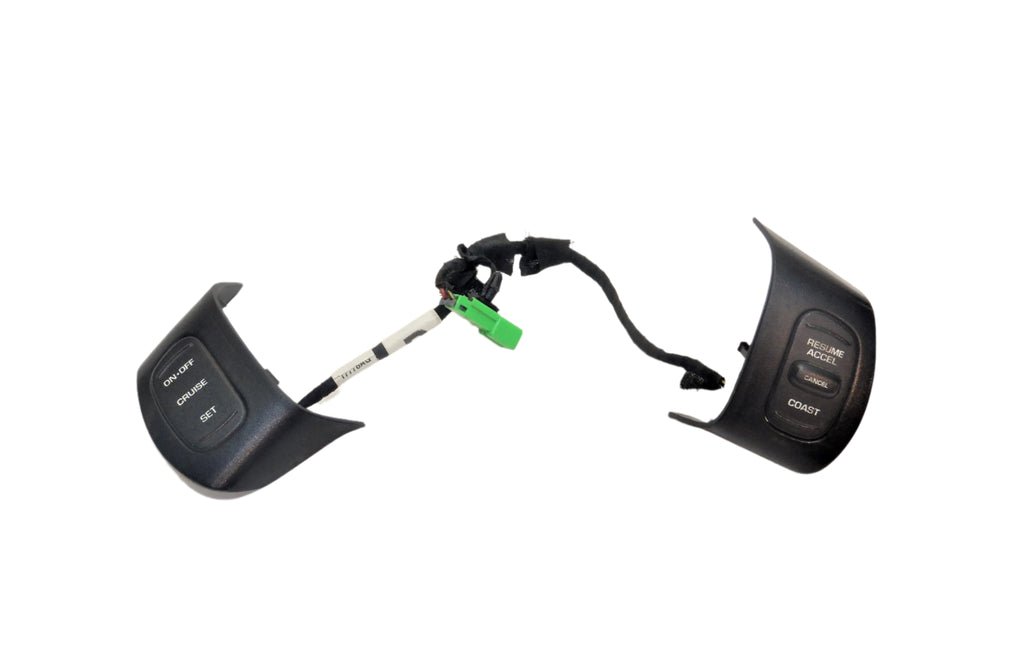
- Cruise Control: For models equipped with cruise control, the buttons for engaging, disengaging, and setting speed are integrated into the steering wheel and connected via the harness.
- Information Display Controls: Buttons used to navigate through the instrument cluster’s information display (e.g., trip computer, fuel economy, tire pressure) are also part of this system.
- Other Switches: Depending on the trim level and year, other switches like those for voice commands or heated steering wheels can also be integrated into the harness.
The Role Of The Clock Spring
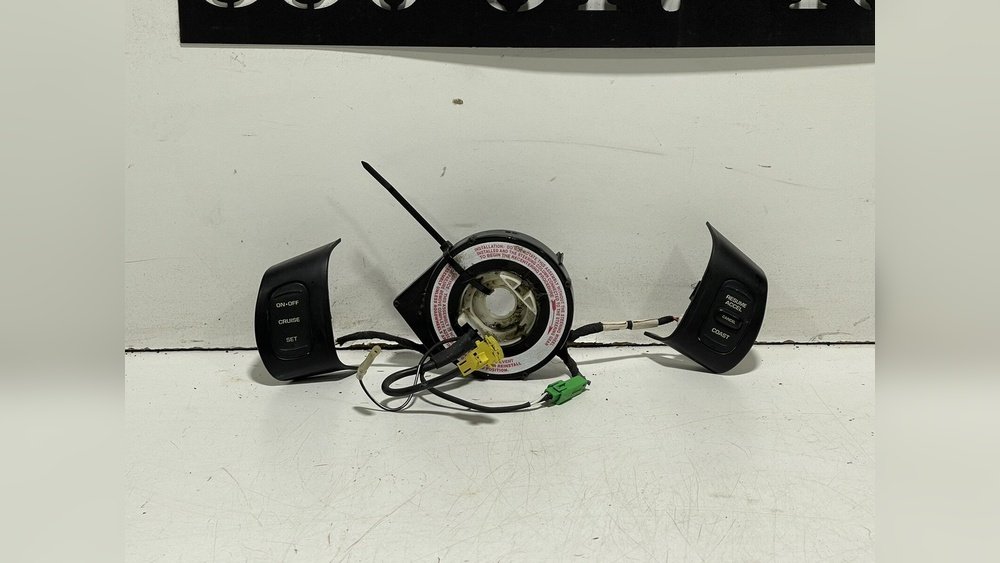
The clock spring is a vital component within the steering wheel wiring harness assembly. It’s a circular, spring-loaded plastic housing containing a flexible coiled ribbon of wires. This design allows the wires to maintain electrical connection between the steering wheel (which turns) and the steering column (which is stationary) for multiple rotations. Without the clock spring, the wires would twist and break every time the steering wheel was turned. It’s directly responsible for the continuous operation of the airbag, horn, and steering wheel controls.
Common Problems With The Jeep Wrangler Steering Wheel Wiring Harness
Like any electrical component, the steering wheel wiring harness can experience issues over time. These problems can range from minor annoyances to serious safety concerns.
Understanding these common faults can help you identify and address them promptly.
Airbag Warning Light
One of the most frequent indicators of a problem is the airbag warning light illuminating on the dashboard. This light signifies a fault within the airbag system. A malfunctioning clock spring, a loose connection in the harness, or a damaged wire can all trigger this light. It’s crucial to address this issue immediately, as it means the airbag system may not deploy correctly in an accident.
Intermittent Or Non-functional Steering Wheel Controls
Drivers may notice that their audio controls, cruise control, or information display buttons sometimes work and sometimes don’t. This intermittent behavior is often a sign of a loose connection or a worn wire within the harness or clock spring. Environmental factors like heat, cold, and vibration can exacerbate these issues.
Horn Not Working
A non-functional horn is another common symptom. If you press the horn button and nothing happens, the issue could be with the horn itself, the horn relay, or, most commonly, a fault in the wiring harness or clock spring that prevents the signal from reaching the horn.
Steering Wheel Vibration Or Noises
While less common, a damaged harness or clock spring can sometimes cause subtle vibrations felt in the steering wheel, especially when turning. In some cases, worn internal components of the clock spring might produce clicking or grinding noises.
Issues After Steering Wheel Replacement Or Repair
If the steering wheel has been recently replaced or worked on, there’s a higher chance of issues arising from improper installation or damage to the wiring harness or clock spring during the process. Connectors might not be fully seated, or wires could be pinched.
Diagnosing Steering Wheel Wiring Harness Issues
Diagnosing problems with the steering wheel wiring harness requires a systematic approach. Because it involves safety systems like the airbag, it's often best left to a qualified mechanic.
However, understanding the diagnostic steps can be helpful.
Checking For Diagnostic Trouble Codes (dtcs)
The first step in diagnosing electrical issues is to scan the vehicle for Diagnostic Trouble Codes (DTCs) using an OBD-II scanner. The Jeep’s computer stores codes that point to specific system faults. For airbag issues, a professional-grade scanner capable of reading SRS (Supplemental Restraint System) codes is necessary. These codes can often pinpoint whether the problem lies with the clock spring, the airbag module, or other related circuits.
Visual Inspection
A visual inspection can reveal obvious problems. This involves carefully removing covers around the steering column to access the wiring harness and clock spring. Look for:
- Damaged Wires: Signs of fraying, cuts, or corrosion.
- Loose Connectors: Ensure all plugs are securely fastened.
- Physical Damage: Cracks or damage to the clock spring housing.
Testing Components
Specific tests can be performed on the clock spring and harness connections. This often involves using a multimeter to check for continuity (a complete circuit) and resistance across different wires and connectors. For example, one might test the continuity of the airbag circuit or the resistance of the horn button switch. Testing the clock spring itself can be complex, as it requires verifying continuity through its coiled wires while simulating steering wheel movement.
Example Diagnostic Scenario: Airbag Light On
- Scan for Codes: Use an OBD-II scanner. Let’s say the code is B0021 (Driver Frontal Stage 1 Deployment Control, Open Circuit).
- Inspect Connectors: Check the yellow airbag connector under the steering wheel and where it plugs into the clock spring. Ensure it’s clean and fully seated.
- Test Clock Spring: Disconnect the airbag module. Test continuity between the airbag module connector pins and the corresponding pins on the clock spring connector. Also, test for shorts to ground. Then, carefully rotate the clock spring (if possible without causing damage) and re-test to see if the circuit opens or shorts.
- Inspect Harness: Visually inspect the wiring leading from the clock spring to the main vehicle harness.
If a specific circuit within the clock spring shows an open or short, it usually indicates that the clock spring needs replacement.
Replacing The Steering Wheel Wiring Harness (clock Spring)
Replacing the steering wheel wiring harness, particularly the clock spring, is a task that requires precision and care, especially due to the presence of the airbag.
Warning:Working with the airbag system is dangerous. Always disconnect the vehicle’s battery and wait at least 15-30 minutes before beginning any work to allow the airbag system’s capacitors to discharge. Failure to do so can result in accidental airbag deployment, causing serious injury.
Step-by-step Replacement Process (general Guide)
The exact procedure can vary slightly depending on the Jeep Wrangler model year, but the general steps are as follows:
- Disconnect Battery: As mentioned, disconnect the negative battery terminal and wait.
- Remove Airbag Module: Carefully pry off the airbag module cover (often held by clips or bolts accessed from behind the steering wheel). Gently disconnect the airbag connector (usually a yellow connector with a locking tab).
- Remove Steering Wheel: Unbolt the steering wheel retaining nut (often a large hex bolt). You may need a steering wheel puller to remove the wheel from the steering column splines. Mark the orientation of the steering wheel relative to the steering shaft to ensure correct alignment upon reinstallation.
- Access Clock Spring: With the steering wheel removed, you’ll see the clock spring assembly. It’s typically held in place by screws or clips. Note its orientation.
- Remove Old Clock Spring: Carefully remove the old clock spring. Be mindful not to rotate it unnecessarily, as this can damage the new one before installation.
- Install New Clock Spring: Position the new clock spring in the correct orientation, ensuring it aligns with any markings or guides on the steering column. Crucially, do not rotate the new clock spring until it is secured in place. Many new clock springs come with a retaining pin or clip to prevent rotation during installation.
- Reconnect Steering Wheel: Align the steering wheel with the steering shaft using your alignment marks and slide it back into place. Reinstall the retaining nut and tighten it to the manufacturer’s specified torque.
- Reconnect Airbag Module: Reconnect the airbag module connector securely. Reinstall the airbag module cover.
- Reconnect Battery: Reconnect the negative battery terminal.
- Test Systems: Start the Jeep and check if the airbag light is off. Test the horn, audio controls, and cruise control to ensure they are functioning correctly.
Pro Tip:
When removing the steering wheel, always mark the position of the wheel on the steering shaft. This ensures the steering wheel is reinstalled straight, preventing potential issues with the clock spring and steering angle sensor (if equipped).
The steering wheel wiring harness doesn’t operate in isolation. It interfaces with several other key components and systems within the vehicle.
Steering Angle Sensor (sas)
Many modern vehicles, including newer Jeep Wranglers, are equipped with a Steering Angle Sensor (SAS). This sensor is typically integrated into or located very near the clock spring assembly. It measures the precise angle and direction of the steering wheel’s rotation. This information is vital for:
- Electronic Stability Control (ESC): The ESC system uses SAS data to understand the driver’s intended direction compared to the vehicle’s actual direction, helping to prevent skids and rollovers.
- Navigation Systems: Some GPS systems use steering angle data for more accurate positioning.
- All-Wheel Drive Systems: In some 4×4 systems, steering angle can influence torque distribution.
A faulty SAS, often caused by damage to the clock spring assembly or its wiring, can trigger ESC warning lights and affect vehicle handling dynamics.
Occupant Classification System (ocs)
In some models, sensors within the passenger seat (OCS) determine the weight and position of the occupant to adjust the airbag’s deployment force or even disable it if a child seat is detected. The steering wheel harness might communicate with the OCS module, though the primary connections are elsewhere.
Issues here are less common but can impact airbag system readiness.
Aftermarket Steering Wheels And Stereos
Installing an aftermarket steering wheel often requires a specific adapter or bypass module to retain the functionality of the horn and airbag. If the airbag system is not properly bypassed or the horn wiring is not correctly adapted, it can lead to warning lights or non-functional controls. Similarly, installing an aftermarket stereo might require a steering wheel control interface module to allow the new head unit to recognize signals from the original steering wheel buttons.
Maintaining Your Jeep Wrangler’s Electrical Systems
Preventative measures and proper maintenance can significantly reduce the likelihood of experiencing issues with the steering wheel wiring harness and related electrical components.
Regular Inspections
Periodically (e. g.
, during oil changes), take a moment to visually inspect the area around the steering column for any obvious signs of damage or loose connections, especially if you've recently had work done on your steering wheel or dashboard.
Careful Driving
While Wranglers are built for off-roading, excessive vibration or jarring impacts can stress electrical connections over time. Driving cautiously over rough terrain can help minimize this stress.
Professional Installation For Modifications
When installing aftermarket parts that interact with the steering wheel controls or airbag system (like new stereos or steering wheels), always opt for professional installation from a reputable shop. This ensures components are installed correctly, minimizing the risk of damage or malfunction.
Addressing Warning Lights Promptly
Never ignore a warning light, especially the airbag light. These lights indicate a problem that needs attention. Delaying repairs could lead to more significant issues or compromise safety systems.
Faq Section
Frequently Asked Questions
What Does The Clock Spring Do In A Jeep Wrangler?
The clock spring, also known as the spiral cable, is a crucial part of the steering wheel wiring harness. It’s a coiled ribbon cable that allows electrical connections to pass from the stationary steering column to the rotating steering wheel.
This enables the driver’s airbag, horn, and steering wheel controls (like audio and cruise control) to function continuously as the wheel is turned.
How Can I Tell If My Jeep Wrangler’s Clock Spring Is Bad?
Common signs of a failing clock spring include the airbag warning light illuminating on the dashboard, intermittent or non-functional steering wheel controls (horn, audio, cruise control), or sometimes clicking or grinding noises from the steering column when turning. If you experience any of these symptoms, it’s a strong indication that the clock spring may be faulty.
Is It Safe To Drive A Jeep Wrangler With The Airbag Light On?
It is not recommended to drive a Jeep Wrangler with the airbag warning light illuminated. This light indicates a fault within the Supplemental Restraint System (SRS), meaning the airbag may not deploy correctly, or at all, in the event of a collision. Safety systems are designed to work together, and a fault in one component can compromise the entire system. It’s best to have the issue diagnosed and repaired by a qualified technician as soon as possible.
Can I Replace The Steering Wheel Wiring Harness Myself?
While it is possible for mechanically inclined individuals to replace the steering wheel wiring harness (specifically the clock spring), it is a task that requires extreme caution due to the presence of the airbag. Safety is paramount: the battery must be disconnected, and a waiting period observed to discharge the airbag system’s capacitors. If you are not experienced with automotive electrical systems and airbag components, it is highly recommended to have this repair performed by a certified mechanic to avoid accidental deployment