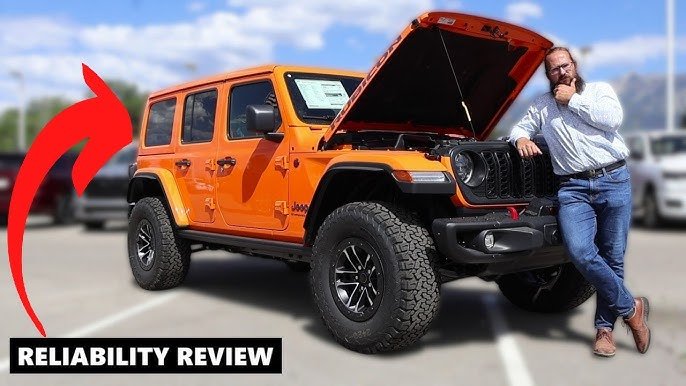
The Jeep Wrangler Sport is more than just a vehicle; it's an icon of freedom, adventure, and capability. For many owners, one of the most exciting aspects of owning a Wrangler is the ability to customize it, and few modifications are as impactful as changing the wheels and tires.
The Jeep Wrangler Sport wheel and tire size is a crucial element that dictates not only the vehicle's aesthetics but also its on-road manners and off-road prowess.
Understanding the nuances of wheel diameters, tire profiles, bolt patterns, and offset is essential for making informed decisions that enhance your driving experience without compromising safety or performance.
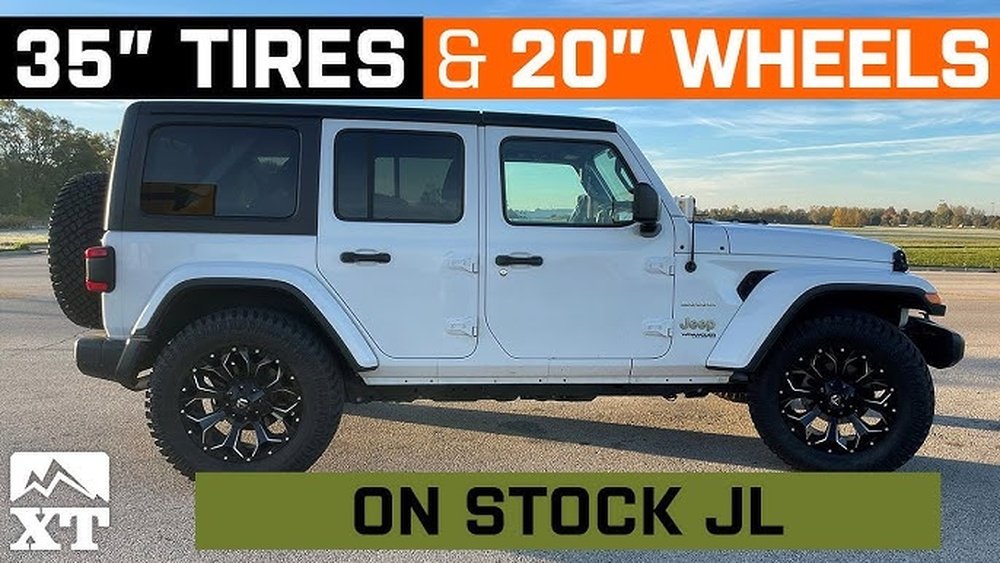
Choosing the right wheel and tire combination for your Wrangler Sport can transform its look and feel. Whether you’re aiming for an aggressive stance for tackling challenging trails or a more refined look for daily driving, the options are vast.
However, the factory specifications provide a solid baseline, and any deviation requires careful consideration of the potential impacts. This guide will explore the standard wheel and tire sizes for the Jeep Wrangler Sport across different generations, discuss the factors influencing size selection, and offer insights into common upgrade paths.
Key Takeaways
- Stock Sizes Vary by Generation: The standard wheel and tire sizes for the Jeep Wrangler Sport differ significantly between JK, JL, and older TJ/YJ models.
- Tire Diameter is King for Off-Roading: Larger tire diameters generally offer better ground clearance and obstacle-climbing ability, but can impact gearing and speedometer accuracy.
- Wheel Diameter Affects Tire Choice: Larger wheels allow for lower-profile tires, which can improve on-road handling but reduce sidewall protection off-road. Smaller wheels paired with larger tires offer more sidewall for off-road cushioning.
- Understanding Bolt Pattern and Offset: The Jeep Wrangler bolt pattern (5×5 inches for JK/JL) and wheel offset are critical for proper fitment and to avoid rubbing issues, especially with larger tire sizes.
- Impact on Performance and Drivability: Changing wheel and tire size affects speedometer readings, gearing, braking, suspension wear, and fuel economy.
- Common Upgrade Paths: Popular upgrades involve increasing tire diameter (e.g., 33-inch, 35-inch tires), often requiring suspension lifts and potential re-gearing.
- Consideration for Daily Driving vs. Off-Roading: The ideal setup balances the demands of your primary use case, with compromises often necessary between on-road comfort and off-road capability.
Understanding Jeep Wrangler Sport Stock Wheel And Tire Sizes
The Jeep Wrangler Sport, as the entry-level trim, typically comes equipped with the most conservative wheel and tire setup. This is designed to balance cost, fuel efficiency, and everyday drivability.
However, the exact specifications have evolved with each generation of the Wrangler.
Jeep Wrangler Jk (2007-2018) Sport Models
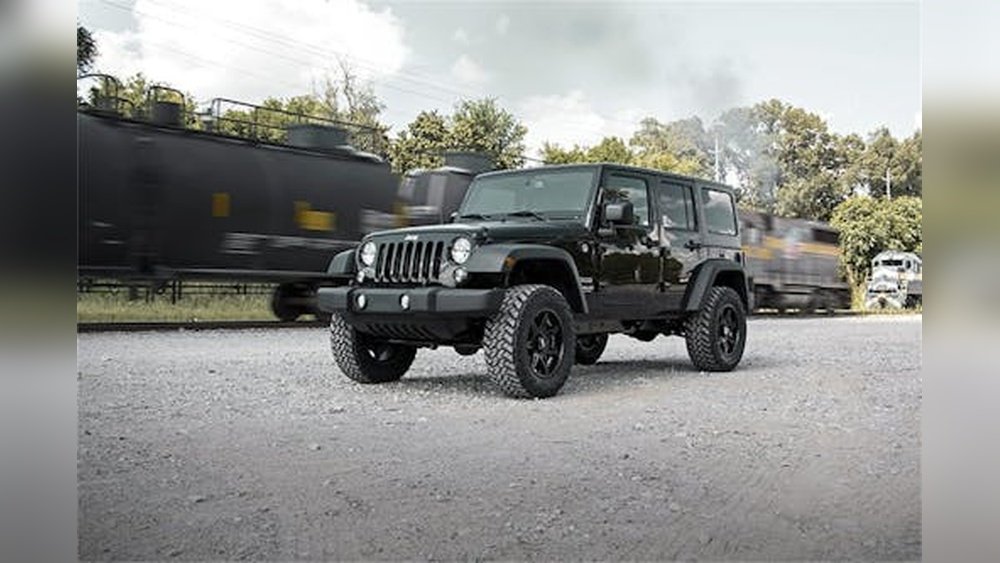
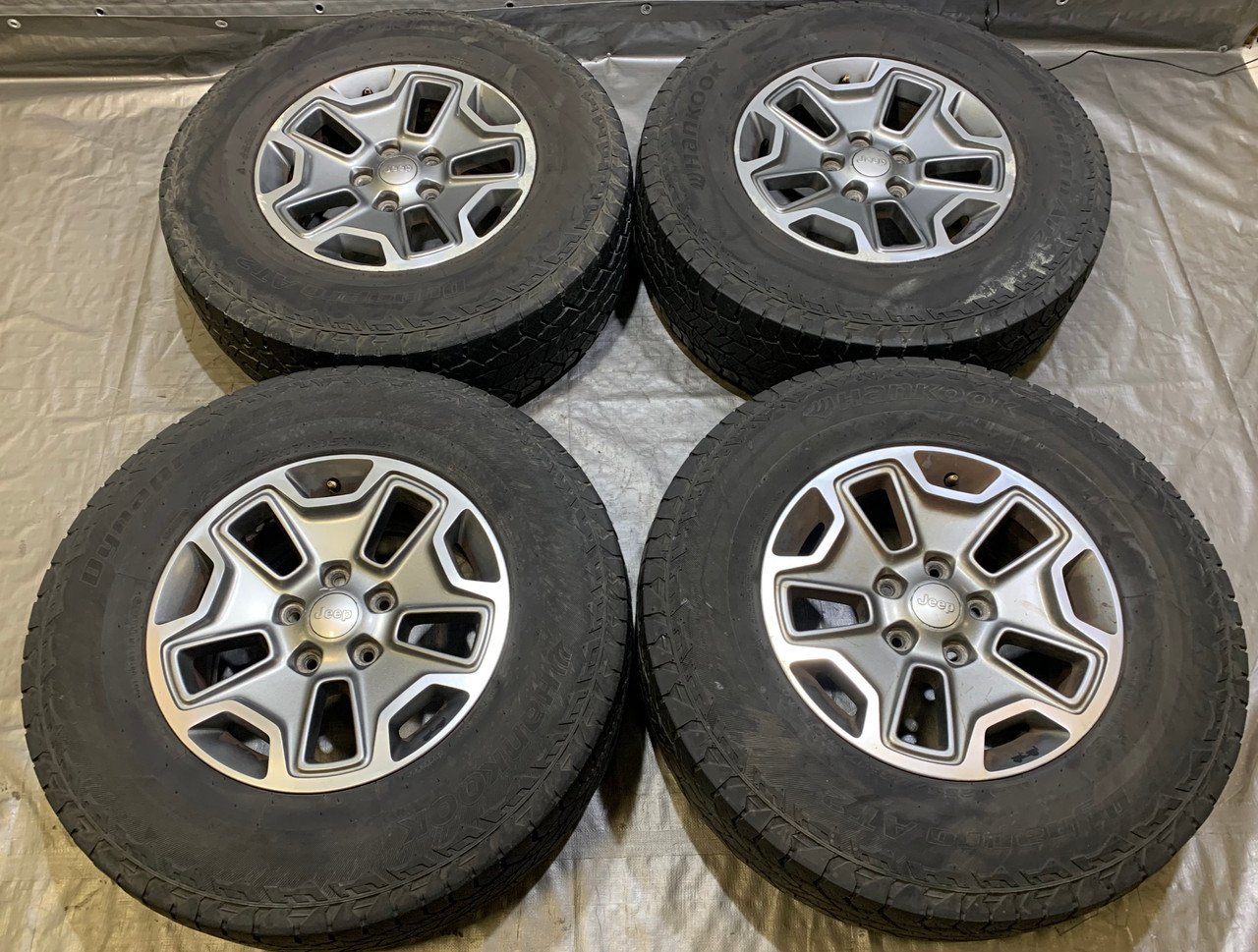
The Jeep Wrangler JK generation, particularly the Sport trim, commonly featured 16-inch or 17-inch wheels. The most frequent stock setup for the JK Sport was a 16-inch steel or aluminum wheel paired with 29-inch or 30-inch all-terrain tires.
- Standard Wheel Size: 16×7 inches or 17×7.5 inches
- Typical Tire Size: P225/75R16 or LT255/75R17
These tires, with a diameter around 29.3 inches (for 225/75R16) or 31.5 inches (for 255/75R17), offered a reasonable balance for daily driving and light off-roading. The 16-inch steel wheels were particularly common on base Sport models, offering durability at a lower cost. The 17-inch option provided a slightly more robust appearance and a wider range of aftermarket tire choices. The bolt pattern for the JK Wrangler is a standard 5×5 inches (5x127mm).
Jeep Wrangler Jl (2018-present) Sport Models
The current generation, the Jeep Wrangler JL, saw a slight shift in standard equipment for the Sport trim. While still the base model, the JL Sport often came with 17-inch wheels as standard.
- Standard Wheel Size: 17×7.5 inches
- Typical Tire Size: LT255/75R17
The LT255/75R17 tire, measuring approximately 31.5 inches in diameter, became the prevalent stock tire for the JL Sport. This provided a slightly more aggressive look and better capability out of the box compared to some JK Sport configurations. The bolt pattern remained consistent with the JK at 5×5 inches (5x127mm). Some JL Sport S models might have offered optional upgrades to larger wheels or different tire types.
Older Generations (tj, Yj)
For enthusiasts of older generations like the TJ (1997-2006) and YJ (1987-1995), stock wheel and tire sizes were generally smaller.
- TJ Wrangler Sport: Often came with 15-inch wheels (e.g., 15×8 inches) and tires around 27-29 inches in diameter (e.g., 215/75R15 or 30×9.5R15). The TJ also used a 5×4.5-inch (5×114.3mm) bolt pattern.
- YJ Wrangler Sport: Typically featured 15-inch wheels and tires in a similar size range, often 27-29 inches. The YJ Wrangler shared the 5×4.5-inch (5×114.3mm) bolt pattern with the TJ.
These smaller stock sizes reflect the era of their production and the intended use of these vehicles, which were often more focused on trail capability with less emphasis on highway comfort.
Factors Influencing Wheel And Tire Size Choice
Selecting the right Jeep Wrangler Sport wheel and tire size involves more than just picking a size that looks good. Several critical factors influence the decision, impacting everything from vehicle performance to legality and drivability.
Tire Diameter And Ground Clearance
The most significant impact of tire size on off-road performance comes from the tire diameter. Larger diameter tires increase the ground clearance of the differentials and the undercarriage, allowing the Wrangler to roll over obstacles more easily.
- Stock Tires: Typically range from 29 to 31.5 inches in diameter.
- Common Upgrades: 33-inch, 35-inch, 37-inch, and even larger tires are popular among off-road enthusiasts.
For every inch you increase the tire diameter, you gain approximately half an inch of ground clearance under the axles. This is a substantial benefit when navigating rocky trails or uneven terrain.
However, increasing tire diameter also affects the vehicle's gearing.
Tire Width And Contact Patch
Tire width determines the size of the contact patch, the area of the tire that is in contact with the ground. A wider tire generally provides a larger contact patch, which can improve traction on various surfaces, especially sand and mud.
- Narrower Tires: Can offer better performance in mud and snow by concentrating weight over a smaller area, cutting through loose surfaces to find grip. They also tend to be more fuel-efficient and less prone to rubbing.
- Wider Tires: Provide more stability on uneven terrain and can distribute weight better on soft surfaces like sand, preventing the vehicle from sinking. However, they are more susceptible to hydroplaning on wet roads and can rub against suspension components or fenders if not properly fitted.
Stock tires on a Wrangler Sport are typically around 9. 5 to 10 inches wide (e.
g. , 255mm is roughly 10 inches).
Common upgrades might involve widths from 11. 5 inches (e.
g. , 33×12. 50R15) up to 13.
5 inches or more.
Wheel Diameter And Tire Sidewall
The diameter of the wheel itself plays a crucial role in the overall tire and wheel package. It dictates the maximum tire diameter that can be fitted and influences the amount of tire sidewall.
- Larger Wheel Diameter (e.g., 18-inch, 20-inch): Accommodates lower-profile tires. These tires have shorter sidewalls, which can improve on-road handling by reducing tire flex during cornering. However, less sidewall means less cushioning from road imperfections and a greater risk of wheel damage on rough terrain. Off-road, a shorter sidewall offers less flexibility for airing down.
- Smaller Wheel Diameter (e.g., 15-inch, 16-inch): Allows for tires with taller, more substantial sidewalls. This is highly desirable for off-roading, as the taller sidewall provides more cushioning, allows for significant airing down to increase the contact patch and conform to terrain, and offers better protection against trail impacts.
For the Jeep Wrangler Sport wheel and tire size, a common strategy for off-road enthusiasts is to downsize the wheel (e.g., to 15-inch or 17-inch) to maximize tire sidewall, even when fitting larger diameter tires (like 33-inch or 35-inch).
Bolt Pattern And Offset
The bolt pattern refers to the arrangement of lug nuts on the wheel. For JK and JL Wranglers, this is consistently 5×5 inches (5x127mm). Older TJs and YJs used a 5×4.5-inch (5×114.3mm) pattern. Using wheels with the incorrect bolt pattern is impossible and dangerous.
Wheel offset is the distance from the wheel’s mounting surface to the centerline of the wheel.
- Positive Offset: The mounting surface is closer to the outside of the wheel.
- Negative Offset: The mounting surface is further inboard from the centerline.
- Zero Offset: The mounting surface is exactly at the centerline.
Stock Wrangler wheels typically have a relatively low positive or zero offset. When fitting wider tires, especially larger diameter ones, changing the offset becomes important. A negative offset (often achieved with wheel spacers or wheels with a different offset) pushes the wheel further out, which can:
- Improve Clearance: Help prevent the tire from rubbing against suspension components like control arms or brake calipers.
- Widen Stance: Provide a more aggressive look and potentially improve stability.
However, excessive negative offset can cause tire rubbing against fender flares or the body at full suspension articulation or steering lock. It also increases stress on wheel bearings and can impact steering feel. For many Jeep Wrangler Sport owners looking to upgrade, a common modification involves wheel spacers or wheels with a more negative offset to accommodate larger tires.
Common Wheel And Tire Upgrades For Jeep Wrangler Sport
The Jeep Wrangler Sport is a popular platform for modifications, and upgrading the wheels and tires is often one of the first steps enthusiasts take. These upgrades can significantly enhance both the aesthetic appeal and the functional capabilities of the vehicle.
Upgrading To 33-inch Tires
Stepping up to 33-inch tires is perhaps the most common first upgrade for many Wrangler Sport owners. This size offers a noticeable improvement in off-road capability and a more aggressive stance without requiring extensive modifications.
- Tire Sizes: Common 33-inch tire sizes include LT285/70R17 (for 17-inch wheels) or 33×12.50R15 (for 15-inch wheels).
- Fitment: On most JK and JL Wranglers, 33-inch tires can often be fitted with minimal or no lift, especially if using wheels with a suitable offset or moderate wheel spacers. Some minor trimming of the air dam or plastic fender liners might be necessary, particularly at full suspension compression or steering lock.
- Performance Impact:
- Off-Road: Provides increased ground clearance and better obstacle negotiation.
- On-Road: May result in a slight decrease in fuel economy and a minor speedometer error (reading slightly faster than actual speed). The vehicle’s acceleration may feel slightly dulled due to the increased effective gear ratio.
- Braking: Larger tires can slightly increase braking distances.
Upgrading To 35-inch Tires
Moving to 35-inch tires represents a more significant commitment to off-road performance. This size is a popular choice for serious trail use and provides substantial gains in capability.
- Tire Sizes: Common 35-inch tire sizes include LT285/75R17 (often listed as 34″ but measures closer to 34.5″), or more commonly 315/70R17. For 15-inch or 16-inch wheels, 35×12.50R15 or 35×12.50R16 are typical.
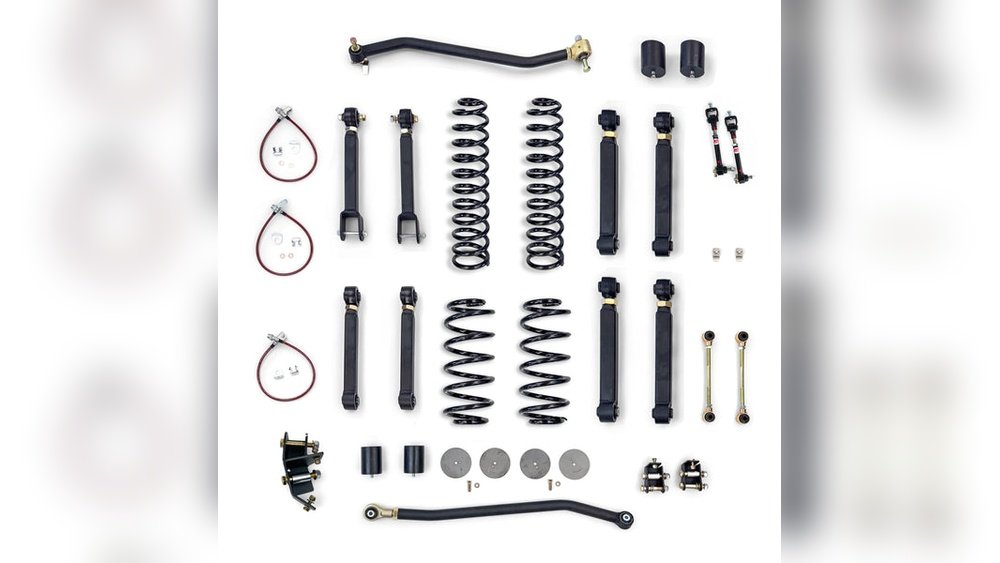
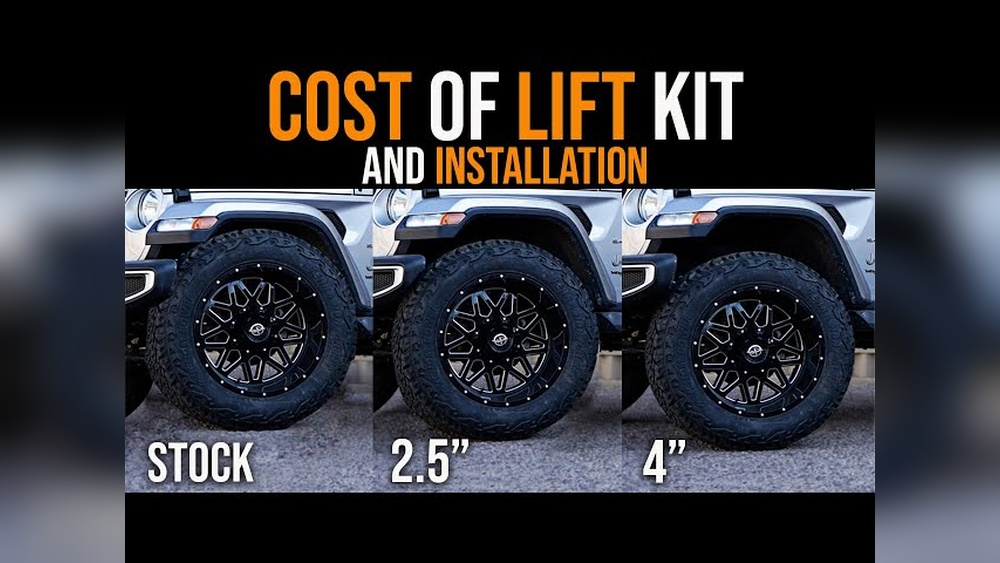
- Fitment: Fitting 35-inch tires generally requires a suspension lift kit. A 2.5-inch to 3.5-inch lift is commonly recommended to provide adequate clearance for the tires, especially for off-road articulation. Fender flares might also need to be adjusted or replaced. Wheel spacers or wheels with a negative offset are almost always necessary to prevent rubbing.
- Performance Impact:
- Off-Road: Dramatically improves capability, allowing the Wrangler to tackle much more challenging terrain.
- On-Road: Fuel economy will likely decrease noticeably. Acceleration will be significantly slower unless the vehicle’s gearing is adjusted. Speedometer and odometer readings will be inaccurate, requiring recalibration. Steering feel might become heavier.
- Drivetrain Stress: Larger tires place increased stress on the axles, driveshafts, and transmission. For heavy off-road use, re-gearing the differential is highly recommended. For example, stock JK/JL Wranglers with 3.73 or 4.10 gears will feel sluggish with 35-inch tires. Re-gearing to 4.56 or 4.88 is common.
Choosing Aftermarket Wheels
When upgrading tires, selecting the right aftermarket wheels is equally important.
- Material: Wheels are typically made from steel or aluminum alloy. Steel wheels are generally cheaper and more durable for extreme off-roading but are heavier. Aluminum alloy wheels are lighter, come in a wider variety of styles and finishes, and are often preferred for their aesthetic appeal.
- Backspacing: This is related to offset and is crucial for clearance. Lower backspacing (which corresponds to negative offset) pushes the wheel outward. For larger tires, a lower backspacing (typically 4.5 inches or less) is often needed.
- Beadlock vs. Non-Beadlock: Beadlock wheels are designed to mechanically clamp the tire bead to the wheel rim, preventing the tire from de-beading (coming off the rim) even at very low air pressures. These are primarily for extreme off-road use and may not be street-legal in all regions. Non-beadlock wheels are standard and suitable for most applications.
- Aesthetics: The market offers a vast array of styles, from rugged, beadlock-inspired designs to sleek, modern looks. Popular choices include multi-spoke designs, beadlock-style rings, and finishes like black, gunmetal, or even colored options like orange rims for Jeep Wrangler.
Example: From Stock To 35s
Consider a Jeep Wrangler JK Sport with stock 255/75R17 tires (approx. 31.5″ diameter) on 17×7.5 wheels with a +44mm offset.
- Goal: Fit 35×12.50R17 tires.
- Requirements:
- Lift: A 2.5-inch suspension lift is typically needed.
- Wheels: A 17×9 inch wheel with a 0mm or -12mm offset (or 4.5″ to 3.5″ backspacing) is often recommended. This pushes the wider 12.50-inch tire outward.
- Potential Rubbing: Even with a lift and proper wheels, minor rubbing on the fenders or sway bar at full lock might occur, possibly requiring minor trimming or steering stops.
- Gearing: If the JK Sport came with 3.21 or 3.73 gears, re-gearing to 4.56 or 4.88 would significantly improve drivability.
This transformation is a classic example of how upgrading the Jeep Wrangler Sport wheel and tire size necessitates a holistic approach, considering suspension, gearing, and potential body modifications.
Performance And Drivability Considerations
Changing the Jeep Wrangler Sport wheel and tire size from stock specifications inevitably affects how the vehicle performs and feels, both on and off the pavement. Understanding these impacts is crucial for managing expectations and making informed decisions.
Speedometer And Odometer Accuracy
The vehicle’s speedometer and odometer are calibrated at the factory based on the stock tire diameter. When you install tires with a different diameter, these readings become inaccurate.
- Larger Tires: Cause the speedometer to read slower than the actual speed. For example, if your speedometer reads 60 mph, you might actually be traveling at 65 mph. Similarly, the odometer will under-report the distance traveled, affecting mileage calculations for maintenance and resale value.
- Smaller Tires: Cause the speedometer to read faster than the actual speed.
Recalibration is necessary to correct these inaccuracies. This can often be done using an aftermarket programmer that plugs into the vehicle’s OBD-II port. For JL Wranglers, this is typically done via the infotainment system settings or a programmer. For JK Wranglers, a programmer like a Superchips Flashpaq or similar device is common. This ensures accurate speed readings for safety and legality, and correct mileage tracking.
Gearing And Acceleration
The final drive ratio (differential gears) and the tire diameter work together to determine how much torque is delivered to the wheels. This combination is often referred to as the “effective gear ratio. “
- Larger Tires: Increase the effective gear ratio, making it harder for the engine to turn the wheels. This results in:
- Reduced Acceleration: The vehicle will feel slower and less responsive.
- Increased Strain on Drivetrain: The engine and transmission have to work harder, especially when starting from a stop or climbing hills.
- Potential for Transmission Downshifts: The transmission may downshift more frequently on inclines or when maintaining speed.
- Smaller Tires: Decrease the effective gear ratio, making it easier to turn the wheels. This leads to quicker acceleration but can sometimes result in the engine revving higher at highway speeds, potentially increasing noise and fuel consumption.
Re-gearing the differentials is a common solution for larger tire upgrades (typically 33 inches and above, especially 35s and larger). This involves replacing the ring and pinion gears within the differential housing to restore or improve the effective gear ratio.
Example Gearing Impacts (Approximate):
| Stock Tire Diameter | Stock Gears (e.g., JK Sport) | Effective Ratio (Approx.) | With 33″ Tires | With 35″ Tires | With 37″ Tires |
|---|---|---|---|---|---|
| 31.5″ | 3.73 | 11.7:1 | 12.7:1 | 13.7:1 | 14.7:1 |
| 31.5″ | 4.10 | 12.8:1 | 13.8:1 | 14.9:1 | 16.0:1 |
As you can see, larger tires significantly increase the effective ratio. For instance, going from 31.
5" to 35" tires with 3. 73 gears is like going from a 3.
73 to a 4. 93 gear ratio.
This is why re-gearing to ratios like 4.
56 or 4. 88 becomes essential for maintaining good drivability with 35-inch tires.
Braking Performance
Larger and heavier tires can negatively impact braking performance. The increased rotational mass requires more force to slow down.
- Increased Stopping Distances: Expect slightly longer stopping distances with larger, heavier tires.
- Brake Fade: In demanding situations, like descending long grades, the brakes may be subjected to more heat due to the increased effort required, potentially leading to brake fade.
While stock brakes on a Wrangler Sport are generally adequate for most on-road driving with slightly larger tires, serious off-roaders who frequently encounter steep descents might consider upgrading brake components like pads, rotors, or even calipers for enhanced performance and reliability.
Fuel Economy
The impact on fuel economy is almost always negative when increasing Jeep Wrangler Sport wheel and tire size, particularly with larger diameter and wider tires.
- Increased Rolling Resistance: Larger, heavier tires with aggressive tread patterns create more rolling resistance.
- Aerodynamic Drag: A wider tire profile can increase aerodynamic drag.
*