Understanding Jeep Wrangler Jk 125 Wheel Spacers: Enhancing Stance And Performance
The Jeep Wrangler JK, a vehicle synonymous with off-road capability and rugged style, often becomes a canvas for enthusiasts looking to personalize their ride. One of the most popular modifications is the addition of wheel spacers.
These components, seemingly simple, can dramatically alter a Jeep's appearance and, in some cases, its handling characteristics. For the Jeep Wrangler JK, specifically when considering 125 wheel spacers, understanding their purpose, benefits, potential drawbacks, and installation is crucial for any owner.
This guide will explore everything you need to know about using 125 wheel spacers on your JK, from their impact on aesthetics to their effect on suspension and steering.
When you see a Jeep Wrangler JK with a wider stance, those wheels sitting further out from the body, it’s often the work of wheel spacers. These are metal rings or plates that bolt between your wheel hub and the wheel itself. They effectively push your wheels outward, increasing the offset and giving the Jeep a more aggressive, planted look. For the JK model, the term “125 wheel spacers” might refer to a specific size, like 1.25 inches, which is a common and effective width for achieving a noticeable but manageable stance change.
Why Choose Wheel Spacers For Your Jeep Wrangler Jk?
The decision to install wheel spacers on a Jeep Wrangler JK stems from a variety of motivations, primarily centered around aesthetics and accommodating larger tires. However, their utility extends beyond just looks.
Enhancing The Aesthetic Appeal
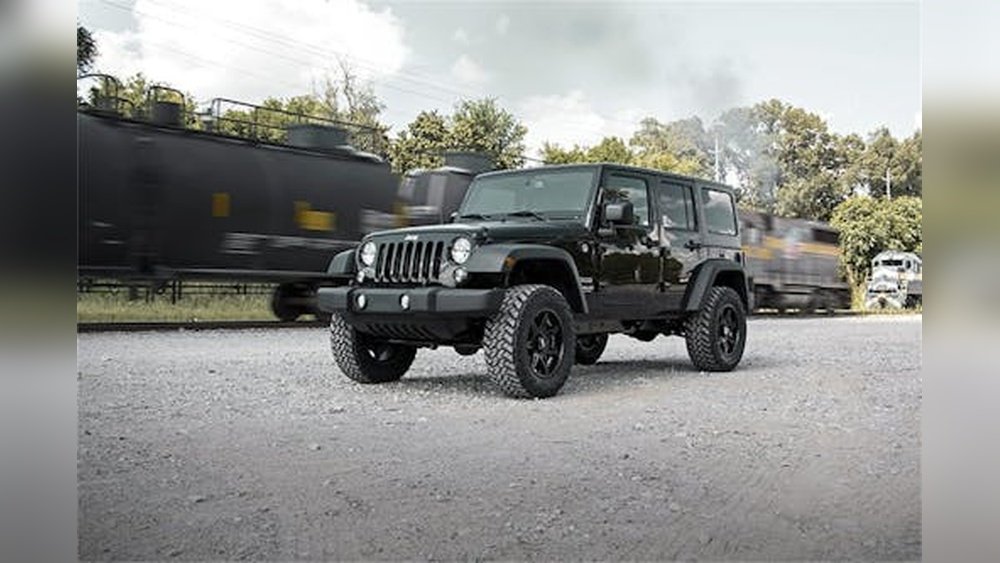
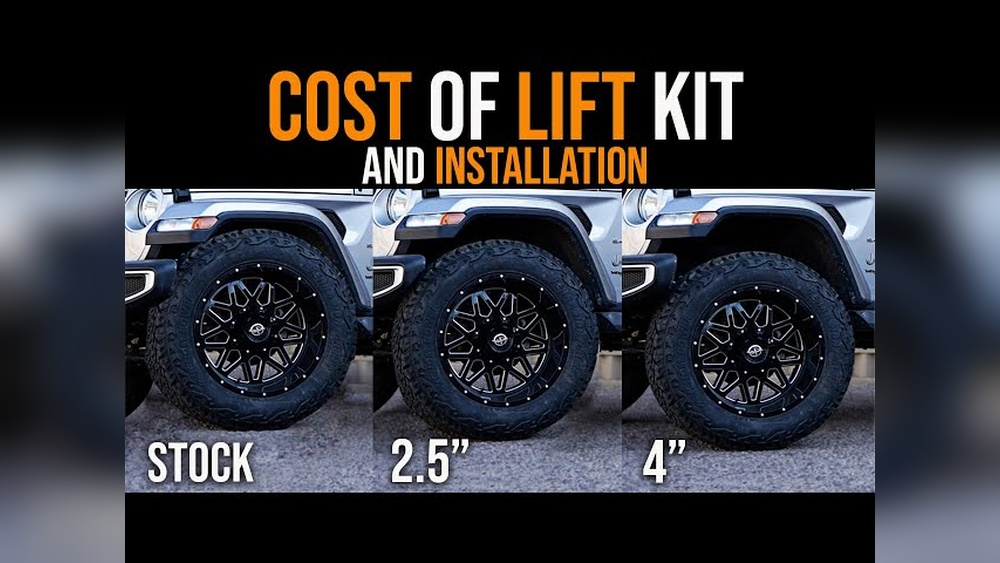
One of the most compelling reasons for adding wheel spacers is the visual transformation they provide. A stock Jeep Wrangler JK can sometimes appear to have its wheels tucked too far under the fenders. By pushing the wheels out by 1.25 inches, the vehicle gains a more muscular and assertive profile. This wider stance not only fills the wheel wells better, especially when paired with larger aftermarket tires, but also gives the Jeep a more stable and capable appearance. It’s a relatively inexpensive modification that yields a significant visual impact, making the JK look more ready for adventure even before it hits the trail.
Accommodating Larger Tires
For many JK owners, wheel spacers are a necessity when upgrading to larger tires. Often, larger tires, particularly those exceeding 33 inches in diameter, can rub against the suspension components or the fender flares. Installing wheel spacers can provide the extra clearance needed to prevent this tire rub, allowing for the fitment of larger, more aggressive off-road tires without requiring extensive suspension modifications. This is especially true when combined with a lift kit. The added width from the spacers can help ensure that the wider tire tread clears the control arms and sway bar links, crucial for both on-road safety and off-road performance.
Improving Stability And Handling
While primarily an aesthetic modification, wheel spacers can also have a subtle impact on a Jeep Wrangler JK’s handling. By increasing the track width (the distance between the centers of the wheels on the same axle), wheel spacers can improve vehicle stability, particularly when cornering or driving on uneven terrain. A wider track width generally leads to reduced body roll and a more planted feel. This can be a welcome benefit for those who frequently drive their JK off-road or at higher speeds on winding roads. The change in offset can also contribute to better steering feel, though this is highly dependent on the specific spacer size and other modifications.
Benefits Of 1.25-inch Spacers
The 1.25-inch size is a popular choice for Jeep Wrangler JK owners for several reasons. It offers a noticeable widening of the stance without being so extreme that it causes excessive stress on the wheel bearings or requires significant fender trimming. This size often provides enough clearance for common tire upgrades (e.g., 33-inch to 35-inch tires) when used in conjunction with a mild lift. It strikes a good balance between aggressive looks and practical functionality, making it a go-to option for many.
Understanding The Mechanics Of Wheel Spacers
Wheel spacers work by creating a gap between your Jeep’s hub and the wheel. This essentially changes the wheel’s offset, moving it further out from the vehicle’s centerline. This seemingly small change has several implications for your JK’s dynamics.
Wheel Offset Explained
Wheel offset is the distance from the mounting surface of the wheel (where it bolts to the hub) to the centerline of the wheel. A positive offset means the mounting surface is closer to the outside of the wheel, while a negative offset means it’s closer to the inside. Most factory Jeep wheels have a positive offset. When you install a wheel spacer, you are effectively adding to this offset, pushing the wheel outward. A 1.25-inch spacer on a wheel with a stock offset will result in a net increase of 1.25 inches to the wheel’s outward position. This change in offset is what creates the wider stance and allows for more tire clearance.
Types Of Wheel Spacers
There are generally two main types of wheel spacers:
- Universal/Bolt-On Spacers: These are simple spacers that bolt to your Jeep’s hub using your existing lug nuts. Your wheels then bolt onto the spacer using separate studs that are part of the spacer itself. These are generally less expensive but can be less secure if not properly installed and maintained.
- Hub-Centric Spacers: These spacers are designed to fit precisely onto your Jeep’s wheel hub. They have a lip that matches the hub diameter, ensuring the spacer is perfectly centered. The wheel then mounts to the spacer, which also has a lip or bore that matches the wheel’s center bore. Hub-centric spacers are generally considered safer and more stable as they ensure the wheel is properly centered on the hub, reducing vibration and stress on the lug bolts. For a Jeep Wrangler JK, it’s highly recommended to opt for hub-centric spacers.
Material And Construction
Wheel spacers are typically made from durable materials like aluminum alloy or steel. Aluminum alloy is common because it’s lightweight yet strong, and resistant to corrosion. Steel spacers are heavier but can offer superior strength. The quality of the material and the manufacturing process are critical. High-quality spacers will have precision-machined surfaces for a flush fit and high-grade studs and lug nuts that are properly torqued and secured.
Installation Process For 125 Wheel Spacers On A Jk
Proper installation is paramount for the safety and longevity of your wheel spacers. It’s a process that can be done at home with the right tools, but if you’re unsure, it’s best to have a professional mechanic handle it.
Tools And Preparation
Before you begin, gather the necessary tools:
- Jack and jack stands
- Lug wrench or socket set
- Torque wrench (essential for proper tightening)
- Wire brush
- Anti-seize lubricant (optional, but recommended for lug studs)
- Thread locker (medium strength, for lug nuts securing the spacer to the hub)
Ensure your Jeep is parked on a level surface, the parking brake is engaged, and you have wheel chocks in place for safety.
Step-by-step Installation
- Loosen Lug Nuts: With the vehicle still on the ground, slightly loosen the lug nuts on the wheel you’ll be working on.
- Jack Up the Vehicle: Use your jack to lift the Jeep until the tire is off the ground. Secure it with jack stands.
- Remove the Wheel: Fully unscrew the lug nuts and remove the wheel.
- Clean Hub and Spacer Surface: Use a wire brush to clean the Jeep’s wheel hub and the mating surface of the wheel spacer. Any dirt or debris can prevent a flush fit and cause vibrations.
- Install the Spacer: Place the 1.25-inch wheel spacer onto the hub. Ensure it sits flush against the hub. Some spacers may have alignment pins or a lip that fits into the hub bore.
- Install Lug Nuts for Spacer: Apply a small amount of thread locker to the studs on your Jeep’s hub. Then, install the lug nuts that came with your spacers. Tighten them in a star pattern to snug them up.
- Torque Spacer Lug Nuts: Using your torque wrench, tighten the lug nuts securing the spacer to the hub to the manufacturer’s specified torque. For most JK models, this is around 100-120 ft-lbs. It’s critical to torque these correctly and in a star pattern to ensure even pressure.
- Reinstall the Wheel: Place the Jeep wheel back onto the studs. Install your Jeep’s original lug nuts onto the spacer’s studs.
- Torque Wheel Lug Nuts: Tighten the wheel’s lug nuts in a star pattern to the manufacturer’s specified torque for your JK wheels (typically around 100-120 ft-lbs).
- Lower the Vehicle: Carefully lower the Jeep back to the ground.
- Final Torque Check: Once the vehicle is on the ground, re-torque all lug nuts (both those securing the spacer and those securing the wheel) to ensure they are properly tightened.
Re-torquing After Driving
This is a critical step often overlooked. After driving for about 50-100 miles, you must re-torque all lug nuts. The initial driving can cause the spacers and wheels to settle, potentially loosening the lug nuts. Failure to re-torque can lead to the wheel coming loose, a dangerous situation.
Potential Drawbacks And Considerations
While wheel spacers offer appealing benefits, it’s important to be aware of the potential downsides and factors to consider before installation.
Impact On Wheel Bearings
Extending the wheel further out from the hub increases the leverage placed on your Jeep Wrangler JK’s wheel bearings. This leverage can cause premature wear and tear on the bearings, potentially leading to premature failure. The extent of this impact depends on the spacer width, tire size, driving style, and the quality of the wheel bearings. 1.25-inch spacers are generally considered within a reasonable range that doesn’t overly stress stock components, but it’s something to monitor. Heavier tires and aggressive off-roading will exacerbate this effect.
Stress On Lug Bolts And Studs
The original lug bolts on your Jeep’s hub are designed to hold the wheel directly against the hub face. When you add a spacer, these bolts are now responsible for holding both the spacer and the wheel. Furthermore, the studs on the spacer itself are subjected to significant forces. Using high-quality spacers with grade 8 studs is crucial. It’s also vital to use thread locker on the lug nuts that secure the spacer to the hub, preventing them from vibrating loose.
Tire Rubbing And Fender Clearance
While spacers help with tire clearance, they can also introduce new rubbing points. The wider stance might cause the tire tread to rub against the fender flares or the body tub at full steering lock or during suspension compression. This is especially true if you haven’t adequately addressed your JK’s fender clearance with aftermarket fenders or a lift kit. You might find that even with spacers, you still need to do some fender trimming or use flame-welding to modify the pinch seam on the body.
Vibration And Balancing Issues
Improperly installed or low-quality wheel spacers can lead to vibrations, especially at higher speeds. This can be due to the spacer not being perfectly centered on the hub, or the wheel not being properly seated against the spacer. It’s essential to ensure the spacers are hub-centric and that the mating surfaces are clean and flat. Even with good spacers, you might notice a slight difference in how the vehicle balances, and you may need to ensure your wheels are balanced after installation.
Legal And Insurance Implications
In some regions, modifying your vehicle’s track width with wheel spacers might have legal implications. Check your local regulations regarding vehicle width and modifications. Additionally, it’s always a good idea to inform your auto insurance provider about significant modifications to your vehicle, as it could potentially affect your coverage.
Choosing The Right 125 Wheel Spacers For Your Jk
Not all wheel spacers are created equal. Selecting a quality product is essential for safety and performance.
Material Quality
As mentioned, aluminum alloy is a popular choice for its balance of strength and weight. Look for spacers made from T6 aluminum, which is known for its durability and resistance to cracking. Steel spacers are an option for extreme applications but add significant weight.
Hub-centric Vs. Lug-centric
For your Jeep Wrangler JK, hub-centric spacers are highly recommended. They ensure the spacer is perfectly centered on the hub, which is critical for preventing vibrations and reducing stress on the studs. Lug-centric spacers rely solely on the lug nuts to center the wheel, which can lead to wobble.
Stud Quality And Thread Pitch
Check the studs integrated into the spacer. They should be high-grade (e.g., Grade 8) and have the correct thread pitch for your Jeep Wrangler JK’s lug nuts (typically M14x1.5 for JK models). Ensure the studs are long enough to properly engage the lug nuts without bottoming out.
Brand Reputation And Reviews
Research reputable brands known for producing quality Jeep accessories. Reading customer reviews can provide valuable insights into the real-world performance and durability of specific spacer models. Look for reviews that mention longevity, ease of installation, and any potential issues encountered.
Spacer Thickness
While this guide focuses on 1.25-inch spacers, remember that other sizes exist (e.g., 1-inch, 1.5-inch, 2-inch). The ideal thickness depends on your tire size, suspension lift, and desired stance. A 1.25-inch spacer is a good middle ground, offering a noticeable stance change without extreme drawbacks. Thicker spacers (2 inches and above) can put more stress on bearings and may require longer studs or even modifications to the vehicle’s brake components.
Specific Considerations For Jeep Wrangler Jk Models
The Jeep Wrangler JK (2007-2018) has specific characteristics that influence the choice and installation of wheel spacers.
Stock Vs. Modified Suspension
If your JK is stock, 1.25-inch spacers will provide a noticeable stance improvement and might allow for slightly larger tires (e.g., 285/75R17 or 33×12.50R17) with minimal rubbing, especially on the front. If you have a lift kit, the amount of clearance you gain will be significantly more, potentially allowing for larger tires (35-inch or even 37-inch) depending on the lift height and other modifications like