If you own a Jeep Wrangler, you know it’s built for adventure. The open air, rugged trails, and freedom are what make it special.
But when it comes to music, the factory speakers often leave a lot to be desired. Whether you’re driving with the top down or tackling rough roads, good sound can turn every ride into a true experience.
Upgrading your Jeep Wrangler’s speakers doesn’t just boost audio quality—it can make your favorite songs sound alive, even in the wildest conditions. Let’s explore how to upgrade your Wrangler’s speakers, what to look for, and how to get the best results without wasting money or making common mistakes.
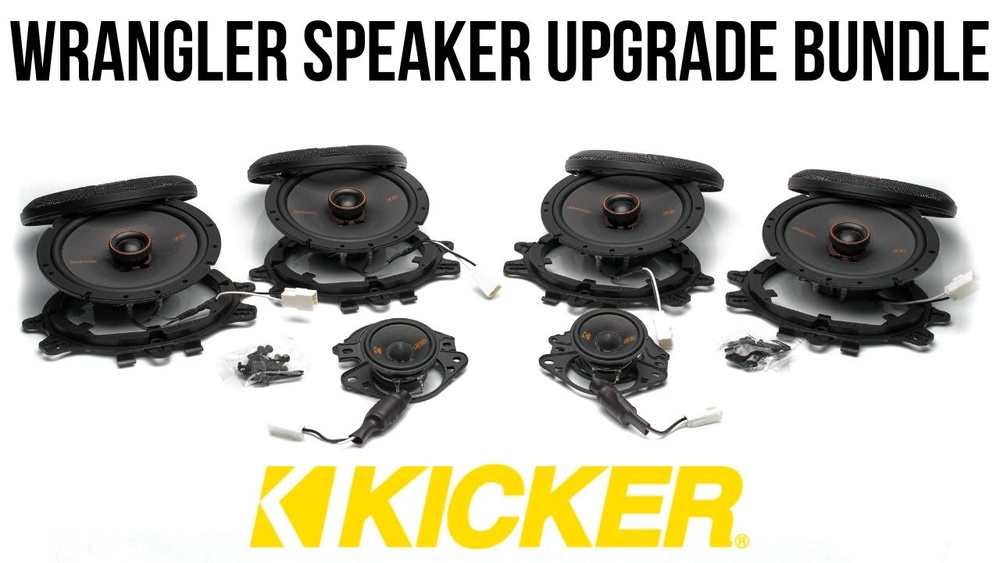
Why Upgrade Jeep Wrangler Speakers?
Many Wrangler owners notice their factory speakers are weak or muddy, especially at higher volumes. Jeep uses basic paper cone speakers, which struggle to deliver crisp highs, deep bass, or clarity when you’re driving with windows down. Here’s why an upgrade makes sense:
- Better sound quality: Clearer vocals, sharper instruments, deeper bass.
- Louder volume: Hear your music over engine and road noise.
- Durability: Aftermarket speakers handle rain, dust, and vibration better.
- Personalization: Choose the sound profile you like—bass-heavy, balanced, or bright.
A speaker upgrade also adds value to your vehicle, which helps if you ever sell or trade in your Jeep.
Types Of Jeep Wrangler Speaker Upgrades
Upgrading speakers isn’t one-size-fits-all. Wranglers come with different setups, so you need to know what’s possible.
Factory Speaker Locations
Most Jeep Wranglers (JK, JL, and older models) have speakers in these spots:
- Dashboard: Tweeters and midrange speakers
- Sound bar: Overhead, behind the front seats
- Front doors: Main speakers (some models)
- Rear cargo area: Optional in some versions
Knowing your exact model is important. For example, JL Wranglers (2018+) have improved factory systems but still benefit from upgrades.
Speaker Sizes And Fit
Wrangler speaker sizes vary:
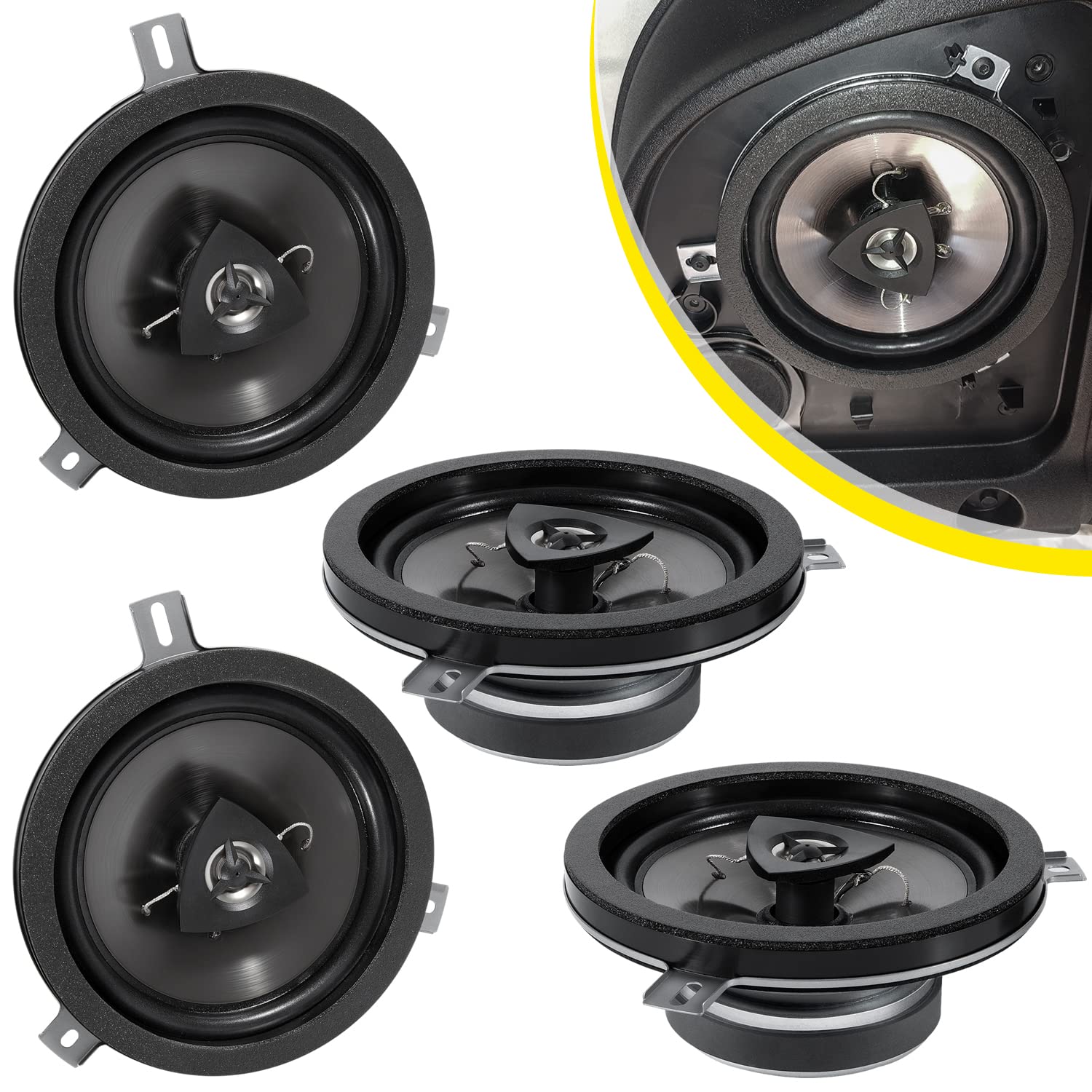
- Dash: Usually 3.5″ or 4″
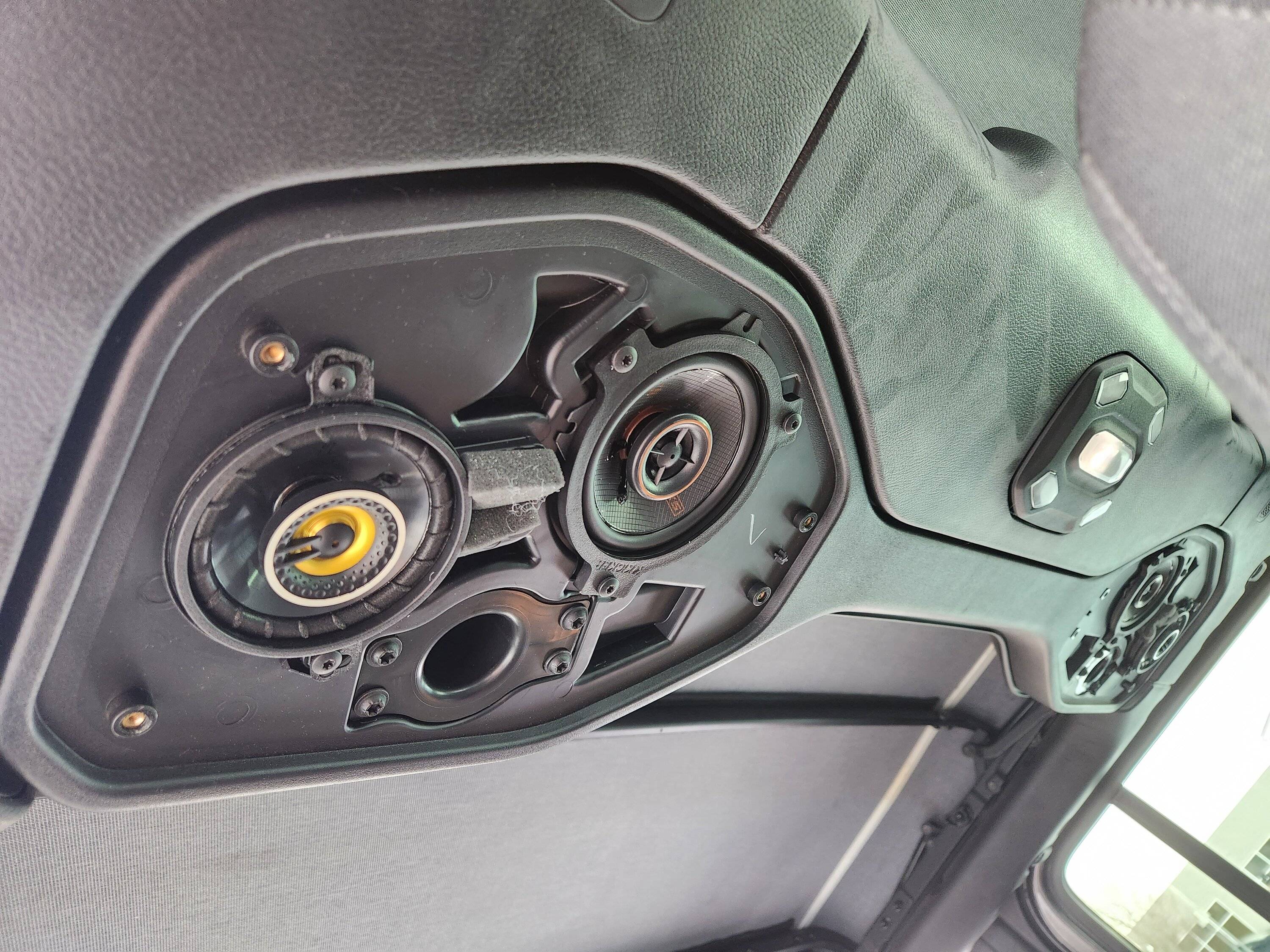
- Sound bar: 6.5″ or 4″
- Front doors: 6.5″ or 6.75″
- Rear: 6.5″ in some older models
Check your owner’s manual or online guides before buying. Some speakers need adapter rings or special brackets to fit.
Types Of Speakers
- Coaxial speakers: One unit combines woofer and tweeter. Easy to install, decent upgrade.
- Component speakers: Separate tweeters and woofers. Higher quality, needs more work.
- Subwoofers: For deep bass, often added in cargo area or under seats.
If you want the best sound, component speakers are ideal, but coaxials are good for quick upgrades.
Choosing The Best Speakers For Your Wrangler
Buying new speakers is about more than just picking a brand. Here’s what matters:
Key Factors To Compare
| Factor | Why It Matters | What to Look For |
|---|---|---|
| Power Handling | Speakers must match your stereo’s power output. | RMS (continuous power), not just peak. |
| Sensitivity | Higher sensitivity = louder sound with less power. | 88 dB or higher is ideal for Jeeps. |
| Build Quality | Wranglers face dust, moisture, vibration. | Look for polypropylene cones, rubber surrounds. |
| Impedance | Affects compatibility with stereo/amp. | Usually 4 ohms for most upgrades. |
Popular Aftermarket Brands
Some brands are trusted for Jeep upgrades:
- Kicker
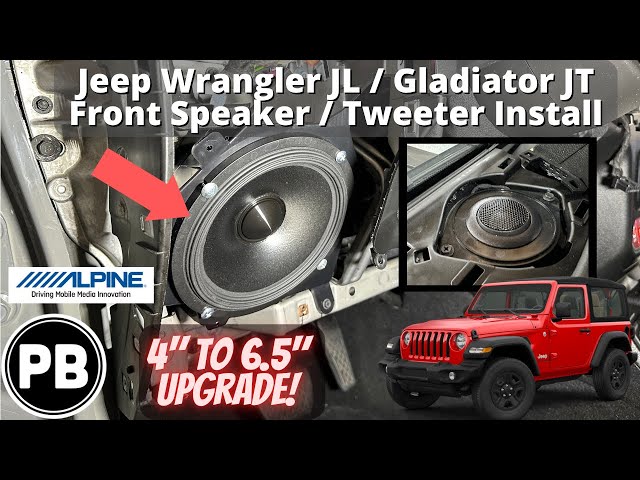
- Alpine
- JL Audio
- Rockford Fosgate
- Polk Audio
Each brand has models for rugged use. For example, Alpine’s SPV-65X-WRA kit is designed for Jeep JL and JK.
Budget Planning
Speaker prices range from $50 (basic coaxials) to $500+ (full component kits). Most Jeep owners spend $200–$400 for noticeable improvement.
Don’t forget possible costs for wiring, adapters, and installation tools.
Installing Your New Speakers
Upgrading speakers is doable for most Jeep owners, but planning is key. Here’s a step-by-step guide.
Tools And Materials Needed
- Screwdrivers (Phillips and flathead)
- Panel removal tool (plastic, to avoid scratches)
- Wire cutters and strippers
- Soldering iron or crimp connectors
- Adapter rings (if needed)
- Electrical tape
Step-by-step Installation Guide
- Disconnect the battery.
- Always start by disconnecting the negative battery cable for safety.
- Remove panels and grills.
- Use the panel tool to gently pry off speaker covers. Be careful not to break clips.
- Unscrew old speakers.
- Remove mounting screws. Disconnect wiring harness.
- Fit new speakers.
- If using adapters, attach them to the new speaker. Connect wires using crimp connectors or solder.
- Test before securing.
- Turn on the radio to check the sound. Listen for clarity, check balance.
- Secure everything.
- Screw in the new speakers. Replace panels and grills.
- Reconnect the battery.
- Enjoy your upgraded audio.
Common Installation Mistakes
- Forgetting adapter rings: Many aftermarket speakers need rings to fit Jeep mounts.
- Mixing up polarity: If wires are reversed, sound will be weak or distorted.
- Skipping sound tests: Always test before final assembly.
A detailed installation video can help. Some Jeep forums offer step-by-step guides with photos.
Amplifiers And Subwoofers: Do You Need Them?
If you want even better sound, consider adding an amplifier or subwoofer. Here’s what you need to know:
Amplifiers
An amplifier boosts signal power, letting speakers play louder and cleaner. Wranglers with factory stereos often benefit from a small, 4-channel amp.
- Power: Look for 30–75 watts RMS per channel.
- Location: Under seats or behind panels.
Adding an amp means running new power wires and sometimes upgrading the battery fuse.
Subwoofers
Wranglers lack deep bass. A compact subwoofer can add punch without taking up cargo space.
| Subwoofer Type | Pros | Cons |
|---|---|---|
| Under-seat | Space-saving, easy to install | Limited power, smaller bass output |
| Cargo area box | Strong bass, bigger sound | Takes up space, harder to remove |
| Sound bar | Blends with factory look | More expensive, custom fit needed |
If you mostly drive with the top down, a powered subwoofer is a smart upgrade.
Weatherproofing And Durability
Jeep Wranglers are made for the outdoors. Upgraded speakers need to handle rain, mud, and dust.
Choosing Rugged Speakers
Look for speakers labeled water-resistant or marine-grade. Rubber surrounds and coated cones resist moisture. Brands like Polk Audio and Kicker offer marine-grade models that fit Jeep speaker mounts.
Protecting Your Audio System
- Use silicone sealant around speaker edges to keep water out.
- Choose waterproof wiring and connectors.
- If you add an amplifier, mount it away from wet areas—under the dash is safer than under seats.
These steps keep your investment safe, even when you drive through deep water or mud.
Tuning Your System For The Best Sound
After upgrading speakers, fine-tuning makes a big difference.
Adjusting Settings
- Balance and fade: Set so all speakers sound even.
- EQ (equalizer): Boost bass and treble to your taste, but avoid maxing out settings.
- Subwoofer level: If you added a sub, adjust so it blends, not overpowers.
Some aftermarket stereos offer DSP (digital signal processing) for more control.
Listening Tips
Drive with windows open and closed, and test different genres. Rock, pop, and classical music all reveal different strengths.
If you notice distortion, lower the volume or tweak EQ.
Jeep Wrangler Speaker Upgrade: Real-world Examples
Many Jeep owners share their upgrades online. Here are some real-world results:
- 2015 Wrangler JK: Owner replaced factory speakers with Kicker CS series, added a compact amplifier and subwoofer. Reported clear highs, strong bass, and good performance with the top off.
- 2026 Wrangler JL: Alpine component kit installed in dash and sound bar. Owner noted much better clarity and volume, even during off-road trips.
- 2008 Wrangler Unlimited: Polk Audio marine speakers added to sound bar. Owner said sound was strong and survived rain storms.
Most upgrades take 2–4 hours for a basic speaker swap. Adding amps or subs can take longer.
Data: Factory Vs. Upgraded Speaker Performance
A good way to see the difference is through numbers. Here’s a comparison of typical specs:
| Feature | Factory Speaker | Aftermarket Speaker |
|---|---|---|
| Power Handling (RMS) | 10–25 watts | 40–80 watts |
| Sensitivity (dB) | 80–85 | 88–92 |
| Material | Paper cone | Polypropylene or Kevlar cone |
| Weather Resistance | Low | High (marine-grade) |
Upgraded speakers can easily double the volume and clarity compared to factory parts.
Non-obvious Insights: What Most Beginners Miss
- Speaker placement matters as much as quality. If you upgrade only the sound bar or dash, you may not get balanced sound. Upgrade all locations for full effect.
- Factory head units limit performance. If you use the stock radio, even high-end speakers may sound average. Consider upgrading the stereo or adding an amplifier.
- Weatherproofing isn’t just for speakers. All wiring and connectors should be protected, especially if you go off-road or drive topless.
If you want more info on the science behind speaker upgrades, check out this Wikipedia Loudspeaker page.
What Speaker Size Fits My Jeep Wrangler?
Most Wranglers use 6.5-inch speakers in the sound bar and doors, and 3.5-inch or 4-inch in the dash. Always check your model year and trim, as sizes can vary.
Do I Need An Amplifier For Upgraded Speakers?
It depends. Many aftermarket speakers sound better with the factory stereo, but for maximum clarity and volume, a small amplifier is recommended. Especially if you drive with the top down or off-road.
Are Marine Speakers Necessary For A Jeep?
Not always, but marine-grade speakers are smart if you often drive in rain, mud, or with the top off. They resist moisture and survive harsh conditions.
Can I Install New Speakers Myself?
Yes. Most Jeep owners can upgrade speakers with basic tools.
You’ll need patience and to follow instructions carefully. Some locations, like dash tweeters, are harder than others.
Will Upgrading Speakers Void My Jeep’s Warranty?
No, simply swapping speakers will not void your warranty. If you cut wires or damage electrical parts, it could affect coverage. Use plug-and-play adapters when possible.
Upgrading your Jeep Wrangler speakers is one of the best ways to enjoy every drive, whether you’re cruising downtown or exploring mountain trails. With the right speakers, a bit of planning, and careful installation, you’ll turn your Jeep into a rolling concert.
Music should sound as bold as your next adventure—and now, it can.