If you drive a Jeep Wrangler and notice it shakes or vibrates after hitting a bump, you’re not alone. Many owners experience this issue, and it can feel scary—especially if the shaking is strong or lasts a few seconds. This problem, often called the “death wobble,” can affect both older and newer models. Understanding why it happens and how to fix it is important for your safety and peace of mind.
Why Does My Jeep Wrangler Shake After Hitting A Bump?
When a Jeep Wrangler shakes after you hit a bump, it’s usually caused by problems with the front suspension or steering components. The Wrangler has a solid front axle, which is great for off-roading but can make it sensitive to bumps and rough roads. If parts are worn or loose, this can cause the wheels to shake uncontrollably.
Common Causes
- Worn Track Bar Bushings: The track bar keeps the axle centered. If its bushings are worn, the axle can move side to side, causing shakes.
- Loose Steering Components: Parts like the tie rod ends, drag link, and pitman arm can wear out. If they’re loose, the steering can feel unstable.
- Bad Ball Joints: Ball joints connect your wheels to the suspension. When they wear out, the wheels can shake or wobble.
- Unbalanced Tires: Tires that are not balanced correctly can make the Jeep shake after hitting bumps.
- Damaged Suspension Parts: Bent or broken suspension parts, like control arms, can cause vibration.
- Alignment Issues: If the wheels are not aligned, hitting a bump can trigger shaking.
Here’s a quick comparison of the most common causes and their symptoms:
| Cause | Typical Symptom | Repair Cost Estimate |
|---|---|---|
| Track Bar Bushings | Side-to-side shaking | $100-$250 |
| Steering Components | Loose steering wheel | $150-$400 |
| Ball Joints | Wobble at speed | $200-$450 |
| Unbalanced Tires | Vibration after bumps | $40-$100 |
| Suspension Parts | Random shakes | $200-$600 |
| Alignment Issues | Steering pulls | $80-$150 |
How To Diagnose Jeep Wrangler Shakes
Finding the exact cause of the shaking is key. Here are some practical steps you can take:
- Check Tire Balance: Look for uneven wear or missing wheel weights. Have the tires balanced at a shop.
- Inspect Suspension: Look at track bar bushings, ball joints, and control arms for wear or damage.
- Test Steering Components: Wiggle the steering wheel and check for play in tie rods, drag link, and pitman arm.
- Look for Alignment Problems: Check if the Jeep pulls to one side or the steering wheel is off-center.
- Observe After Hitting a Bump: Notice if the shaking happens only at certain speeds or after specific bumps.
A less obvious tip: Sometimes mud or debris stuck to the wheels can cause vibrations. Cleaning your wheels can sometimes fix minor shakes.

Fixing Jeep Wrangler Shakes
Once you know what’s wrong, fixing the issue is usually straightforward. Here’s a step-by-step guide:
- Replace Worn Parts: Change track bar bushings, ball joints, or steering components if they show wear.
- Balance and Rotate Tires: Make sure all tires are balanced and rotate them regularly to prevent uneven wear.
- Get an Alignment: Have a professional align your wheels. This can solve many shaking problems.
- Tighten Bolts: Check all suspension and steering bolts. Tighten any loose ones to the manufacturer’s torque specs.
- Inspect Suspension Upgrades: If you have aftermarket parts, check if they are installed properly and not causing issues.
Here’s a table showing the impact of each repair:
| Repair Action | Effectiveness | Time Needed |
|---|---|---|
| Replace Track Bar Bushings | High | 1–2 hours |
| Balance Tires | Medium | 30–60 minutes |
| Wheel Alignment | High | 1 hour |
| Tighten Bolts | Medium | 30 minutes |
| Replace Ball Joints | High | 2–3 hours |
Prevention Tips And Expert Advice
You can prevent Jeep Wrangler shakes with regular maintenance. Here’s what experts recommend:
- Inspect suspension and steering parts every 6 months
- Balance tires and rotate them every 5,000 miles
- Get wheel alignment once a year or after hitting a large pothole
- Use quality replacement parts—cheap parts wear out faster
- Avoid heavy off-roading if you notice shaking; it can make the problem worse
A non-obvious insight: Many people ignore small vibrations, thinking they are normal. But even minor shakes can signal early suspension wear. Catching problems early saves money and keeps your Jeep safe.
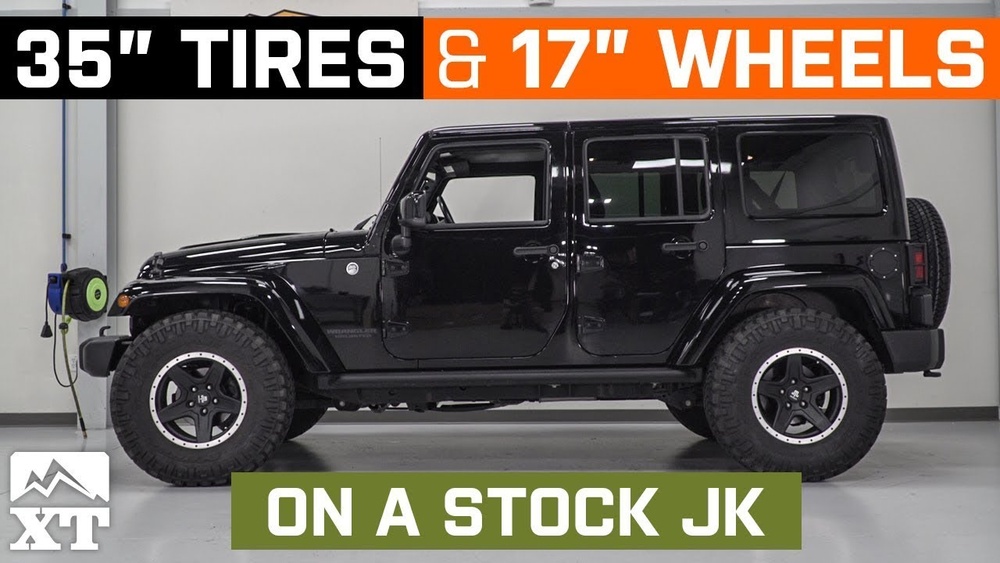
Another tip: If you lift your Jeep or add larger tires, you must upgrade certain suspension parts. Stock components may not handle the extra stress, leading to shakes.

Is The Jeep Wrangler Death Wobble Dangerous?
The “death wobble” is more than just a mild shake. It’s a severe vibration that can make the Jeep nearly impossible to control. If you experience this, slow down safely and pull over. Don’t keep driving until the problem is fixed.
Statistics show that about 15% of Jeep Wranglers (especially older models) have reported death wobble at least once. While the wobble rarely causes accidents, it can lead to loss of control.
For more technical information, visit the Wikipedia Death Wobble page.
Frequently Asked Questions
Why Does My Jeep Wrangler Shake After Hitting A Bump?
It’s usually caused by worn suspension or steering parts. Loose track bar bushings, ball joints, or unbalanced tires are common reasons.
Can I Drive With My Jeep Shaking?
It’s not safe. Driving with a shake can make the problem worse and lead to loss of control. Fix the issue before driving further.
How Much Does It Cost To Fix The Death Wobble?
Costs range from $100 to $600, depending on the parts replaced. Track bar bushings are cheaper, while ball joints or full suspension repairs cost more.
Will Bigger Tires Cause My Jeep To Shake More?
Yes, larger tires can put more stress on suspension parts. If you upgrade tires, also upgrade suspension and steering components.
How Can I Prevent Jeep Wrangler Shakes?
Regular maintenance, tire balancing, and yearly alignment help prevent shakes. Inspect suspension parts and fix issues early.
If your Jeep Wrangler shakes when you hit a bump, don’t ignore it. With careful inspection and proper repair, you can keep your Jeep riding smooth and safe.
Regular checks, quality parts, and attention to small signs make all the difference.