The Jeep Wrangler manual transmission is more than just a gear shifter—it’s a symbol of freedom for drivers who want total control over their adventure. While automatic transmissions are common, the manual option still draws fans who love its raw, tactile feel. If you’re considering a Wrangler or just curious about why people rave about the manual, this article will help you understand everything that matters.
What Makes The Manual Wrangler Unique
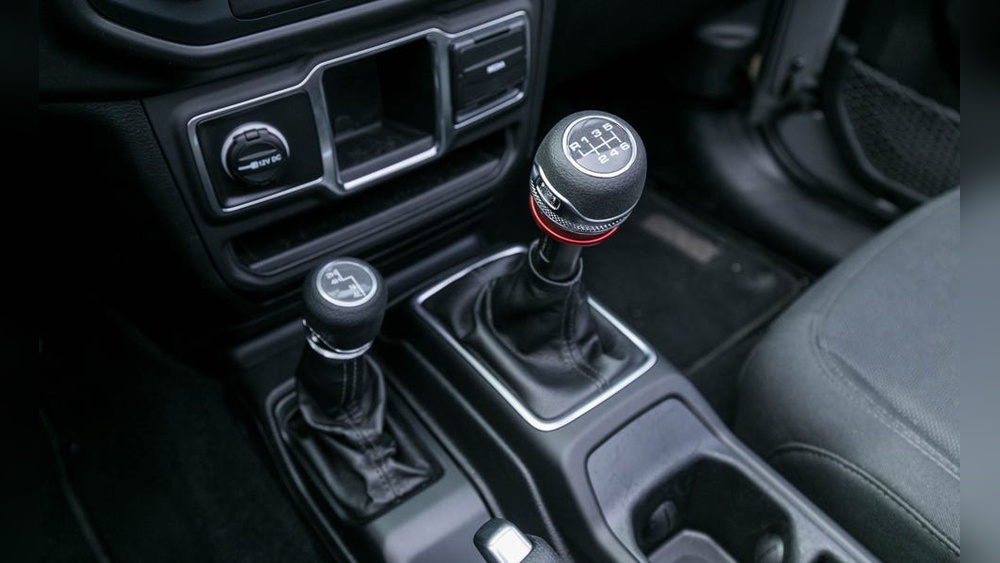
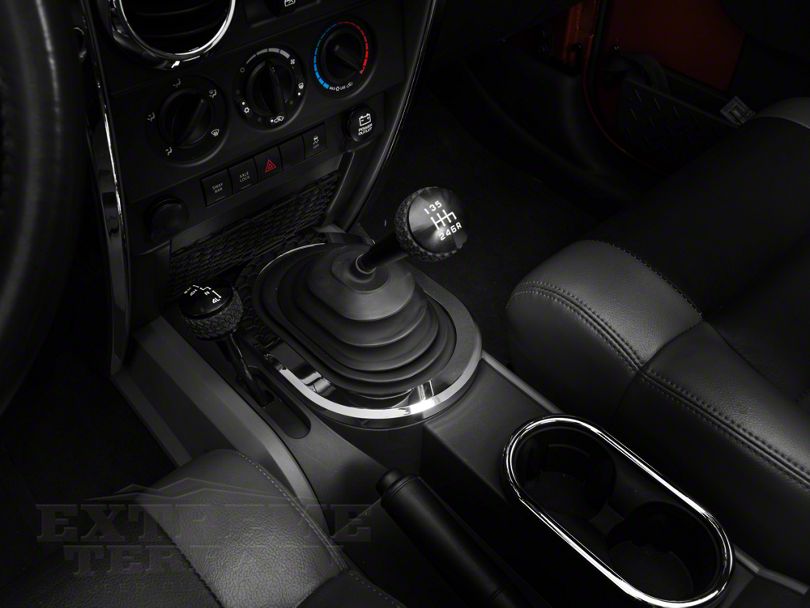
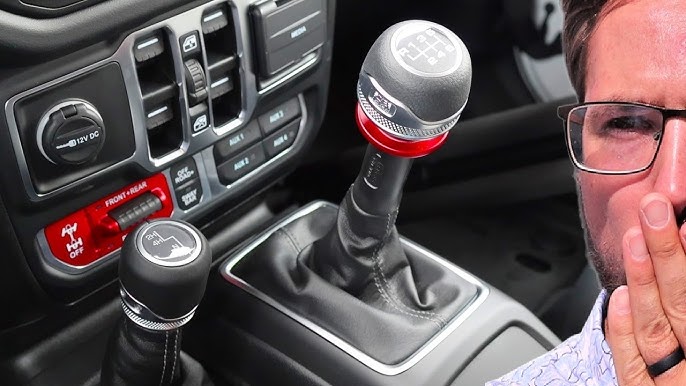
The manual transmission in the Jeep Wrangler has always stood out. Most modern SUVs and off-road vehicles have moved to automatics, but Jeep continues to offer this classic option. The manual transmission gives you direct control of engine power, making it easier to manage tough terrain.
Enthusiasts praise the manual for several reasons:
- Greater driver engagement: You feel connected to the vehicle and the road.
- Better control off-road: Shifting manually lets you choose exactly how much power goes to the wheels.
- Simplicity and reliability: Fewer electronics mean less to break down in remote areas.
Most recent Wrangler models, especially the JL generation, offer a 6-speed manual paired with the 3.6L V6 engine. This combo is perfect for those who value hands-on driving.
Key Specifications And Performance Data
Let’s look at the numbers to see how the manual Wrangler compares to automatic options.
| Transmission | Gears | EPA MPG (City/Hwy) | 0-60 mph (sec) |
|---|---|---|---|
| Manual (JL) | 6-speed | 17/23 | 7.7 |
| Automatic (JL) | 8-speed | 18/23 | 7.6 |
The manual transmission delivers similar fuel economy and acceleration to the automatic, but with a slightly lower city rating. For most drivers, this small difference is outweighed by the fun and control of driving stick.
Off-road Advantages
The Jeep Wrangler is famous for off-roading, and the manual transmission really shines here. Here’s why:
- Precise power delivery: You can feather the clutch for slow, controlled movement over rocks or mud.
- Easy hill starts: Wrangler manuals have a Hill Start Assist feature, which holds the brakes for a few seconds as you move your foot from brake to gas.
- Engine braking: Downshifting on steep descents keeps speed steady without riding the brakes.
Below is a comparison of off-road features:
| Feature | Manual | Automatic |
|---|---|---|
| Hill Start Assist | Yes | Yes |
| Engine Braking | Excellent | Good |
| Low-Speed Control | Better | Good |
One insight many beginners miss: clutch control is a skill that improves your ability to handle rough terrain. Practice makes a big difference, and the Wrangler’s clutch is designed to be forgiving for new drivers.
Daily Driving: What To Expect
Driving a manual Jeep Wrangler in daily life is a unique experience. Some drivers love the interaction, while others find it tiring in heavy traffic. Here are some real-world points to consider:
- City traffic: Stop-and-go driving can be tiring, especially if you’re new to manuals.
- Highway cruising: The 6th gear keeps revs low, so highway noise is manageable.
- Resale value: Manuals are rarer, but buyers who want them are often willing to pay more.
A non-obvious tip: manuals often cost less to maintain. They have fewer complex parts than automatics, which means lower repair costs over time.
Choosing Between Manual And Automatic
Deciding between the manual and automatic Wrangler depends on your needs and preferences.
| Factor | Manual | Automatic |
|---|---|---|
| Driver Engagement | High | Medium |
| Ease of Use | Medium | High |
| Off-Road Control | Excellent | Good |
| Maintenance Cost | Lower | Higher |
| Availability | Limited | Wide |
Common mistakes when choosing:
- Overestimating daily convenience: Manuals are less relaxing in city traffic.
- Underestimating learning curve: If you’re new to stick shifts, expect a few weeks to get comfortable.
- Forgetting about resale: Manual Wranglers can be harder to sell, but attract passionate buyers.
Maintenance And Longevity
The manual transmission in the Wrangler is built tough. Routine care is simple:
- Check clutch fluid: Most modern Wranglers use hydraulic clutches; inspect and top off fluid regularly.
- Replace clutch when worn: Clutch life can vary, but most last 70,000–100,000 miles with careful driving.
- Inspect linkage and cables: These should be checked during regular service.
A surprising fact: manuals often last longer than automatics because they don’t rely on complex electronics. This makes them ideal for long-term reliability.
Frequently Asked Questions
Is The Jeep Wrangler Manual Transmission Hard To Learn?
For most people, it takes a few days to get comfortable. The Wrangler’s clutch is forgiving, and features like Hill Start Assist help new drivers.
Does The Manual Wrangler Have Better Fuel Economy?
Manual and automatic Wranglers have similar MPG ratings. The manual gets slightly lower city mileage, but the difference is small.
Is The Manual Transmission Available On All Wrangler Trims?
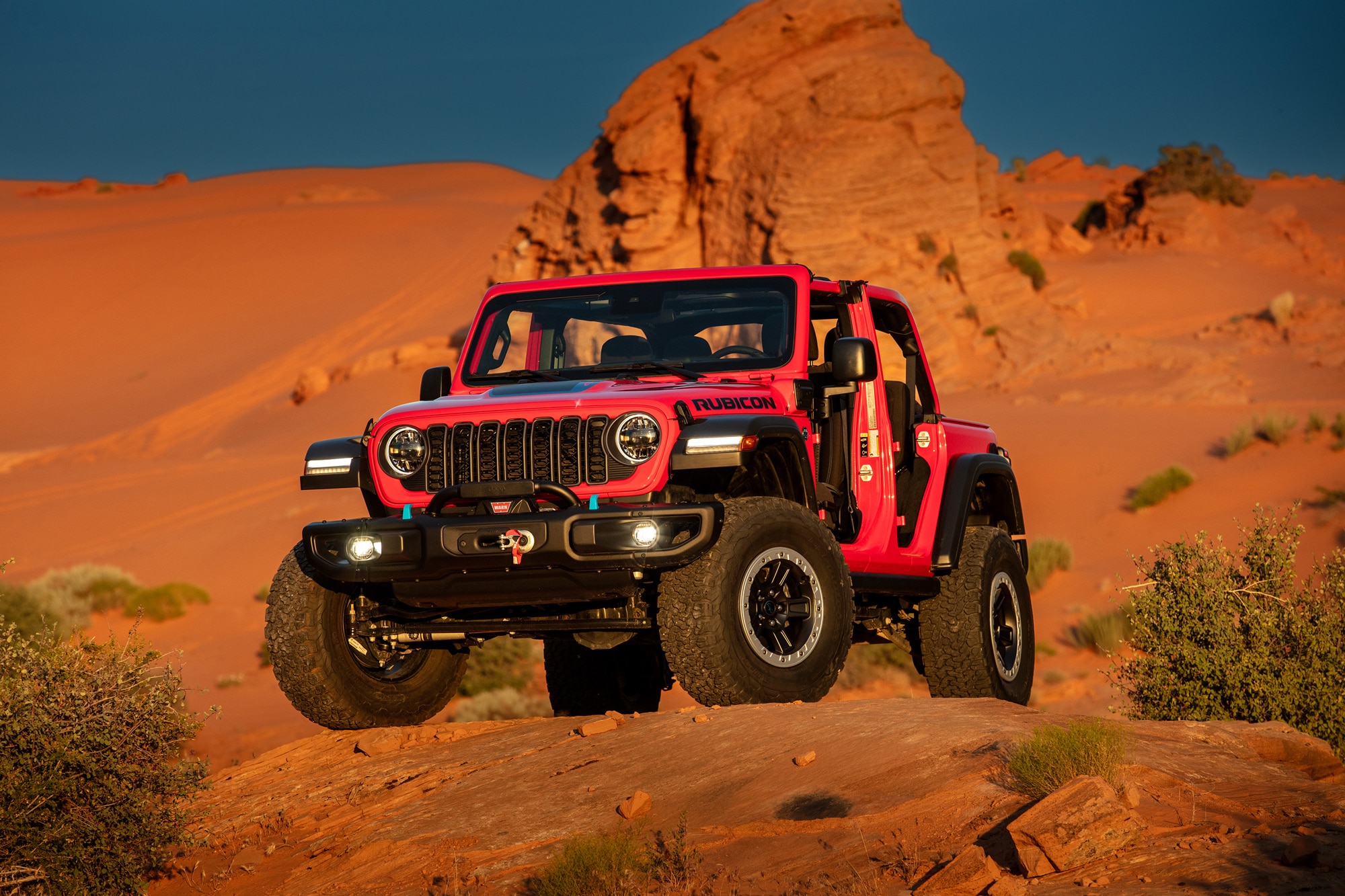
No, it’s mostly available on lower and mid-level trims. High-end models like the Rubicon often offer both, but always check before buying.
How Much Does It Cost To Replace The Wrangler’s Clutch?
Clutch replacement costs range from $800 $1,400, depending on parts and labor. It’s less frequent than automatic transmission repairs.
Can The Manual Wrangler Tow As Much As The Automatic?
Both transmissions have similar tow ratings, but the automatic is a bit easier for towing heavy loads due to smoother power delivery.
If you want more details on Jeep Wrangler specs and options, check the official Jeep website.
The Jeep Wrangler manual transmission offers an old-school driving feel that connects you to the road and nature. Whether you’re off-roading or just enjoying a weekend drive, it brings a level of control and excitement that’s hard to match.
For those who value hands-on driving and adventure, the manual Wrangler remains a top choice.