The Jeep Wrangler JL is an icon. It’s built for adventure, for off-roading, for getting you to places other vehicles can’t.
But even the toughest off-roader needs to see where it’s going, especially when the weather turns foul. That’s where Jeep Wrangler JL windshield wipers come in.
These aren't just simple rubber blades; they are crucial safety components that keep your view clear, whether you're battling a sudden downpour on a mountain trail or a dust storm in the desert.
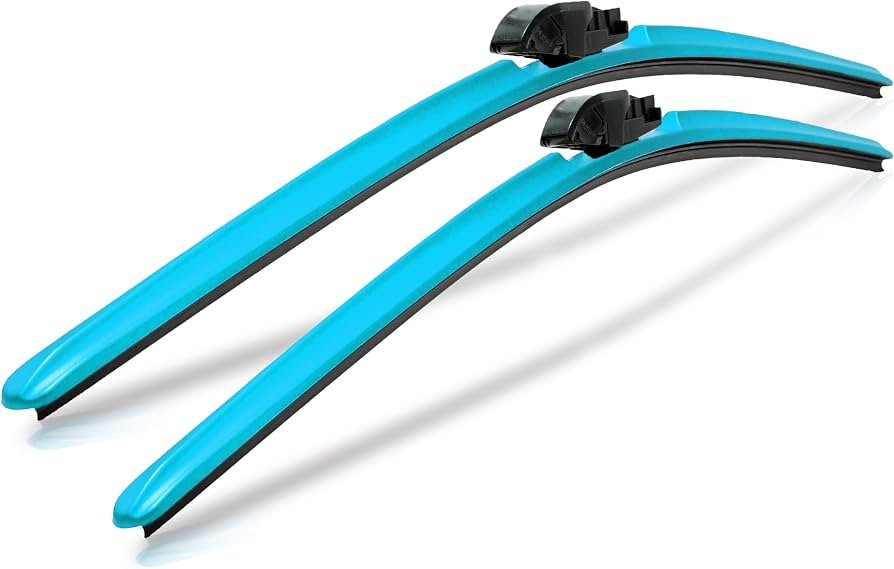
Choosing the right wipers for your JL is more important than you might think. The wrong ones can smear, streak, chatter, or even freeze up, turning a potentially manageable situation into a dangerous one.
This guide will walk you through everything you need to know about Jeep Wrangler JL windshield wipers, from understanding the different types available to how to maintain them for optimal performance.
We’ll cover sizing, installation, common problems, and tips to ensure your wipers are always ready when you need them most.
Understanding Windshield Wiper Technology For Your Jl
Windshield wipers have evolved significantly over the years. Gone are the days of simple metal frames with basic rubber blades.
Modern wipers are designed for better performance, durability, and a cleaner sweep. For your Jeep Wrangler JL, understanding these advancements helps you make an informed choice.
Types Of Windshield Wipers
There are three main types of windshield wipers you’ll encounter for your JL:
- Conventional Wipers: These are the traditional style, featuring a metal frame with multiple pivot points that hold the rubber blade. They are generally the most affordable option. However, the exposed metal frame can collect snow and ice, reducing their effectiveness in harsh winter conditions. The multiple contact points also mean they might not conform perfectly to the JL’s curved windshield, potentially leaving small streaks.
- Beam Wipers: These are a more modern design. Instead of a metal frame, they have a single, flexible tension spring that runs the length of the rubber blade. This spring applies even pressure across the windshield, creating a superior contact. Beam wipers have a lower profile, are less likely to accumulate snow and ice, and offer a cleaner, quieter wipe. They are often the preferred choice for many JL owners due to their sleek design and improved performance.
- Hybrid Wipers: As the name suggests, hybrid wipers combine features of both conventional and beam designs. They have an internal frame structure, similar to conventional wipers, but this frame is covered by an aerodynamic plastic or rubber casing. This casing helps to keep the blade clean from debris and ice, while the internal structure provides the necessary pressure points for a good wipe. They offer a good balance of performance, durability, and aesthetics, often performing as well as or better than beam wipers.
Wiper Blade Materials
The material of the wiper blade itself is also critical. Most blades are made from rubber, but the quality and type of rubber can vary significantly.
- Natural Rubber: This is the most common material. It’s flexible and effective for general use. However, natural rubber can degrade faster when exposed to UV rays, heat, and ozone. It’s also more susceptible to freezing.
- Synthetic Rubber: Some higher-quality blades use synthetic rubber compounds. These are often blended with graphite or Teflon to improve their durability, resistance to UV and heat, and to provide a smoother, quieter wipe.
- Silicone Blades: These are the premium option. Silicone blades are much more durable and resistant to extreme temperatures (both hot and cold) and UV damage. They can last significantly longer than rubber blades and provide an exceptionally smooth and quiet wipe. While more expensive upfront, their longevity can make them cost-effective in the long run.
Sizing Your Jeep Wrangler Jl Windshield Wipers
Getting the right size for your Jeep Wrangler JL windshield wipers is essential for proper coverage and performance. An incorrect size can lead to missed spots, reduced visibility, and even damage to your windshield or wiper system.
The Jeep Wrangler JL typically uses different sizes for the driver and passenger side wipers. It’s crucial to confirm the exact sizes for your specific model year.
Standard Wiper Sizes For Jeep Wrangler Jl
For most Jeep Wrangler JL models (2018 and newer), the standard wiper blade sizes are:
- Driver Side: 22 inches
- Passenger Side: 20 inches
Important Note: While these are the most common sizes, it’s always best to double-check your owner’s manual or measure your existing blades. Different trim levels or aftermarket modifications might occasionally require slightly different sizes.
How To Measure Your Wiper Blades
If you’re unsure or want to confirm, you can measure your existing blades.
- Remove the Wiper Blade: Carefully lift the wiper arm away from the windshield. Most wiper blades have a small tab or button that you press to release the blade from the arm.
- Measure the Length: Lay the blade flat on a ruler or measuring tape. Measure from the tip of the blade to the tip of the other end. This measurement is the size you need.
- Check the Connector Type: Pay attention to how the blade attaches to the wiper arm. The most common type for the JL is the J-hook connector. However, other types exist, so ensure your new blades have the correct connector.
Why Correct Sizing Matters
- Full Coverage: Correctly sized blades ensure the entire sweep area of your windshield is cleaned. Too short, and you’ll have un-wiped areas in the corners. Too long, and the blade might hit the window trim or not sit correctly, leading to poor contact and streaking.
- Arm Stress: Wipers that are too long can put excessive stress on the wiper motor and arms, potentially leading to premature wear or failure.
- Windshield Damage: A blade that’s too long or improperly fitted could potentially scratch or chip your windshield if it catches on the edges.
Installing New Windshield Wipers On Your Jl
Replacing your Jeep Wrangler JL windshield wipers is a straightforward DIY task that can significantly improve your visibility and driving safety. Most wiper blades are designed for easy installation without special tools.
Step-by-step Installation Guide
- Prepare Your Workspace: Park your Jeep on a level surface and turn off the engine. Lift the wiper arms away from the windshield. Pro Tip: Place a soft towel or cloth on the windshield beneath the wiper arms before lowering them. This prevents the metal arm from accidentally snapping down and cracking the glass if you lose your grip.
- Remove the Old Wiper Blade:
- Locate the release tab or button on the wiper blade where it connects to the wiper arm.
- For J-hook connectors, you’ll typically press a small tab on the underside of the blade’s plastic housing and slide the blade off the hook. Some might require you to lift a small lock.
- Gently pull the old blade away from the arm.
- Attach the New Wiper Blade:
- Unpack your new wiper blade. It will likely come with different adapter heads for various connector types. Select the adapter that matches your wiper arm’s connector (usually a J-hook for the JL).
- Align the new blade’s connector with the wiper arm hook.
- Slide the blade onto the hook until you hear or feel a click. This indicates it’s securely locked in place.
- Gently tug on the blade to ensure it’s firmly attached.
- Test the New Wipers:
- Carefully lower the wiper arms back onto the windshield.
- Turn on your Jeep and activate the wipers.
- Spray some windshield washer fluid to test their performance. Check for smooth operation, even pressure, and a clean sweep across the entire windshield. Ensure there are no skips, streaks, or chattering noises.
Common Installation Mistakes To Avoid
- Forcing the Blade: Never force a wiper blade onto the arm. If it doesn’t slide on easily with a click, double-check that you have the correct adapter and that it’s properly aligned.
- Dropping the Arm: Always use a protective towel on the windshield. A snapping metal arm can cause significant damage.
- Incorrect Size/Connector: Ensure you bought the correct size and type of connector for your JL. Trying to fit the wrong blade will not work and could damage the components.
- Not Securing the Blade: Always give the new blade a gentle tug to confirm it’s locked onto the arm. A loose blade can fly off while driving, posing a serious safety hazard.
Maintaining Your Jeep Wrangler Jl Windshield Wipers
Proper maintenance is key to ensuring your Jeep Wrangler JL windshield wipers last longer and perform at their best. Regular care can prevent premature wear and tear, saving you money and ensuring clear visibility when you need it most.
Cleaning Your Wiper Blades
Wiper blades accumulate dirt, road grime, salt, and other debris. This buildup can cause streaking and damage the rubber.
- Frequency: Clean your blades at least once a month, or more often if you drive in dusty or dirty conditions.
- Method: Lift the wiper arms away from the windshield. Use a clean cloth dampened with plain water or a 50/50 mixture of water and isopropyl alcohol. Gently wipe down the rubber edge of the blade. Avoid using harsh chemicals or abrasive cleaners, as these can damage the rubber.
- Rinsing: After cleaning, rinse the blades with plain water to remove any residue.
Keeping The Windshield Clean
A clean windshield is just as important as clean wiper blades. Dirt and debris on the glass can wear down the rubber edges faster and contribute to streaking.
- Regular Washing: Wash your windshield regularly with a good quality car wash soap and water.
- Bug and Tar Remover: For stubborn spots like bug splatter or tar, use a dedicated bug and tar remover. Apply it carefully and rinse thoroughly.
- Washer Fluid: Always use a quality windshield washer fluid. In winter, ensure it’s rated for freezing temperatures. Avoid using plain water, as it can freeze and cause damage.
Protecting Blades From The Elements
- Sun Exposure: Prolonged exposure to direct sunlight and UV rays can cause rubber blades to dry out, crack, and become brittle. When parked for extended periods, consider using a sunshade or parking in a shaded area. Some owners also use silicone-based protectants on the rubber, but apply sparingly to avoid residue.
- Ice and Snow: In freezing climates, never try to force your wipers to move if they are frozen to the windshield. This can tear the rubber or damage the wiper motor. Instead, use your defroster to melt the ice. You can also carefully lift the wiper arms off the glass and place them in a plastic bag or cover them with a wiper blade cover designed for winter use.
When To Replace Your Wiper Blades
Wiper blades are wear-and-tear items and need to be replaced periodically. Most manufacturers recommend replacing them every 6 to 12 months, depending on climate and usage.
Look out for these signs that indicate it’s time for new blades:
- Streaking: If the wipers leave noticeable streaks or lines on the windshield, even after cleaning.
- Chattering or Squeaking: If the blades make a loud noise as they move across the glass.
- Skipping or Jumping: If the blades don’t move smoothly and instead skip or jump across the windshield.
- Cracked or Torn Rubber: Visible damage to the rubber edge of the blade.
- Bent Frame: If the metal frame of conventional wipers appears bent or damaged.
- Reduced Visibility: If you simply notice that your wipers are no longer clearing the windshield effectively, especially in heavy rain.
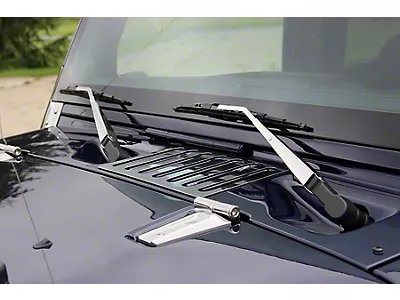
Troubleshooting Common Wiper Problems
Even with proper maintenance, you might encounter issues with your Jeep Wrangler JL windshield wipers. Understanding common problems and their solutions can help you address them quickly and maintain optimal visibility.
Streaking Or Smearing
This is the most common wiper problem. It means the blades aren’t clearing the water effectively.
- Cause: Dirty blades, worn-out rubber, uneven pressure from the wiper arm, or a dirty windshield.
- Solution:
- Clean the blades and windshield thoroughly as described in the maintenance section.
- Check the wiper arm pressure. Ensure the arm is not bent and is applying firm, even pressure against the glass. If it seems weak, the spring in the arm might be failing.
- Inspect the blade rubber. If it’s cracked, torn, or appears hardened, the blade needs replacement.
- Try a different brand or type of blade. Sometimes, a specific blade just doesn’t work well with the contour of the JL windshield. High-quality silicone or beam blades often provide a superior clean.
Chattering Or Squeaking
This annoying noise occurs when the blade vibrates or skips across the glass.
- Cause: Dry rubber, dirt buildup, worn-out rubber, or bent wiper arm.
- Solution:
- Lubricate the rubber edge: Sometimes, a little bit of washer fluid or even a tiny amount of windshield wiper fluid additive can help smooth the operation.
- Clean the blades and windshield: Dirt is a primary cause of chattering.
- Check the wiper arm: Ensure it’s not bent and is applying consistent pressure. A bent arm can cause uneven contact and vibration.
- Replace the blades: Worn-out rubber is often the culprit. New, high-quality blades should resolve this.
Wiper Blades Not Moving Or Moving Slowly
This indicates a problem with the wiper motor or the linkage system.
- Cause: Failed wiper motor, broken linkage, blown fuse, or obstruction.
- Solution:
- Check the fuse: Consult your owner’s manual to locate the fuse for the windshield wipers and check if it has blown. Replace if necessary.
- Inspect for obstructions: Ensure nothing is physically blocking the wiper arms (e.g., ice, debris, or a foreign object).
- Listen for the motor: Turn on the wipers. Can you hear the motor trying to work? If you hear a humming sound but no movement, the linkage might be disconnected or broken. If you hear nothing, the motor itself might have failed.
- Professional Inspection: If the fuse is good and there are no obstructions, the issue likely lies with the wiper motor or linkage. This will require a visit to a mechanic for diagnosis and repair.
Wiper Smearing Only In One Area
This usually means poor contact in a specific spot.
- Cause: A localized bend in the wiper arm, a worn spot on the blade, or a curvature issue on the windshield.
- Solution:
- Inspect the wiper arm: