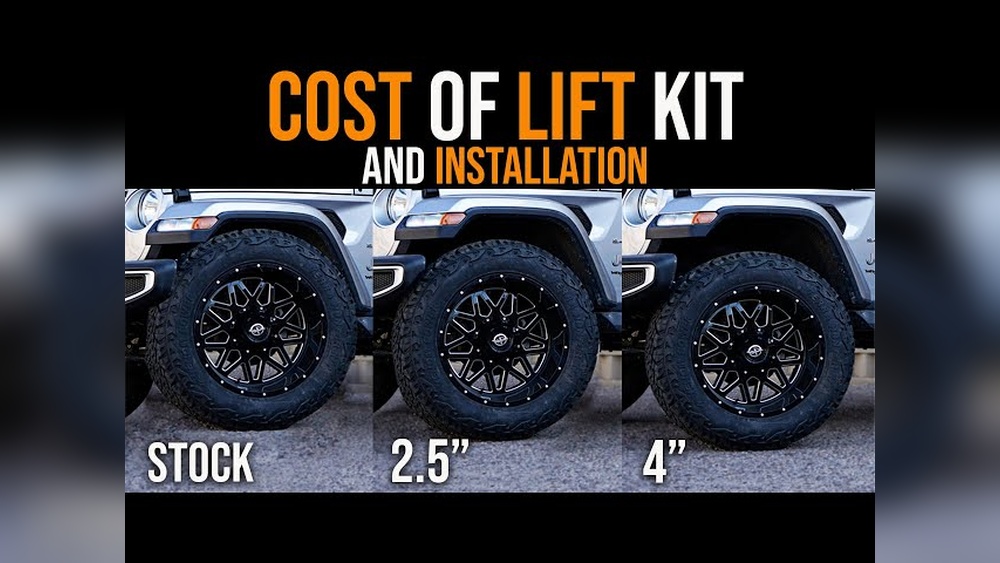
Choosing the right Jeep Wrangler JK wheel size is more than just picking something that looks good. It’s about how your Jeep performs, how it handles different terrains, and even how it feels to drive every day.
The JK generation of the Wrangler, produced from 2007 to 2018, is a popular choice for off-road enthusiasts and daily drivers alike, and its wheel and tire fitment is a key part of its character.
Understanding wheel sizes involves more than just the diameter. You need to consider the width, the offset (or backspacing), and how these factors interact with your JK’s suspension and fenders. Getting this right can transform your driving experience, whether you’re crawling over rocks, cruising on the highway, or just want your JK to stand out. Getting it wrong, however, can lead to rubbing, poor handling, and even damage to your vehicle. This guide will break down everything you need to know about JK Wrangler wheel sizes, from stock specifications to popular aftermarket upgrades, helping you make informed decisions for your specific needs.
Understanding Jeep Wrangler Jk Wheel Specifications
Before diving into specific sizes, it’s crucial to understand what each number means when looking at wheels. A wheel’s specification is usually presented as a series of numbers and letters, like 17×9 +0. Let’s break this down.
Wheel Diameter And Width
The first number, 17 in our example, refers to the wheel diameter in inches. This is the measurement across the center of the wheel. The Jeep Wrangler JK came with various factory wheel diameters, typically ranging from 16 inches to 18 inches. Aftermarket wheels can be found in a much wider range of diameters, from 15 inches all the way up to 24 inches or more, though larger diameters are less common for serious off-roading.
The second number, 9, indicates the wheel width in inches. This is the distance between the inner wheel lips. A wider wheel can accommodate a wider tire, which can offer better traction and stability, especially off-road. However, excessively wide wheels can also cause issues with tire mounting and may not be suitable for all tire types.
Offset And Backspacing: The Critical Fitment Factors
These two terms often cause confusion, but they are vital for understanding how a wheel will fit on your JK.
Offset measures the position of the wheel’s mounting surface relative to the wheel’s centerline.
- Positive (+) offset: The mounting surface is closer to the outside of the wheel. This tucks the wheel inward.
- Negative (-) offset: The mounting surface is closer to the inside of the wheel. This pushes the wheel outward.
- Zero (0) offset: The mounting surface is exactly in the center of the wheel.
Backspacing is the distance from the back of the wheel (the mounting surface) to the outer lip of the wheel. It’s measured in inches.
- Less backspacing (more negative offset) pushes the wheel further out from the hub, potentially causing it to stick out past the fender.
- More backspacing (more positive offset) tucks the wheel further into the fender well.
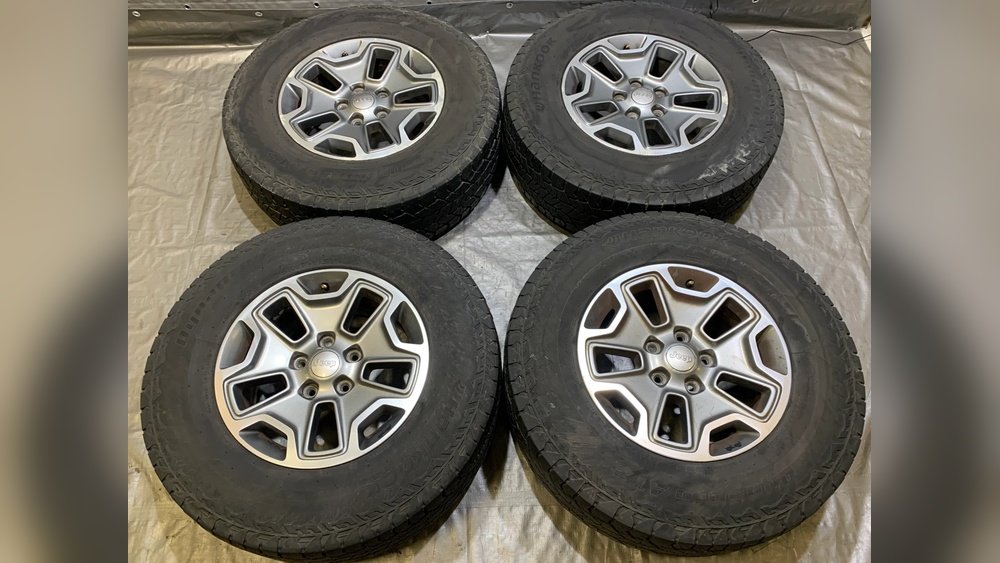
For the Jeep Wrangler JK, the stock wheels typically have a negative offset or low backspacing. This is designed to push the wheels out slightly, which is beneficial for off-road stability and allowing more room for suspension components. Aftermarket wheels often feature more aggressive negative offsets to accommodate larger tires and achieve a wider stance.
Bolt Pattern
The bolt pattern (also known as lug pattern) refers to the number of lug nuts and the diameter of the circle they form. The Jeep Wrangler JK uses a 5×5 inch (5x127mm) bolt pattern. This means there are 5 lug nuts arranged in a circle with a diameter of 5 inches. It’s crucial that any aftermarket wheel you choose has the correct bolt pattern for your JK.
Stock Wheel And Tire Sizes For The Jeep Wrangler Jk
Jeep offered the JK in various trims and configurations, which often came with different wheel and tire sizes from the factory. Understanding these stock sizes gives you a baseline for potential upgrades.
Base Models (sport, X)
- Wheels: Typically 16-inch or 17-inch diameter wheels.
- Tires: Common stock tire sizes include:
- 225/75R16 (approx. 29.3 inches diameter)
- 255/75R17 (approx. 32 inches diameter)
These sizes are designed for a balance of on-road comfort and basic off-road capability. They provide good ground clearance without excessive rubbing issues in most driving conditions.
Higher Trims (sahara, Rubicon)
- Wheels: Often came with 17-inch or 18-inch wheels.
- Tires:
- Sahara models frequently featured 255/70R18 (approx. 32.1 inches diameter) tires.
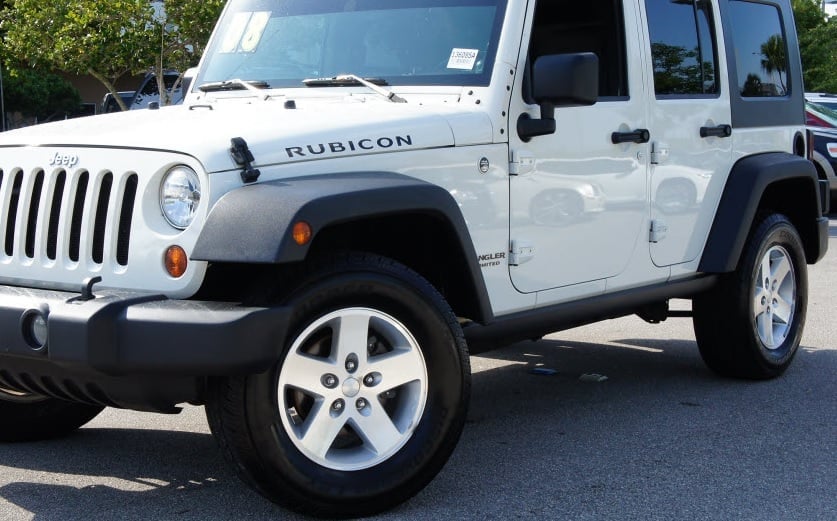
- Rubicon models, known for their off-road prowess, often came with 255/75R17 (approx. 32 inches diameter) mud-terrain tires, offering better grip for challenging trails.
The Rubicon, in particular, is equipped with features like Dana 44 axles and higher fender flares to accommodate slightly larger tires and more suspension travel.
Understanding Tire Sizing: 255/75r17
Let’s break down a common JK tire size like 255/75R17:
- 255: The tire width in millimeters (255mm).
- 75: The aspect ratio, which is the tire’s sidewall height as a percentage of its width. So, the sidewall height is 75% of 255mm.
- R: Indicates a radial construction.
- 17: The wheel diameter in inches that the tire fits.
This understanding is key when you start looking at aftermarket options, as you’ll be matching tire dimensions to wheel dimensions.
Popular Aftermarket Wheel Sizes For The Jk Wrangler
The aftermarket offers a vast array of wheel sizes designed to enhance the look and performance of your JK. When choosing, consider your intended use: daily driving, light off-roading, or serious rock crawling.
Common Aftermarket Wheel Diameters
- 15-inch wheels: These are popular for extreme off-roaders. They allow for a taller sidewall on the tire, which provides better articulation, shock absorption, and a larger contact patch with the ground. However, they can sometimes interfere with larger brake components on some JK models.
- 17-inch wheels: This is arguably the most popular aftermarket size for the JK. They offer a good balance, allowing for decent tire sidewall height while also accommodating larger brake upgrades. Most aftermarket tire sizes designed for off-roading are readily available for 17-inch wheels.
- 18-inch wheels: A good choice if you want a more street-oriented look or plan to run larger, more aggressive all-terrain tires. They offer less sidewall than 17-inch wheels, which can provide a firmer ride and better steering response on pavement.
- 20-inch and larger wheels: These are primarily for aesthetic purposes, giving the JK a more aggressive, street-rod look. They typically require very low-profile tires, which are not ideal for off-road use and can result in a harsher ride.
Common Aftermarket Wheel Widths And Offsets
- Wheel Width: Common aftermarket widths for the JK range from 8 inches to 10 inches.
- 8-inch wide wheels: Often paired with tires in the 10.5-inch to 12.5-inch range.
- 9-inch wide wheels: A very popular choice, pairing well with tires from 12.5 inches to 13.5 inches wide. This width provides good support for wider tires.
- 10-inch wide wheels: Used for very wide tires (e.g., 14.5 inches or larger) or for those seeking a specific stance.
- Offset/Backspacing: For the JK, aftermarket wheels often feature negative offsets or low backspacing to push the wheels out.
- 0 offset (4.5 inches of backspacing): A common choice that pushes the wheel out about 0.5 inches compared to stock, providing a slightly wider stance.
- -10 offset (4.0 inches of backspacing): Pushes the wheel out further, giving a more aggressive look and more clearance for suspension components. This is a very popular choice for 35-inch tires.
- -12 offset and more negative: For even wider stances, often used with 37-inch tires and larger, or when running fender flares.
Tire Size Considerations With Aftermarket Wheels
When you change wheel size, you’ll almost always change tire size too. Here are some popular aftermarket tire sizes for the JK and what they generally require:
- 33-inch Tires: (e.g., 285/70R17 or 33×12.50R15)
- Wheel Size: 15×8, 17×8, 17×9
- Offset/Backspacing: 0 to -12 offset (4.5 to 4.0 inches backspacing)
- Modifications: Generally fit with minimal or no modifications, especially on Rubicon models. Some minor trimming or fender liner adjustment might be needed on Sport/Sahara models, especially when off-roading.
- 35-inch Tires: (e.g., 285/75R17, 315/70R17, or 35×12.50R17)
- Wheel Size: 17×8.5, 17×9
- Offset/Backspacing: -10 to -12 offset (4.0 to 3.75 inches backspacing) is ideal.
- Modifications: Requires fender trimming or aftermarket fenders, a re-geared differential for better performance (especially with automatic transmissions), and often longer shock absorbers. You might also need to adjust the Crank Posi-Lok on the steering pump.
- 37-inch Tires: (e.g., 37×12.50R17)
- Wheel Size: 17×9, 17×10
- Offset/Backspacing: -12 offset or more negative (3.5 inches backspacing or less).
- Modifications: Significant modifications are necessary. This includes heavy-duty suspension components, re-gearing the axles (often to 4.56 or 4.88), potentially stronger axles, body lift, fender trimming, and extended brake lines.
How Wheel Size Affects Performance And Driving
Changing your Jeep Wrangler JK wheel size has a direct impact on various aspects of your driving experience.
Off-road Performance
- Tire Diameter: Larger tire diameters generally offer better ground clearance, allowing you to roll over obstacles more easily. They also increase the effective gear ratio, which can be helpful for crawling.
- Tire Width: Wider tires provide a larger contact patch with the ground, improving traction on loose surfaces like sand, mud, and rocks. They also help distribute the vehicle’s weight, reducing the likelihood of sinking in soft terrain.
- Sidewall Height: Taller tire sidewalls (achieved with smaller wheel diameters like 15-inch or 17-inch) allow for lower tire pressures. Lower pressures let the tire conform better to uneven surfaces, increasing traction and providing a smoother ride over rocks and ruts.
- Wheel Offset/Backspacing: Pushing wheels out with negative offset can improve stability by widening the vehicle’s track. It also provides more clearance for suspension components and larger brake kits.
On-road Performance
- Ride Comfort: Smaller wheel diameters with taller tire sidewalls generally offer a more comfortable ride, as the sidewall acts as a cushion. Larger wheels with low-profile tires transmit more road imperfections to the cabin.
- Handling: Larger wheels paired with lower-profile tires can offer sharper steering response and reduced tire flex during cornering. This can make the JK feel more planted on paved roads.
- Fuel Economy: Larger and heavier wheels and tires generally decrease fuel efficiency due to increased rolling resistance and the engine having to work harder to move the extra mass.
- Braking: Larger wheels can sometimes accommodate larger brake rotors and calipers, potentially improving braking performance. However, if you downsize wheels significantly (e.g., to 15-inch), ensure they clear your JK’s brake system.
Factors To Consider When Upgrading
When planning a wheel and tire upgrade, think about:
- Intended Use: Will you be mostly on-road, or are you planning serious off-roading?
- Modifications Required: Are you willing to lift your JK, trim fenders, or re-gear axles? Larger tires almost always require some form of modification.
- Cost: Larger wheels, aggressive tires, and necessary modifications can become expensive quickly.
- Tire Availability: Ensure the tires you want are readily available in the size and type you need for your chosen wheels.
- Aesthetics: While performance is key, how the wheels and tires look is also important to many owners.
Common Tire And Wheel Combinations For The Jk Wrangler
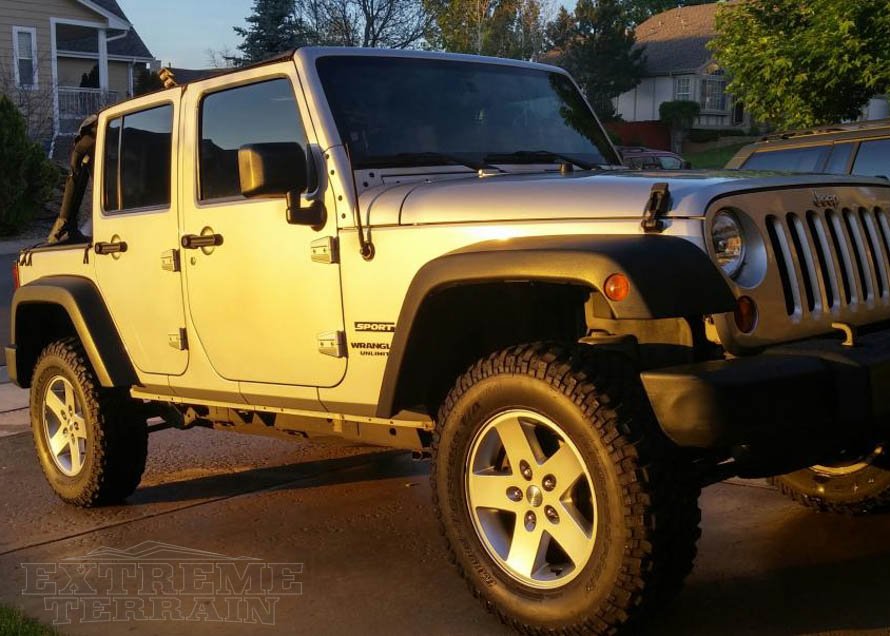
Here are some popular combinations that JK owners opt for, along with the typical modifications needed.
1. The “near Stock” Upgrade (33-inch Tires)
- Wheel Size: 17×8.5 or 17×9
- Tire Size: 285/70R17 (approx. 33 inches tall, 11.2 inches wide) or 33×12.50R17
- Offset/Backspacing: 0 to -12 offset (4.5 to 4.0 inches backspacing)
- Modifications: Often fits with minimal to no modifications on most JKs, especially if you have a 2-door model or a Sahara/Rubicon with slightly higher fenders. You might experience minor rubbing at full steering lock or during hard articulation off-road. Adjusting the steering stops or adding a small leveling kit can resolve this. This is a great entry-level