Understanding Jeep Wrangler Jk Wheel Size: A Comprehensive Guide
The Jeep Wrangler JK, produced from 2007 to 2018, is an iconic off-road vehicle celebrated for its rugged capability and customizable nature. Among the most significant modifications enthusiasts consider is changing the wheel size.
Selecting the right Jeep Wrangler JK wheel size can dramatically impact performance, aesthetics, and overall driving experience, both on and off the pavement.
This guide will explore everything you need to know about JK wheels, from factory specifications to popular aftermarket options and the crucial considerations involved in making the best choice for your needs.
Understanding wheel sizing involves more than just the diameter. It encompasses the wheel width, offset, backspacing, and the tire size that will be mounted on it. Each of these factors plays a vital role in how the wheel and tire package fits and functions on your Wrangler JK. Incorrect choices can lead to rubbing issues, compromised handling, or even damage to your vehicle’s suspension and drivetrain components. Therefore, a thorough understanding is essential before you invest in new wheels.
Factory Wheel And Tire Specifications For Jeep Wrangler Jk
Before diving into aftermarket options, it’s helpful to know what your Jeep Wrangler JK came with from the factory. This provides a baseline for understanding how different sizes will compare. The JK generation offered several trim levels, and some variations existed, but the most common factory wheel and tire sizes are as follows:
- Base Models (Sport, X): Typically equipped with 16-inch wheels and 29-inch tires (like 225/75R16).
- Higher Trims (Sahara, Rubicon): Often came with 17-inch wheels and 32-inch tires (like 255/75R17). The Rubicon, in particular, was geared for off-road prowess and usually featured larger, more aggressive tires.
These factory sizes are designed to balance on-road comfort, fuel efficiency, and reasonable off-road capability. However, for those seeking enhanced off-road performance, larger tires, or a more aggressive stance, aftermarket wheels are a popular route.
Key Wheel Specifications Explained
When you start looking at aftermarket wheels, you’ll encounter several technical terms. Understanding these is crucial for making an informed decision.
Wheel Diameter
This is perhaps the most obvious specification. It refers to the size of the wheel from one outer edge to the other, measured in inches. Common diameters for JK Wranglers include:
- 15-inch: Popular for fitting larger tires with more sidewall (flex) for off-roading. Requires careful consideration of brake clearance.
- 16-inch: A common factory size, also available aftermarket.
- 17-inch: Another factory standard, offering a good balance between tire sidewall and brake clearance.
- 18-inch and larger: Primarily for aesthetic appeal, offering less tire sidewall, which can be less ideal for hardcore off-roading but can provide a sportier on-road feel.
Wheel Width
This measurement, also in inches, refers to the distance between the inner mounting surfaces of the wheel. Wider wheels can accommodate wider tires, which can improve traction and stability. However, excessively wide wheels can lead to rubbing issues or require significant suspension modifications. Common widths for JK Wranglers range from 7 inches to 10 inches or even wider.
Bolt Pattern
The bolt pattern (or lug pattern) describes the arrangement of the wheel’s bolt holes. For the Jeep Wrangler JK, the bolt pattern is 5×5 inches (or 5x127mm). This means there are five bolt holes spaced evenly around a 5-inch diameter circle. It’s essential to match the bolt pattern of the aftermarket wheels to your JK’s hub to ensure a secure fit.
Offset And Backspacing
These two terms are often confused but are critical for proper fitment and avoiding rubbing. They both relate to how the wheel sits in relation to the vehicle’s hub and suspension.
- Offset: This is the distance from the centerline of the wheel to the mounting surface (where the wheel bolts to the hub).
- A positive offset means the mounting surface is closer to the outside of the wheel. This tucks the wheel in.
- A negative offset means the mounting surface is closer to the inside of the wheel. This pushes the wheel out, creating a wider stance.
- A zero offset means the mounting surface is exactly at the centerline of the wheel.
- Backspacing: This is the distance from the back of the wheel mounting surface to the outer lip of the wheel.
- Lower backspacing (more negative offset) pushes the wheel outward.
- Higher backspacing (more positive offset) tucks the wheel inward.
For the Jeep Wrangler JK, the factory offset is typically around +40mm to +44mm, with a backspacing of about 5.25 inches to 5.5 inches. Aftermarket wheels often have 0mm offset or negative offsets to achieve a more aggressive look and accommodate larger tires.
Pro Tip: When choosing wheels with different offsets or backspacing than stock, always consider the potential for tire rub against the fenders, control arms, sway bar, or brake components. A common recommendation for aftermarket wheels on a JK is a 0mm offset with 4.5 inches of backspacing to allow for larger tires without excessive rubbing on stock suspension.
Common Wheel Sizes For Jeep Wrangler Jk Modifications
Many Jeep Wrangler JK owners opt for aftermarket wheels to achieve a specific look or to accommodate larger tires for enhanced off-road performance. Here are some of the most popular wheel sizes and considerations:
15-inch Wheels
- Pros: Allow for the largest tire sidewall, providing excellent flexibility for crawling over rocks and uneven terrain. Often the most affordable wheel option. Can offer better ground clearance for the axle itself when aired down.
- Cons: May not clear larger brake calipers found on some JK models, especially Rubicon trims. Less tire sidewall means a harsher ride on-road.
- Common Tire Sizes: 33-inch to 37-inch tires.
- Considerations: Always verify brake caliper clearance before purchasing. You will likely need to trim fenders or install fender flares for larger tires. A lift kit is often required.
17-inch Wheels
- Pros: The most versatile option. Offers a good balance between tire sidewall for off-roading and clearance for larger brake systems. Wide availability of tire options. Less likely to require fender trimming compared to 15-inch wheels with the same tire size.
- Cons: Less tire sidewall than 15-inch wheels, potentially offering less flex for extreme rock crawling.
- Common Tire Sizes: 33-inch to 37-inch tires, and even up to 40-inch tires with significant modifications.
- Considerations: This is the most popular size for JK owners. A 0mm offset with 4.5 inches of backspacing is a common and effective choice for accommodating 35-inch tires with minimal rubbing.
18-inch And Larger Wheels
- Pros: Offer a sleek, modern appearance. Can provide a firmer on-road feel.
- Cons: Significantly reduces tire sidewall, which is detrimental to off-road comfort and capability. Tire options are more limited and often more expensive for off-road use. Can be heavier.
- Common Tire Sizes: Generally paired with larger diameter wheels for aesthetic reasons, often with on-road or mild all-terrain tires.
- Considerations: Primarily for owners focused on street style rather than hardcore off-roading.
Tire Size Vs. Wheel Size: The Interplay
It’s impossible to discuss wheel size without also considering tire size. The wheel is just the mounting point for the tire, and together they determine your vehicle’s final tire diameter, ground clearance, and gearing.
- Tire Diameter: The overall height of the tire. Larger tires increase ground clearance and can make your gearing feel higher (slower acceleration, lower RPM at highway speed).
- Tire Width: Wider tires offer more contact patch for better traction, especially off-road.
- Tire Sidewall: The height of the rubber between the wheel rim and the tire tread. More sidewall provides a softer ride and more “flex” when aired down for off-roading.
When you change your wheel size, you’ll typically pair it with a different tire size to achieve your desired overall tire diameter. For example, moving from a 17-inch wheel with a 32-inch tire to a 15-inch wheel might allow you to fit a 35-inch tire while still having a decent amount of sidewall.
Conversely, moving to an 18-inch wheel might mean using a shorter tire to maintain a similar overall diameter, resulting in less sidewall.
Common Tire Sizes And Lift Requirements
Many JK owners aim to fit larger tires for improved off-road performance. Here’s a general guide to common tire sizes and the typical lift requirements:
| Tire Size (Overall Diameter) | Common Wheel Diameter | Typical Lift Required | Fender Trimming / Body Mount Chop (BMC) | Rubbing Potential (Stock Suspension) |
|---|---|---|---|---|
| 31-inch | 15″, 16″, 17″ | None | None | Minimal |
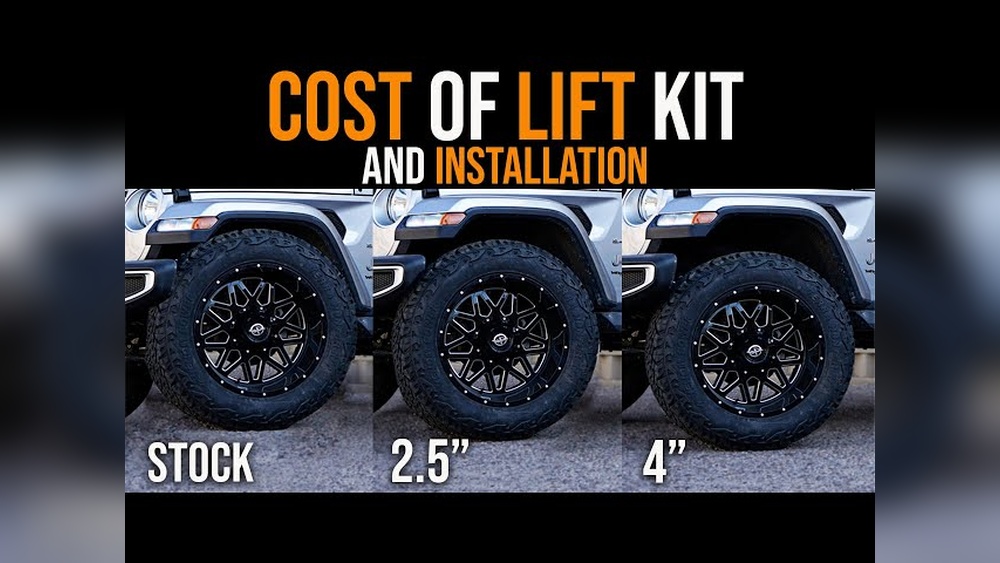
| 33-inch | 15″, 16″, 17″ | 2-inch | Minor fender trim | Possible, especially at full flex |
| 35-inch | 15″, 17″ | 2.5-inch to 3.5-inch | Moderate fender trim, potentially BMC | Likely, especially at full flex |
| 37-inch | 17″ | 4-inch+ | Significant fender trim, BMC, suspension mods | High, significant modification needed |
Note: These are general guidelines. Actual fitment can vary based on wheel offset, backspacing, fender type (stock, aftermarket flares), suspension travel, and even minor variations in tire manufacturing.
Calculating Gear Ratio Impact
When you increase tire size, you effectively change your Jeep’s gear ratio. Larger tires require more torque to turn, which can lead to:
- Reduced Acceleration: Your Jeep will feel sluggish.
- Lower Fuel Economy: The engine has to work harder.
- Increased Strain on Drivetrain: Especially noticeable when towing or climbing hills.
To compensate for larger tires (generally 33 inches and above), many owners re-gear their axles. Common re-gear ratios for a Wrangler JK with 35-inch tires include 4.10 (for manual transmissions) or 4.56/4.88 (for automatic transmissions) to bring performance back to near-stock levels.
In my experience, failing to address the gearing after installing 35-inch tires on an automatic JK can make daily driving frustratingly slow.
Popular Aftermarket Wheel Brands And Styles
The aftermarket offers a vast array of wheel brands and styles for the Jeep Wrangler JK. Some popular choices include:
- Method Race Wheels: Known for their durable, beadlock-capable wheels and aggressive designs.
- Fuel Off-Road: Offers a wide range of styles from classic to extreme, often with large lip designs.
- Rugged Ridge: Provides a good balance of style, durability, and affordability.
- AEV (American Expedition Vehicles): Offers high-quality, functional wheels designed specifically for Jeep performance, like their Pintler and Katla models.
- TeraFlex: A well-respected brand for suspension and wheel components, offering robust wheel designs.
- Black Rhino: Known for their tough, stylish wheels with a focus on off-road performance.
Styles range from classic five-spoke designs to intricate multi-spoke patterns, simulated beadlocks, and true beadlock wheels for extreme off-roading. Finishes include matte black, gloss black, machined, chrome, and various color options.
Considerations For Rubicon Vs. Non-rubicon Models
The Jeep Wrangler JK Rubicon comes equipped with Dana 44 axles, electronic locking differentials, and often larger brakes. This is important when selecting wheel sizes:
- Brake Clearance: Rubicon models, with their larger brake systems, may have more difficulty fitting smaller diameter wheels (like 15-inch) compared to Sport or Sahara models. Always verify that the chosen wheel will clear the Rubicon’s brake calipers.
- Axle Strength: While Dana 44 axles are robust, extremely large tires (37 inches and up) can put significant stress on them, especially during hard off-road use.
The Importance Of Tire Pressure And Airing Down
When you venture off-road, adjusting your tire pressure is as crucial as your wheel size. Lowering tire pressure (airing down) increases the tire’s contact patch, providing better traction, a smoother ride over rough terrain, and reducing the risk of punctures.
- On-Road: Recommended pressures are usually found on the driver’s side doorjamb sticker (typically around 35 PSI for stock tires).
- Off-Road: For trails and rocks, many JK owners air down to 15-20 PSI. For extreme rock crawling, pressures can go as low as 5-10 PSI, but this requires beadlock wheels to prevent the tire from coming off the rim.
When airing down, the increased sidewall height from larger tires on smaller diameter wheels (e. g.
, 35-inch tire on a 15-inch wheel) offers more flexibility and a better ride.
Common Mistakes When Choosing Wheels And Tires
Many Jeep owners make common mistakes when upgrading their wheels and tires. Being aware of these can save you time, money, and frustration.
- Ignoring Offset/Backspacing: This is perhaps the most common error. Simply choosing a large diameter wheel without considering how it will affect the vehicle’s stance and clearance can lead to severe rubbing on fenders, control arms, or even the frame.
- Not Verifying Brake Clearance: Especially with 15-inch wheels on Rubicon models, or when fitting aggressive aftermarket brake kits, failing to confirm clearance can result in the wheel not fitting at all.
- Over-Sizing Tires Without Supporting Modifications: Putting 37-inch tires on a stock JK without a proper lift, fender trimming, re-gearing, and potentially stronger axle components is a recipe for disaster. You’ll experience poor performance, excessive rubbing, and increased risk of breaking parts.
- Forgetting About the Spare Tire: If