If you own a Jeep Wrangler JK, you’ve probably noticed the Tire Pressure Monitoring System (TPMS) light at some point. But have you ever wondered how TPMS actually works and whether it relies on your wheel speed sensors?
Understanding this connection can save you from confusing warning lights and help you keep your Jeep in top shape. You’ll discover whether the TPMS signals travel through the wheel speed sensors, how these systems interact, and what it means for your vehicle’s safety.
Keep reading to clear up the mystery and take control of your Jeep’s tire health like a pro.
Jeep Wrangler Jk Tpms Basics
The Jeep Wrangler JK features a Tire Pressure Monitoring System (TPMS) designed to alert drivers about tire pressure issues. This system helps maintain safe driving conditions and improves fuel efficiency. Understanding how TPMS works on the Jeep Wrangler JK is important for proper vehicle care.
The TPMS in the Jeep Wrangler JK uses sensors that directly measure tire pressure. It does not rely on wheel speed sensors for pressure data.
Knowing this difference can help diagnose TPMS-related problems.
Direct Tpms Setup
The Jeep Wrangler JK uses a direct TPMS setup. Each tire has its own pressure sensor inside the wheel.
These sensors send real-time pressure readings to the vehicle’s computer. This direct method provides accurate and immediate alerts if tire pressure drops.
Because sensors are inside the wheels, they must be properly installed and programmed. Replacing tires or sensors requires reprogramming to ensure the system works correctly.
Sensor Locations And Function
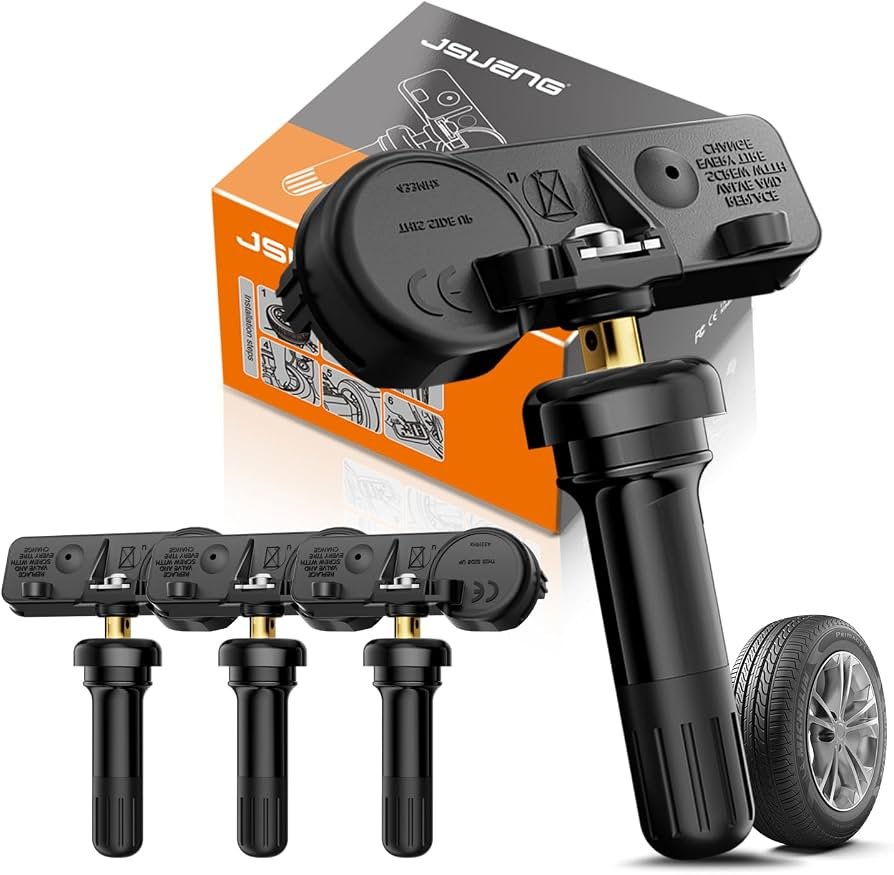
TPMS sensors are located inside each tire, attached to the valve stem. They measure the air pressure and temperature inside the tire.
These sensors transmit data wirelessly to the vehicle’s receiver module.
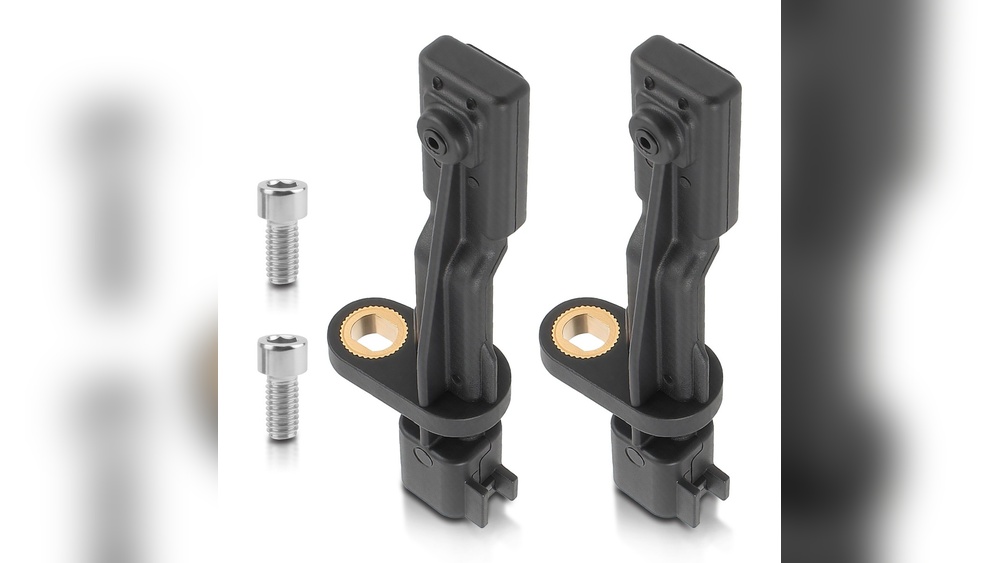
The sensors operate independently of the wheel speed sensors. Wheel speed sensors track wheel rotation speed for traction control and ABS, not tire pressure.
A faulty wheel speed sensor may affect vehicle systems, but it does not directly impact TPMS readings.

Role Of Wheel Speed Sensors
Wheel speed sensors play a important role in modern vehicles, including the Jeep Wrangler JK. These sensors detect how fast each wheel spins and send this data to the vehicle’s control systems.
This information helps maintain safety and performance by supporting various functions.
Understanding the role of wheel speed sensors helps clarify their connection with other systems like the Tire Pressure Monitoring System (TPMS). While TPMS works independently, the wheel speed sensors provide valuable data that can influence its accuracy indirectly.
How Wheel Speed Sensors Work
Wheel speed sensors use magnets and coils or hall effect technology to measure wheel rotation. They generate electrical signals that change with the wheel’s speed.
The vehicle’s computer reads these signals to determine how fast each wheel is turning.
This data helps detect if a wheel is locked or slipping. It also assists in adjusting braking power and traction control.
The sensors are mounted near the wheels to get precise readings constantly.
Impact On Vehicle Systems
The information from wheel speed sensors supports systems like ABS and stability control. These systems rely on accurate speed data to keep the vehicle stable on the road.
If a sensor fails, it can cause warning lights or reduced system performance.
Although TPMS sensors measure tire pressure directly, incorrect wheel speed data may confuse the vehicle’s computer. This confusion can lead to false warnings or missed alerts from the TPMS. Proper sensor function is essential for safety.
Interaction Between Tpms And Wheel Speed Sensors
The Tire Pressure Monitoring System (TPMS) and wheel speed sensors both play important roles in vehicle safety. TPMS tracks tire pressure to prevent accidents caused by underinflated tires.
Wheel speed sensors monitor how fast each wheel spins to help with braking and stability control.
Although both systems involve the wheels, they work differently. Understanding their interaction helps Jeep Wrangler JK owners maintain their vehicle’s safety features.
The key question is whether TPMS data can travel through wheel speed sensors.
Communication Methods Of Tpms
TPMS uses wireless sensors inside each tire. These sensors send pressure data to the vehicle’s computer.
The signals travel via radio frequency. The system alerts the driver if tire pressure drops below a safe level.
Each sensor broadcasts its own unique ID and pressure information. The vehicle’s receiver picks up these signals independently.
TPMS does not rely on wired connections or other sensors to communicate.
Can Tpms Data Travel Through Wheel Speed Sensors?
Wheel speed sensors measure how fast a wheel turns. They send electrical signals to the car’s control modules.
These sensors work with the anti-lock braking system (ABS) and traction control.
TPMS data does not pass through wheel speed sensors. The two systems operate separately and use different communication methods.
A faulty wheel speed sensor may affect vehicle systems but does not carry TPMS signals.
TPMS and wheel speed sensors both contribute to safety. They do not share data directly but work alongside each other to keep the Jeep Wrangler JK safe on the road.
Common Tpms Issues In Jeep Wrangler Jk
The Tire Pressure Monitoring System (TPMS) in the Jeep Wrangler JK helps keep track of tire pressure levels. It alerts drivers when pressure drops below safe limits.
Despite being useful, TPMS can face several common issues in this model. These problems may cause the warning light to stay on or give false readings.
Many Jeep Wrangler JK owners report TPMS errors during regular driving. These issues can stem from sensor faults or problems with related components.
Knowing the symptoms and causes helps in timely troubleshooting and repair. This section explains frequent TPMS problems and their impact on vehicle safety.
Faulty Sensor Symptoms
Faulty TPMS sensors often cause warning lights to blink or stay on. Drivers might notice inconsistent pressure readings between tires.
Some sensors lose signal after battery failure or damage. This leads to no data being sent to the vehicle’s computer.
Other signs include slow response to pressure changes or complete sensor failure. Sensors damaged by road debris or harsh conditions also stop working.
Regular checks can catch these problems early, avoiding bigger issues.
Effects Of Wheel Speed Sensor Problems On Tpms
Wheel speed sensors do not directly measure tire pressure. Still, their faults can affect TPMS accuracy indirectly.
A malfunctioning wheel speed sensor sends wrong data to the vehicle’s control module. This may confuse the system and trigger false TPMS alerts.
In some cases, the vehicle computer uses wheel speed data to compare tire rotation rates. Incorrect speed readings may cause the TPMS to misinterpret tire pressure levels.
This link shows why wheel speed sensors are important for system health.
Fixing wheel speed sensor issues can restore proper TPMS function. It also improves vehicle safety and performance.
Jeep Wrangler JK owners should check both sensor types during diagnostics to avoid TPMS errors.
Tpms Sensor Replacement And Programming
Replacing and programming TPMS sensors on a Jeep Wrangler JK is a key maintenance task. Proper installation ensures accurate tire pressure monitoring.
Programming the sensors aligns them with the vehicle’s system. This process helps avoid false warnings or system errors.
Each sensor must fit securely on the wheel. Programming updates the vehicle’s control module.
Calibration ensures the system reads the correct tire pressures. the steps for installing and programming TPMS sensors.
Installing New Tpms Sensors
Begin by removing the tire from the wheel. Carefully take off the old TPMS sensor from the valve stem.
Install the new sensor by attaching it to the valve stem securely. Make sure the sensor is positioned correctly to avoid damage.
Re-mount the tire on the wheel and balance it. Tighten the valve stem nut to the specified torque.
Check for any air leaks around the sensor area. Proper installation prevents sensor failure and maintains accurate readings.
Programming And Calibration Steps
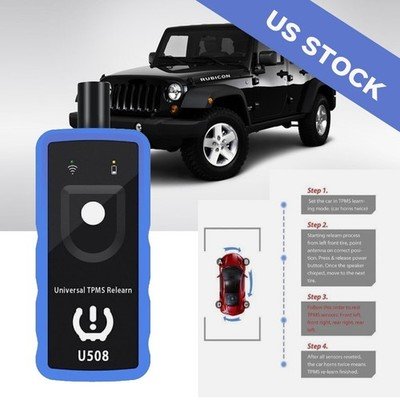
Turn the ignition on without starting the engine. Use a TPMS programming tool compatible with the Jeep Wrangler JK.
Follow the tool’s instructions to enter sensor IDs into the vehicle’s system. This step links each sensor to its wheel position.
Drive the vehicle at a steady speed for several minutes. This allows the system to calibrate and recognize the new sensors.
Confirm the TPMS warning light turns off. If the light stays on, repeat the programming or check sensor installation.
Tpms Maintenance Tips
Maintaining the Tire Pressure Monitoring System (TPMS) on your Jeep Wrangler JK helps ensure accurate readings and safe driving. Regular checks and timely replacements keep the system working well.
Simple steps can extend sensor life and avoid warning light surprises.
Checking Sensor Health
Begin by inspecting each TPMS sensor during tire rotations or service. Look for physical damage or corrosion on the sensor.
Use a TPMS tool to read sensor data and battery status. Weak batteries cause sensor failure and false alerts.
Clear dirt and debris around valve stems to maintain signal strength. Pay attention to the TPMS warning light on your dashboard.
It signals sensor issues or low tire pressure. Early detection helps avoid costly repairs and improves safety.
When To Replace Sensors
TPMS sensors usually last 5 to 10 years. Replace sensors if the battery dies or sensors fail to communicate.
Sensors damaged during tire changes also need replacement. Always use sensors compatible with your Jeep Wrangler JK.
New sensors require programming to sync with your vehicle’s system. Replace all sensors at once for consistent performance.
Ignoring faulty sensors risks inaccurate tire pressure data and potential safety hazards.
Troubleshooting Tpms Alerts
Changing wheels on a Jeep Wrangler JK can affect the Tire Pressure Monitoring System (TPMS). TPMS helps keep track of tire pressure to ensure safe driving.
Understanding how new wheels impact TPMS is important for maintaining its accuracy and function. This section explains what happens when you switch wheels and how to keep TPMS working properly.
Effect Of New Wheels On Tpms
New wheels may have different sensors or no sensors at all. TPMS sensors send signals to the vehicle to report tire pressure.
If new wheels lack proper sensors, TPMS will not get correct data. Even if sensors are present, changing wheel size can affect sensor readings.
This may cause the TPMS light to turn on or show false alerts.
Wheels without compatible TPMS sensors can cause system errors. The Jeep Wrangler JK uses sensors mounted inside the tire or on the valve stem.
Installing wheels without these sensors means the system cannot monitor pressure. This creates a safety risk and may trigger warning lights on the dashboard.
Relearning Procedures
After installing new wheels, TPMS may need a relearn process. Relearning tells the vehicle’s computer which sensor is on each wheel.
This step is necessary to avoid confusion and false warnings. The process varies depending on the Jeep model and year.
Relearn can be done using a scan tool or by following a manual sequence. Typically, the driver must turn the ignition on and off and press the brake pedal.
Sometimes, driving the vehicle at a certain speed triggers the system to relearn automatically. Without relearning, TPMS may not work correctly with new wheels.
Can A Wheel Speed Sensor Affect Tpms?
A faulty wheel speed sensor can indirectly affect TPMS by sending incorrect data to the vehicle's computer. This may cause inaccurate TPMS readings.
However, wheel speed sensors do not directly control or transmit TPMS signals.
How To Disable Tpms On Jeep Wrangler?
You cannot fully disable TPMS on a Jeep Wrangler without specialized tools. Some owners use a TPMS bypass module or reprogram sensors.
Disabling TPMS is not recommended due to safety and legal reasons. Consult a professional for proper TPMS handling.
Where Is The Secret Compartment On The Jeep Wrangler?
The secret compartment in a Jeep Wrangler is usually located under the rear seats or behind the tailgate panel. It offers hidden storage space for small items.
What Is The Tpms Recall On Jeep Wranglers?
The TPMS recall on Jeep Wranglers fixes faulty sensors causing inaccurate tire pressure warnings. It ensures safe, reliable monitoring.
Conclusion
The Jeep Wrangler JK’s TPMS does not directly use wheel speed sensors. TPMS sensors work independently to monitor tire pressure.
Faulty wheel speed sensors might affect the system’s data indirectly. Keeping both sensors in good condition ensures accurate readings.
Proper maintenance helps maintain your vehicle’s safety.
Always check sensors after tire changes or rotations. Understanding these systems helps you drive with confidence.