Choosing the right Jeep Wrangler custom wheels in Canada is more than just picking a set that looks good. It's about enhancing your vehicle's performance, capability, and overall driving experience, whether you're tackling rugged trails or cruising through the city.
The Wrangler, with its iconic design and off-road prowess, deserves wheels that complement its spirit. This guide will walk you through everything you need to know to make an informed decision, from understanding the different types of wheels to finding the perfect fit for your Canadian adventures.
Understanding Jeep Wrangler Wheel Basics
Before diving into custom options, it’s crucial to grasp the fundamental aspects of wheels. Wheels are typically made from two primary materials: steel and alloy. Each has its own set of advantages and disadvantages that can significantly impact your Wrangler’s performance and your wallet.
Steel Wheels
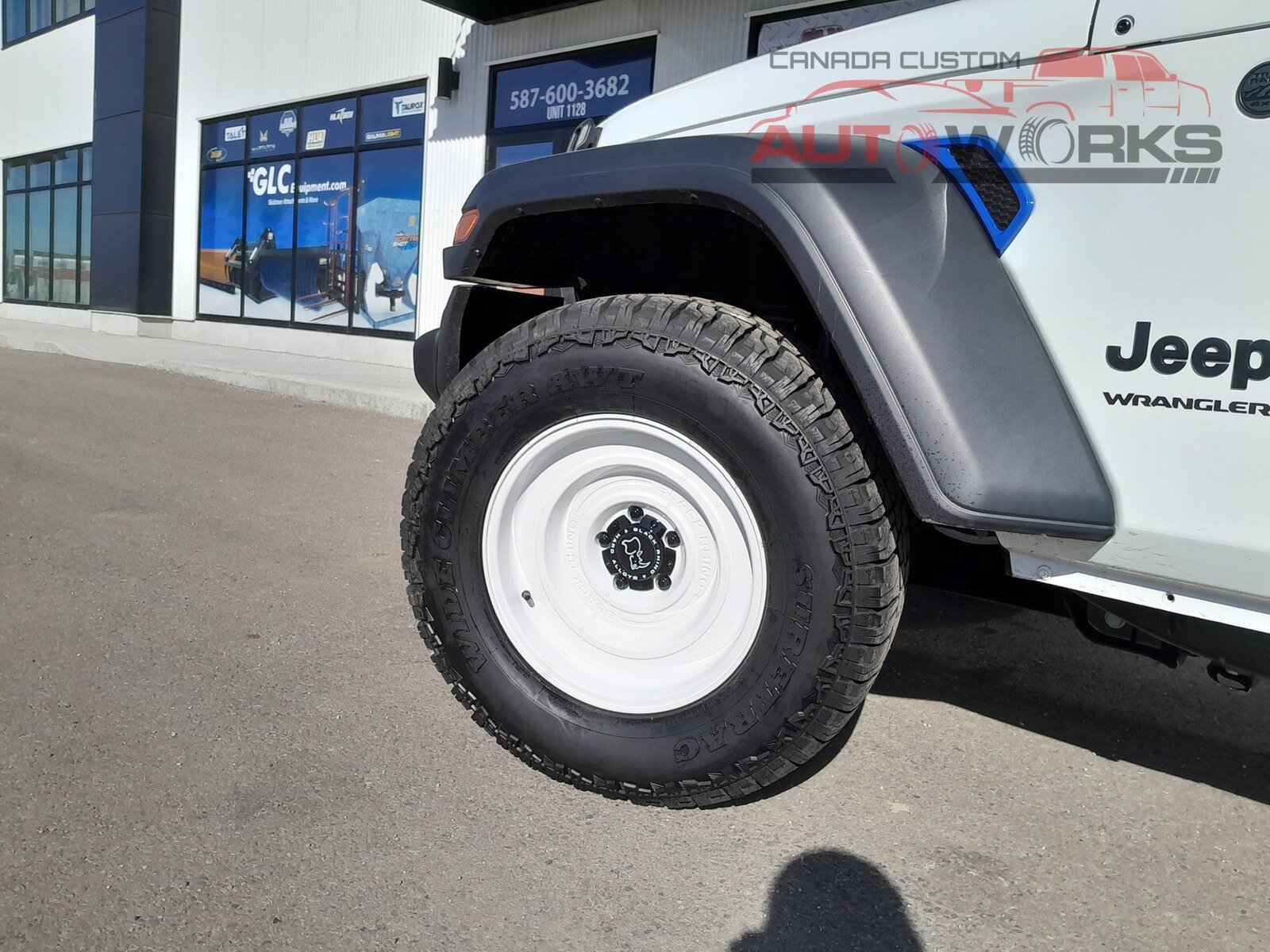
Steel wheels are known for their durability and affordability. They are constructed from stamped steel, making them robust and resistant to damage from impacts, which is a significant plus for off-roading. If you hit a rock or a pothole on a trail, steel wheels are less likely to crack or shatter compared to alloy wheels. Their construction also makes them easier and cheaper to repair if they do get bent.
However, steel wheels are also heavier than alloy wheels. This extra weight can negatively affect your Wrangler's fuel efficiency and handling.
They are also more prone to rust, especially in Canada's harsh winter conditions with salt on the roads. While they are a practical choice for extreme off-roading where durability is paramount, their weight and susceptibility to corrosion can be drawbacks for daily driving.
Alloy Wheels
Alloy wheels are made from a mixture of metals, typically aluminum, sometimes with other elements like magnesium or nickel. They offer a significant advantage in terms of weight reduction. Lighter wheels mean better acceleration, improved braking, and enhanced fuel economy. Alloy wheels also dissipate heat more effectively, which can be beneficial during heavy braking or prolonged off-road use.
Aesthetically, alloy wheels offer far more design possibilities. They can be cast or forged into complex and attractive shapes, providing a vast range of styles to customize your Jeep Wrangler's look.
From sleek, multi-spoke designs to aggressive, beadlock-style rims, alloy wheels allow for a high degree of personalization.
The main drawback of alloy wheels is their cost; they are generally more expensive than steel wheels. While modern alloys are quite strong, they can be more brittle than steel.
A severe impact can cause them to crack or break, and repairs can be more complex and costly.
For off-roading enthusiasts, choosing a high-quality, reinforced alloy wheel is essential to balance performance and durability.
Key Factors When Choosing Custom Wheels For Your Wrangler
When you decide to upgrade your Jeep Wrangler’s wheels, several technical specifications and practical considerations come into play. Getting these right ensures your new wheels fit properly, perform optimally, and don’t cause unforeseen issues.
Bolt Pattern (pcd)
The bolt pattern, also known as the Pitch Circle Diameter (PCD), is the diameter of the circle on which the wheel’s lug holes are centered. For most Jeep Wranglers, the common bolt pattern is 5x127mm (or 5×5 inches). This means there are five lug nuts arranged in a circle with a diameter of 127 millimeters. It is absolutely critical to match the bolt pattern of your new wheels to your Wrangler’s hub. Using wheels with the wrong bolt pattern is impossible and dangerous. Always double-check your Wrangler’s specific bolt pattern before purchasing custom wheels.
Wheel Diameter And Width
Wheel diameter refers to the overall size of the wheel, typically measured in inches. Common sizes for Wranglers range from 15 inches up to 20 inches or even larger. Larger diameter wheels often accommodate larger brake systems and allow for lower-profile tires, which can improve on-road handling. However, for serious off-roading, smaller diameter wheels (like 15 or 16 inches) are often preferred because they allow for larger sidewalls on the tires. Taller tire sidewalls provide more cushioning on rough terrain and are less prone to damage from impacts.
Wheel width is also measured in inches and dictates how wide a tire the wheel can safely accommodate. A wider wheel generally allows for a wider tire, which can increase the contact patch with the ground. This improved traction is beneficial both on-road and off-road. However, excessively wide wheels or tires can cause rubbing issues with the fenders, suspension components, or body panels, especially when the suspension is compressed or the steering is turned.
Offset And Backspacing
Wheel offset is the distance from the wheel’s mounting surface (where it bolts to the hub) to the centerline of the wheel. It can be positive, negative, or zero.
- Positive offset: The mounting surface is closer to the outside of the wheel. This tucks the wheel inward.
- Negative offset: The mounting surface is further from the outside of the wheel. This pushes the wheel outward, giving your Jeep a wider stance. Many off-road enthusiasts prefer a negative offset for their Wranglers to improve stability and accommodate larger tires.
- Zero offset: The mounting surface is exactly at the centerline.
Backspacing is the distance from the back of the wheel (mounting surface) to the lip of the wheel. It’s closely related to offset but measured differently. Lower backspacing (which usually corresponds to negative offset) pushes the wheel out and away from the vehicle’s suspension components.
Choosing the correct offset and backspacing is crucial for preventing tire rubbing, ensuring proper suspension geometry, and achieving the desired look. Incorrect offset can lead to premature wear on wheel bearings and suspension parts.
Load Rating
The load rating of a wheel indicates the maximum weight it can safely support. Jeep Wranglers, especially those modified for off-roading or carrying heavy loads, require wheels with a high load rating. Always ensure that the custom wheels you choose have a load rating that exceeds your Wrangler’s Gross Vehicle Weight Rating (GVWR) to guarantee safety and durability. Off-road focused wheels typically have significantly higher load ratings than standard passenger car wheels.
Popular Custom Wheel Styles For Jeep Wranglers In Canada
The aftermarket for Jeep Wrangler wheels is vast, offering a style for every taste and need. From rugged utilitarian designs to stylish, modern looks, you can transform your Wrangler’s appearance.
Beadlock And Beadlock-capable Wheels
Beadlock wheels are designed for serious off-roaders. They feature a mechanical locking system that clamps the tire bead to the wheel rim. This prevents the tire from de-beading (coming off the rim) even when running at very low tire pressures, which is essential for maximizing traction on challenging terrain like rocks and sand.
- True Beadlocks: These have a ring that bolts onto the wheel, physically clamping the tire bead. They offer the ultimate security against de-beading but are often heavier, more expensive, and may not be street legal in all areas due to potential air leaks.
- Beadlock-Capable Wheels: These wheels have the appearance and some of the structural benefits of beadlocks but use a simulated ring or a less aggressive clamping mechanism. They offer a compromise, providing enhanced bead security over standard wheels while often being more practical for street use.
Classic 5-spoke And Multi-spoke Designs
These are timeless styles that complement the Wrangler’s rugged aesthetic.
- 5-Spoke: Simple, strong, and iconic. Often found in both steel and alloy, these wheels offer a clean, classic look.
- Multi-Spoke: These designs feature more spokes, offering a visually intricate look. They can range from chunky, off-road-inspired spokes to finer, more elegant designs. Many multi-spoke wheels are designed to showcase large brake calipers, a common upgrade for performance-oriented Wranglers.
Off-road Specific Wheels
Many manufacturers produce wheels specifically engineered for the demands of off-roading. These often feature:
- Reinforced construction: Thicker materials or specific forging processes for extreme durability.
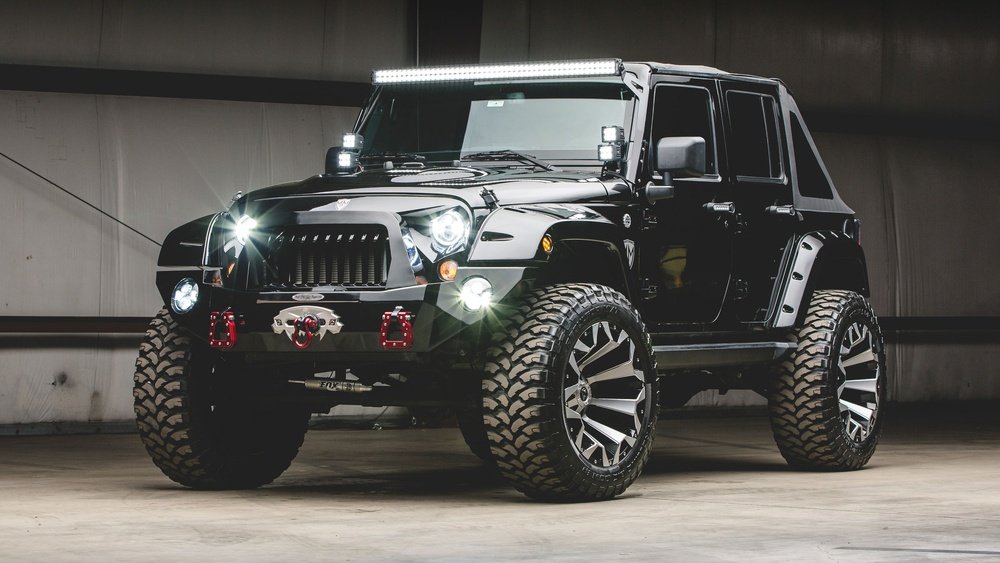
- Aggressive styling: Simulated beadlock rings, deep lip designs, and rugged finishes.
- High offset: Often a negative offset to push the wheels out for better clearance and stance.
- Lightweight construction: Despite their toughness, many off-road wheels are designed to be as light as possible to improve performance.
Two-piece And Three-piece Wheels
These are typically high-end, custom-built wheels. They consist of separate inner and outer barrels bolted to a central face.
- Advantages: Offer immense customization in terms of size, width, offset, and bolt pattern. They can also be repaired more easily by replacing individual components.
- Disadvantages: Significantly more expensive than one-piece wheels and can be heavier due to the extra hardware and construction. They are generally chosen for aesthetic customization rather than pure off-road function, though robust options exist.
Tire And Wheel Size Combinations For Wranglers
The synergy between your tires and wheels is paramount for both performance and aesthetics. A common goal for Wrangler owners is to fit larger, more aggressive tires.
This often requires careful consideration of wheel size, backspacing, and potential suspension modifications.
Common Tire Sizes And Corresponding Wheel Diameters
- 33-inch Tires: Often fit on stock Wranglers or with minimal modifications. They pair well with 15-inch or 17-inch wheels. A 15-inch wheel allows for a taller tire sidewall, which is ideal for off-roading.
- 35-inch Tires: A very popular upgrade. These typically require a 17-inch or 18-inch wheel. You might need a suspension lift and potentially fender modifications to prevent rubbing.
- 37-inch Tires and Larger: These are for serious off-road builds. They usually require 17-inch, 18-inch, or 20-inch wheels, along with significant suspension lifts, axle upgrades, and body modifications.
Pro Tip: When fitting larger tires, consider the trade-offs. Larger tires increase ground clearance but can decrease acceleration and fuel economy. They also put more stress on your drivetrain components (axles, differentials, transfer case).
The Impact Of Wheel Diameter On Tire Performance
- Smaller Wheel Diameter (e.g., 15″ or 16″): Allows for a larger tire sidewall. This provides a smoother ride, better shock absorption on rough terrain, and a greater contact patch when aired down for off-roading. It also generally makes tires more affordable.
- Larger Wheel Diameter (e.g., 18″ or 20″): Accommodates lower-profile tires. This can improve on-road steering response and handling due to a stiffer sidewall. However, it reduces the tire sidewall height, making it more susceptible to damage from impacts and less forgiving on rough trails.
Calculating Required Wheel Width For Your Tires
Tire manufacturers provide recommended wheel width ranges for each tire size. For example, a 35×12.
50R17 tire might have a recommended wheel width of 8. 5 to 11 inches.
- Too Narrow: A wheel that is too narrow for a tire can cause the tire bead to not seat properly, leading to potential leaks or de-beading. It also causes the tire sidewalls to bulge excessively, which can negatively affect handling and tire wear.
- Too Wide: A wheel that is too wide can stretch the tire tread, reducing the effective contact patch and potentially causing uneven wear. It can also make the tire more vulnerable to damage from impacts on the sidewall.
Where To Buy Jeep Wrangler Custom Wheels In Canada
Finding reputable dealers and understanding the purchasing process is key to a successful custom wheel upgrade. Canadian retailers offer a range of options, from major chains to specialized off-road shops.
Online Retailers
Many online stores specialize in aftermarket wheels and tires. These often provide a vast selection, competitive pricing, and detailed product information. When buying online, ensure the retailer is based in Canada or understands Canadian shipping regulations, taxes (GST/HST/PST), and duties to avoid unexpected costs. Look for sites that offer:
- Vehicle-specific fitment guides: Allowing you to input your Wrangler’s year, make, and model to see compatible wheels.
- Customer reviews and photos: To see how wheels look on similar vehicles.
- Clear shipping and return policies.
Local Tire And Wheel Shops
Specialty shops offer personalized service and expertise. They can provide expert advice tailored to your specific needs and driving conditions in Canada.
- Benefits: You can often see wheels in person, get professional installation, and benefit from local support for any issues that arise. These shops often have strong relationships with wheel manufacturers and can source specific products.
- Considerations: Prices might be slightly higher than online retailers, but the added service and expertise can be well worth it.
Major Automotive Retail Chains
Larger chains with automotive sections may carry a selection of custom wheels. While their selection might be more limited than specialized stores, they can be a convenient option.
Ensure their staff has sufficient knowledge about Jeep Wrangler fitments.
Important Considerations For Canadian Buyers
- Pricing and Currency: Be mindful of prices listed in USD versus CAD. Exchange rates can significantly impact the final cost.
- Taxes: Factor in Goods and Services Tax (GST), Provincial Sales Tax (PST), or Harmonized Sales Tax (HST) depending on your province.
- Shipping Costs and Time: Cross-border shipping can be expensive and time-consuming, with potential delays at customs. Buying from Canadian retailers often mitigates these issues.
- Warranty and Returns: Understand the warranty offered by the manufacturer and the return policy of the retailer, especially if you encounter fitment issues.
Installation And Maintenance Of Custom Wheels
Once you’ve purchased your custom wheels, proper installation and regular maintenance are crucial for safety, performance, and longevity.
Professional Installation
It is highly recommended to have your custom wheels installed by a professional. They have the correct tools and expertise to:
- Ensure proper fitment: Confirming the wheels mount correctly without interference.
- Torque lug nuts correctly: Using a torque wrench to tighten lug nuts to the manufacturer’s specifications. Over-tightening or under-tightening can lead to serious problems, including warped rotors or wheels coming loose.
- Balance the wheels: Proper wheel balancing is essential for a smooth ride and to prevent vibrations. Unbalanced wheels can cause premature tire wear and discomfort.
- Install appropriate lug nuts/bolts: Ensure you have the correct type and size of lug nuts or bolts for your new wheels and Wrangler’s hubs. Some aftermarket wheels require specific types of lug nuts.
Regular Maintenance
- Cleaning: Regularly clean your wheels to remove brake dust, road grime, and salt. Use a mild soap and water solution. Avoid harsh chemicals or abrasive cleaners, especially on polished or coated alloy wheels, as they can damage the finish.
- Inspection: Periodically inspect your wheels