Every driver wants their vehicle to run smoothly, especially those who drive a Jeep Wrangler. The Jeep Wrangler is famous for its rugged build and off-road ability, but keeping it in top condition means paying attention to every detail—including the cooling system.
Many Jeep owners overlook the importance of coolant capacity, but understanding this simple number can help prevent engine damage, save money, and keep your Wrangler performing well for years.
This article explains everything you need to know about Jeep Wrangler coolant capacity: what it is, why it matters, how it differs by model, and how to check and refill it yourself.
Why Coolant Capacity Matters
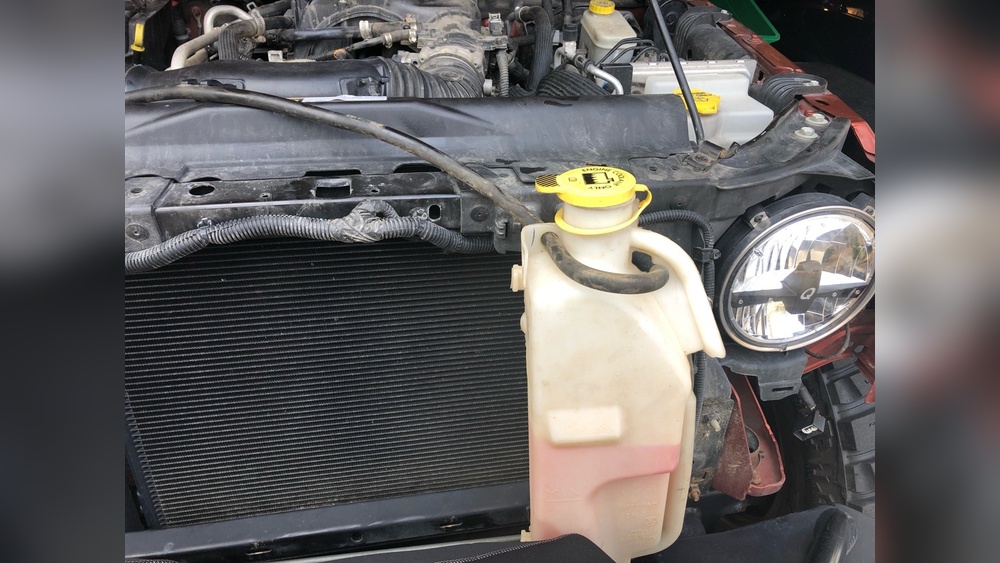
The coolant system in your Jeep Wrangler protects the engine from overheating. The system works by circulating a mix of water and antifreeze around the engine, absorbing excess heat, and carrying it away to the radiator. If you have too little coolant, your engine could overheat, causing serious damage. Too much coolant, on the other hand, can cause leaks or pressure problems. Knowing the correct coolant capacity is the first step to keeping your engine safe.
Many Wrangler drivers only think about coolant when they see a warning light or notice steam from the hood. But regular checks can prevent expensive repairs. For example, a low coolant level can lead to a blown head gasket, costing $1,000 or more to fix. By simply understanding your Jeep’s coolant capacity, you can avoid these headaches.
Jeep Wrangler Coolant Capacity By Generation
The Jeep Wrangler has gone through several generations, and coolant capacity can vary between models and engines. Below is a comparison of the most common Wrangler generations and their typical coolant capacity.
| Generation | Model Years | Engine Types | Coolant Capacity (quarts) | Coolant Capacity (liters) |
|---|---|---|---|---|
| YJ | 1987–1995 | 2.5L I4, 4.0L I6 | 10.5–12.0 | 10.0–11.4 |
| TJ | 1997–2006 | 2.5L I4, 4.0L I6 | 10.0–12.0 | 9.5–11.4 |
| JK | 2007–2018 | 3.8L V6, 3.6L V6 | 13.4–14.0 | 12.7–13.2 |
| JL | 2018–Present | 2.0L I4 Turbo, 3.6L V6, 3.0L V6 Diesel | 13.0–15.0 | 12.3–14.2 |
These numbers are general. Always check your owner’s manual for your exact model and engine. Even within the same generation, different engines can require different amounts of coolant.
Non-obvious Insight: Aftermarket Modifications
If you have added aftermarket parts like a bigger radiator or an engine swap, your coolant capacity may change. Many owners forget to update their maintenance routine after making these changes. Always measure and note your new capacity if you modify your cooling system.
How To Check And Refill Jeep Wrangler Coolant
Checking and refilling coolant is simple, but there are some important steps to follow to avoid mistakes.
- Wait for the Engine to Cool: Never open the radiator cap when the engine is hot. Hot coolant is under pressure and can spray out, causing burns.
- Find the Coolant Reservoir: Most Wranglers have a clear plastic coolant reservoir near the radiator. It is marked with “MIN” and “MAX” lines.
- Check the Level: The coolant should be between these lines. If it’s low, you need to add more.
- Add the Right Coolant: Use the correct type for your model. Mixing types can cause chemical reactions and damage. Most Wranglers use HOAT (Hybrid Organic Acid Technology) or OAT (Organic Acid Technology) coolant.
- Top Off Slowly: Pour coolant slowly to avoid air pockets. If you overfill, use a turkey baster or siphon to remove some coolant.
- Run the Engine: After topping off, run the engine with the cap off (if safe) to help air bubbles escape, then check the level again.
Common Mistakes To Avoid
- Mixing Coolant Types: Never mix different coolant types unless your manual says it is safe. Mixing can cause sludge and blockages.
- Ignoring Leaks: If you keep losing coolant, you likely have a leak. Don’t just keep topping off—find and fix the source.
- Forgetting to Bleed the System: Air pockets can cause overheating. Some Wranglers require a special bleeding process to remove trapped air. Check your manual or ask a mechanic.
Example: Jl Wrangler 3.6l V6
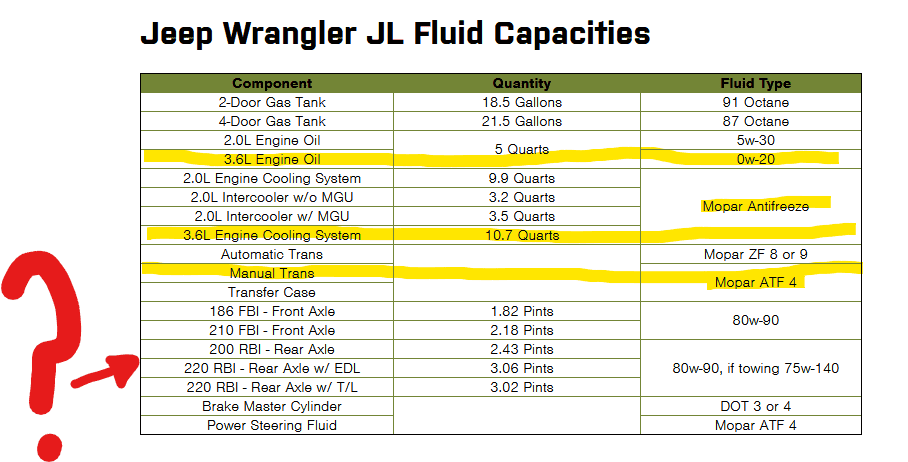
If you drive a 2019 Jeep Wrangler JL with a 3.6L V6, your coolant capacity is about 13.5 quarts (12.8 liters). When refilling after a full drain, pour the coolant slowly and keep checking the reservoir to avoid overfilling. If you notice the engine temperature rising after a coolant change, it’s likely an air pocket—run the engine with the heater on high to help release trapped air.
Types Of Coolant For Jeep Wrangler
Not all coolants are the same. Using the right one for your Jeep Wrangler is critical for engine health.
Main Coolant Types
- HOAT (Hybrid Organic Acid Technology): Used in many JK and early JL models. Usually orange or yellow.
- OAT (Organic Acid Technology): Used in later JL models. Typically purple or pink.
- IAT (Inorganic Additive Technology): Used in older YJ and TJ models. Usually green.
Mixing these coolants can cause chemical reactions that create gel-like sludge, blocking the cooling system. Always check your owner’s manual or the label on your radiator cap for the right type.
Coolant Mixture
Most Jeep Wranglers use a 50/50 mix of coolant and distilled water. Some pre-mixed coolants are ready to use, but if you buy concentrate, remember to mix it with water before adding it to your Jeep. Using tap water can introduce minerals that cause corrosion, so always use distilled water.
Coolant Change Interval
Jeep recommends changing coolant every 100,000 miles or 5 years for most modern Wranglers, but you should check your owner’s manual for specifics. If you drive in very hot or cold climates, more frequent changes may be helpful.
Comparing Jeep Wrangler Coolant Capacity With Other Suvs
It’s helpful to see how the Jeep Wrangler’s coolant capacity compares to other popular SUVs. Here’s a comparison for context.
| Vehicle | Engine | Coolant Capacity (quarts) | Coolant Capacity (liters) |
|---|---|---|---|
| Jeep Wrangler JL (3.6L V6) | 3.6L V6 | 13.5 | 12.8 |
| Toyota 4Runner | 4.0L V6 | 11.1 | 10.5 |
| Ford Bronco | 2.3L I4 Turbo | 13.0 | 12.3 |
| Chevrolet Tahoe | 5.3L V8 | 16.9 | 16.0 |
As you can see, the Jeep Wrangler’s coolant capacity is similar to most mid-size SUVs. Larger vehicles like the Tahoe need more coolant, while some smaller SUVs require less.
Signs Your Jeep Wrangler Needs Coolant Attention
Recognizing early warning signs can save you from major repairs. Watch for these indicators:
- Temperature Gauge Rises: If the needle moves into the red zone, check your coolant immediately.
- Coolant Light: Most Wranglers have a warning light for low coolant.
- Visible Leaks: Puddles of green, orange, or pink fluid under your Jeep mean a leak.
- Sweet Smell: Coolant has a sweet, syrupy smell. If you smell it inside your Jeep, you may have a heater core leak.
- Heater Stops Working: If your cabin heater blows cold air, low coolant may be the cause.
How To Fully Drain And Refill Your Jeep Wrangler’s Coolant
Sometimes, you need to do a full coolant change, not just a top-off. Here’s how:
- Let the Engine Cool Completely: Safety first.
- Lift the Front End: Use ramps or a jack for better access, if needed.
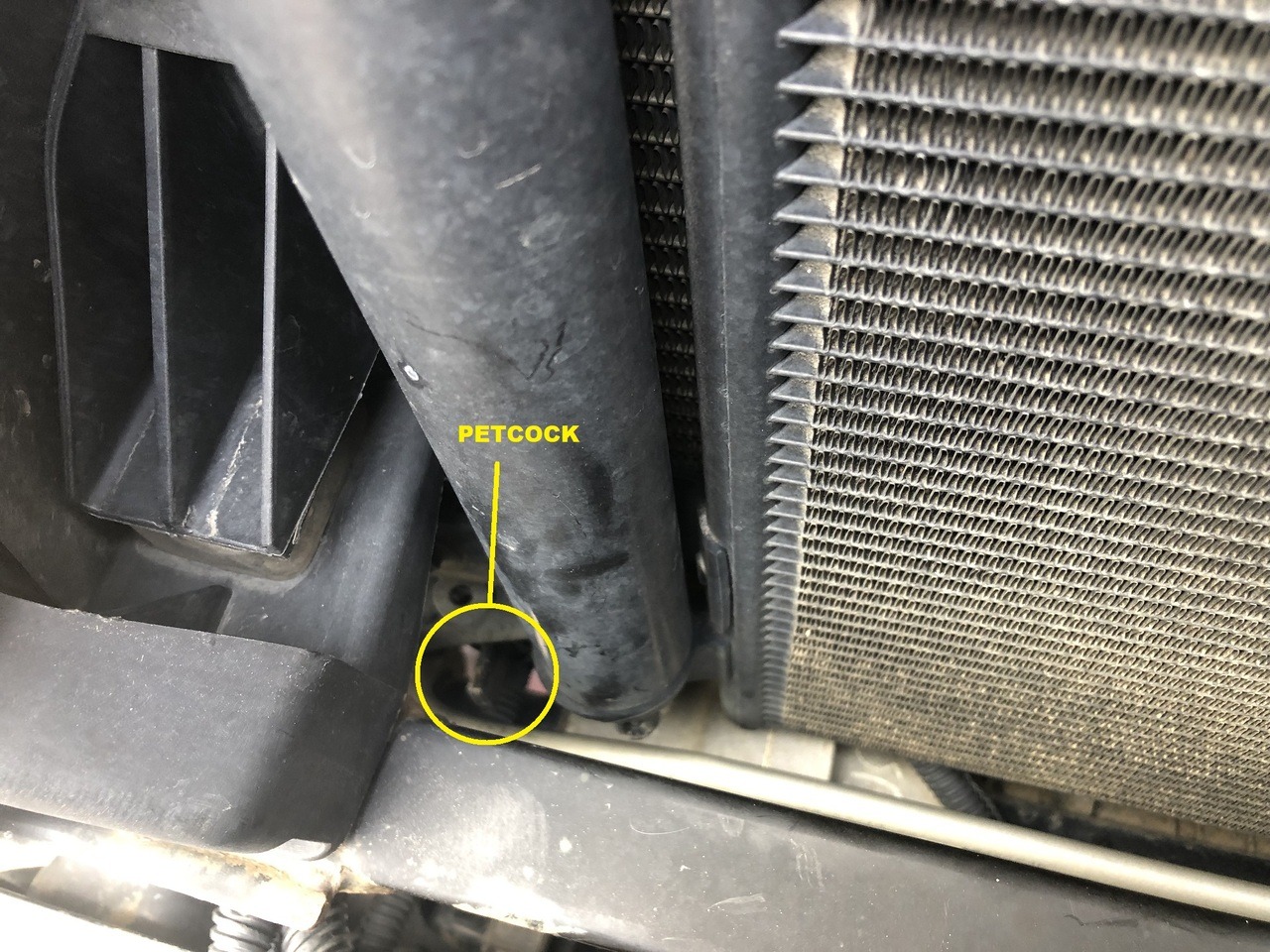
- Place a Drain Pan: Under the radiator drain plug.
- Open the Radiator Cap: To allow air in.
- Open the Drain Plug: Let old coolant drain out fully.
- Flush with Water: Pour distilled water into the radiator, run the engine briefly, then drain again. Repeat until water runs clear.
- Close the Drain Plug: Tighten securely.
- Refill with Coolant: Use the correct amount and mixture.
- Bleed the System: Run the engine with the heater on high and cap off (if safe) to remove air.
- Check for Leaks: After running the engine, inspect for leaks under your Jeep.
Pro Tip
Never reuse old coolant. Used coolant can carry rust, debris, and chemicals that harm your engine. Always use new, fresh coolant for the refill.
Environmental Tips For Coolant Disposal
Coolant is toxic to people, animals, and the environment. Never pour it down the drain or on the ground. Take used coolant to a recycling center or auto parts store that accepts hazardous waste. Many cities have special disposal days for used fluids.
For more information about coolant disposal, check the EPA guidelines at EPA Used Antifreeze Recycling.
Jeep Wrangler Coolant Capacity: Quick Reference By Year And Engine
Here is a fast reference guide for recent Wrangler models. Always confirm with your manual for your exact model.
| Year | Engine | Coolant Capacity (quarts) | Coolant Type |
|---|---|---|---|
| 2026 | 2.0L Turbo I4 | 13.0 | OAT |
| 2026 | 3.6L V6 | 13.5 | OAT |
| 2026 | 3.0L EcoDiesel V6 | 15.0 | OAT |
| 2017 | 3.6L V6 (JK) | 14.0 | HOAT |
| 2006 | 4.0L I6 (TJ) | 12.0 | IAT |
Frequently Asked Questions
<!– wp:rank-math/faq-block {"questions":[{"id":"faq-question-ead278d20b09","title":"What Happens If I Overfill My Jeep Wrangler’s Coolant?","content":"If you add too much coolant, the system can build extra pressure when it heats up. This may cause leaks or force coolant out through the overflow. In rare cases, it can damage hoses or the radiator. If you overfill, use a siphon to remove extra coolant.
“,”visible”:true},{“id”:”faq-question-24363056f645″,”title”:”How Often Should I Check My Jeep Wrangler’s Coolant Level?”,”content”:”Check your coolant level at least once a month, or before long trips. Always check when the engine is cold for an accurate reading. If you notice the level dropping often, look for leaks or other problems.
“,”visible”:true},{“id”:”faq-question-a138a0b5fb82″,”title”:”Can I Use Universal Coolant In My Jeep Wrangler?”,”content”:”Some universal coolants claim to work in all vehicles, but using the exact type recommended by Jeep is safest. Universal coolants can sometimes cause chemical reactions or reduce the life of your cooling system, especially in newer models.
“,”visible”:true},{“id”:”faq-question-36d3e626e643″,”title”:”What Is The Difference Between Coolant And Antifreeze?”,”content”:”Antifreeze is the chemical that prevents freezing and boiling. Coolant is a mix of antifreeze and water (usually 50/50), used in your radiator. Always use the correct mixture for best performance.
“,”visible”:true},{“id”:”faq-question-48adf85ef361″,”title”:”Is It Safe To Drive If My Jeep Wrangler Is Low On Coolant?”,”content”:”Driving with low coolant is risky. Your engine can overheat quickly, leading to expensive repairs like a blown head gasket or warped cylinder head. If you see a warning light or notice overheating, stop and check your coolant before driving further.
Keeping your Jeep Wrangler’s cooling system healthy is simple with the right knowledge. Knowing your coolant capacity, using the correct type, and checking regularly can save you money and stress. Whether you’re heading off-road or cruising the highway, a well-maintained cooling system means your Wrangler is ready for any adventure.
“,”visible”:true}]} –>What Happens If I Overfill My Jeep Wrangler’s Coolant?
If you add too much coolant, the system can build extra pressure when it heats up. This may cause leaks or force coolant out through the overflow. In rare cases, it can damage hoses or the radiator. If you overfill, use a siphon to remove extra coolant.
How Often Should I Check My Jeep Wrangler’s Coolant Level?
Check your coolant level at least once a month, or before long trips. Always check when the engine is cold for an accurate reading. If you notice the level dropping often, look for leaks or other problems.
Can I Use Universal Coolant In My Jeep Wrangler?
Some universal coolants claim to work in all vehicles, but using the exact type recommended by Jeep is safest. Universal coolants can sometimes cause chemical reactions or reduce the life of your cooling system, especially in newer models.
What Is The Difference Between Coolant And Antifreeze?
Antifreeze is the chemical that prevents freezing and boiling. Coolant is a mix of antifreeze and water (usually 50/50), used in your radiator. Always use the correct mixture for best performance.
Is It Safe To Drive If My Jeep Wrangler Is Low On Coolant?
Driving with low coolant is risky. Your engine can overheat quickly, leading to expensive repairs like a blown head gasket or warped cylinder head. If you see a warning light or notice overheating, stop and check your coolant before driving further.
Keeping your Jeep Wrangler’s cooling system healthy is simple with the right knowledge. Knowing your coolant capacity, using the correct type, and checking regularly can save you money and stress. Whether you’re heading off-road or cruising the highway, a well-maintained cooling system means your Wrangler is ready for any adventure.