If you own a Jeep Wrangler, you probably love the feeling of adventure and freedom that comes with it. Many Wrangler drivers are always looking for ways to improve their vehicles—whether for off-roading, daily driving, or just for fun. One popular upgrade is the cold air intake system. But is it really worth the money and effort? Let’s dive deep and look at what a cold air intake can do for your Jeep Wrangler, how it works, real-world performance, and if it’s the right choice for you.
What Is A Cold Air Intake?
A cold air intake is an aftermarket system that replaces your Jeep’s standard air intake. The main goal is to bring cooler air into the engine. Cooler air is denser, meaning it contains more oxygen. More oxygen allows your engine to burn fuel more efficiently, which can lead to more power.
The typical factory intake pulls air from inside the engine bay. This air can be warm, especially after driving for a while. A cold air intake usually draws air from outside, where it’s cooler, and uses a less restrictive filter and tubing.
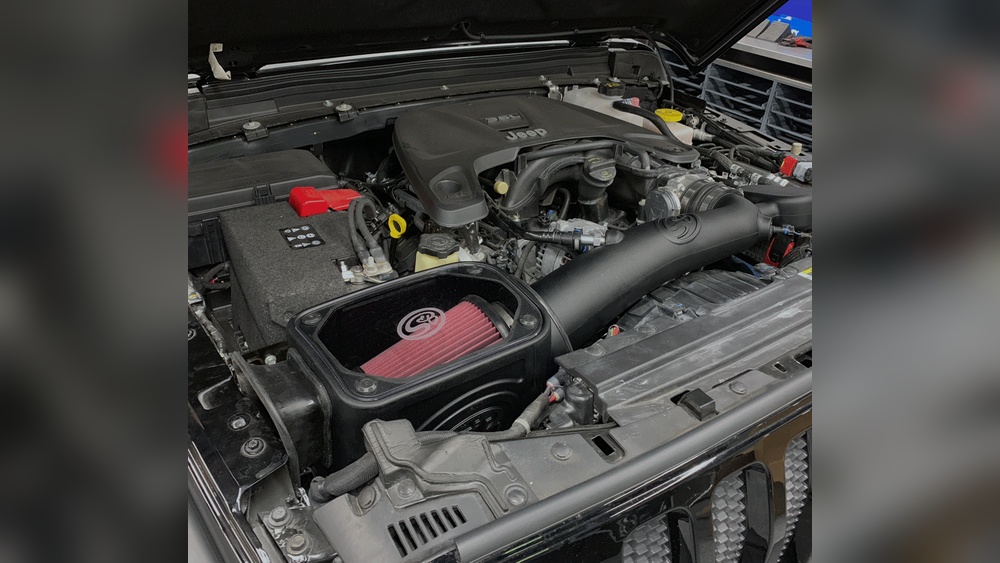
This means your engine gets better air flow and more oxygen.
How Does A Cold Air Intake Work On A Jeep Wrangler?
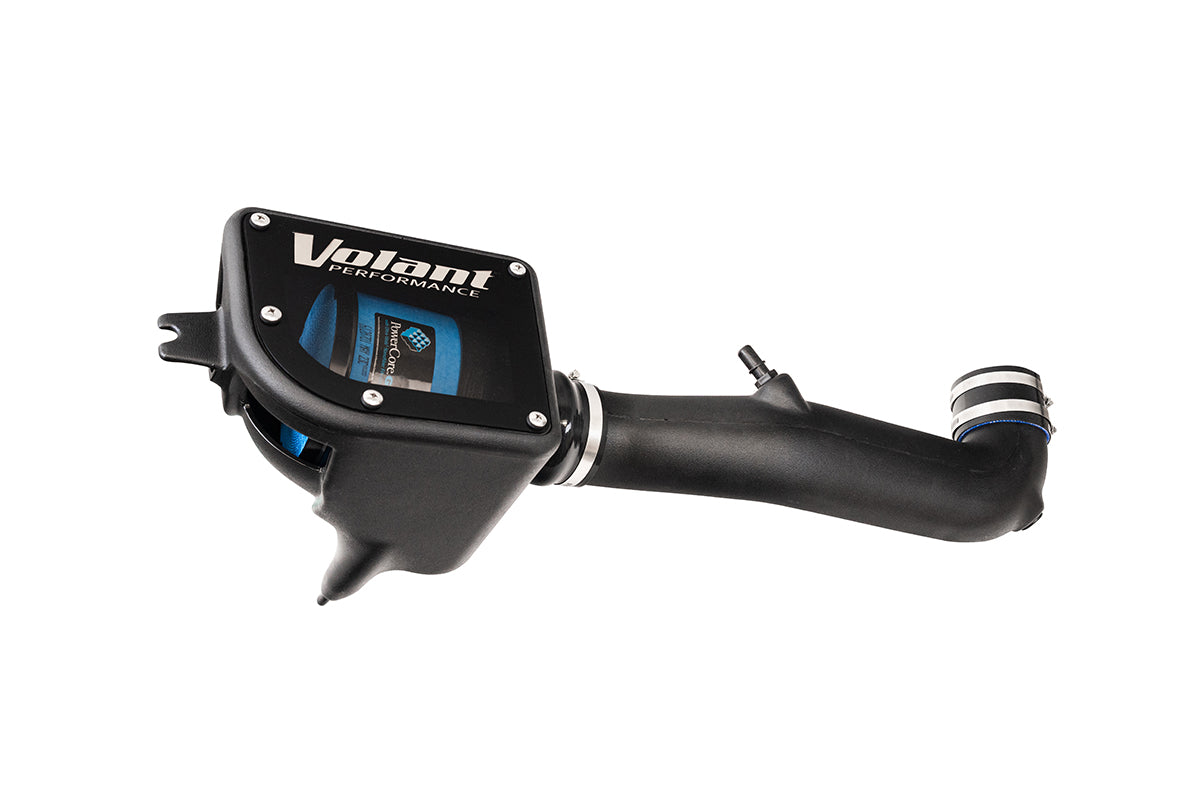
The Jeep Wrangler’s engine, like most engines, needs air to mix with fuel. The stock air intake system is designed for reliability and noise reduction, but it’s not optimized for performance. Cold air intakes:
- Move the air filter away from the engine so it can pull in cooler air.
- Use smooth, wide tubes to reduce resistance.
- Replace the factory filter with a high-flow filter, often made from reusable material.
By doing this, the engine gets cooler, denser air, which can help it produce more power and sometimes improve efficiency.
Jeep Wrangler Cold Air Intake: Real Performance Data
Many drivers want to know if a cold air intake really makes a difference. Let’s look at numbers from dyno tests and real-world reviews.
| Test Vehicle | Stock HP | With Cold Air Intake HP | Gain |
|---|---|---|---|
| Jeep Wrangler 3.6L V6 | 285 | 292 | +7 HP |
| Jeep Wrangler 2.0L Turbo | 270 | 274 | +4 HP |
| Jeep Wrangler 3.8L V6 (older model) | 202 | 206 | +4 HP |
Most cold air intake systems for Jeep Wranglers add between 3–10 horsepower. This may not sound huge, but for some drivers, even a small gain is noticeable.
Benefits Of Installing A Cold Air Intake
Upgrading to a cold air intake can offer several advantages, depending on your needs and driving style.
- Increased horsepower: As shown in the table above, you can expect a modest boost.
- Better throttle response: The engine feels more responsive, especially when accelerating.
- Improved engine sound: Many cold air intakes give your Jeep a deeper, sportier sound.
- Reusable filters: Most systems come with washable filters, saving money over time.
- Potential fuel efficiency: Some users report a slight improvement in MPG, though this is not guaranteed.

Downsides And Risks
Every upgrade has trade-offs. Here’s what to watch out for with cold air intakes:
- Minimal power gains: If you expect a huge jump in performance, you may be disappointed.
- Possible check engine light: Some intakes can trigger error codes, especially if not installed correctly.
- Water risk: Cold air intakes that draw air from lower in the engine bay can suck in water during deep water crossings, risking engine damage.
- Noise increase: The new intake may be louder than stock, which can be annoying for some drivers.
- Warranty issues: Some dealers may question warranty coverage if the intake causes problems.
Jeep Wrangler Cold Air Intake Vs. Stock Intake
To help you see the differences, here’s a clear comparison:
| Feature | Stock Intake | Cold Air Intake |
|---|---|---|
| Air Temperature | Warm (from engine bay) | Cooler (from outside) |
| Filter Type | Paper (disposable) | High-flow, reusable |
| Noise Level | Quiet | Louder, sportier |
| Horsepower Gain | None | 3–10 HP |
| Warranty Impact | None | Possible issues |
| Water Resistance | Good | Varies (risk in deep water) |
Is A Cold Air Intake Worth It For Your Jeep Wrangler?
This is the real question. The answer depends on your goals, driving habits, and expectations.
When It Makes Sense
- You want better engine sound and a small performance boost.
- You enjoy simple DIY upgrades and like maintaining your Jeep.
- You don’t drive through deep water or mud often.
- You care about reusable filters and saving money long-term.
When It Might Not Be Worth It
- You expect big horsepower gains.
- You worry about warranty coverage or check engine lights.
- You drive through water and mud regularly (risk of hydrolock).
- You prefer a quiet ride.
Non-obvious Insights: What Most Beginners Miss
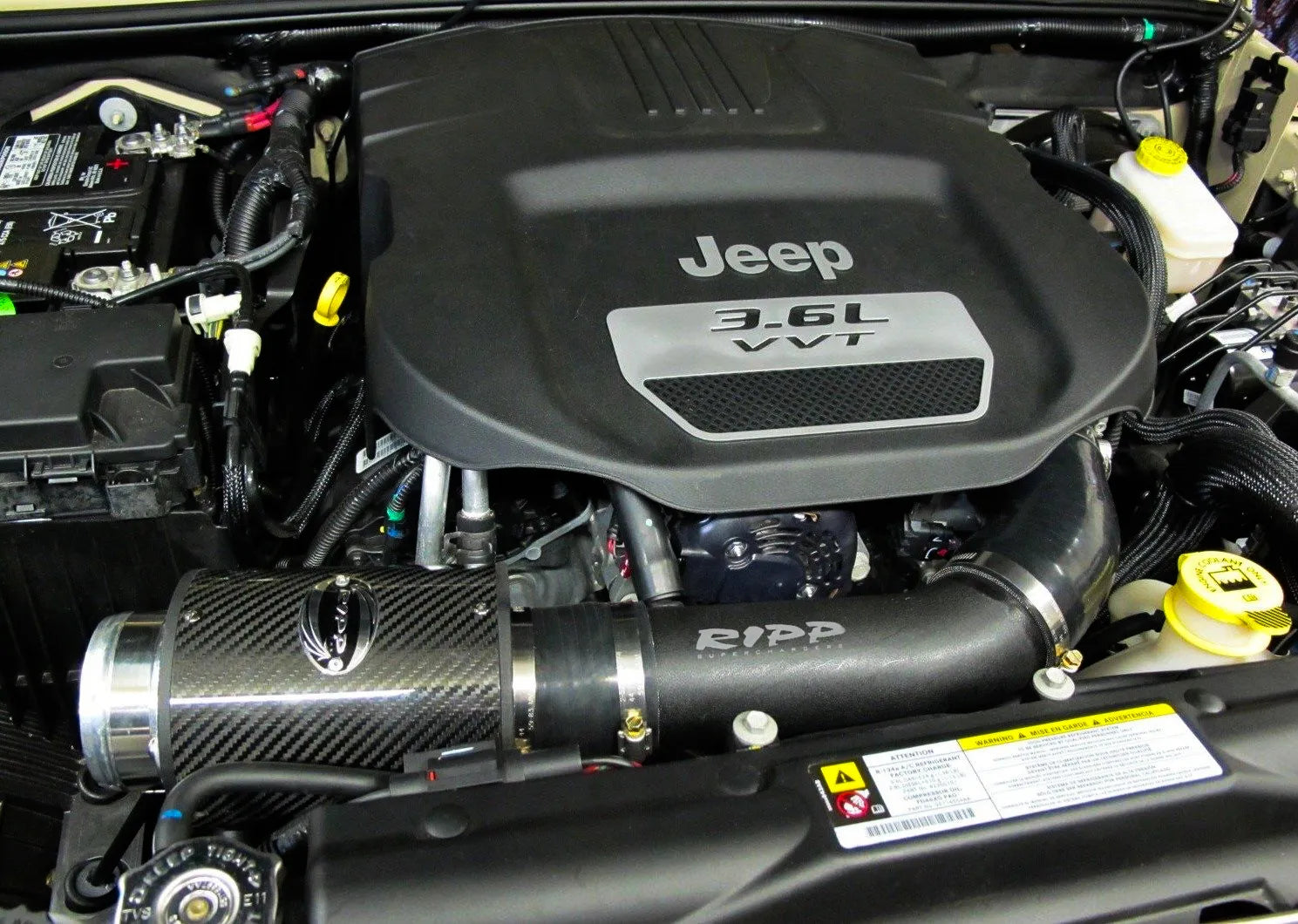
- Placement matters: Not all cold air intakes are the same. Some pull air from low in the engine bay, making them risky for off-roaders who cross streams. Others are designed to stay high and dry. Always check the design before buying.
- Tuning is not always needed: Many cold air intakes claim you need to tune your engine after installation. For most Jeep Wranglers, this is optional. The ECU usually adjusts on its own, but a tune can help maximize gains if you combine it with other upgrades.
How To Choose The Right Cold Air Intake
Choosing the best cold air intake for your Wrangler isn’t just about brand. Here’s what matters most:
- Fitment: Make sure the intake is made for your exact Jeep model and engine.
- Material: Look for heat-resistant tubes and high-quality filters.
- Water protection: If you off-road, consider intakes with shields or snorkel options.
- Ease of installation: Most kits come with instructions, but some are easier to install than others.
- Brand reputation: Read reviews and look for brands with proven reliability.
Common buyer mistakes include buying a system that doesn’t fit their Jeep, choosing a cheap intake with low-quality materials, or ignoring the risk of water entering the system.
Installation: What To Expect
Installing a cold air intake is usually a simple project. Most kits require basic tools and take about 30–60 minutes.
Steps usually include:
- Removing the stock air intake and filter.
- Installing the new intake tube and filter.
- Securing all clamps and connections.
- Checking for leaks or loose parts.
Tip: Always disconnect the battery before starting to avoid error codes. After installation, drive gently for a few miles to allow the engine’s computer to adjust.
Cost: What Will You Spend?
Cold air intake systems for Jeep Wranglers range from $200–$400 for most popular brands. Some high-end systems can cost more. Installation at a shop may add another $100–$200, though most owners do it themselves.
| Brand | Price Range | Installation Difficulty |
|---|---|---|
| K&N | $250–$350 | Easy (DIY) |
| Volant | $300–$400 | Moderate |
| AEM | $200–$300 | Easy (DIY) |
| Spectre | $180–$250 | Easy (DIY) |
Are There Alternatives To Cold Air Intakes?
If you’re looking for performance but aren’t sure about a cold air intake, consider:
- High-flow drop-in filters: These replace your factory filter but keep the stock intake. They’re cheaper and easier to install.
- Snorkels: For off-roaders, a snorkel lifts the air intake higher, protecting from water and dust.
- Exhaust upgrades: Pairing a cold air intake with a performance exhaust can give better results.
Expert Opinion: Is It Worth It?
Most Jeep mechanics and experienced owners agree—a cold air intake is a fun, simple upgrade. The gains are small but real. The sound and look often matter more than the numbers. For those who enjoy customizing, it’s a satisfying project.
However, don’t expect miracles. If your goal is massive horsepower or big MPG improvements, you’ll likely be disappointed. For most drivers, the cold air intake is about personalizing your Jeep and enjoying a bit more performance.
For more technical details and research on cold air intakes, you can check Wikipedia.
Frequently Asked Questions
How Much Horsepower Will A Cold Air Intake Add To My Jeep Wrangler?
Most cold air intakes add 3–10 horsepower. The exact gain depends on your engine, the intake brand, and how well it’s installed. The improvement is usually small but noticeable for some drivers.
Will A Cold Air Intake Improve My Fuel Economy?
Some Jeep owners report a slight improvement in miles per gallon (MPG), but this isn’t guaranteed. If you drive aggressively to enjoy the new sound and power, your MPG may actually drop.
Is A Cold Air Intake Safe For Off-roading?
It depends. Some cold air intakes are designed for dry, rocky trails. If you drive through water or mud, choose an intake with water protection or stick with the stock system. Water entering the engine can cause serious damage.
Can Installing A Cold Air Intake Void My Warranty?
Most cold air intakes won’t void your Jeep’s warranty if installed correctly. However, if the intake causes damage (like water entering the engine), some dealers may refuse warranty coverage. Always keep your original parts in case you need to switch back.
Do I Need To Tune My Jeep After Installing A Cold Air Intake?
For most Jeep Wranglers, tuning is not required. The engine computer (ECU) will adjust automatically. However, if you combine the intake with other upgrades (like exhaust or supercharger), a professional tune can help maximize performance.
A cold air intake is a popular upgrade for Jeep Wrangler owners who want a bit more power, a deeper engine sound, and a reusable filter. The real gains are modest, but the experience can be enjoyable and satisfying. If you understand the risks and choose the right system for your driving style, a cold air intake can be a worthwhile addition to your Jeep. Always balance your expectations with real-world data, and enjoy the process of making your Wrangler your own.