When you own a Jeep Wrangler, you expect adventure, reliability, and the thrill of off-road journeys. But like any vehicle, the Wrangler’s engine parts eventually wear out.
One critical part is the camshaft. If your Wrangler starts running rough, loses power, or makes unusual noises, a worn camshaft could be the culprit.
Replacing this part is a big task, but knowing the process, tools, and common mistakes can save you time, money, and stress. This guide will walk you through everything about Jeep Wrangler camshaft replacement, whether you’re a DIY fan or want to talk smart with your mechanic.
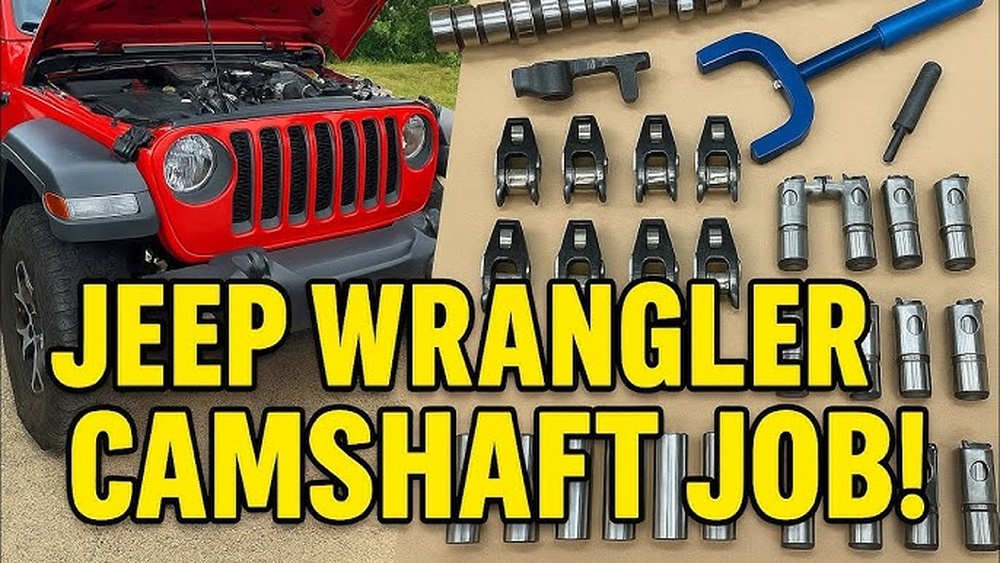
What Does The Camshaft Do In A Jeep Wrangler?
The camshaft is vital to your engine’s performance. Its job is to open and close the engine’s intake and exhaust valves at exactly the right time. In a Jeep Wrangler, precise valve timing is crucial for strong torque, smooth idling, and proper combustion. If the camshaft is damaged or worn out, the engine can misfire, lose power, or even fail to start.
Wranglers, especially older models or those used for off-roading, can experience camshaft wear earlier due to dirt, heat, and high engine loads. A healthy camshaft keeps the iconic Jeep spirit alive, both on and off the road.
Signs Your Camshaft Needs Replacement
Recognizing camshaft problems early can prevent bigger engine damage. Watch for these warning signs:
- Tapping or ticking noises from the engine
- Rough idling or engine shaking
- Loss of power, especially during acceleration
- Check Engine Light turns on
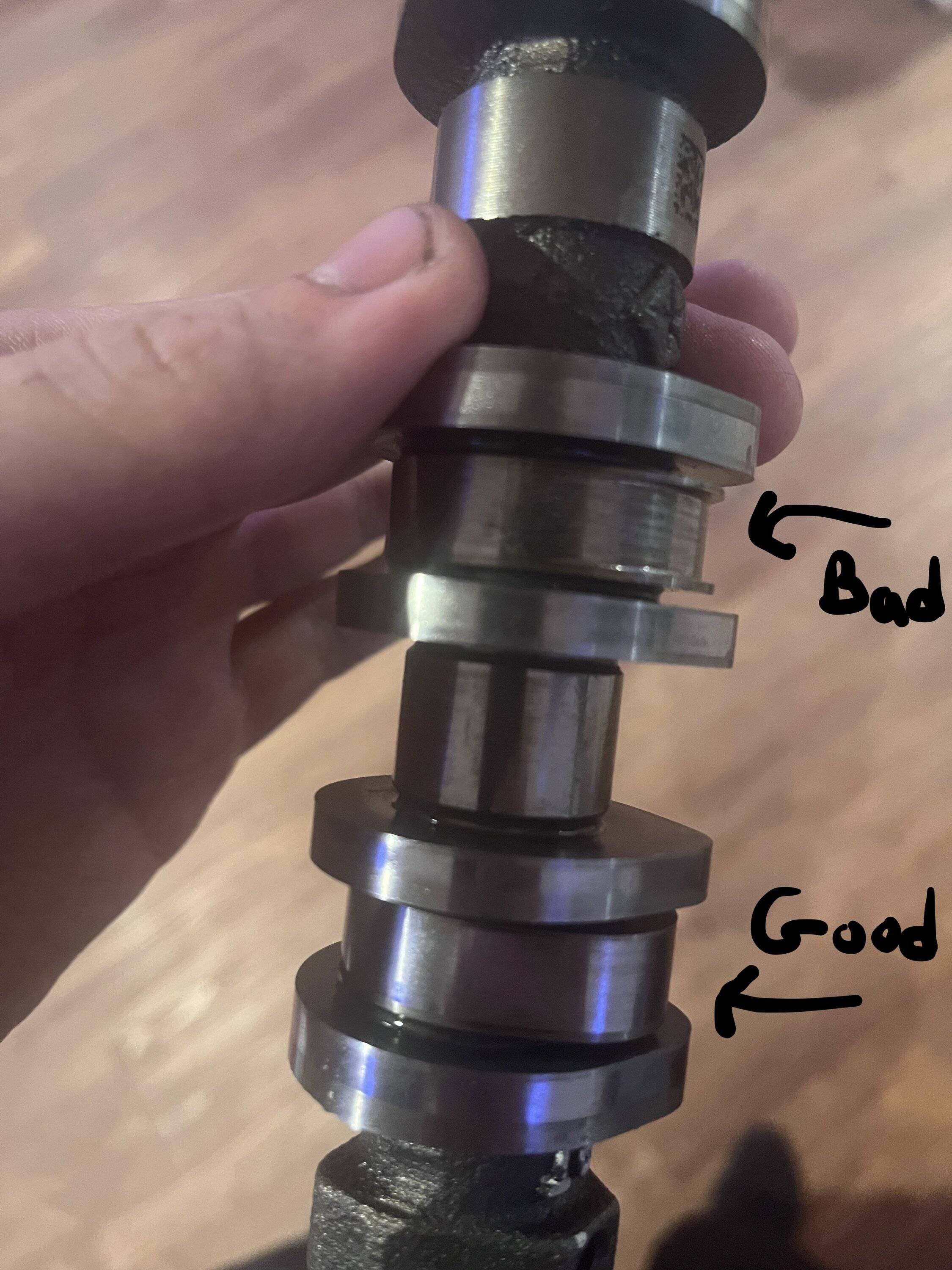
- Metal shavings in the engine oil
- Frequent misfires or hard starting
These symptoms don’t always mean a bad camshaft, but they’re serious enough to warrant inspection.
Jeep Wrangler Camshaft Types And Compatibility
Not all Jeep Wrangler camshafts are the same. Different generations and engine options use different cam designs. Here’s a quick comparison to help you understand the differences:
| Model Year | Engine Type | Camshaft Material | Valve Configuration |
|---|---|---|---|
| 1997-2006 | 4.0L I6 | Cast Iron | OHV (Pushrod) |
| 2007-2011 | 3.8L V6 | Cast Iron | OHV (Pushrod) |
| 2012-2018 | 3.6L V6 (Pentastar) | Steel | DOHC |
| 2018-present | 2.0L Turbo, 3.6L V6 | Steel/Alloy | DOHC |
Choosing the correct camshaft is essential. Mixing up camshafts from different engine types can cause severe engine damage.
Preparing For Camshaft Replacement
Tools And Equipment Needed
Before you start, gather the right tools. Missing tools can stall the job and lead to mistakes. Here’s what you’ll need:
- Socket and wrench set (metric and SAE)
- Screwdrivers
- Torque wrench
- Harmonic balancer puller
- Timing chain tool or kit
- Gasket scraper
- Engine assembly lube
- Clean rags and engine-safe cleaner
- Oil drain pan
For some models, you may also need a camshaft holding tool and a timing cover puller.
New Parts And Supplies
Along with the camshaft, consider replacing these parts:
- Timing chain or belt
- Timing cover gasket
- Valve cover gasket
- Camshaft bearings (if worn)
- Engine oil and filter
Replacing related parts helps avoid future issues and saves on labor costs.
Step-by-step Guide: Jeep Wrangler Camshaft Replacement
Camshaft replacement is not a beginner-level job, but with patience and the right approach, you can do it at home. Here’s a simplified overview of the process:
1. Preparation And Safety
- Park the Wrangler on a flat surface, engage the parking brake, and disconnect the battery.
- Drain the engine oil to prevent spills.
- Remove the hood for easier access if necessary.
2. Disassemble Engine Components
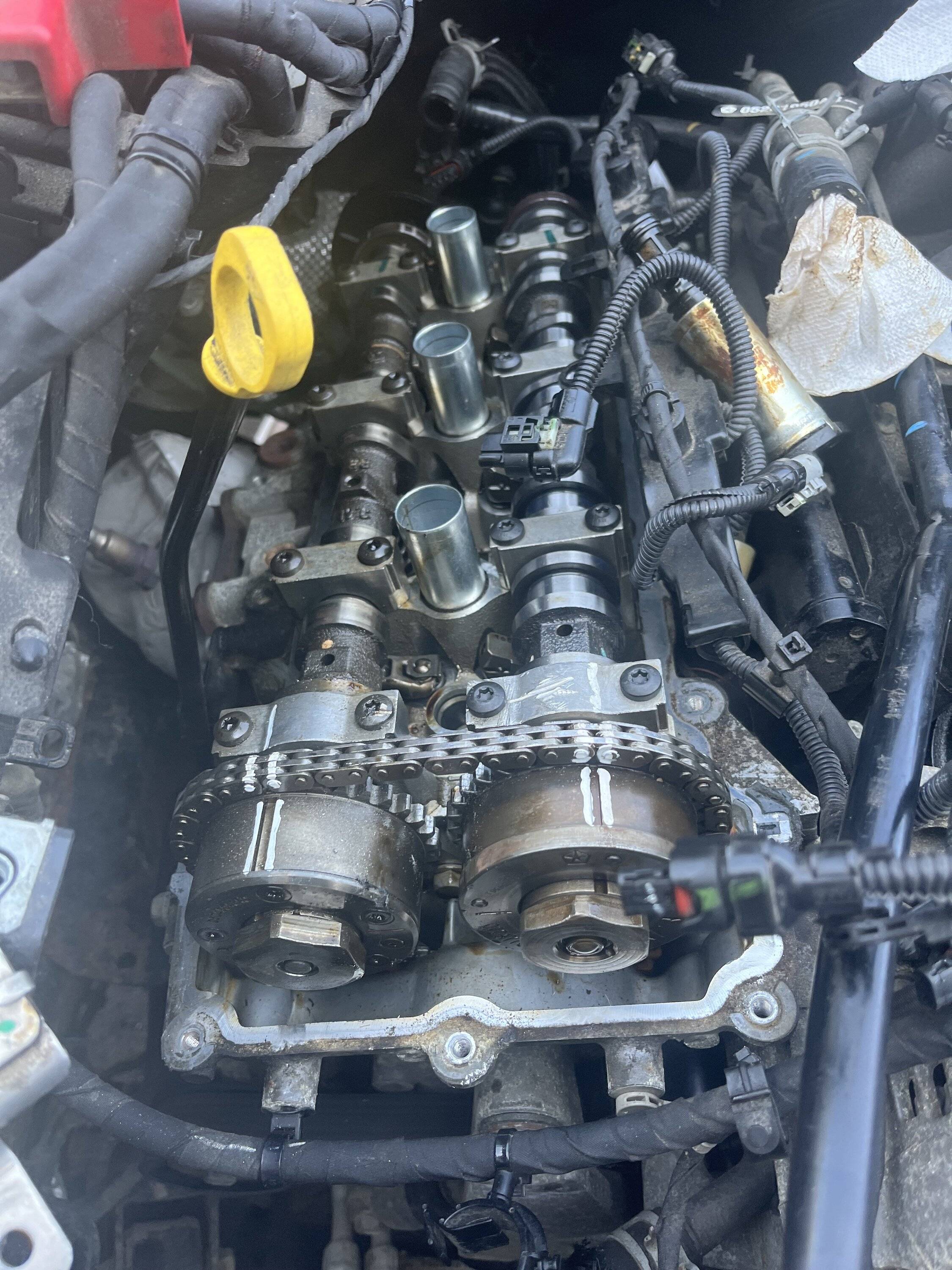
- Remove any parts blocking access, such as the radiator, fan, serpentine belt, and air intake.
- Take off the valve cover(s), timing cover, and, on some models, the intake manifold.
- Mark the timing chain or belt position before removal to keep engine timing correct.
3. Remove The Old Camshaft
- Remove the timing chain or belt.
- Unbolt the camshaft bearing caps in sequence.
- Carefully slide the old camshaft out, supporting its weight to avoid damage.
4. Inspect Engine Parts
- Check camshaft bearings for wear. Replace if necessary.
- Inspect lifters, pushrods, and timing chain for damage.
- Clean the camshaft housing and surrounding area.
5. Install The New Camshaft
- Lubricate the new camshaft with engine assembly lube.
- Slide the camshaft gently into place, aligning it with bearings.
- Torque the bearing caps to the factory specification.
6. Reassemble And Time The Engine
- Reinstall the timing chain or belt, aligning all timing marks.
- Refit the timing cover, valve cover, and all removed parts.
- Replace gaskets as needed.
- Fill the engine with new oil and a fresh filter.
7. Final Checks And Start-up
- Double-check all connections and torque specs.
- Reconnect the battery.
- Start the engine. Listen for unusual noises and check for oil leaks.
- Let the engine reach normal temperature and monitor performance.
Estimated Time And Difficulty
A typical camshaft replacement on a Jeep Wrangler takes 6–12 hours, depending on engine type and experience. It’s a moderate to advanced job, so beginners should consider asking a knowledgeable friend or a mechanic for help.
Common Mistakes To Avoid
Many DIYers make the same errors when replacing the camshaft. Here are some pitfalls to watch for:
- Skipping timing marks: Not marking the timing chain or belt can cause poor engine timing and rough running.
- Not replacing related parts: Old gaskets, worn timing chains, or neglected bearings can cause leaks and failures soon after.
- Forgetting lubrication: The new camshaft must be coated with assembly lube to prevent damage during the first startup.
- Improper torque: Over-tightening or under-tightening bolts can crack parts or cause leaks.
- Rushing reassembly: Missing bolts, loose connections, or poor gasket seating can lead to more repairs.
Be methodical, patient, and always check your work.
Cost Of Camshaft Replacement
The cost varies based on model, engine, and whether you do it yourself or pay a shop. Here’s a comparison:
| Replacement Type | DIY Cost (Parts) | Professional Cost | Time Estimate |
|---|---|---|---|
| 4.0L I6 (1997-2006) | $250 – $500 | $900 – $1,600 | 6–10 hours |
| 3.6L V6 (2012+) | $400 – $700 | $1,200 – $2,200 | 8–12 hours |
| 3.8L V6 (2007-2011) | $300 – $600 | $1,000 – $1,800 | 7–11 hours |
Labor is the biggest cost. DIY can save hundreds, but only attempt it if you’re confident and have the right tools.
Tips For A Smooth Camshaft Replacement
- Take photos as you disassemble. This helps during reassembly.
- Label bolts and parts with tape or bags for easy tracking.
- Work slowly—rushing leads to mistakes.
- Check the service manual for torque specs and sequence.
- If in doubt, consult a professional or Jeep specialist.
A lesser-known tip: after installing the new camshaft, change the oil again after a few hundred miles. This helps remove any debris from the repair.
When To Consult A Professional
Replacing a camshaft is complex. Seek help if:
- You don’t have access to specialty tools.
- You’re unsure about engine timing.
- You find unexpected engine damage during disassembly.
- The repair takes much longer than expected.
An experienced mechanic can save you from costly errors and future breakdowns. Sometimes, investing in professional help avoids bigger repair bills down the road.
Upgrading Your Camshaft: Performance Vs. Oem
Some Jeep owners use this moment to upgrade to a performance camshaft. This can increase horsepower, torque, and throttle response, especially for off-roading or towing. However, performance cams may change idle quality and fuel economy.
Consider these factors before upgrading:
- Warranty: Aftermarket cams can void engine warranties.
- Compatibility: Not all performance cams fit all engines.
- Tuning: Some upgrades require computer reprogramming.
If you mostly drive on highways, an OEM camshaft is the safest choice. For serious off-roaders, a well-chosen performance cam can unlock new capabilities.
For more technical details on camshafts and their function, check Wikipedia.
How Long Does A Camshaft Last In A Jeep Wrangler?
With regular oil changes and maintenance, a camshaft can last over 150,000 miles. Off-road driving, infrequent oil changes, or low-quality oil can shorten its life.
Can I Drive My Jeep With A Bad Camshaft?
Driving with a bad camshaft is risky. It can cause engine misfires, poor performance, and eventually lead to more serious engine damage. Replace the camshaft as soon as possible.
Is Special Tuning Needed After Camshaft Replacement?
If you install a stock (OEM) camshaft, usually no tuning is needed. For performance camshafts, engine computer tuning may be required to optimize power and prevent issues.
What Are The Symptoms Of A Failing Camshaft Position Sensor Vs. A Bad Camshaft?
A bad camshaft position sensor often causes starting problems or a no-start condition, while a failing camshaft itself leads to tapping noises, loss of power, and rough idling. Sometimes, both can fail together, so proper diagnosis is important.
Can I Reuse My Old Lifters When Changing The Camshaft?
It’s best to replace lifters when installing a new camshaft, especially if the old ones show wear. Mixing old lifters with a new cam can cause rapid wear and damage.
Replacing your Jeep Wrangler’s camshaft can seem intimidating, but with the right information and careful work, it’s within reach for many enthusiasts. Whether you do it yourself or visit a pro, understanding the process protects your investment and keeps your Wrangler ready for adventure.