When your Jeep Wrangler starts to run rough, the check engine light comes on, or you notice a drop in fuel efficiency, a faulty oxygen sensor is often the culprit.
These sensors play a vital role in your vehicle's emissions control system, helping the engine computer manage the air-fuel mixture for optimal performance and reduced pollution. For Jeep Wrangler owners, understanding the location of these sensors, especially Bank 1 Sensor 2, is key to diagnosing and fixing these issues.
This guide will walk you through exactly where to find this specific sensor on your Wrangler, what it does, and why its location is important.
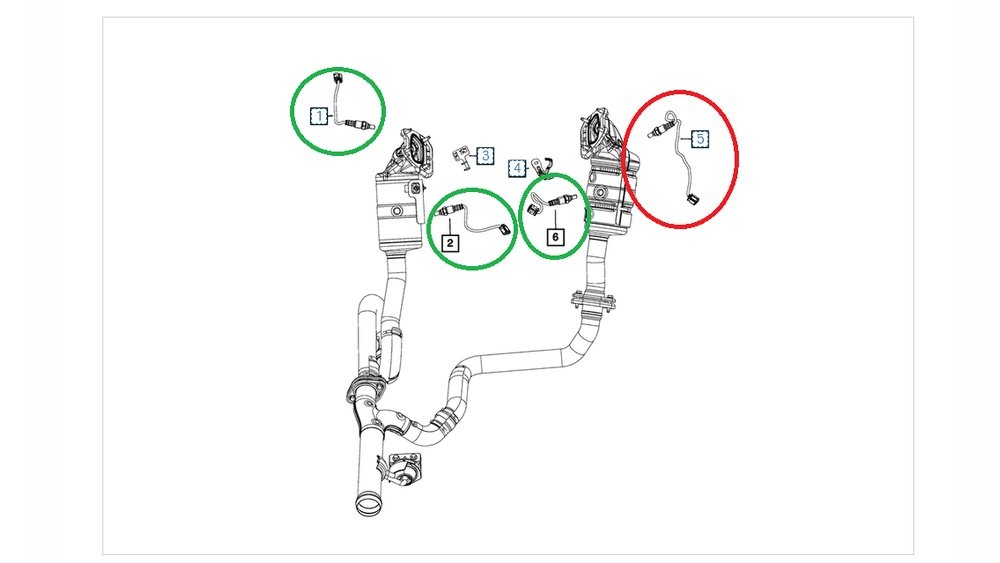
Understanding Oxygen Sensors In Your Jeep Wrangler
Before we dive into the specific location of Bank 1 Sensor 2, it’s helpful to understand what oxygen sensors (often called O2 sensors) are and how they work within your Jeep Wrangler. Your engine needs a precise mix of air and fuel to burn efficiently.
Too much air (lean mixture) or too much fuel (rich mixture) can cause performance problems, increase emissions, and even damage your engine over time.
Oxygen sensors are the eyes and ears of your engine’s computer, also known as the Powertrain Control Module (PCM). They are located in the exhaust system and measure the amount of unburned oxygen in the exhaust gases.
By analyzing this data, the PCM can adjust the air-fuel ratio in real-time.
- Sensor 1 (Upstream Sensor): This sensor is located *before* the catalytic converter in the exhaust system. Its primary job is to measure the oxygen content of the exhaust gases leaving the engine cylinders. This reading is crucial for the PCM to make immediate adjustments to the air-fuel mixture.
- Sensor 2 (Downstream Sensor): This sensor is located *after* the catalytic converter. Its main purpose is to monitor the performance of the catalytic converter. It checks how effectively the converter is cleaning the exhaust gases. If the readings from Sensor 2 are too similar to Sensor 1, it often indicates that the catalytic converter is not working as it should.
Decoding “bank 1 Sensor 2”
The terms "Bank 1" and "Bank 2" are used in vehicles with V-shaped engines (V6, V8, etc. ).
These engines have two separate banks of cylinders, each with its own exhaust manifold and often its own set of oxygen sensors.
- Bank 1: This is the bank of cylinders that contains cylinder #1. On most inline engines (like some Wrangler models), there’s only one bank, so “Bank 1” refers to the only bank present.
- Bank 2: This is the opposite bank of cylinders from Bank 1.
The “Sensor 2” part, as explained above, refers to the downstream sensor, located after the catalytic converter.
Therefore, Bank 1 Sensor 2 refers to the downstream oxygen sensor on the exhaust bank that contains cylinder #1. For Jeep Wranglers with inline engines, there is usually only one exhaust system and one catalytic converter, so you’ll typically only have one “Bank 1 Sensor 2.” For V-engine Wranglers, Bank 1 Sensor 2 would be on the passenger side or the side where cylinder #1 is located.
Locating Bank 1 Sensor 2 On Your Jeep Wrangler
The exact location of Bank 1 Sensor 2 can vary slightly depending on the specific year and engine configuration of your Jeep Wrangler. However, the general principle remains the same: it’s always located in the exhaust system, downstream of the catalytic converter.
Wranglers With Inline Engines (e.g., 3.6l Pentastar)
Many modern Jeep Wranglers, particularly those with the popular 3. 6L Pentastar engine, use an inline-6 or V6 configuration.
For these models, identifying Bank 1 Sensor 2 is usually straightforward.
- Locate the Catalytic Converter: The catalytic converter is a large, often oval-shaped metal box situated in the exhaust pipe, usually somewhere between the engine and the muffler. It’s typically positioned underneath the vehicle.
- Follow the Exhaust Pipe After the Converter: ** Once you’ve found the catalytic converter, trace the exhaust pipe as it continues towards the rear of the vehicle.
- Identify the Sensor: Bank 1 Sensor 2 will be screwed into the exhaust pipe *after* the catalytic converter. It will have a wire harness connected to it, which leads back to the PCM. There might be a heat shield protecting the sensor and its wiring.
Pro Tip: On many Wranglers, especially those with a single exhaust system, there will only be one downstream O2 sensor. This sensor effectively serves as “Bank 1 Sensor 2” because there is no Bank 2.
Wranglers With V-engines (less Common In Recent Models)
If you have an older Wrangler model with a V8 or a less common V-engine configuration, you might have two exhaust banks and two catalytic converters.
- Identify Bank 1: Determine which side of the V-engine is Bank 1 (the side containing cylinder #1). This information can often be found in your owner’s manual or by looking up your specific engine diagram. Typically, on American V8 engines, Bank 1 is the passenger side.
- Locate the Bank 1 Catalytic Converter: Find the catalytic converter connected to the exhaust manifold of Bank 1.
- Follow the Bank 1 Exhaust Pipe: Trace the exhaust pipe *after* the Bank 1 catalytic converter.
- Identify Bank 1 Sensor 2: The sensor screwed into this pipe, downstream of the converter, is your Bank 1 Sensor 2.
Important Note: Some Wranglers, especially those with dual exhaust systems, might have two downstream O2 sensors, one for each bank. In such cases, Bank 1 Sensor 2 is specifically the one on the Bank 1 side.
Visual Identification
Oxygen sensors are typically small, metal components with a threaded base that screws into the exhaust pipe. They have a wire connector that usually has a distinctive color (often gray or black) and can have one to four wires coming out of it.
Why Bank 1 Sensor 2 Matters
Bank 1 Sensor 2 plays a crucial role in your Jeep Wrangler’s emissions system. Its primary function is to monitor the efficiency of the catalytic converter.
The catalytic converter is designed to convert harmful pollutants in the exhaust gases (like carbon monoxide, hydrocarbons, and nitrogen oxides) into less harmful substances (like water vapor, carbon dioxide, and nitrogen). The downstream O2 sensor (Sensor 2) helps the PCM verify that this conversion process is happening effectively.
- Catalytic Converter Efficiency: When the Bank 1 Sensor 2 detects oxygen levels that are too high or too low, it signals to the PCM that the catalytic converter might not be functioning correctly. This can lead to the check engine light illuminating.
- Emissions Testing: A properly functioning Bank 1 Sensor 2 is essential for passing emissions tests. If the sensor indicates a problem with the catalytic converter, your vehicle will likely fail.
- Fuel Economy: While the upstream sensor (Sensor 1) has a more direct impact on real-time fuel mixture adjustments, a failing downstream sensor can indirectly affect fuel economy. If the PCM suspects a catalytic converter issue due to faulty Sensor 2 readings, it might default to a less efficient fuel map.
Common Issues And Symptoms
When Bank 1 Sensor 2 fails or becomes faulty, you might experience several symptoms:
- Check Engine Light (CEL): This is the most common indicator. Diagnostic trouble codes (DTCs) related to O2 sensor performance or catalytic converter efficiency will be stored in the PCM. Common codes include P0420 (Catalyst System Efficiency Below Threshold Bank 1) and P0136-P0138 (related to O2 sensor circuit issues for Bank 1 Sensor 2).
- Reduced Fuel Efficiency: Although less direct than a faulty upstream sensor, a malfunctioning downstream sensor can eventually lead to poorer gas mileage if the PCM adjusts engine parameters due to perceived issues.
- Emissions Test Failure: As mentioned, a faulty sensor will likely cause your Wrangler to fail emissions testing.
- Rough Idling or Stalling (Less Common for Sensor 2): While more typical of upstream sensor issues, severe problems with the emissions system can sometimes manifest as rough running conditions.
How To Test Bank 1 Sensor 2
Testing an oxygen sensor typically requires a diagnostic scan tool that can read live data from the PCM.
- Scan for Codes: Use an OBD-II scanner to retrieve any stored DTCs. This will confirm if the issue is related to Bank 1 Sensor 2 or the catalytic converter.
- Monitor Live Data: With the engine running, observe the voltage readings from Bank 1 Sensor 2 using the scan tool.
- A healthy downstream O2 sensor should show a relatively stable voltage reading, typically fluctuating between about 0.45V and 0.7V, indicating the catalytic converter is working efficiently. It should not move rapidly like the upstream sensor.
- If the voltage is consistently high or low, or if it mirrors the readings of the upstream sensor, it suggests a problem with the sensor or the catalytic converter.
- Check Wiring and Connections: Inspect the sensor’s wiring harness for any signs of damage, corrosion, or loose connections.
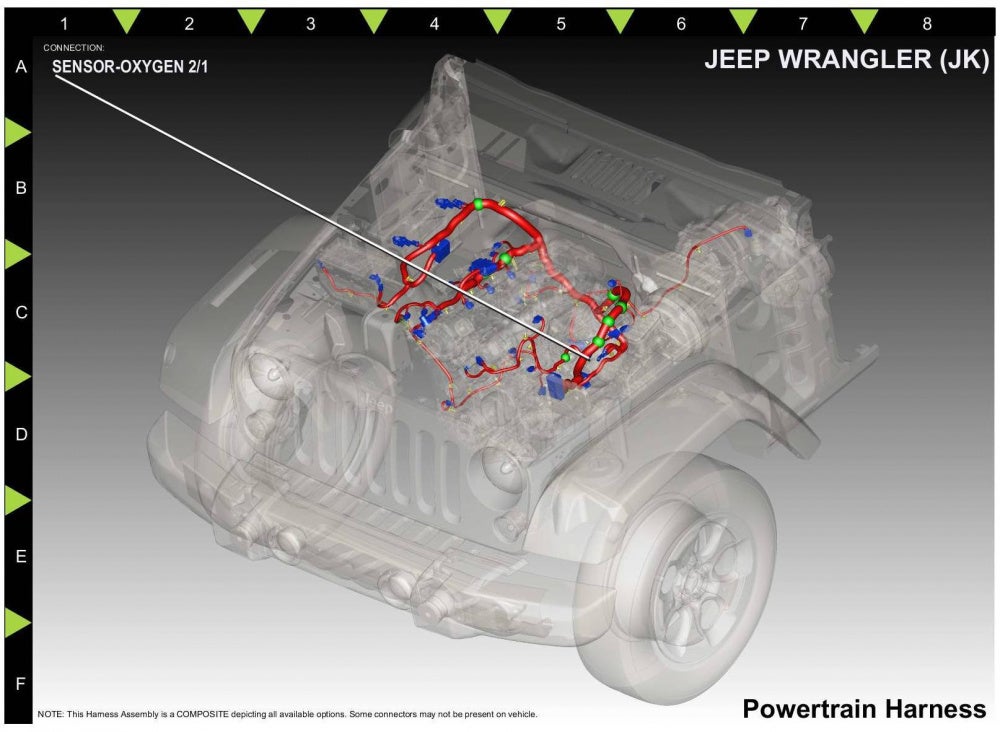
Replacing Bank 1 Sensor 2
If testing confirms that Bank 1 Sensor 2 is faulty, replacement is usually necessary.
Tools You Might Need:
- Oxygen sensor socket set (these have a slot for the wire)
- Ratchet and extension
- Penetrating oil (like PB Blaster or WD-40)
- Torque wrench (optional, but recommended)
- Safety glasses and gloves
- OBD-II scanner
Steps for Replacement:
- Safety First: Ensure the vehicle is parked on a level surface, the parking brake is engaged, and the engine is cool. Wear safety glasses and gloves.
- Locate the Sensor: As described earlier, find Bank 1 Sensor 2 in the exhaust system.
- Disconnect the Wiring: Carefully unplug the electrical connector from the sensor. There’s usually a locking tab you need to press.
- Apply Penetrating Oil: Spray a penetrating oil around the base of the sensor where it threads into the exhaust pipe. Let it soak for 15-30 minutes to help loosen any rust or corrosion.
- Remove the Old Sensor: Use the appropriate oxygen sensor socket and a ratchet to carefully unscrew the old sensor. It might require some force.
- Prepare the New Sensor: Most new sensors come with anti-seize compound pre-applied to the threads. If yours does not, apply a small amount of high-temperature anti-seize to the threads of the new sensor. Do not get anti-seize on the sensor tip.
- Install the New Sensor: Screw the new sensor into the exhaust pipe by hand to avoid cross-threading. Once hand-tight, use the O2 sensor socket and ratchet to tighten it. If you have a torque wrench, tighten to the manufacturer’s specified torque (usually around 30-35 lb-ft, but check your service manual).
- Reconnect the Wiring: Plug the electrical connector of the new sensor back into the vehicle’s wiring harness. Ensure it clicks securely.
- Clear Codes and Test: Use your OBD-II scanner to clear any stored DTCs. Start the engine and let it warm up. Check if the check engine light remains off. Take the vehicle for a test drive to ensure it runs smoothly and that the sensor readings are normal on the scan tool.
Important Consideration: While replacing Bank 1 Sensor 2 is often a DIY job, if you’re not comfortable working under your vehicle or dealing with exhaust components, it’s best to have a professional mechanic perform the replacement.
Factors Affecting Sensor Lifespan
Oxygen sensors are designed to last for many thousands of miles, but several factors can shorten their lifespan:
- Contamination: Leaking coolant, excessive oil consumption (burning oil), or using incorrect fuel additives can contaminate the sensor element, leading to premature failure.
- Exhaust Leaks: Leaks in the exhaust system before or near the O2 sensor can introduce extra oxygen, giving false readings and potentially damaging the sensor.
- Engine Misfires: Frequent engine misfires can send unburned fuel into the exhaust, which can overheat and damage the O2 sensor and the catalytic converter.
- Age and Mileage: Like any component, oxygen sensors degrade over time due to heat cycles and exposure to exhaust gases. Eventually, they simply wear out.

When To Consider Catalytic Converter Replacement
If your Bank 1 Sensor 2 diagnostic codes consistently point to low efficiency (like P0420), and you’ve ruled out exhaust leaks or other engine performance issues, the catalytic converter itself might be failing. The O2 sensor is a diagnostic tool; if it reports a problem, the component it’s monitoring (the catalytic converter) could be the actual issue.
Replacing the catalytic converter is a more expensive repair than replacing an O2 sensor.
Understanding Diagnostic Trouble Codes (dtcs)
When your check engine light comes on, a diagnostic trouble code is stored in the PCM. For Bank 1 Sensor 2 issues, you might see codes like:
- P0136: O2 Sensor Circuit Malfunction (Bank 1 Sensor 2)
- P0137: O2 Sensor Circuit Low Voltage (Bank 1 Sensor 2)
- P0138: O2 Sensor Circuit High Voltage (Bank 1 Sensor 2)
- P0139: O2 Sensor Circuit Slow Response (Bank 1 Sensor 2)
- P0420: Catalyst System Efficiency Below Threshold (Bank 1) – This code often means the Bank 1 Sensor 2 is reporting that the catalytic converter isn’t working well.
These codes help pinpoint the problem area. Always use a reliable OBD-II scanner to retrieve the specific codes before attempting any repairs.

Jeep Wrangler Bank 1 Sensor 2 Location Summary
To recap, finding Bank 1 Sensor 2 on your Jeep Wrangler involves understanding its role as the downstream oxygen sensor on the exhaust bank containing cylinder #1.
- For most Wranglers with single exhaust systems, this will be the single downstream O2 sensor located after the catalytic converter.
- For Wranglers with V-engines and dual exhaust, it will be the downstream O2 sensor on the passenger side or the side designated as Bank 1.
Always trace the exhaust system *after* the catalytic converter to locate this sensor. Its wire harness is the key identifier.