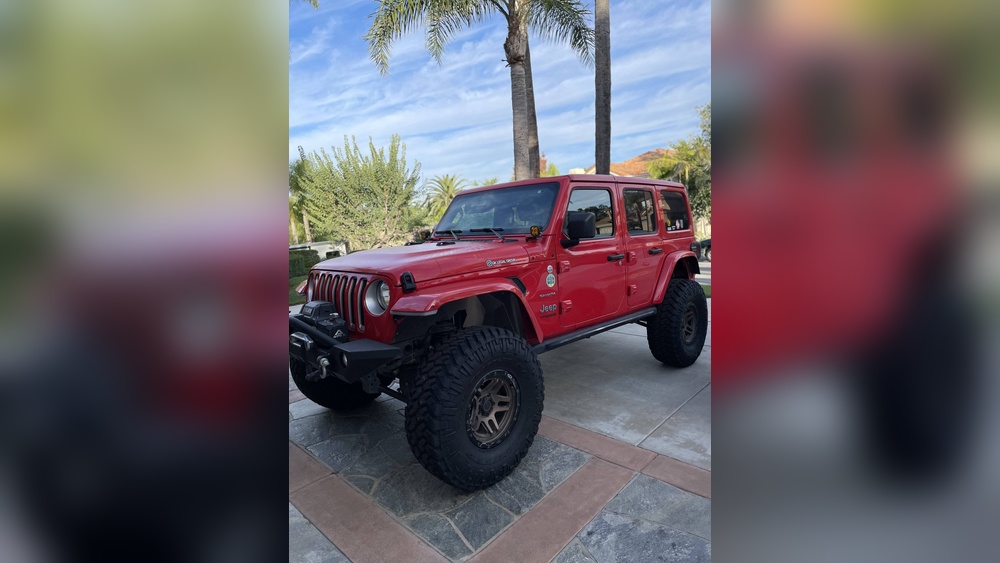
If you own a Jeep Wrangler, you probably enjoy its rugged design and off-road capability. But like all vehicles, regular maintenance is essential to keep it safe and reliable.
One part that often needs attention is the ball joint. Ball joints let your wheels turn smoothly and support the weight of your Jeep.
When they wear out, you might notice clunking noises, steering problems, or uneven tire wear. Replacing ball joints is a common job for Jeep Wrangler owners, especially those who drive in tough conditions or use larger tires.
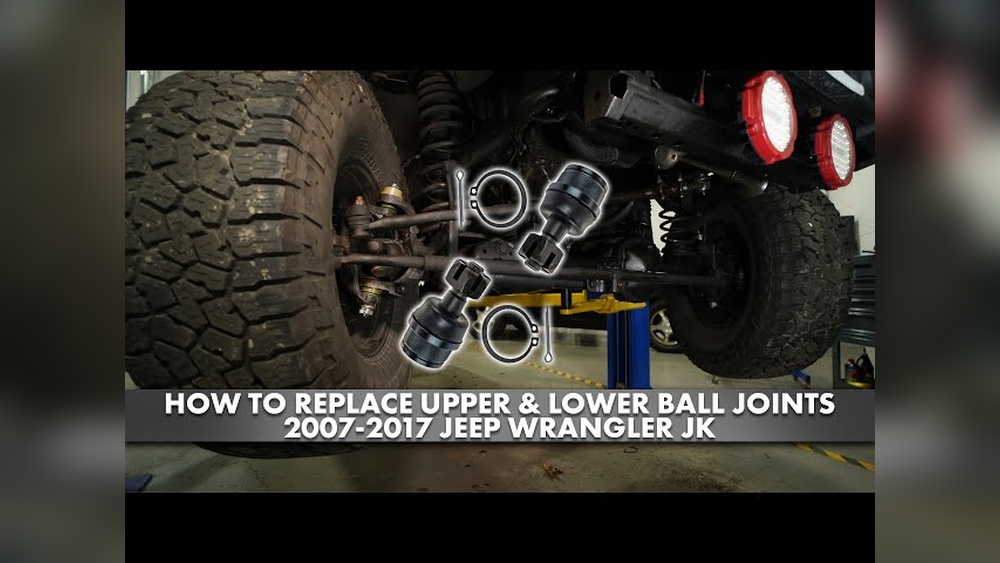
This guide will walk you through everything you need to know about Jeep Wrangler ball joint replacement—from signs of failure to step-by-step instructions, tools, and tips for making the job easier.
What Are Ball Joints And Why Do They Matter?
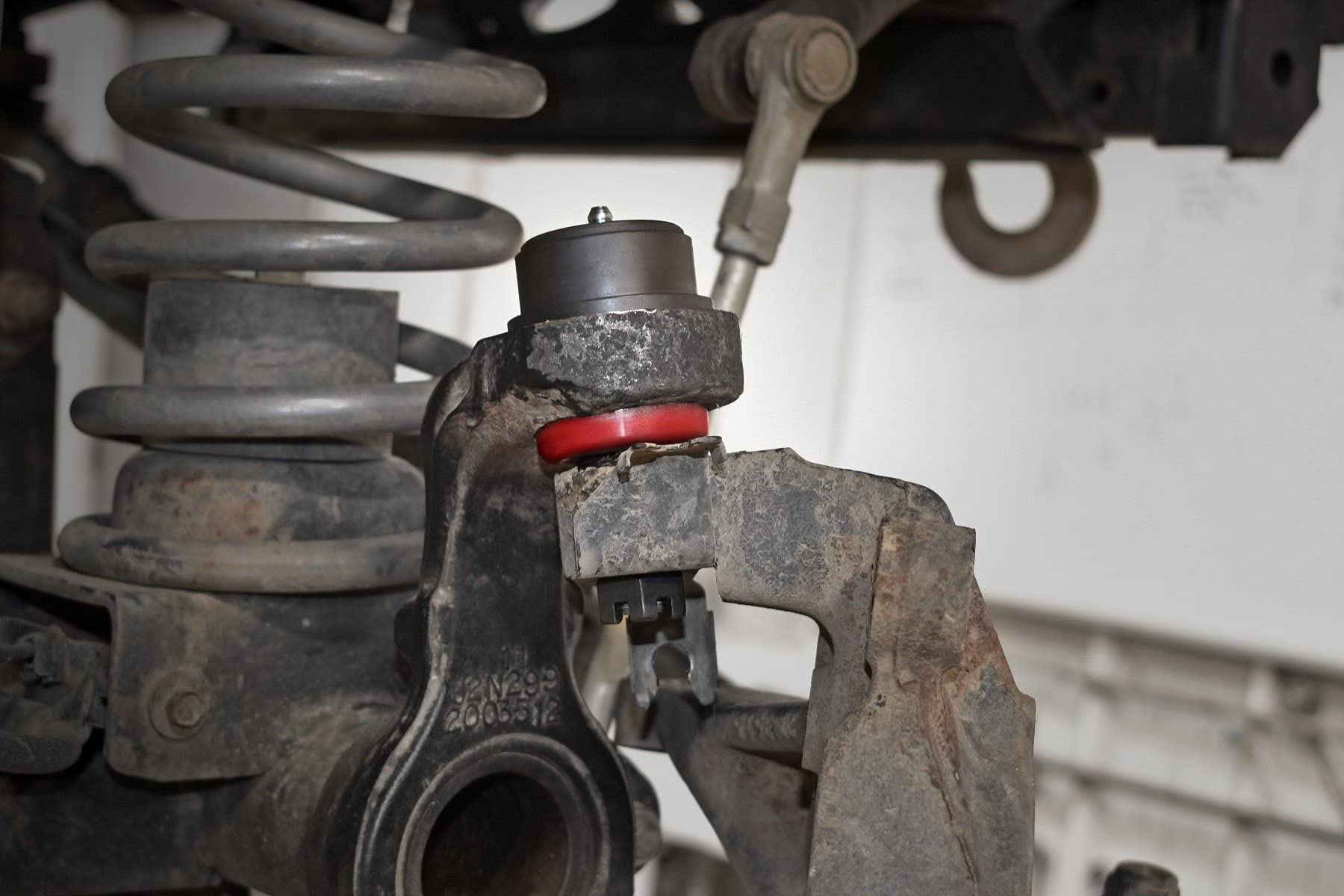
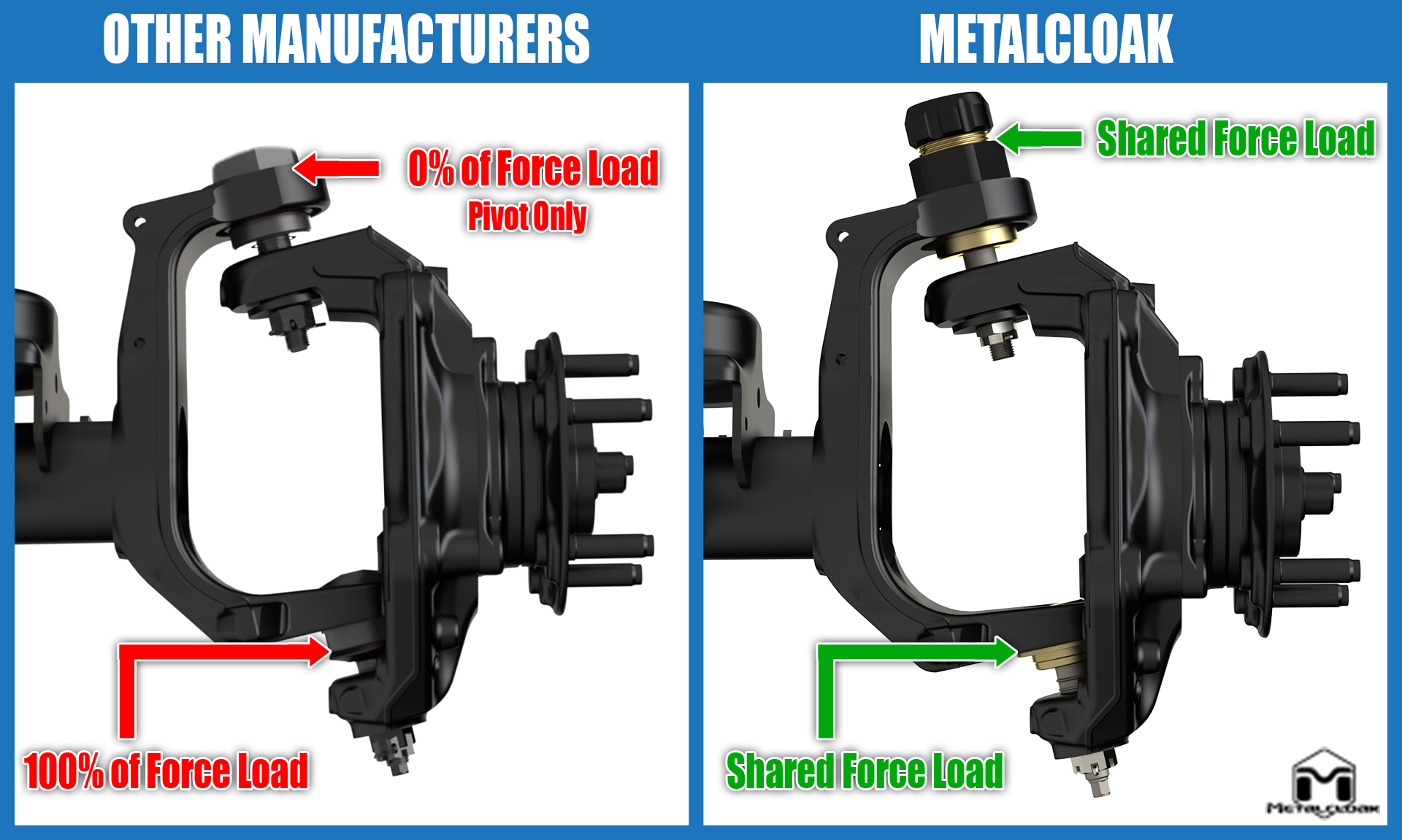
Ball joints are like the hinges of your Jeep’s front suspension. Each front wheel usually has an upper and lower ball joint, connecting the steering knuckle to the axle. These joints allow the suspension to move up and down while you steer left or right. Good ball joints keep your Jeep’s ride smooth, steering precise, and tires wearing evenly.
If a ball joint fails, your wheel can become loose or even separate from the suspension—this is dangerous. That’s why many mechanics suggest checking ball joints every 30,000 miles, especially on vehicles used off-road.
Signs Your Jeep Wrangler Needs Ball Joint Replacement
Knowing when to replace ball joints can save you from expensive repairs and unsafe driving. Here are some clear signs your Jeep Wrangler may need new ball joints:
- Clunking or popping noises from the front end, especially when turning or going over bumps.
- Steering feels loose or wanders while driving straight.
- Uneven tire wear, especially if the inside or outside edge is more worn.
- Vibration in the steering wheel at higher speeds.
- Visible movement when you lift the front tire and try to rock it back and forth by hand.
Ignoring these signs can lead to more damage. For example, worn ball joints can affect your steering and even damage the axle or control arms. If you notice any of these symptoms, check the ball joints soon.
Tools And Parts Needed For Ball Joint Replacement
Replacing ball joints on a Jeep Wrangler is a hands-on task, but with the right tools, it’s manageable for many DIY mechanics. Here’s what you’ll need:
- Jack and jack stands (or a lift)
- Socket set and wrenches (metric and standard)
- Ball joint press kit
- Breaker bar
- Pry bar
- Torque wrench
- Hammer
- Grease gun (for greasable ball joints)
- New ball joints (upper and lower for each side)
- Cotter pins
- Replacement nuts and bolts (if corroded)
- Needle nose pliers
- Shop rags and safety glasses
You can rent a ball joint press at many auto parts stores if you don’t want to buy one. Make sure to buy ball joints designed for your Jeep’s year and model.
Choosing The Right Ball Joints For Your Jeep Wrangler
Not all ball joints are the same. Here’s a quick comparison to help you decide what’s best for your needs:
| Type | Durability | Best For | Price Range |
|---|---|---|---|
| OEM (Original Equipment Manufacturer) | Standard | Stock Wranglers, daily drivers | $40–$80 per joint |
| Heavy-Duty/Upgraded | High | Lifted or off-road Jeeps | $80–$150 per joint |
| Greasable | Very High (with maintenance) | High-mileage or off-road use | $60–$120 per joint |
Pro tip: If you have larger tires or a lift kit, upgrade to heavy-duty or greasable ball joints. They last longer under stress.
Step-by-step Guide To Replacing Jeep Wrangler Ball Joints
Changing ball joints is a technical job. Allow 3–4 hours if it’s your first time. Here’s how to do it safely:
1. Prepare Your Jeep
- Park on a flat surface, set the parking brake, and chock the rear wheels.
- Loosen the front lug nuts with the Jeep still on the ground.
- Jack up the front axle and support it with jack stands.
- Remove the wheels.
2. Remove The Brake Components
- Unbolt the brake caliper and hang it with a wire or bungee (don’t let it hang from the hose).
- Remove the brake rotor.
- If needed, disconnect the ABS sensor wire from the knuckle.
3. Remove The Hub And Axle
- Take off the axle nut using a large socket (often 36mm).
- Remove the three bolts holding the wheel hub to the knuckle.
- Gently tap the hub with a hammer to free it, then slide out the axle shaft.
4. Remove The Steering Knuckle
- Take off the cotter pins and castle nuts from the upper and lower ball joints.
- Use a ball joint separator or pickle fork to break the knuckle free from the ball joints.
- Remove the knuckle and set it aside.
5. Press Out Old Ball Joints
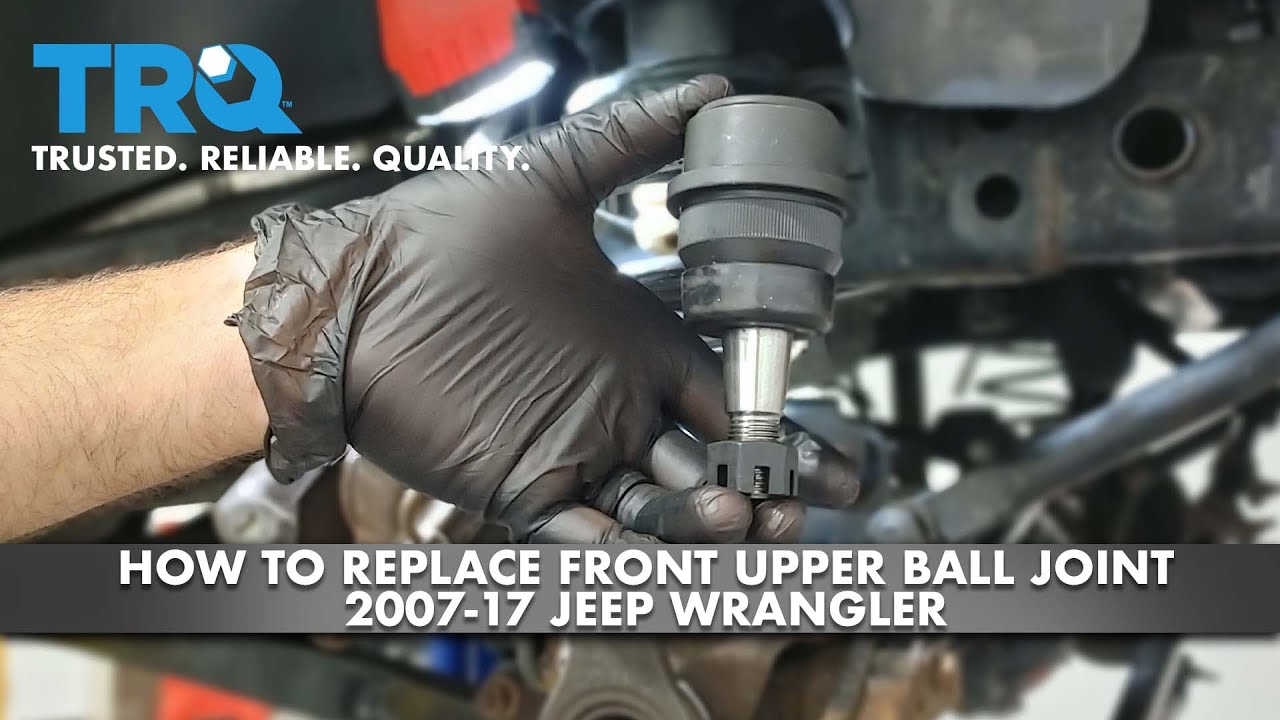
- Use the ball joint press to push out the old upper and lower ball joints. This can take effort—use penetrating oil if they are stuck.
- Clean the holes in the axle with a shop rag.
6. Install New Ball Joints
- Position the new lower ball joint in the axle and press it in with the tool.
- Next, press in the upper ball joint.
- Install new snap rings or hardware if your kit includes them.
7. Reassemble Everything
- Fit the steering knuckle back onto the new ball joints.
- Install the castle nuts and tighten to the torque specs (usually around 70–80 ft-lbs for upper, 100–120 ft-lbs for lower—check your manual).
- Install new cotter pins.
- Slide in the axle shaft, reattach the hub, and tighten the axle nut.
- Put the brake rotor and caliper back on.
- Reconnect any ABS wires.
8. Double-check And Test
- Make sure all bolts are torqued to the correct specs.
- Put the wheels back on and lower the Jeep to the ground.
- Tighten the lug nuts in a star pattern.
- Pump the brake pedal to seat the caliper.
- Test drive at low speed to check for noises or loose steering.
Real-world tip: Sometimes the lower ball joint is especially stubborn. Applying heat or using a bigger breaker bar can help, but always protect other parts from damage.
Common Mistakes To Avoid
Many Jeep owners make these mistakes during ball joint replacement:
- Skipping torque specs: Overtightening or undertightening can damage the ball joint or cause it to fail early.
- Not replacing cotter pins: Old pins can break and lead to loose castle nuts.
- Missing grease fittings: If you buy greasable ball joints, remember to add grease after installation.
- Ignoring alignment: After replacing ball joints, get a professional alignment to avoid uneven tire wear and poor handling.
- Forgetting to check other components: When ball joints fail, other parts like tie rods or control arm bushings might also be worn.
How Ball Joint Replacement Affects Your Jeep
Replacing worn ball joints will make a big difference in how your Jeep drives. You’ll notice:
- Tighter steering and more precise handling.
- Reduced front-end noise over bumps and turns.
- Better tire wear, saving money in the long run.
- Improved safety, especially at highway speeds or off-road.
If you drive off-road often, check your ball joints more frequently. Mud, sand, and water can wear them out faster. Some Jeep owners even inspect ball joints after every big off-road trip.
Ball Joint Longevity: What To Expect
How long do ball joints last? It depends on your driving habits and conditions. Here’s a quick reference:
| Driving Conditions | Expected Lifespan |
|---|---|
| Normal highway, no lift | 70,000–100,000 miles |
| Off-road, mild lift | 40,000–60,000 miles |
| Heavy off-road, large tires | 20,000–40,000 miles |
Non-obvious insight: Even high-quality ball joints can wear out early if your Jeep’s alignment is off, or if you don’t grease them regularly (for greasable types). Regular checks can prevent surprise failures on the trail.
Cost Of Jeep Wrangler Ball Joint Replacement
If you do the job yourself, expect to spend $80–$300 for parts, depending on the quality and number of joints replaced. Add $30–$50 if you need to rent or buy special tools.
Professional shops usually charge $400–$750 for parts and labor for both sides. Prices are higher if other front-end parts need replacing.
Money-saving tip: If you’re already replacing ball joints, check the axle u-joints and wheel bearings at the same time. Doing this work together saves time and labor costs.
Is Diy Or Professional Replacement Better?
This depends on your skill level, tools, and time.
DIY replacement is cheaper and gives you control over parts quality. However, it requires some muscle and confidence with suspension work.
Professional replacement is best if you lack tools or experience. A shop can finish the job faster and provide a warranty on their work.
Experience-based tip: Many Jeep owners learn to do this job themselves after their first repair bill. The right tools make it much easier, and you’ll gain valuable knowledge about your Jeep.
After Replacement: Alignment And Maintenance
After installing new ball joints:
- Schedule a wheel alignment. Even small changes can affect tire life and handling.
- If your ball joints are greasable, add grease after the first 500 miles, then at every oil change.
- Listen for new noises or steering changes—these could mean another front-end part needs attention.
Keeping your Jeep’s front suspension in top shape helps both on the road and off the beaten path.
Frequently Asked Questions
<!– wp:rank-math/faq-block {"questions":[{"id":"faq-question-ef718c7262f2","title":"How Do I Check If My Jeep Wrangler Ball Joints Are Bad?","content":"Jack up the front wheel and grab the tire at the top and bottom. Rock it in and out. If you see movement at the ball joint or hear a clunk, it’s likely worn. You can also look for torn boots or leaking grease.
“,”visible”:true},{“id”:”faq-question-650fcc2374ab”,”title”:”Can I Drive With Bad Ball Joints?”,”content”:”It’s not safe. Bad ball joints can cause the wheel to separate from the axle, leading to loss of control. Replace them as soon as you notice symptoms.
“,”visible”:true},{“id”:”faq-question-58f41d176d68″,”title”:”How Long Does It Take To Replace Jeep Wrangler Ball Joints?”,”content”:”For a beginner, plan on 3–4 hours for both sides. A professional shop may finish in 2–3 hours.
“,”visible”:true},{“id”:”faq-question-ee4a401838b6″,”title”:”Should I Replace Upper And Lower Ball Joints At The Same Time?”,”content”:”Yes. If one is worn, the other is likely close to failing. Doing both saves time and ensures even handling.
“,”visible”:true},{“id”:”faq-question-89f03e2d3e94″,”title”:”Where Can I Find More Detailed Repair Information?”,”content”:”The Jeep Wrangler service manual or trusted forums are good resources. You can also visit ExtremeTerrain for step-by-step guides and videos.
Replacing your Jeep Wrangler’s ball joints is a smart way to keep your vehicle safe, smooth, and ready for adventure. With the right tools and guidance, even first-time DIYers can handle the job. Regular checks and maintenance will ensure your Wrangler stays on the road—and trail—for years to come.
“,”visible”:true}]} –>How Do I Check If My Jeep Wrangler Ball Joints Are Bad?
Jack up the front wheel and grab the tire at the top and bottom. Rock it in and out. If you see movement at the ball joint or hear a clunk, it’s likely worn. You can also look for torn boots or leaking grease.
Can I Drive With Bad Ball Joints?
It’s not safe. Bad ball joints can cause the wheel to separate from the axle, leading to loss of control. Replace them as soon as you notice symptoms.
How Long Does It Take To Replace Jeep Wrangler Ball Joints?
For a beginner, plan on 3–4 hours for both sides. A professional shop may finish in 2–3 hours.
Should I Replace Upper And Lower Ball Joints At The Same Time?
Yes. If one is worn, the other is likely close to failing. Doing both saves time and ensures even handling.
Where Can I Find More Detailed Repair Information?
The Jeep Wrangler service manual or trusted forums are good resources. You can also visit ExtremeTerrain for step-by-step guides and videos.
Replacing your Jeep Wrangler’s ball joints is a smart way to keep your vehicle safe, smooth, and ready for adventure. With the right tools and guidance, even first-time DIYers can handle the job. Regular checks and maintenance will ensure your Wrangler stays on the road—and trail—for years to come.