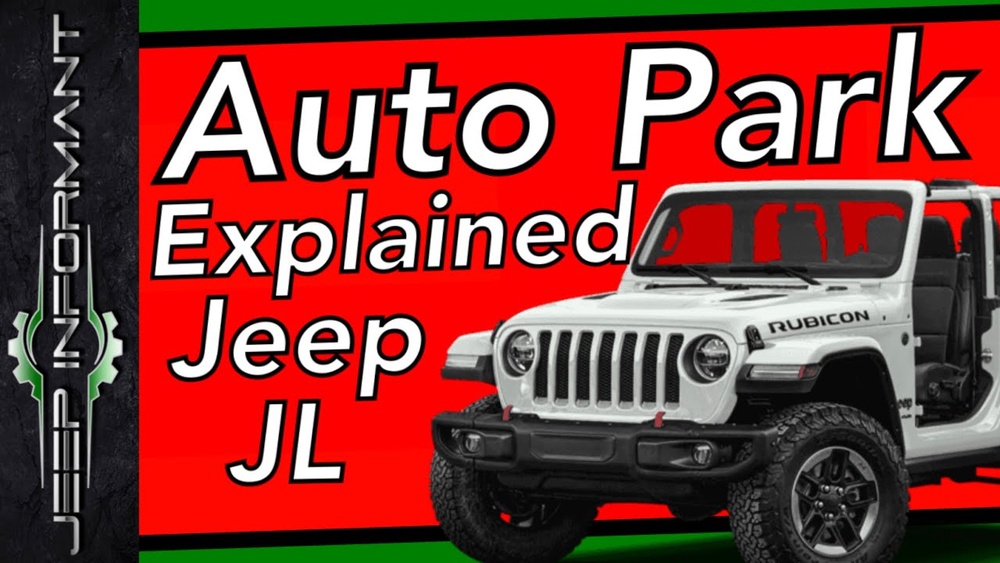
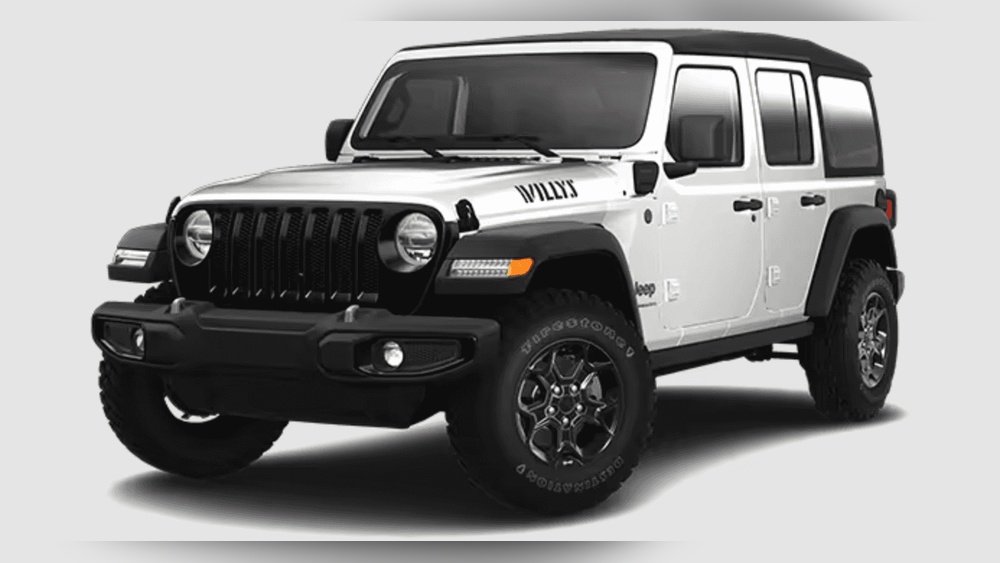
The Jeep Wrangler is famous for its tough design and off-road skills. But when you look at its wheels, you face an important choice: alloy wheels or steel wheels. One key factor is weight. The weight of your wheels affects performance, handling, fuel economy, and even safety. Many Jeep owners wonder which type is best for their needs. Let’s compare the weight, advantages, and real-world effects of Jeep Wrangler alloy wheels vs steel wheels, so you can make a smart decision.
Alloy Wheels Vs Steel Wheels: Weight Comparison
Alloy wheels are made from a mix of aluminum and other metals. Steel wheels use iron and carbon. This difference in materials has a big impact on weight.
| Wheel Type | Average Weight (per wheel) | Common Size (Wrangler) |
|---|---|---|
| Alloy | 20-28 lbs | 17-18 inch |
| Steel | 30-40 lbs | 17-18 inch |
For a set of four wheels, alloy wheels can save up to 40-80 lbs compared to steel. This extra weight matters, especially if you drive off-road or want better fuel economy.
How Weight Affects Performance
The lighter weight of alloys means:
- Faster acceleration
- Quicker braking
- Better handling
- Reduced stress on suspension
Steel wheels add weight, which can make the Jeep feel heavier and less responsive. This is especially noticeable on rough roads or when turning quickly.
Strength And Durability
Weight isn’t the only factor. Many Jeep owners choose steel because of its strength.
| Wheel Type | Durability | Repairability |
|---|---|---|
| Alloy | Resists corrosion, but can crack | Hard to repair |
| Steel | Bends under impact, less prone to cracking | Easy to hammer back |
Steel wheels are famous for surviving tough off-road hits. If they bend, you can often fix them with simple tools. Alloy wheels are less likely to bend, but can crack if hit hard. Cracked alloy wheels usually need replacement.
Real-world Effects: Driving And Fuel Economy
The weight difference is not just about numbers it changes how your Jeep Wrangler drives.
Off-road Use
Many off-road fans prefer steel wheels. Their heavy weight can help keep tires on the ground, especially at low speeds. Plus, if you hit a rock, steel wheels are easier to fix in the field.
However, lighter alloy wheels reduce unsprung weight. This helps the suspension work better, which improves ride comfort and control. If you do a mix of highway and light off-roading, alloys may be best.
Fuel Economy
Less weight means less energy needed to move. Alloy wheels can increase fuel economy by 1-2 mpg, especially if you drive mostly on roads. It may seem small, but over thousands of miles, it adds up.
Safety And Braking
Lighter wheels let your brakes work better. They also reduce stopping distance. This can be a hidden advantage, especially in emergency situations.
Looks And Style
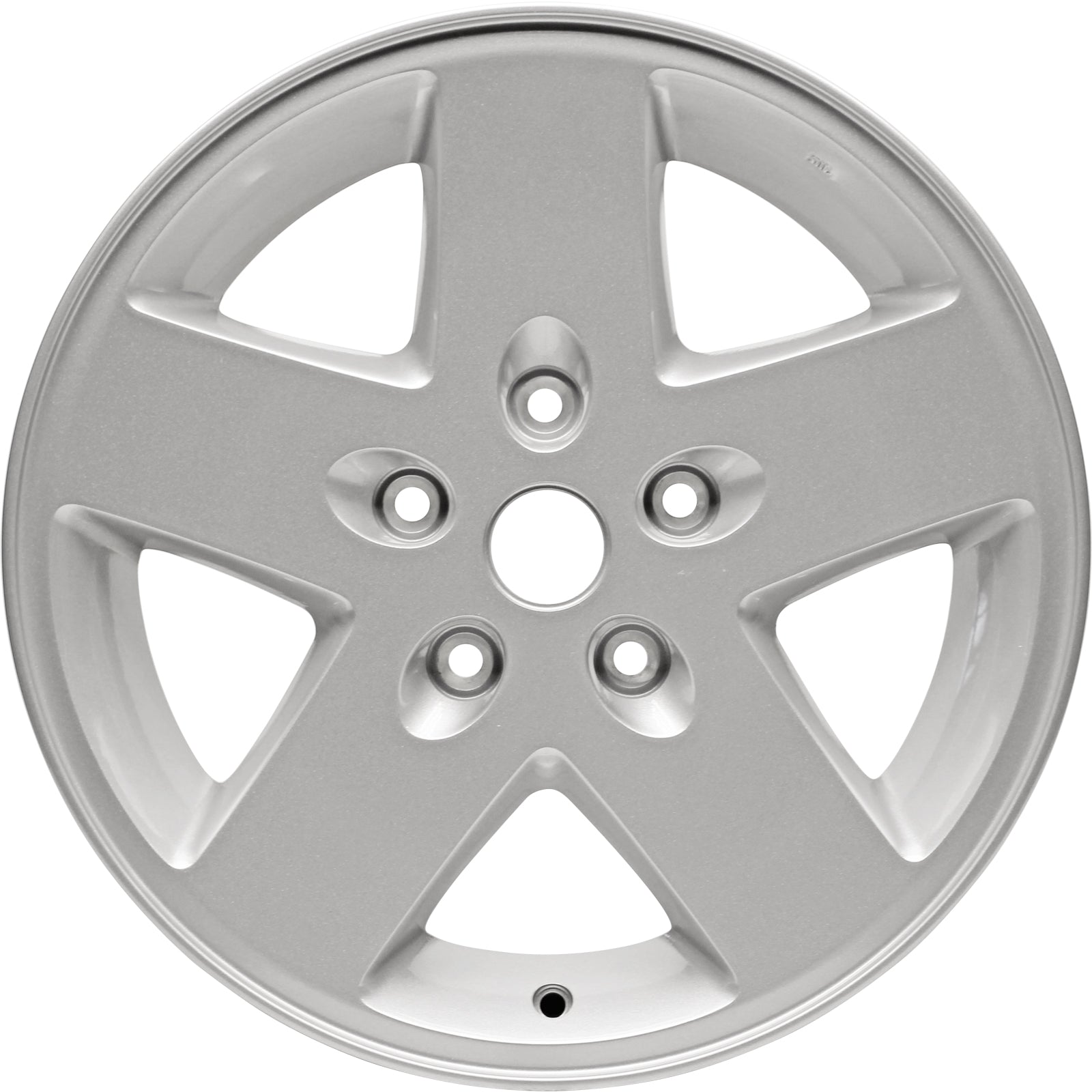
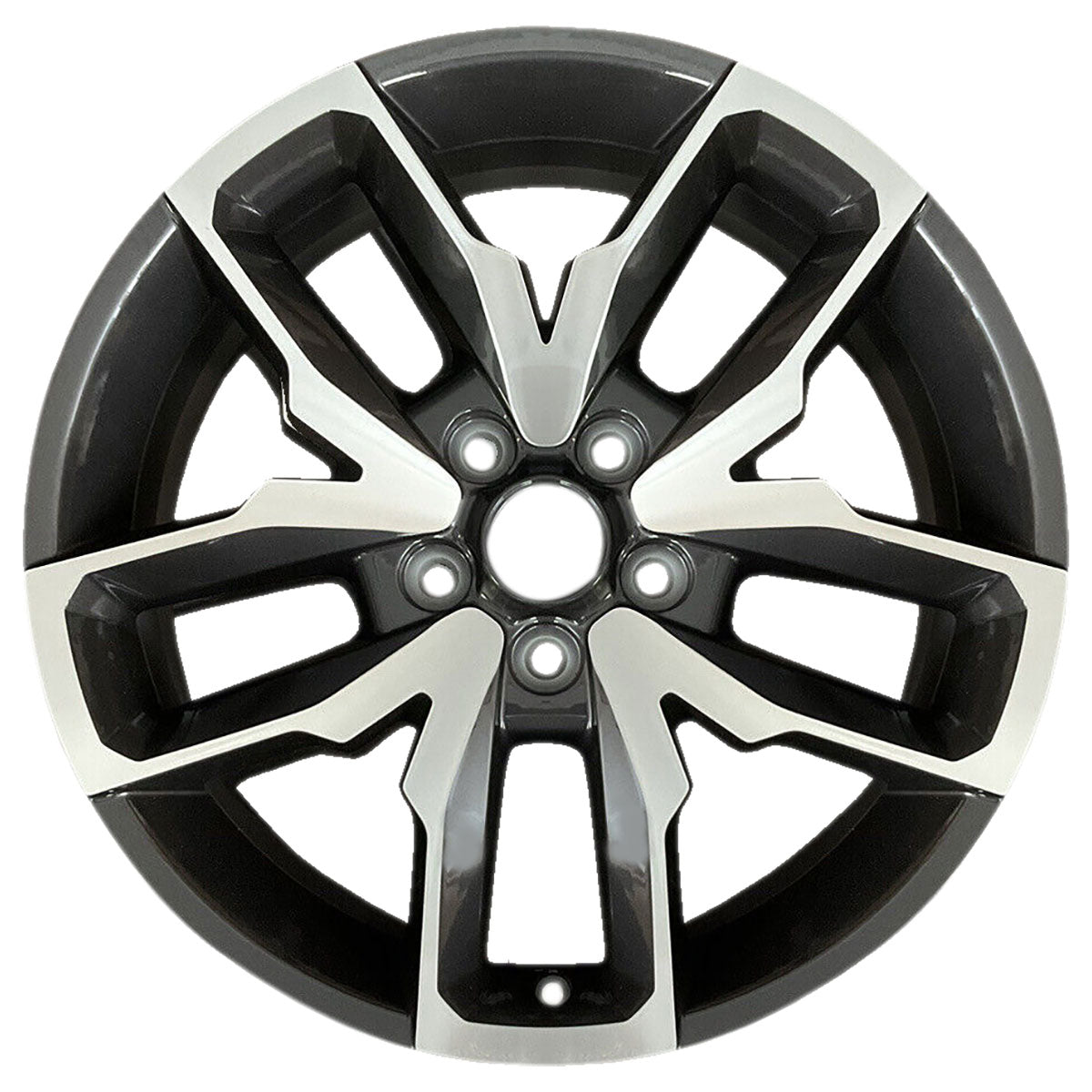
Many drivers care about the look of their Jeep. Alloy wheels often win here. They come in many designs and finishes. You can find polished, painted, or even custom styles. Steel wheels usually look simple, with fewer choices.
A non-obvious tip: if you plan to upgrade tire size, the wheel weight becomes even more important. Heavy wheels plus big tires can stress your Jeep’s axles and steering.
Cost And Maintenance
Steel wheels are cheaper to buy, but may rust over time. Alloy wheels cost more, but resist rust and are easier to clean.
| Wheel Type | Average Price (per wheel) | Maintenance Needs |
|---|---|---|
| Alloy | $150-$350 | Clean regularly, check for cracks |
| Steel | $80-$150 | Watch for rust, repaint if needed |
Don’t forget hidden costs. Bent steel wheels can be fixed cheaply, but cracked alloys usually mean buying new wheels.
Which Is Right For You?
Your best choice depends on how you use your Jeep Wrangler.
- Daily driving: Alloy wheels save weight, improve fuel economy, and look great.
- Heavy off-roading: Steel wheels are tougher, easier to fix, and better for rocky trails.
- Mixed use: Alloy wheels offer a good balance, unless you plan extreme trips.
Another insight: If you tow or carry heavy loads, lighter wheels reduce strain on your Jeep’s drivetrain. This can extend the life of key parts.
For more technical details on wheel materials and strength, you can check Wikipedia’s automobile wheel page.
Frequently Asked Questions
How Much Lighter Are Alloy Wheels Than Steel Wheels For Jeep Wranglers?
Alloy wheels are usually 10-15 lbs lighter per wheel. For a full set, this means your Jeep can be 40-60 lbs lighter. This improves handling and fuel economy.
Do Steel Wheels Make A Jeep Wrangler Better For Off-roading?
Steel wheels are stronger and easier to fix after off-road impacts. They bend instead of cracking. Many off-roaders choose steel for tough trails.
Will Alloy Wheels Crack More Easily Than Steel?
Yes, alloys are more likely to crack from strong impacts, while steel wheels bend. Cracked alloy wheels often can’t be repaired.
Can Changing Wheel Type Affect My Jeep’s Fuel Economy?
Switching to lighter alloy wheels can improve mpg by 1-2. Heavy steel wheels use more energy, which means more fuel burned, especially on highways.
Are Alloy Wheels Worth The Extra Cost?
Alloy wheels offer better looks, less weight, and improved driving. If you drive mostly on roads or care about style, alloys are worth it. But for extreme off-roading, steel may be smarter.
Choosing between Jeep Wrangler alloy wheels and steel wheels is about more than looks. The weight difference affects performance, safety, and costs. Think about your driving style, budget, and future needs. The right wheel can make your Jeep safer, smoother, and more fun to drive.