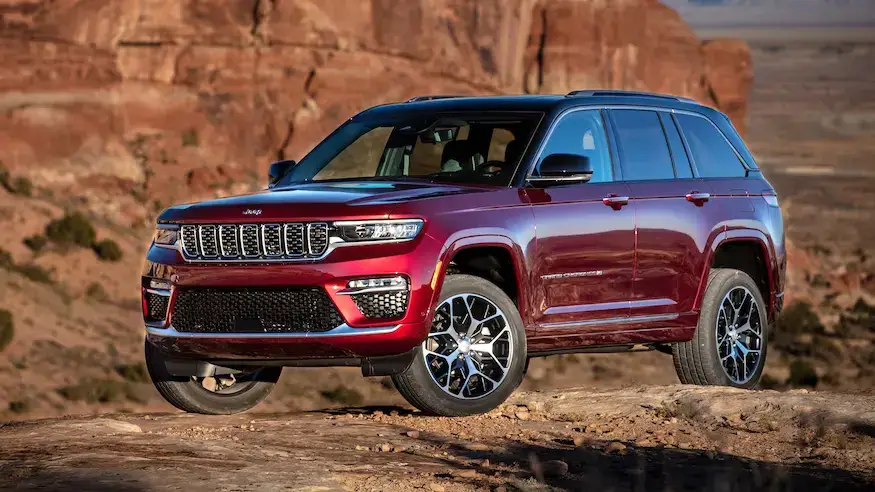
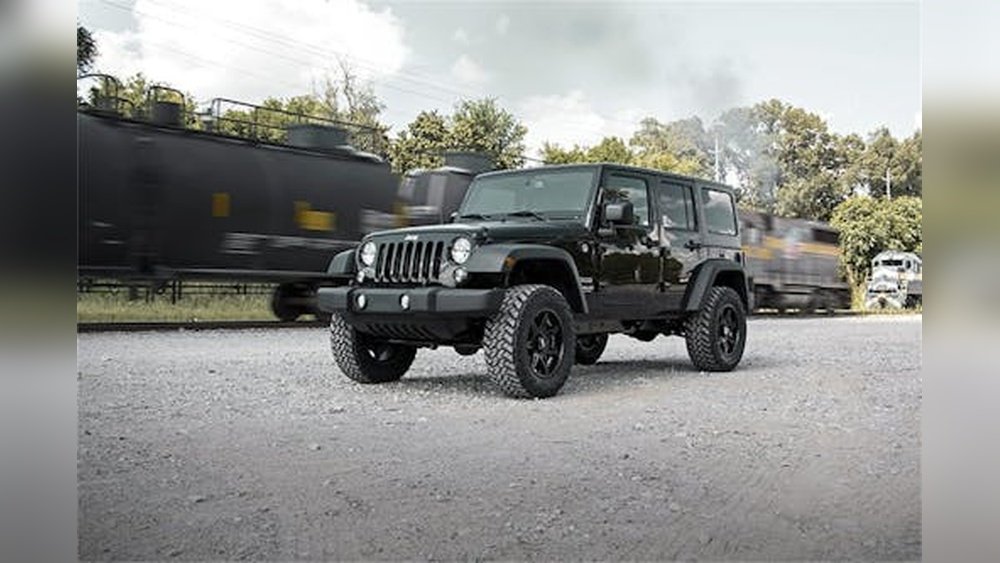
The Jeep Wrangler is a legendary vehicle, known for its off-road capabilities and rugged design. When winter weather hits, especially snow, understanding how to use its 4×4 system becomes crucial for safety and performance.
Many Wrangler owners wonder: should I use 4 High or 4 Low for snow driving? The answer isn't always straightforward and depends on the specific conditions you face.
This article will break down the differences between 4 High and 4 Low, explain when to use each in snowy situations, and provide essential tips for driving your Wrangler safely in winter.
Understanding Jeep Wrangler’s 4×4 System
Jeep's four-wheel-drive system, often referred to as 4×4, is designed to provide power to all four wheels simultaneously. This is a significant advantage over two-wheel-drive vehicles, especially on slippery surfaces like snow and ice.
The system allows for better traction and control, reducing the likelihood of getting stuck or losing control.
However, not all 4×4 modes are created equal, and using the wrong one can be detrimental.
The core of the Wrangler's 4×4 system is its transfer case. This component allows the driver to select different drive modes.
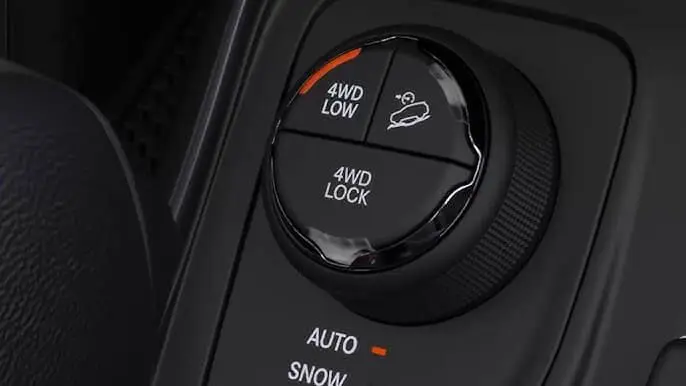
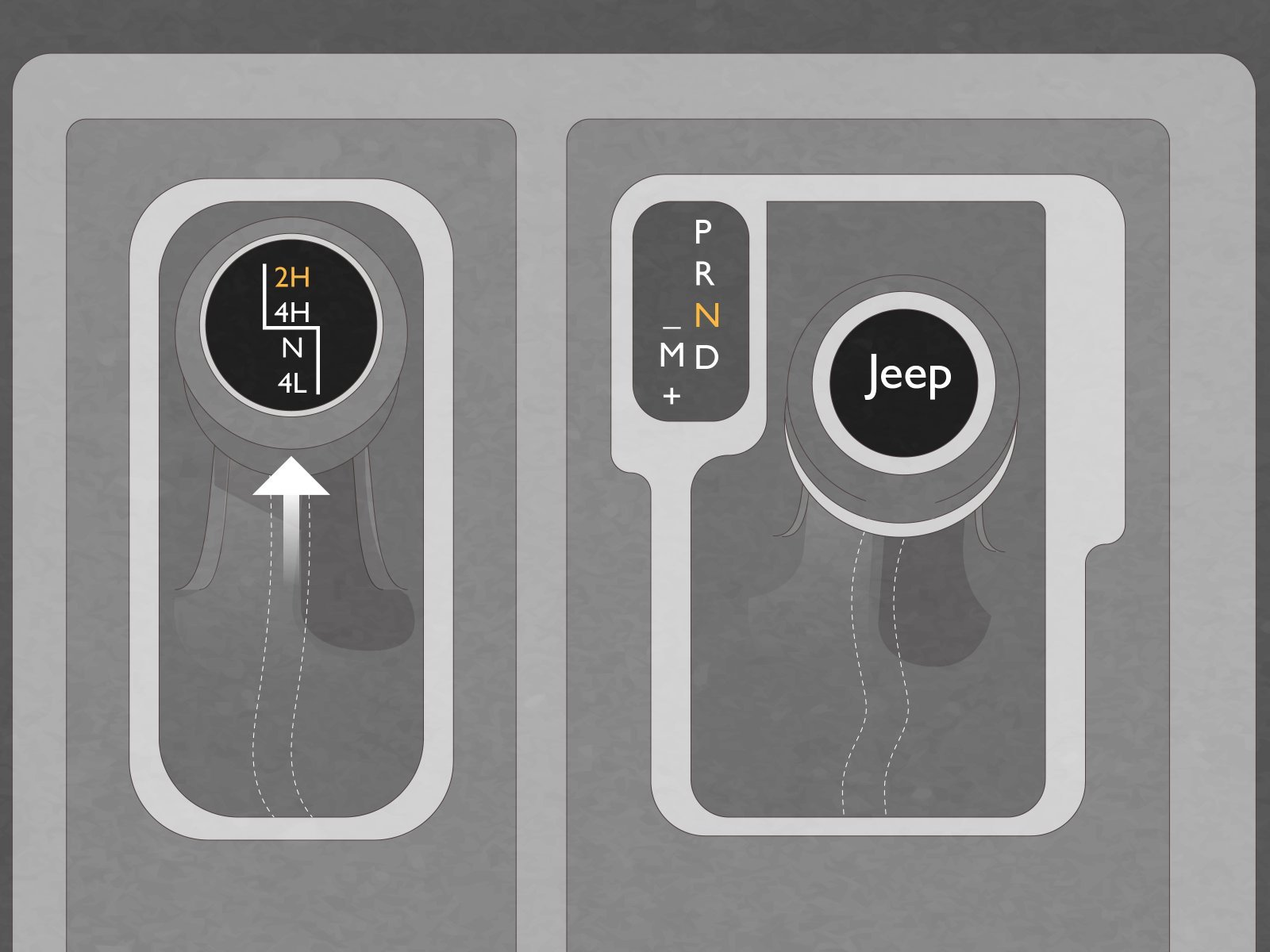
The most common modes are 2 High (2H), 4 High (4H), and 4 Low (4L).
- 2H (Two-Wheel Drive High): This is the standard mode for normal driving on dry, paved roads. Only the rear wheels receive power, which is more fuel-efficient.
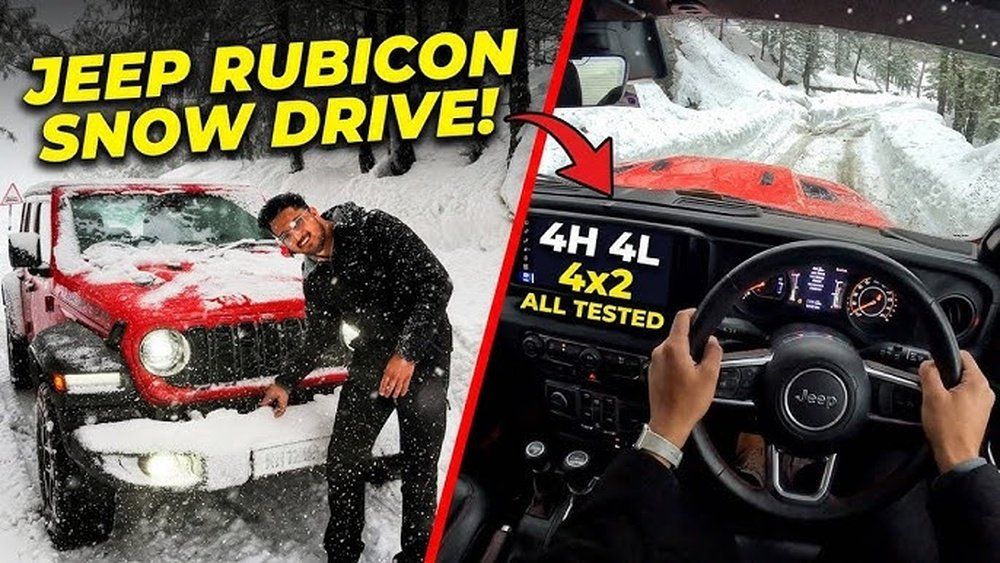
- 4H (Four-Wheel Drive High): In this mode, power is sent to all four wheels. This mode is designed for driving at higher speeds on slippery surfaces like snow, ice, gravel, or mud. It provides increased traction without significantly reducing speed.
- 4L (Four-Wheel Drive Low): This mode also sends power to all four wheels, but it engages a lower gear ratio within the transfer case. This provides significantly more torque (pulling power) at very low speeds. It’s ideal for extreme off-road situations, steep inclines, or when you need maximum control at crawling speeds.
When To Use 4 High (4h) For Snow Driving
4 High (4H) is generally your go-to setting for most snow driving scenarios. It’s designed to give you the traction needed for slippery conditions without compromising your ability to drive at normal road speeds. If you’re driving on a snow-covered highway, a cleared but still slick road, or even a packed-down snowy trail, 4H is usually the correct choice.
Benefits Of 4h In Snow
Using 4H provides a balanced distribution of power to all four wheels. This means that if one or two wheels lose traction, the others can still provide grip. This is especially helpful on roads where conditions can change rapidly, from patches of ice to areas with more snow. The higher gear ratio in 4H allows you to maintain reasonable speeds, making it suitable for commuting or traveling between locations.
Driving Speeds And Conditions For 4h
You can typically use 4H at speeds up to 50-55 mph (80-90 km/h). It’s important to remember that 4×4 systems, including the Wrangler’s, do not magically make tires grip better on ice or packed snow. They simply distribute available power more effectively. Therefore, even in 4H, you must adjust your driving habits: reduce your speed, increase your following distance, and avoid sudden braking or steering.
Pro Tip: If you’re unsure whether to use 4H or 4L, and you’re driving at speeds above a slow crawl (think walking pace), 4H is almost always the safer and more appropriate choice for snow-covered roads.
Transitioning To 4h
Most modern Jeep Wranglers allow you to shift into 4H while driving, provided you are on a slippery surface and not accelerating hard. The typical procedure involves taking your foot off the accelerator, shifting the transfer case lever to 4H, and then gently applying the accelerator again. Always consult your owner’s manual for the specific procedure for your model year, as some older models might require you to be stopped.
When To Use 4 Low (4l) For Snow Driving
4 Low (4L) is a more specialized setting and is not typically recommended for general snow driving on roads. Its primary purpose is to provide maximum torque at very low speeds, which is essential for extreme off-roading, rock crawling, or navigating very steep, slippery inclines where you need absolute control.
Why 4l Is Usually Not For Snow Roads
The main reason 4L isn’t ideal for most snow driving is its low gear ratio. This setting multiplies engine torque, making the vehicle move with incredible force even at a snail’s pace. While this sounds good for traction, it also means:
- Reduced Speed: You can only drive at very low speeds (typically under 10-15 mph or 15-25 km/h) safely in 4L. This makes it impractical and dangerous for anything other than very short, slow maneuvers on snow.
- Increased Risk of Tearing Drivetrain: Driving at higher speeds in 4L can put immense stress on your drivetrain, potentially leading to damage. The tires will be fighting against the torque, and if they lose traction, the system can bind up.
- Over-Torquing Tires: The immense torque can cause your tires to spin even when you don’t intend them to, which can lead to a loss of control rather than an increase in traction.
Situations Where 4l Might Be Necessary In Snow
There are very specific, extreme scenarios where 4L might be considered:
- Extremely Steep, Icy Hills: If you need to ascend or descend a very steep hill covered in thick ice or deep, loose snow, and you are moving at a crawl, 4L can provide the necessary control.
- Deep, Unplowed Snow: If you are trying to get unstuck from very deep, unplowed snowdrifts where forward momentum is minimal and you need maximum pulling power to inch forward.
- Controlled Off-Road Recovery: In an off-road situation where your Wrangler is stuck in snow and needs to be slowly winched or moved a very short distance.
Warning: Using 4L on cleared roads or at speeds above a crawl can be dangerous and may damage your vehicle. Always shift back to 4H or 2H as soon as you no longer need the extreme low-gear power.
Transitioning To 4l
Shifting into 4L almost always requires the vehicle to be in neutral, and often stopped. The process typically involves:
- Bringing your Wrangler to a complete stop.
- Shifting the transmission into Neutral (N).
- Pulling the transfer case lever firmly into the 4L position.
- Once engaged, shifting the transmission back into Drive (D) or Reverse (R).
Again, always refer to your owner’s manual for the exact procedure.
Comparing 4h And 4l For Snow Driving
To further clarify, let’s look at a direct comparison of how these two modes function in snowy conditions.
| Feature | 4 High (4H) | 4 Low (4L) |
|---|---|---|
| **Primary Use** | Slippery roads, snow, ice, gravel, mud | Extreme off-roading, steep inclines, rock crawling |
| **Gear Ratio** | Standard (higher gear) | Reduced (lower gear), higher torque |
| **Speed Range** | Up to 50-55 mph (80-90 km/h) | Very low speeds (under 10-15 mph / 15-25 km/h) |
| **Traction** | Enhanced for moderate slippery conditions | Maximum for slow, controlled movement |
| **Fuel Economy** | Slightly reduced compared to 2H | Significantly reduced due to higher engine RPM |
| **Drivetrain Stress** | Moderate | High at speeds above crawl, can bind up |
| **When to Use in Snow** | Most road driving, highways, city streets | Extremely steep icy hills, deep stuck snow, crawling |
Understanding Torque Vs. Speed
The key difference lies in torque and speed. 4H gives you better traction at normal driving speeds. 4L gives you more pulling power (torque) but at very slow speeds. Trying to use 4L for anything beyond a crawl on snow is like trying to use a tractor to race on a highway, it’s the wrong tool for the job.
Essential Snow Driving Tips For Your Jeep Wrangler
Regardless of whether you use 4H or 4L, driving a Jeep Wrangler in snow requires more than just selecting the right 4×4 mode. Here are some crucial tips:
1. Tire Choice Matters Immensely
Your tires are your vehicle’s only contact with the road. All-season tires might be acceptable for light snow, but for serious winter conditions, winter tires are highly recommended. They are made with rubber compounds that stay flexible in the cold and have tread patterns designed to grip snow and ice. If you frequently drive in areas with heavy snowfall, consider dedicated snow tires. Even with 4×4, tires designed for the conditions will make a massive difference.
2. Drive Smoothly And Predictably
Sudden movements are your enemy on snow and ice.
- Braking: Brake early and gently. Avoid slamming on the brakes, as this can cause your wheels to lock up and you to skid.
- Steering: Make smooth, deliberate steering inputs. Quick turns can easily lead to a loss of traction.
- Acceleration: Accelerate gradually. A smooth application of power helps prevent wheel spin.
3. Increase Following Distance
On dry pavement, a common rule of thumb is to maintain a 2-3 second following distance. In snow and ice, you should at least double that, aiming for 5-6 seconds or more. This gives you ample time to react and stop if the vehicle in front of you brakes suddenly.
4. Know Your Vehicle’s Capabilities And Limitations
While the Wrangler is incredibly capable, it’s not invincible.
- ABS (Anti-lock Braking System): If your Wrangler has ABS, you can press the brake pedal firmly and hold it down during a skid. The system will prevent the wheels from locking up, allowing you to steer. You might feel pulsing in the pedal, which is normal.
- Traction Control: Most modern Wranglers have traction control systems that can help prevent wheel spin. However, these systems work best when tires have *some* grip. In very slick conditions, they might still struggle.
- The “Fuzzy Dice” Test: A common, albeit informal, test for ice is to see if you can slide a quarter across the surface. If it slides easily, it’s likely very slick.
5. Practice In A Safe Area
Find a large, empty parking lot (like a school or shopping mall lot after hours) that is covered in snow. Here, you can safely practice:
- How your Wrangler handles when accelerating and braking in 4H.
- How it feels when you gently turn the steering wheel.
- What happens when you intentionally (but safely) induce a small skid to learn how to correct it.
- Experimenting with shifting between 2H and 4H.
6. Consider Snow Chains Or Cables
In some regions, snow chains or cables are legally required for driving in severe winter conditions. They provide a significant boost in traction on packed snow and ice, especially when driving at lower speeds.
Always check local regulations and ensure you know how to install them correctly before you need them.
7. Manage Your Expectations
Even with 4×4, a Jeep Wrangler is still subject to the laws of physics. 4×4 helps you go, but it doesn’t help you stop. If you’re driving on sheer ice, even 4H will offer limited grip. It’s always best to avoid driving in extremely hazardous conditions if possible. If you must drive, do so with extreme caution and at significantly reduced speeds.
When To Use 2 Wheel Drive (2h)
It’s also important to know when to revert to 2H. Once the snow has been cleared and the roads are mostly dry, or if you are driving on a dry highway, you should switch back to 2H. This improves your fuel efficiency and reduces wear and tear on your drivetrain. Shifting back to 2H is usually done while driving, similar to shifting into 4H, but always check your owner’s manual.
Fuel Efficiency Benefits Of 2h
In 2H mode, only the rear wheels are driven. This means less rotational mass and less friction within the drivetrain, leading to better gas mileage.
For everyday driving on clear roads, 2H is the most economical choice.
Avoiding Drivetrain Strain
Constantly driving in 4H on dry surfaces can put unnecessary strain on your 4×4 components. The front and rear driveshafts are locked together in 4H (in most traditional systems), and if the front and rear wheels are rotating at slightly different speeds (which they naturally do when turning on dry pavement), it can cause binding in the drivetrain.
This is why it’s crucial to switch back to 2H when traction is no longer an issue.
Frequently Asked Questions
What Is The Difference Between 4 High And 4 Low?
4 High (4H) provides enhanced traction for slippery roads at normal driving speeds by engaging all four wheels with a standard gear ratio. 4 Low (4L) provides maximum torque at very low speeds, ideal for extreme off-roading or steep, slow climbs, by engaging all four wheels with a lower gear ratio.
Can I Use 4 Low (4l) On The Highway In Snow?
No, you should never use 4 Low (4L) on the highway, even in snow. It is designed for very low speeds and can cause severe damage to your drivetrain if used at highway speeds. Stick to 4 High (4H) for highway snow driving.
How Do I Know When To Switch From 4h To 2h?
You should switch from 4H to 2H when the roads are no longer slippery. This includes dry pavement, light rain, or any condition where you don't need the extra traction of all-wheel drive.
Driving in 2H on dry roads improves fuel economy and reduces wear on your vehicle.