The Jeep Wrangler is famous for its off-road abilities and rugged design. But for many drivers, one question often comes up: what’s the difference between 2H and 4H on the Jeep Wrangler’s transfer case? Understanding these modes is essential for getting the best performance, safety, and efficiency out of your Wrangler. Whether you’re driving on highways or exploring muddy trails, knowing when to use 2H and 4H can make a big difference in your driving experience.
What Do 2h And 4h Mean?
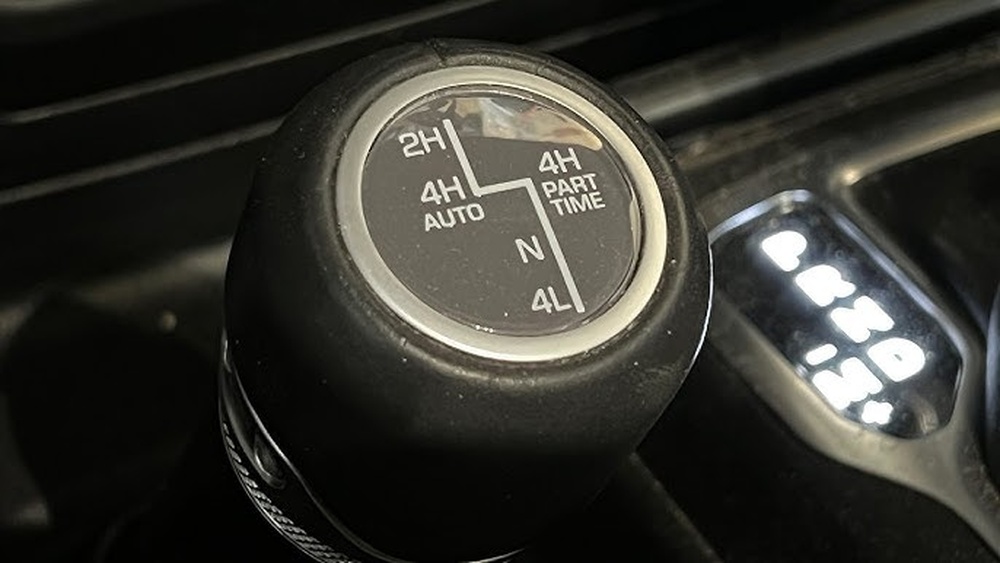
The Wrangler comes with a transfer case lever or switch that lets you choose between different drive modes. Two of the most important are 2H (Two-Wheel High) and 4H (Four-Wheel High).
- 2H stands for two-wheel drive, high range. In this mode, only the rear wheels get power from the engine.
- 4H stands for four-wheel drive, high range. Here, power goes to all four wheels.
These settings might sound simple, but using them correctly is key to both performance and vehicle health.
When To Use 2h
2H is the default mode for most driving conditions. It’s what you should use for:
- Dry pavement and regular roads
- Highway driving
- City traffic
In 2H, your Wrangler uses less fuel because only two wheels are powered. You also get smoother handling and less wear on the drivetrain.
Real-world Example
Let’s say you’re driving across town on a sunny day or cruising on the interstate. 2H is perfect here. You’ll get better fuel efficiency (usually 18–22 mpg for modern Wranglers) and a quieter ride.
When To Use 4h
4H is designed for situations where you need extra traction, but not at low speeds. Use 4H for:
- Rain, snow, or ice
- Gravel or loose dirt roads
- Muddy paths
- Sand
In 4H, all wheels help move the Jeep, so you’re less likely to get stuck or lose control.
Practical Example
Imagine a sudden snowstorm hits while you’re out running errands. Switching to 4H gives you more grip, making it safer to drive on slippery roads.
Comparing 2h And 4h: Key Differences
Here’s a quick look at how 2H and 4H compare in several important ways:
| Feature | 2H | 4H |
|---|---|---|
| Number of Wheels Powered | 2 (rear) | 4 |
| Fuel Efficiency | Higher | Lower |
| Best For | Dry, paved roads | Slippery/off-road |
| Drivetrain Wear | Less | More |
| Speed Range | Any | Up to ~55 mph |
How To Shift Between 2h And 4h
Switching between 2H and 4H is usually easy, but there are a few tips to avoid problems:
- Check your speed: Most Wranglers let you shift from 2H to 4H “on the fly” up to 55 mph. Check your owner’s manual to be sure.
- Straight wheels: Try to keep your wheels straight when shifting.
- No need to stop: Unlike 4L (Four-Wheel Low), you don’t need to stop the vehicle to engage 4H.
- Listen for clicks: You may hear a slight sound or feel a small bump when the transfer case engages.
Common Mistake To Avoid
Don’t use 4H on dry pavement for long periods. This can cause drivetrain binding, leading to expensive repairs.
Effects On Fuel Economy And Maintenance
Using 2H most of the time keeps your Wrangler’s fuel consumption lower and reduces wear. Engaging 4H means more parts are working, which can lower fuel efficiency by 1–3 mpg.
Maintenance tip: After using 4H in mud or snow, clean the underbody to remove debris. Check for leaks or damage after heavy off-road use.

Off-roading: 2h Or 4h?
If you love exploring trails, knowing when to use each mode is critical.
| Terrain | Recommended Mode | Why? |
|---|---|---|
| Dirt trails | 4H | Better traction |
| Deep mud | 4H | Prevents getting stuck |
| Steep hills | 4H or 4L | Extra control and grip |
| Dry, flat gravel | 2H or 4H | Depends on looseness |
Non-obvious Insights For Wrangler Owners
- Tire pressure matters: Lowering tire pressure on loose terrain can make 4H even more effective. Always re-inflate before returning to pavement.
- Turning radius changes: In 4H, your Wrangler’s turning radius is wider. Plan your maneuvers, especially in tight areas.
Another detail many miss: 4H helps with downhill stability on slippery slopes, not just climbing uphill.
Advanced Tip: Part-time Vs Full-time 4wd
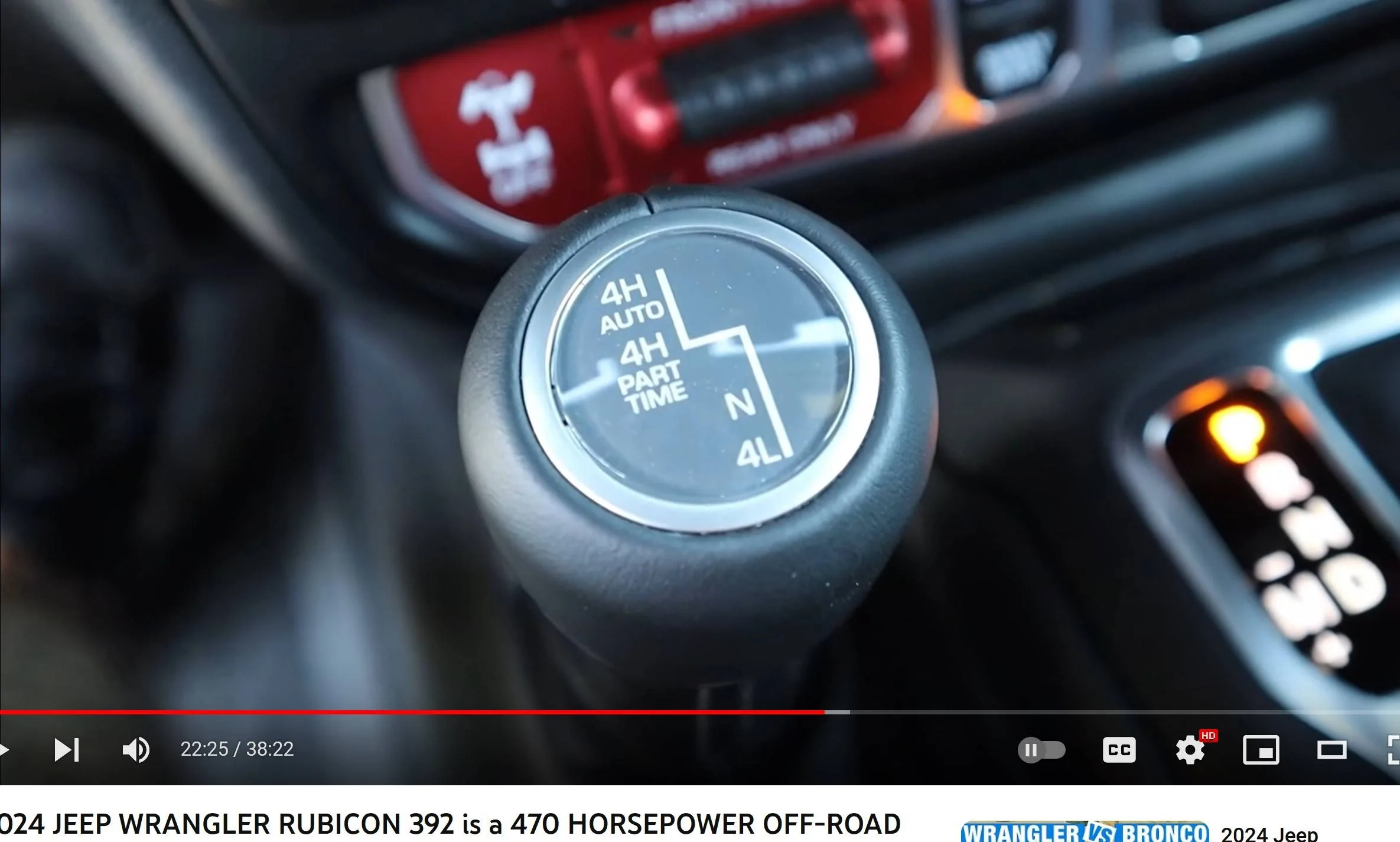
Some Wranglers have a full-time 4WD option (like “4 Auto”). This mode automatically shifts power between wheels as needed, so you can use it on dry pavement. Most Wranglers, though, use part-time 4WD, and you should only use 4H on loose or slippery surfaces to avoid damage.
For more details on four-wheel drive systems, visit the official Wikipedia page.
Frequently Asked Questions
What Happens If I Use 4h On Dry Pavement?
Driving in 4H on dry roads can cause drivetrain binding. This puts stress on the transmission and transfer case, leading to possible damage and costly repairs.
Can I Switch From 2h To 4h While Moving?
Yes, most Jeep Wranglers allow you to shift between 2H and 4H while driving up to 55 mph. Always check your manual, and make sure the wheels are mostly straight.
Is 2h Or 4h Better For Fuel Economy?
2H is better for fuel economy because only two wheels are powered, reducing mechanical drag and saving gas.
Will 4h Help In Deep Snow?
Yes, 4H provides better traction in deep snow and slippery conditions, making it safer and easier to drive.
How Do I Know If 4h Is Engaged?
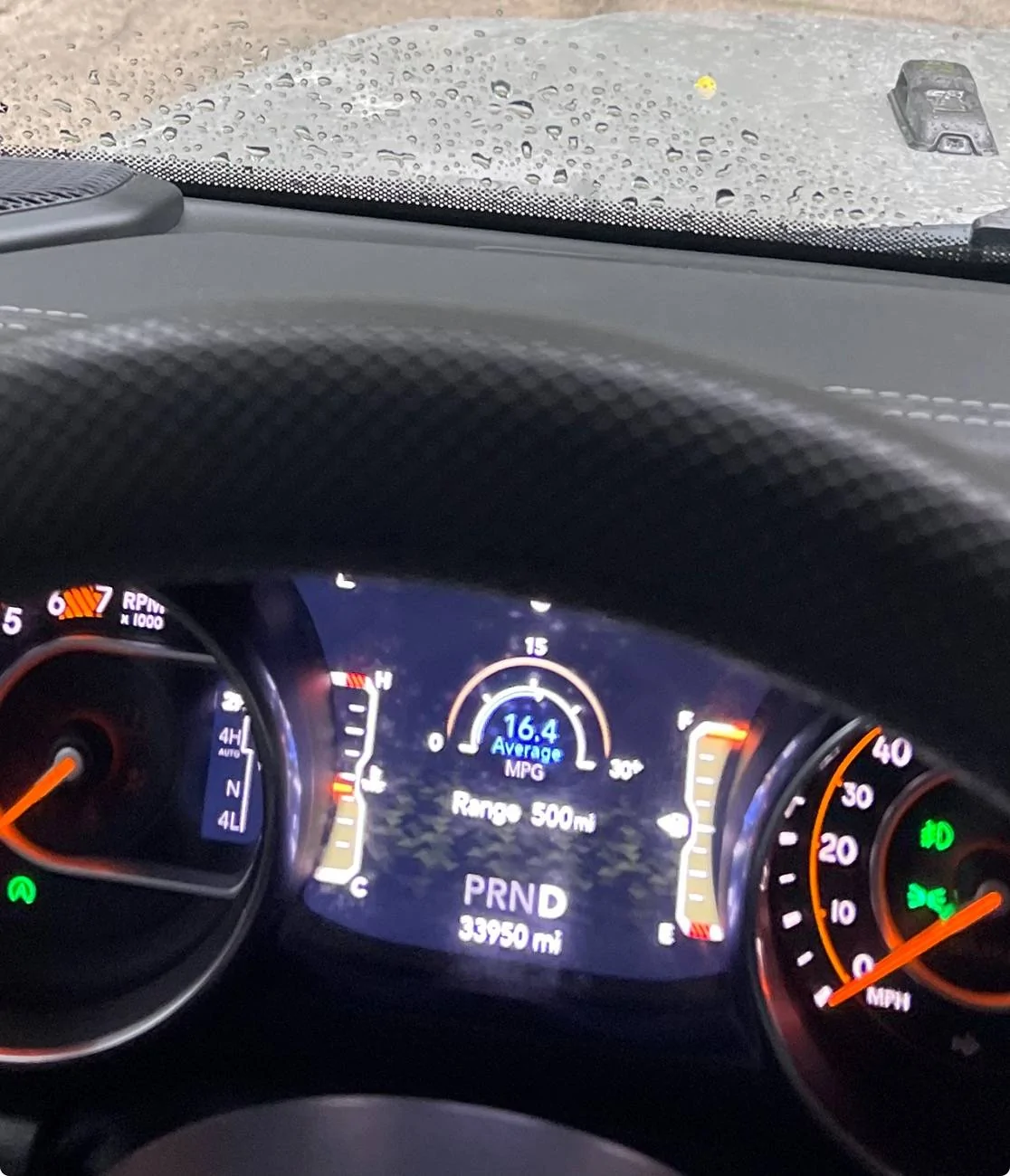
You’ll often see an indicator light on the dashboard. You might also feel the Jeep handle differently, with better grip but slightly heavier steering.
Understanding 2H and 4H gives you more control over your Jeep Wrangler, whether you’re navigating city streets or tackling tough terrain. Use 2H for everyday driving and switch to 4H when you need extra grip. Pay attention to your Jeep’s feedback, and you’ll enjoy both safer trips and a longer-lasting vehicle.