Many Jeep Wrangler owners love the unique look and off-road power of their vehicle. But when the Jeep Wrangler 2.
0 Turbo engine makes unusual noise, it can be worrying. Engine noises can mean simple issues or signal bigger problems.
Understanding these sounds is key to keeping your Wrangler running smoothly and avoiding expensive repairs.
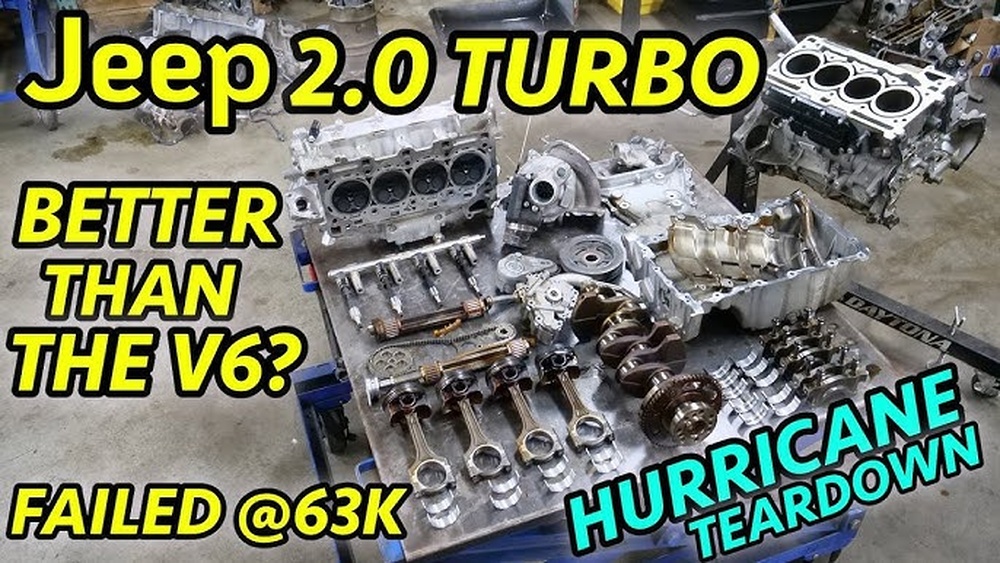
Common Jeep Wrangler 2.0 Turbo Engine Noises
Every engine makes some noise, but not all sounds are normal. Below are 20 specific engine noises you may hear from the Jeep Wrangler 2.0 Turbo. Each noise can mean something different. Here’s what to listen for and what it might mean:
1. Ticking On Cold Start
A fast ticking sound just after starting the engine is common. It usually comes from the valves or lifters. This sound should go away as the engine warms up.
2. Persistent Valve Tapping
If the tapping stays after warming up, it could be a sign of low oil or worn lifters. Check your oil level and quality first.
3. High-pitched Whistling
A whistling noise, especially when accelerating, often comes from a vacuum leak. It means air is entering the engine somewhere it shouldn’t.
4. Turbo Whine
The 2.0 Turbo will naturally make a slight whining sound as the turbo spins. This is usually normal unless it gets much louder over time.
5. Rattling On Acceleration
A metallic rattle when you press the gas could be loose heat shields, worn engine mounts, or exhaust system parts.
6. Hissing Under Hood
Hissing noises can signal a coolant or vacuum leak. Check hoses and connections for cracks or damage.
7. Knocking Or Pinging
A knocking sound (sometimes called pinging) often means improper fuel octane or carbon buildup inside the engine.
8. Deep Thumping
A low thump, especially at idle, may be a sign of a misfire or a problem with an engine cylinder.
9. Clicking From Injectors
The fuel injectors on the 2. 0 Turbo can make a fast, light clicking noise.
This is normal and part of the direct fuel injection system.
10. Belt Squeal
A loud squeal after starting or when turning the wheel can mean a loose or worn serpentine belt.
11. Grinding When Starting
A grinding noise on startup could be a starter motor problem or an issue with the flywheel.
12. Whooshing Sound
A whoosh, especially after letting off the gas, may be the sound of the turbo blow-off valve releasing pressure—normal, unless it becomes very loud.
13. Metallic Scraping
Scraping noises can mean something is touching a moving part, like a loose heat shield or debris in the engine bay.
14. Exhaust Popping
A pop from the exhaust when you let off the throttle can be normal, but frequent pops may mean a problem with the exhaust or fuel system.
15. Rumbling At Idle
A deep rumble at idle may be from the exhaust, but if it gets louder or is paired with shaking, it could mean engine mount wear.
16. Chirping While Driving
A rhythmic chirp as you drive can be caused by a worn drive belt or pulley bearing.
17. Squeaking When Turning
If you hear squeaks when steering, check the power steering system and belt.
18. Thumping From Underneath
A thump under the Jeep, especially over bumps, is often caused by loose or worn suspension parts, not the engine.
19. Whining From Transmission
A rising whine that changes with speed may come from the transmission, but can be confused with engine sounds.
20. Buzzing From Engine Bay
A constant buzzing may be a failing relay or electrical issue near the engine.
How To Diagnose Engine Noises
Finding the source of engine noise can be tricky, but here are some steps you can take:
- Listen Carefully – Note when the noise happens (start-up, idle, acceleration).
- Open the Hood – Try to pinpoint the area the noise comes from.
- Record the Sound – A short video helps your mechanic diagnose the problem.
- Check Fluids – Low oil or coolant can cause certain noises.
- Look for Leaks – Any sign of fluid under the Jeep may give you a clue.
Data: Common Noises And Likely Causes
Here’s a quick comparison of sounds and their usual sources.
| Noise | Possible Cause | Is It Serious? |
|---|---|---|
| Ticking (Cold Start) | Valves/Lifters | No |
| Turbo Whine | Turbocharger | No, unless louder |
| Knocking | Fuel/Detonation | Yes |
| Belt Squeal | Serpentine Belt | No |
| Grinding Start | Starter/Flywheel | Yes |
Why Engine Noise Matters
Ignoring engine noise can lead to bigger problems. For example, a simple belt squeal is cheap to fix, but if the belt breaks, it can cause your Wrangler to overheat and leave you stranded. On the other hand, catching a knock early can save your engine from serious damage.

Preventing And Fixing Engine Noise
- Regular Maintenance – Change oil, filters, and belts on time.
- Use Quality Fuel – Low-octane gas can cause knocking.
- Inspect Belts and Hoses – Replace them before they fail.
- Check for Recalls – Jeep sometimes issues recalls for known issues.
Cost Comparison: Common Noise Repairs
Here’s a look at what you might pay for common noise-related repairs:
| Repair | Typical Cost (USD) | Time to Complete |
|---|---|---|
| Serpentine Belt | $80–$200 | 1 hour |
| Turbo Diagnosis | $150–$400 | 2 hours |
| Vacuum Leak | $100–$300 | 1–2 hours |
| Starter Motor | $300–$600 | 2–3 hours |
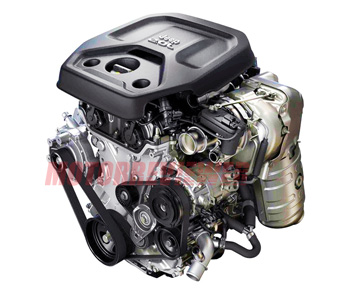
When To See A Mechanic
Some noises are normal, but if you hear knocking, grinding, or loud whines that get worse, see a mechanic right away. These sounds can mean serious engine or turbo problems.
Acting early can save you money and keep your Jeep Wrangler 2.
0 Turbo running strong.
Not all noises are bad. The key is knowing which ones matter and which are just part of the Jeep experience. If you’re unsure, visiting your dealer or a trusted mechanic is always a smart move. You can also check for more tips on the official Jeep website.
Frequently Asked Questions
What Is A Normal Engine Noise For The Jeep Wrangler 2.0 Turbo?
A soft ticking at start-up, slight turbo whine, and injector clicking are all normal sounds for this engine.
Why Does My Jeep Make A Rattling Sound When I Accelerate?
Rattling often comes from loose heat shields, worn mounts, or exhaust parts. It should be checked to avoid damage.
Is It Safe To Drive With A Knocking Noise?
No, a knocking noise can mean serious engine problems. Stop driving and have your Jeep inspected.
How Can I Tell If The Turbo Is Failing?
A failing turbo may make a loud whine, lose power, or blow blue smoke from the exhaust.
What Should I Do If I Hear A New Noise?
Record the noise, note when it happens, check fluids, and see a mechanic if it continues or gets worse.
Paying attention to engine noise can help you enjoy your Jeep Wrangler 2. 0 Turbo for many miles to come.
Early action keeps small problems from becoming big headaches.