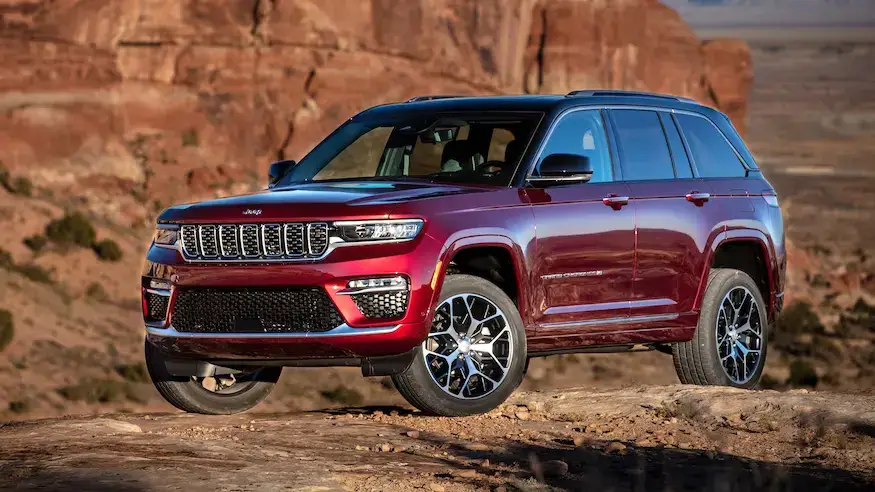
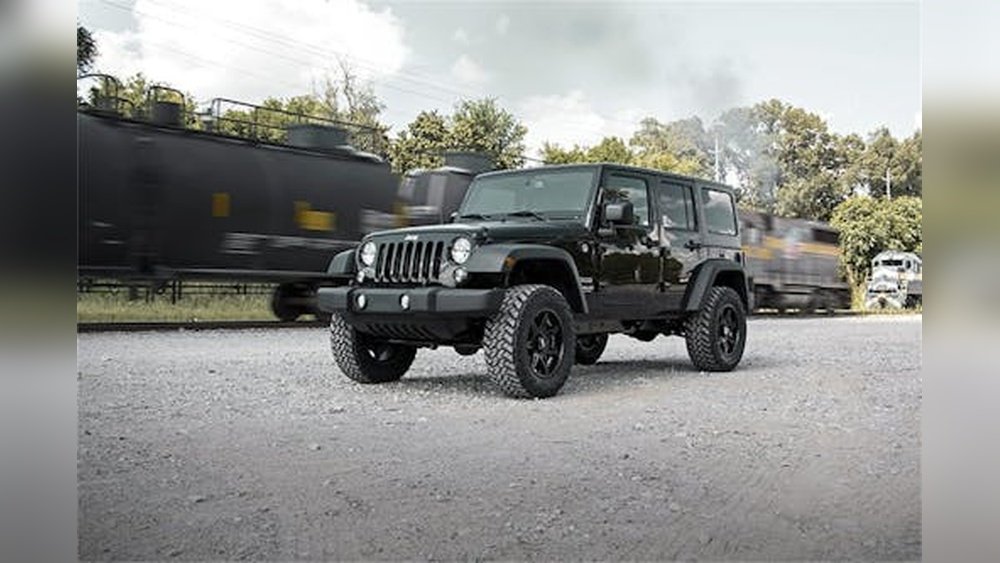
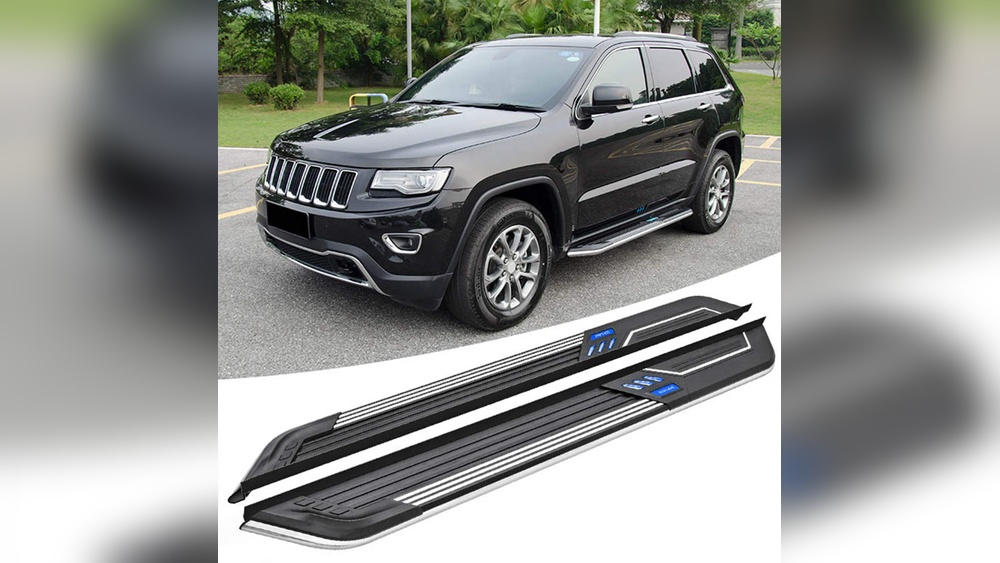
The Jeep Wrangler 2. 0 Turbo is a favorite among off-road fans and adventure seekers.
This model blends classic Jeep toughness with new turbo technology, offering impressive power and efficiency. But if you want even more from your Wrangler, performance upgrades are the way to go.
Whether you crave more horsepower, better torque, or simply a smoother ride, there are many ways to enhance your Jeep’s capabilities. Let’s dive into the best Jeep Wrangler 2.
0 Turbo performance upgrades, focusing on what matters, real-world results, and practical advice.
Understanding The Jeep Wrangler 2.0 Turbo
The 2.0L turbocharged engine in the Wrangler is a modern four-cylinder powerhouse. It produces 270 horsepower and 295 lb-ft of torque—numbers that rival many V6 engines. This engine uses direct injection and a twin-scroll turbocharger, delivering strong acceleration and improved fuel economy. Still, many owners seek upgrades to boost performance or personalize their driving experience.
Why Upgrade?
Factory settings balance power, reliability, and emissions. Upgrades can unlock hidden potential, improve throttle response, and even help with towing or tough terrain. However, it’s important to choose upgrades wisely to avoid common mistakes like voiding warranties or harming engine reliability.
Popular Performance Upgrades
Boosting your Wrangler’s performance doesn’t have to be complicated. Here are the most effective and popular upgrades for the 2.0 Turbo model:
1. Cold Air Intake Systems
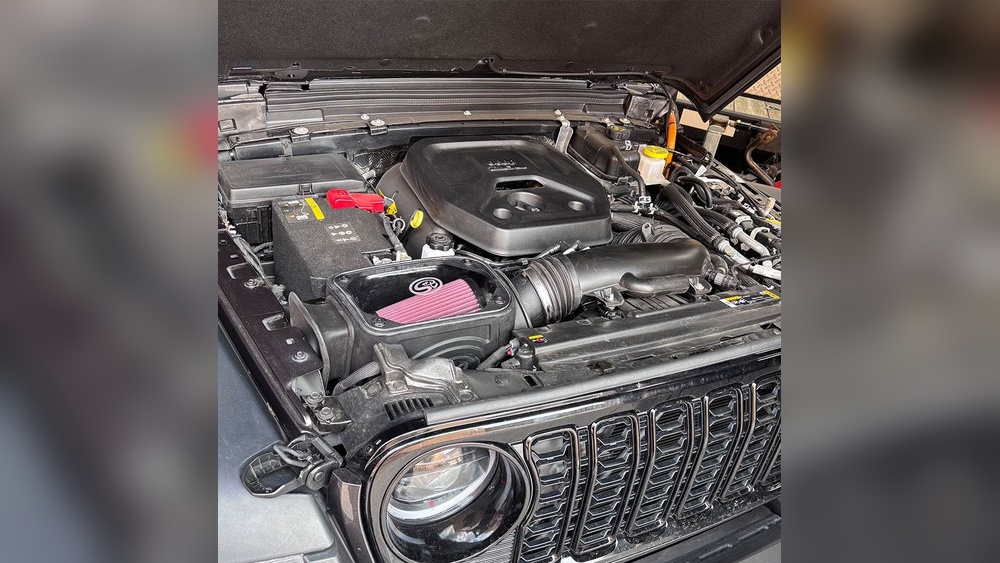
A cold air intake helps your engine breathe better, increasing airflow and oxygen. This can raise horsepower by 5–15%, depending on the brand and installation. Cold air intakes also improve throttle response and sometimes enhance the turbo’s sound.
- Tip: Choose a high-quality system with a washable filter for best results.
- Example: AFe Power and K&N are trusted brands among Jeep owners.
2. Exhaust Upgrades
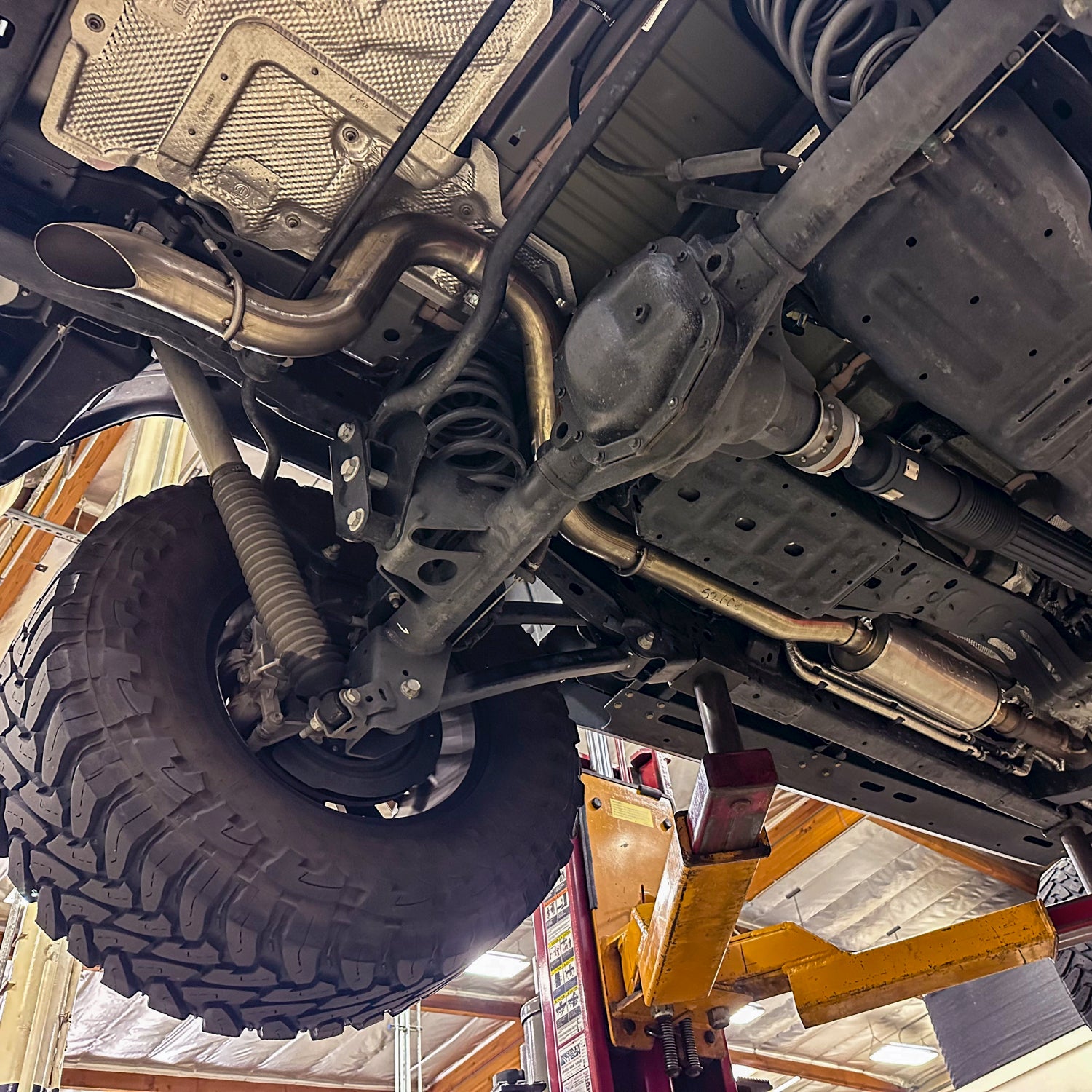
Upgrading the exhaust system reduces backpressure and improves flow, allowing the turbo to work more efficiently. Cat-back exhausts are the most popular, offering noticeable gains in both power and sound.
- Data: Many owners report 8–12 horsepower gains with aftermarket exhausts.
- Common mistake: Avoid cheap systems—they can cause drone or rust.
3. Ecu Tuning And Programmers
The ECU (Engine Control Unit) controls fuel, boost, and timing. By reprogramming it (“tuning”), you can safely increase power and torque. Modern tuners can add 20–40 horsepower and adjust turbo boost for quicker acceleration.
- Insight: Tuning often unlocks the most dramatic gains but requires careful selection to avoid engine damage.
- Brands: Superchips and DiabloSport offer reliable solutions.
4. Intercooler Upgrades
A larger intercooler keeps the intake air cooler, which helps the turbo produce more power without overheating. Cooler air is denser and contains more oxygen, ideal for performance.
- Non-obvious tip: Stock intercoolers are often undersized for heavy off-roading or towing.
- Benefit: Reduces heat soak and preserves engine reliability.
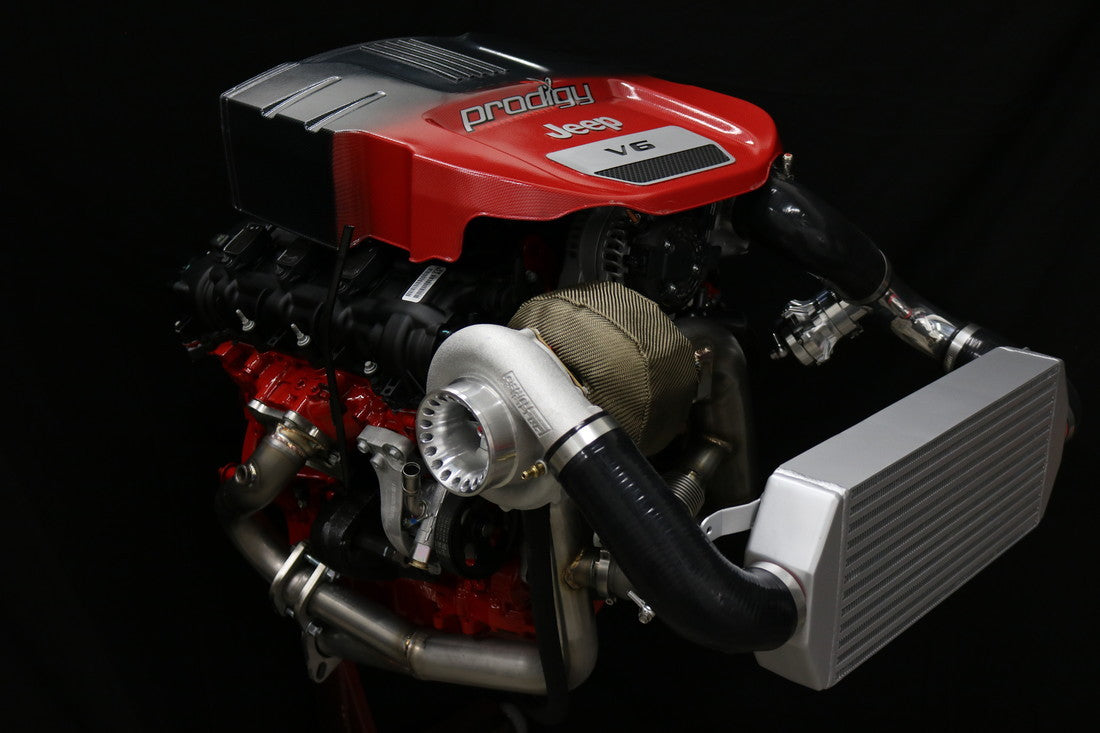
5. Turbocharger Upgrades
If you want maximum performance, a turbo upgrade can push your Wrangler well beyond factory specs. Upgraded turbos provide more boost, leading to large horsepower gains.
- Data: Some upgrades can boost total horsepower above 350.
- Warning: Upgrading the turbo usually requires other supporting mods (fuel system, cooling, tuning).
6. Performance Suspension
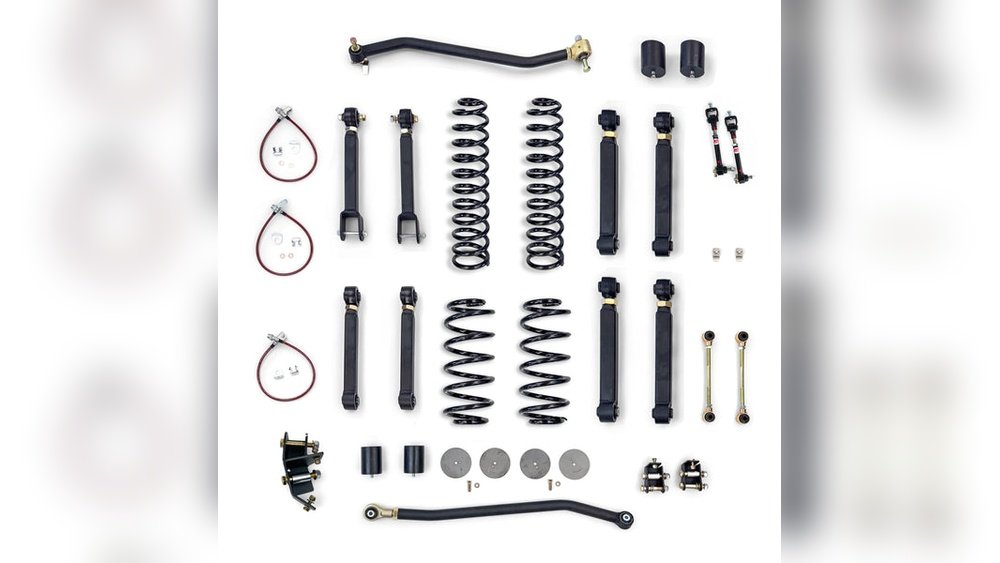
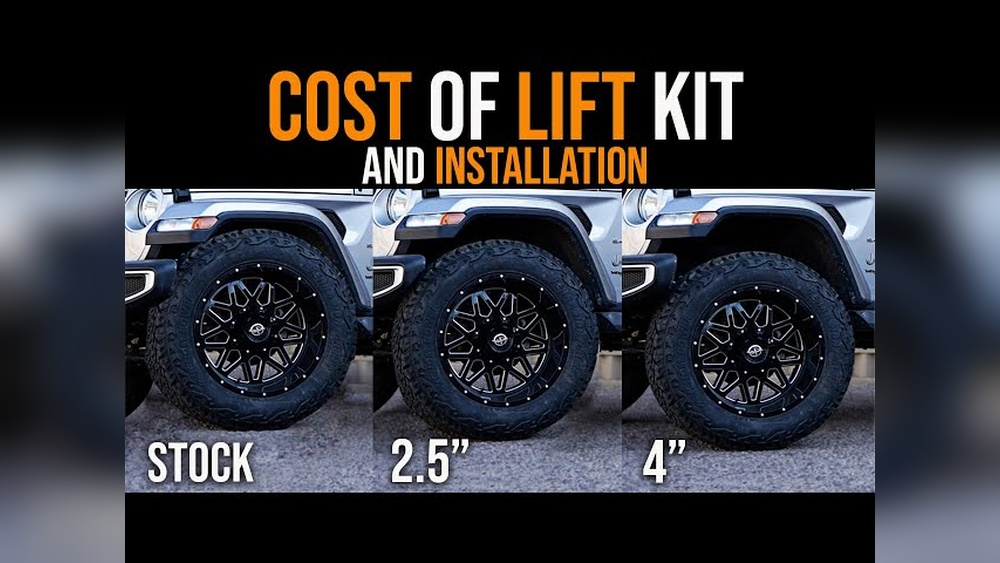
While not directly tied to engine power, suspension upgrades improve handling, let you fit bigger tires, and help put power to the ground. Adjustable shocks and lift kits are common.
- Insight: Improved suspension makes higher power usable, especially off-road.
7. High-performance Spark Plugs
Better spark plugs ensure more reliable ignition, smoother running, and sometimes improved fuel economy. Iridium or platinum plugs are recommended for turbo engines.
8. Upgraded Fuel Injectors
If you increase turbo boost or add more power, fuel injectors may need upgrading to ensure the engine gets enough fuel.
- Example: Owners with tuned Wranglers often switch to higher-flow injectors for safety.
9. Throttle Body Upgrades
A larger throttle body allows more air into the engine, enhancing throttle response and power, especially at higher RPMs.
Comparing Key Upgrades
To help you choose, here’s a comparison of three top upgrades for the Jeep Wrangler 2.0 Turbo:
| Upgrade | Estimated Power Gain | Cost Range | Difficulty | Warranty Impact |
|---|---|---|---|---|
| ECU Tuning | +20–40 HP | $350–$700 | Medium | May void warranty |
| Cold Air Intake | +5–15 HP | $200–$450 | Easy | Usually safe |
| Cat-Back Exhaust | +8–12 HP | $400–$900 | Medium | Usually safe |
Choosing The Right Upgrade
Not every upgrade suits every driver. Here’s how to decide:
- Daily driving: Cold air intake, exhaust, and spark plugs offer good gains with little risk.
- Off-roading: Suspension, intercooler, and throttle body upgrades help with durability and response.
- Maximum power: ECU tuning and turbo upgrades are best but require careful planning.
Factors To Consider
- Budget: Some upgrades are affordable; others, like turbo kits, can cost thousands.
- Skill level: Some mods are easy to install, others need a professional.
- Warranty: Always check your warranty before making changes. Some upgrades may void coverage.
- Long-term reliability: Balance power gains with reliability—don’t push the engine too hard.
Real-world Results And Owner Experiences
Jeep owners often share their experiences online and at club meetings. Here’s what many report after upgrading their Wrangler 2.0 Turbo:
- ECU tuning brings the most dramatic power increase. Owners feel quicker acceleration and better throttle response. However, some mention increased fuel use.
- Cold air intakes and exhaust upgrades improve sound and give a mild boost, with many reporting a “sportier” feel.
- Suspension upgrades let you use bigger tires and tackle rough terrain more comfortably.
- Intercoolers are praised by those who tow or drive hard in hot conditions—overheating becomes less of an issue.
Example: Owner Feedback
One Jeep forum user installed a cold air intake and a cat-back exhaust. They gained about 10 horsepower and noticed smoother acceleration. Another owner tuned their ECU and saw a 30 horsepower increase, but had to use premium fuel for best results.
Avoiding Common Mistakes
Upgrading your Wrangler can be exciting, but it’s easy to make errors. Here are common pitfalls—and how to avoid them:
- Ignoring warranty terms: Some mods void coverage. Always check before installing.
- Buying cheap parts: Low-quality upgrades can harm performance or reliability.
- Skipping supporting mods: Upgrading the turbo without fuel or cooling upgrades can cause engine damage.
- Over-tuning: Pushing the ECU too far can lead to reliability issues.
- Incorrect installation: Improper fitting leads to leaks, check engine lights, or reduced performance.
Data Table: Stock Vs Upgraded Wrangler 2.0 Turbo
Here’s a simple comparison of factory specs versus typical upgraded numbers:
| Specification | Stock Wrangler 2.0 Turbo | Upgraded (with ECU, intake, exhaust) |
|---|---|---|
| Horsepower | 270 HP | 310–325 HP |
| Torque | 295 lb-ft | 340–360 lb-ft |
| 0–60 mph Time | 6.8 seconds | 6.0 seconds |
| Fuel Economy | 21 mpg (combined) | 19–21 mpg |
Upgrade Installation: Diy Vs Professional
Some upgrades are easy for anyone with basic tools. Cold air intakes, spark plugs, and exhausts can be installed in a driveway.
ECU tuning is often plug-and-play, but turbo or intercooler upgrades may need a mechanic.
When To Use A Professional
- Complex upgrades (turbo, fuel injectors)
- If you lack experience with engines
- For warranty and insurance reasons
Diy Tips
- Watch video tutorials for your specific model
- Double-check fitment and compatibility
- Use proper torque settings
Maintenance After Upgrades
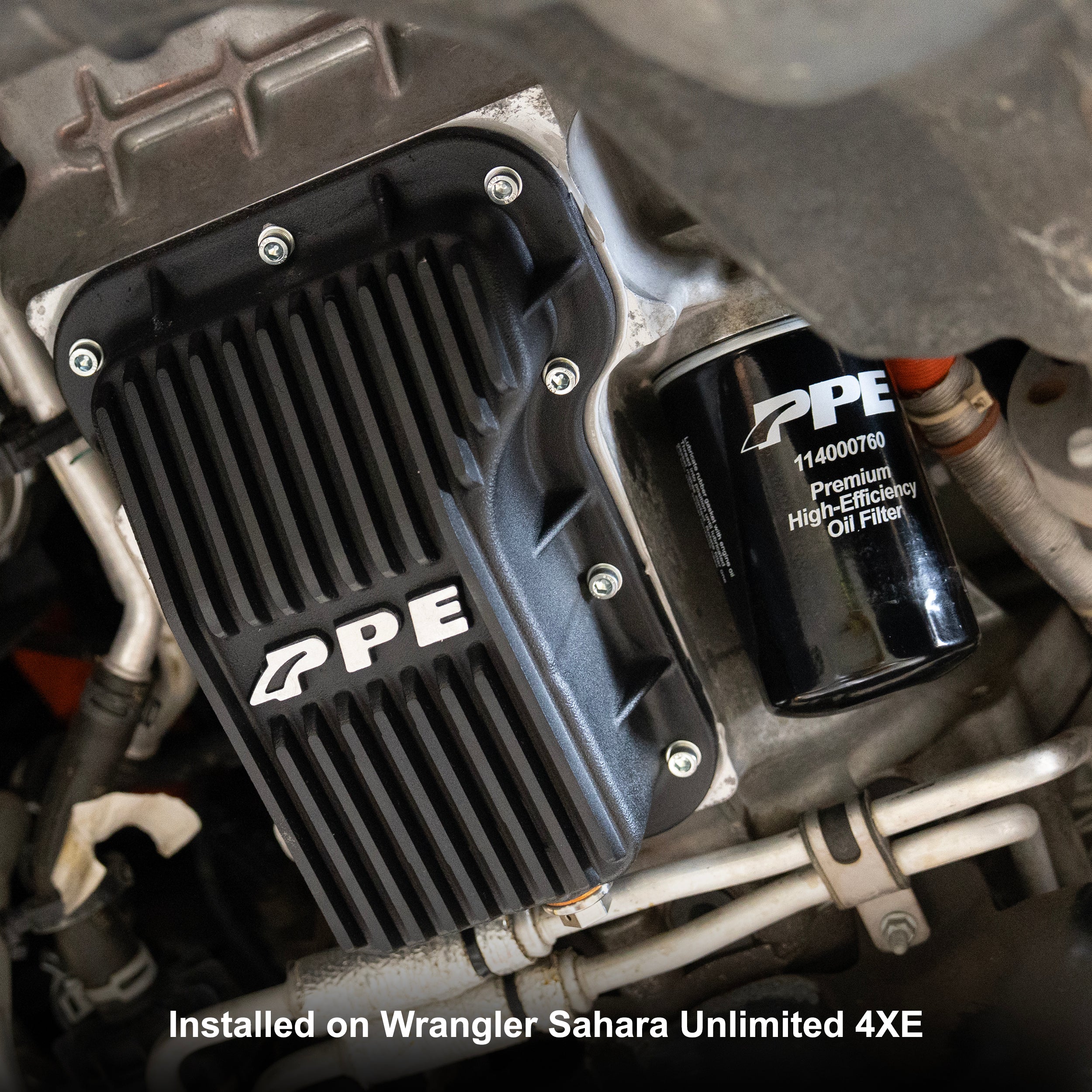
Performance mods require regular attention. Always:
- Check for leaks or loose fittings
- Monitor engine temperatures
- Use recommended fuel and oil types
- Inspect upgraded parts for wear
Non-obvious tip: After tuning, reset the ECU and drive gently for the first few miles. This helps the computer learn new parameters.
Legal And Environmental Considerations
Some upgrades may affect emissions and legality. Always:
- Check local laws before installing exhaust or tuning upgrades
- Make sure mods don’t trigger warning lights or inspection failures
For more details, see the official Jeep site: Jeep Wrangler Official Site.
What Is The Safest Performance Upgrade For The Jeep Wrangler 2.0 Turbo?
A cold air intake is usually the safest upgrade. It offers a mild power boost and improved response with little risk to reliability or warranty.
Will Performance Upgrades Void My Jeep Warranty?
Some upgrades, especially ECU tuning and turbo modifications, may void parts of your warranty. Always check your warranty terms and consult your dealer before making changes.
How Much Horsepower Can I Gain With Basic Upgrades?
With cold air intake, exhaust, and ECU tuning, you can expect a 40–55 horsepower increase. More aggressive upgrades, like turbo kits, may push gains even higher but require supporting mods.
Is It Worth Upgrading The Intercooler On The Wrangler 2.0 Turbo?
Yes, especially if you tow, drive hard, or live in hot climates. A larger intercooler keeps intake air cooler, improves reliability, and helps maintain power under stress.
Can I Install Upgrades Myself, Or Do I Need A Mechanic?
Many upgrades (intake, exhaust, spark plugs) are simple and can be done at home. However, complex mods (turbo, fuel system) usually require a professional for safety and proper installation.
The Jeep Wrangler 2. 0 Turbo offers great performance right from the factory, but the right upgrades can take it to the next level.
By choosing wisely, following best practices, and avoiding common mistakes, you can enjoy a more powerful, responsive, and reliable ride—on or off the road.