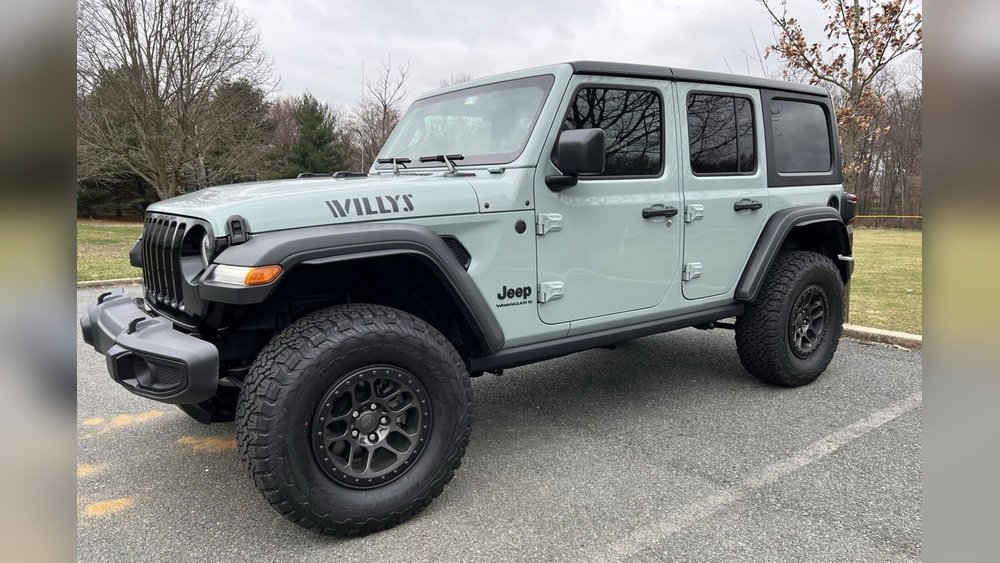
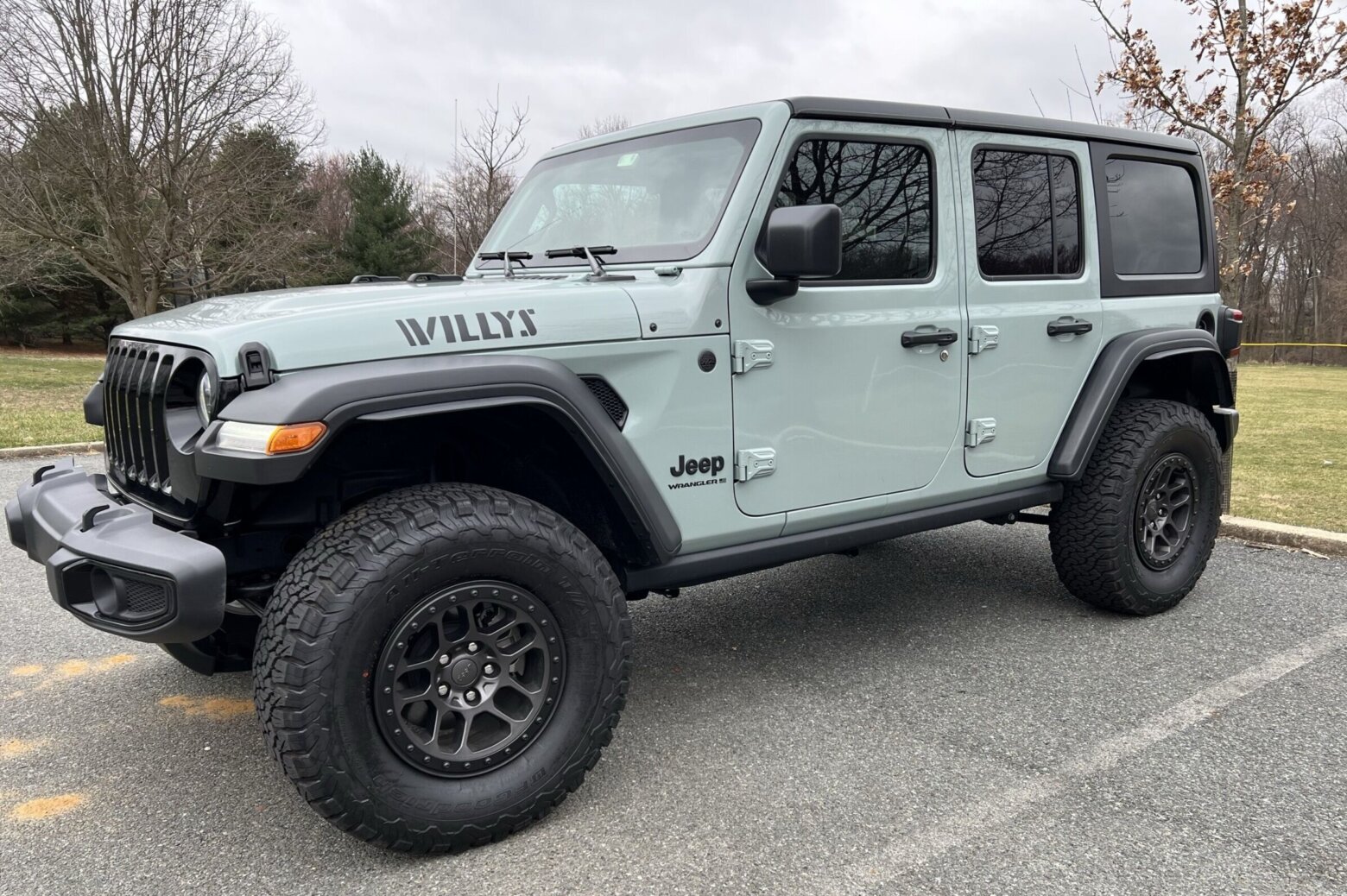
The Jeep Willys 4 Door is more than just a vehicle—it’s a symbol of rugged history, clever engineering, and adventurous spirit. While most people recognize the classic two-door Jeep Willys from black-and-white war photos, the four-door versions have their own unique story. They played important roles in military, civilian, and off-road history. Today, these four-door models are prized by collectors and enthusiasts who appreciate their practical design and old-school charm.
But what exactly is a Jeep Willys 4 Door? How is it different from the iconic two-door? And which four-door Willys models truly stand out? This article explores four key Willys Jeep 4-door variants: the Willys Station Wagon, Willys Utility Wagon, Willys Overland Jeepster, and the rare Willys Jeep Truck Crew Cab. We’ll break down their features, uses, and how they compare, so you can understand why these vehicles still capture attention decades after their debut.
The Willys Station Wagon
The Willys Station Wagon was introduced in 1946, just after World War II. It was one of the first all-steel station wagons built in America. Unlike the wooden “woody” wagons of the era, the Willys version used a steel body for better durability and lower maintenance. This model quickly gained popularity with families and small business owners who needed a practical, reliable vehicle.
Inside, the Willys Station Wagon offered seating for up to seven people, depending on the configuration. The rear seats folded down, turning the wagon into a roomy cargo hauler. Most versions came with a 4-cylinder “Go Devil” engine, but a six-cylinder option was added in 1948 to boost power.
Four-wheel drive became available in 1949, making the wagon a favorite for people living in rural areas or dealing with tough weather.
A unique feature of the Willys Station Wagon was its boxy, utilitarian design. The flat panels and sharp corners made repairs easy, and the simple interior was easy to clean. These wagons were also used by postal services, fire departments, and even as ambulances in some regions.
Even though production ended in 1965, many Willys Station Wagons are still on the road today. They are valued for their classic look, strong construction, and versatility.
Willys Utility Wagon
The Willys Utility Wagon was closely related to the Station Wagon but was designed with more focus on work and off-road use. It shared the same basic body and chassis, but it usually came with fewer chrome details and a simpler interior. This made it easier to clean and more practical for farmers, contractors, and outdoor workers.
One big advantage of the Utility Wagon was its four-wheel drive system, which became standard in the late 1940s. This allowed the vehicle to handle dirt roads, snow, and mud better than most cars of the time. Willys also offered a range of engines, including the Hurricane F-head four-cylinder and the Super Hurricane six-cylinder, giving buyers a choice between fuel economy and power.
The rear cargo space was designed for flexibility. Removable rear seats and large doors made it easy to load tools, animal feed, or camping gear. Some Utility Wagons even came with power take-off (PTO) options, allowing owners to run small machinery directly from the vehicle.
Here’s a comparison of the main specifications between the Station Wagon and Utility Wagon:
| Feature | Station Wagon | Utility Wagon |
|---|---|---|
| Drive Type | 2WD/4WD (optional) | 4WD (standard after 1949) |
| Seating Capacity | Up to 7 | 5 (more common) |
| Interior Finish | Upgraded/comfortable | Basic/durable |
| Common Uses | Family, delivery, emergency | Farm, utility, off-road |
If you see a Willys Utility Wagon at a car show today, you’ll notice it often has fewer chrome trim pieces and a more rugged vibe than the Station Wagon. Many were painted in solid colors and sometimes even used for military service during the Korean War era.
This model is less flashy but beloved by people who appreciate function over style.
Willys Overland Jeepster
The Willys Overland Jeepster stands out as the most stylish and unique four-door Willys vehicle. Produced from 1948 to 1951, the Jeepster was designed to blend Jeep toughness with convertible fun. Its open roof, smooth lines, and chrome accents were a big change from the boxy, utilitarian look of other Willys models.
Although most Jeepsters were two-door convertibles, Willys did produce a small number of four-door Jeepster variants for special orders and export markets. These are rare and highly prized by collectors. The four-door Jeepster kept the same mechanical foundation as the two-door, with rear-wheel drive and a choice of engines. However, it was not intended for serious off-road use—this was a “leisure vehicle,” aimed at drivers who wanted style and comfort.
Key features of the Willys Overland Jeepster four-door include:
- Convertible roof for open-air driving
- Room for up to six passengers
- Chrome bumpers and trim
- Smooth highway ride
One insight many people miss: the four-door Jeepster was an early attempt to make Jeep appeal to urban buyers, not just rural or military users. It was a bridge between the rough-and-tumble Jeeps and the family-friendly station wagons that would come later.
While the Jeepster’s production numbers were low, especially for the four-door version, its design influenced later Jeep vehicles, including the more luxurious Wagoneer.
Willys Jeep Truck Crew Cab
The Willys Jeep Truck Crew Cab is the rarest and most practical of the four-door Willys lineup. Most Willys trucks were built with only two doors and a single bench seat. However, in the early 1950s, Willys experimented with a crew cab version—adding a second row of seats and two more doors.
These four-door trucks were primarily built for commercial and military contracts. They were used as work vehicles on oil fields, large farms, and sometimes by the military for troop transport. The extended cab allowed for more passengers or work crews to travel together, making the vehicle more useful for big jobs.
Notable features of the Willys Jeep Truck Crew Cab:
- Seating for up to six adults
- Strong ladder-frame chassis
- 4WD system with high ground clearance
- Large cargo bed for tools or supplies
Because so few were made, surviving examples are very valuable. Many were customized by aftermarket coachbuilders, so there are differences in design and features from one truck to another. Finding a genuine Willys-built crew cab is difficult, and restoration can be expensive.
Here’s how the Willys Jeep Truck Crew Cab compares to other Willys four-doors:
| Model | Passenger Capacity | Main Use | Production Numbers |
|---|---|---|---|
| Station Wagon | Up to 7 | Family, commercial | High |
| Utility Wagon | Up to 5 | Work, off-road | Moderate |
| Overland Jeepster | Up to 6 | Leisure, style | Very low (4-door) |
| Jeep Truck Crew Cab | Up to 6 | Heavy work, transport | Extremely low |
One thing beginners often overlook: the crew cab design predated the popularity of modern four-door pickups by decades. This makes the Willys Jeep Truck Crew Cab a true pioneer in the world of multi-passenger work vehicles.
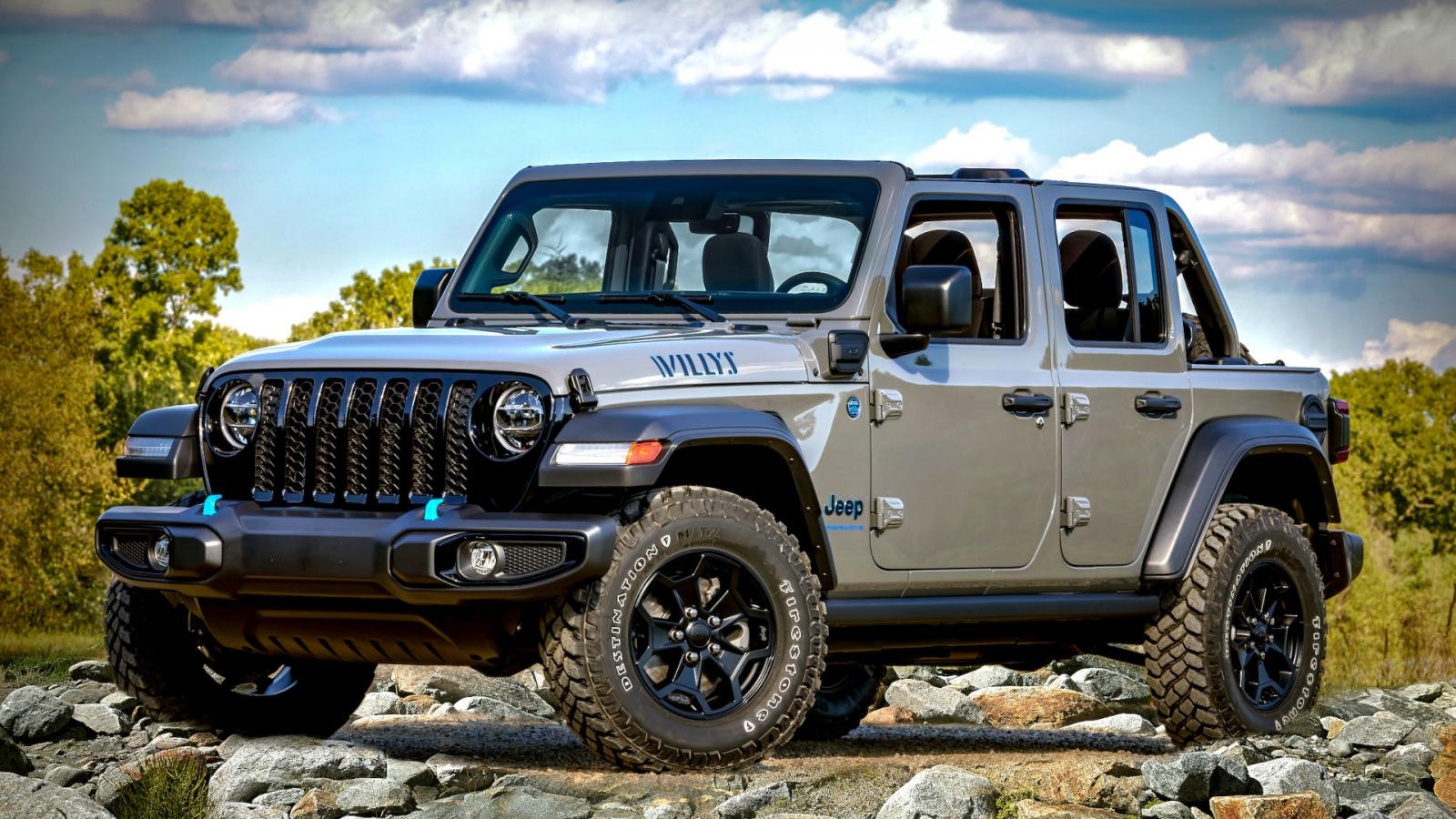
Willys 4 Door Models: Head-to-head
With all four main Willys 4 door vehicles covered, it helps to compare them directly. Each model had a different audience and purpose, but all shared the Jeep DNA of simplicity, toughness, and innovation.
| Model | Years Produced | Drivetrain | Notable Feature |
|---|---|---|---|
| Station Wagon | 1946–1965 | 2WD/4WD | All-steel body |
| Utility Wagon | 1946–1964 | 4WD | Work-focused interior |
| Overland Jeepster | 1948–1951 | 2WD | Convertible top |
| Jeep Truck Crew Cab | 1950s (rare) | 4WD | Crew cab seating |
Some common mistakes beginners make:
- Confusing the Station Wagon and Utility Wagon. Although similar, the Utility Wagon is more basic and work-focused.
- Thinking all Jeepsters are four-door. Most are two-door; four-door versions are special and rare.
- Believing the crew cab truck was mass-produced. In reality, only a handful were built for special needs.
Why The Jeep Willys 4 Door Still Matters
Classic car fans love the Willys 4 door models for their timeless design and mechanical simplicity. Each vehicle was built to last, and many are still running today. They also represent a turning point in American automotive history—the move from purely military Jeeps to versatile family and work vehicles.
Restoring a Willys 4 door is a rewarding challenge. Parts are still available for most models, and there are active clubs and forums for advice. However, some parts for rare versions (especially the crew cab and four-door Jeepster) can be difficult or expensive to find.
For those considering buying or restoring a Willys 4 door, here are some tips:
- Check for rust. The all-steel bodies resist termites but can rust in wet climates.
- Research the VIN and history. Some rare four-door models have been converted or faked.
- Join a Willys club. Experts can help you source parts and verify authenticity.
- Set a realistic budget. Restoration costs can add up quickly, especially for rare models.
If you want to see these vehicles in action or learn more, the Willys America museum in California is a great place to visit. You can also find detailed history and specifications on the Willys Station Wagon Wikipedia page.

Frequently Asked Questions
What Is The Difference Between The Willys Station Wagon And Utility Wagon?
The main difference is their focus: the Station Wagon was designed for families and general use, with a more comfortable interior, while the Utility Wagon was built for work, with a simpler interior and usually standard four-wheel drive.
Are All Jeepster Models Four-door?
No, most Jeepster models are two-door convertibles. The four-door Jeepster is very rare and was mainly made for special orders or export.
Is It Hard To Find Parts For Willys 4 Door Models?
For common models like the Station Wagon and Utility Wagon, parts are still widely available. For rare models like the crew cab truck or four-door Jeepster, some parts can be difficult or expensive to source.
How Many Willys Jeep Truck Crew Cabs Were Built?
Exact numbers are unknown, but only a small handful were produced. Most were custom-built for commercial or military use, making them highly collectible today.
Why Are Willys 4 Door Models Still Popular?
They are loved for their rugged design, classic looks, and connection to Jeep history. Their versatility and durability make them favorites among off-road fans and classic car collectors.
The Jeep Willys 4 Door legacy is one of innovation and adventure. Whether you love classic cars, off-road vehicles, or simply appreciate clever engineering, these Jeeps offer a window into a time when vehicles were built to work hard and last for generations.